
Applewood has spent most of 2026 as one of the faster corners of the Denver metro. Through May, the median Applewood single-family home spent just 5 days in the MLS, and May itself came in at 4 days. For context, the Denver Metro Association of Realtors reported a metro-wide median of 18 days in its June report. Applewood is not moving at the metro’s pace. It is moving considerably faster.
But “Applewood is fast” is an average, and averages hide the interesting part. Buyers here are not treating every listing the same way. Some homes go under contract over a weekend with a handful of showings. Others sit while nearly identical houses a few blocks away trade quickly. The difference usually comes down to the type of home, its condition, and how it was priced on day one.
So what is actually moving fastest? Jason Sirois, an Applewood resident and Denver Realtor with FORM at Compass Denver, tracks this data closely. Below is what the numbers support, and where the honest answer is “it depends on the house.”
First, What the Applewood Speed Data Actually Says
Here is the current picture for Applewood single-family homes, based on the most recent uploaded MLS data through June 2, 2026:
- Median days in MLS: 4 days in May, 5 days year to date
- Average closed-price-to-list-price ratio: 100% in May, 98.76% year to date
- Median showings to pending: 8 in May, 11 year to date
- Year-to-date median closed price: $830,000, up from $740,000 over the same period in 2025
- Closed listings, January through May: 125, compared to 133 in 2025
One caveat worth stating plainly: May 2026 included only 3 closed sales in the uploaded dataset, so the month’s figures are directional rather than definitive. The year-to-date numbers are the more reliable read, and they tell a consistent story. Applewood homes sell quickly, and they sell close to list price, but buyers are not overpaying across the board the way they did in 2024 and 2025.
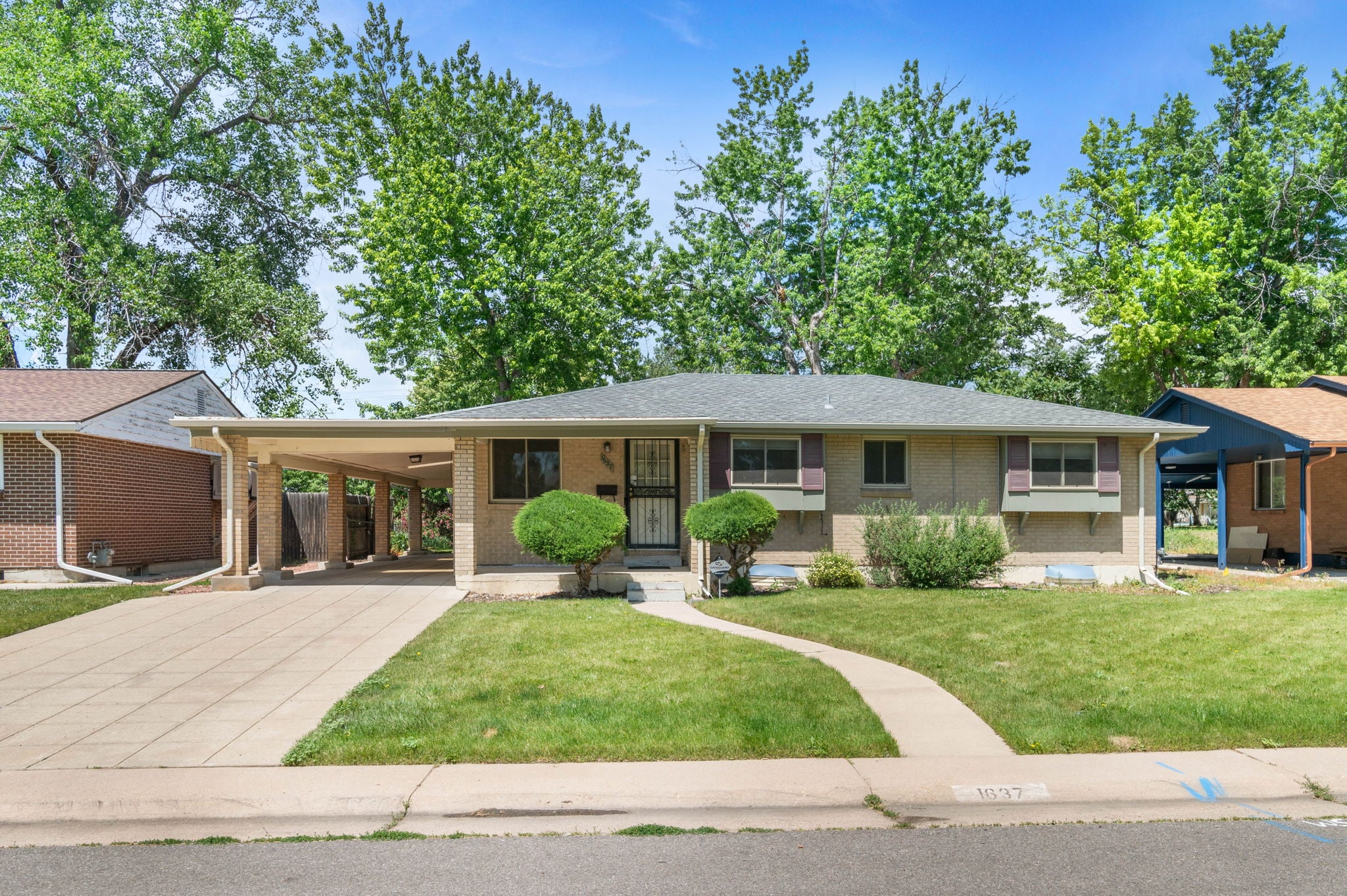
Mid-Century Ranches on Established Lots
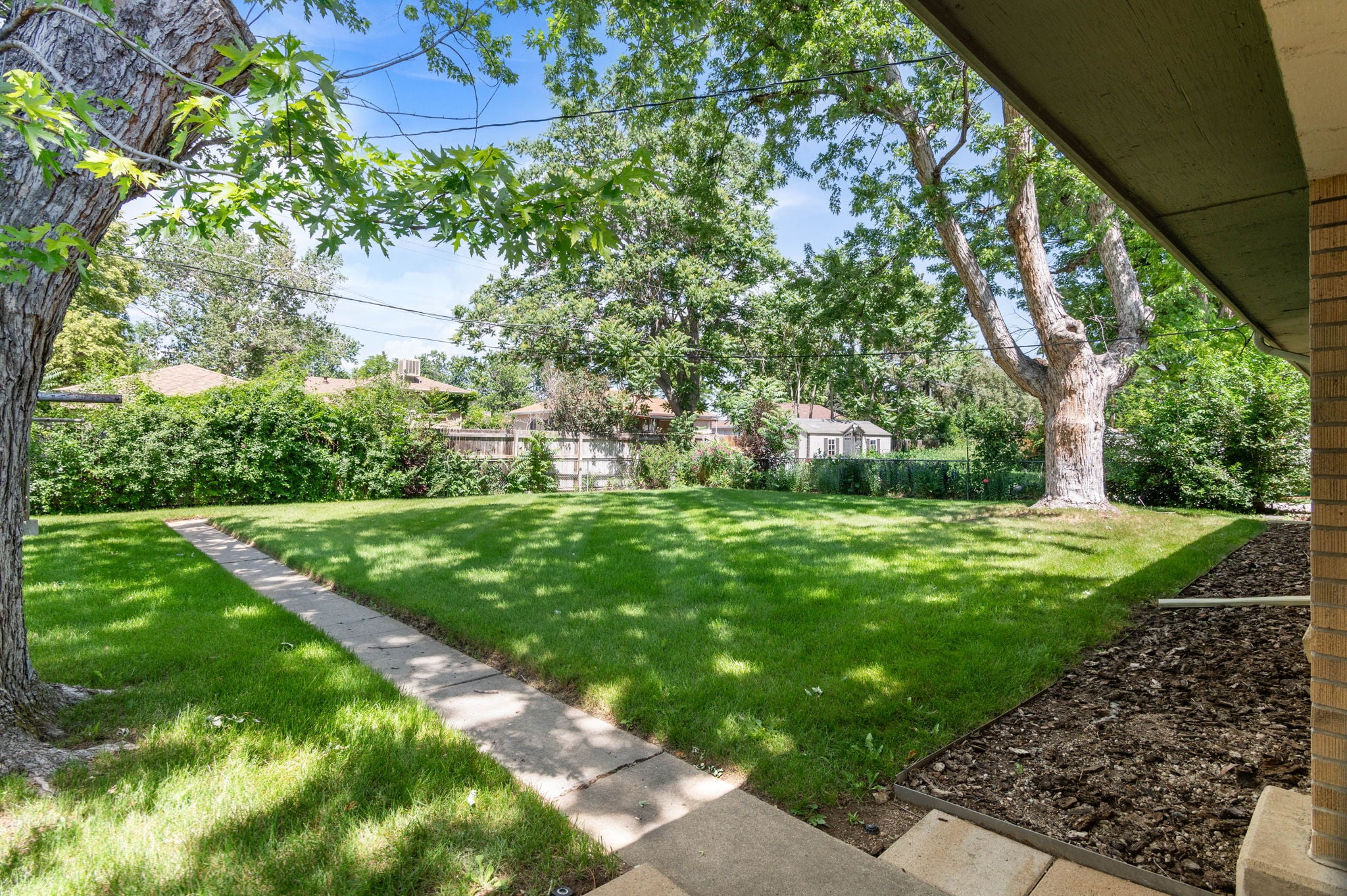
The brick and buff-brick ranch is the signature Applewood house, and it remains the most reliably quick seller in the neighborhood. These homes were built through the 1950s and 1960s on lots that are considerably larger than what buyers find in central Denver, often with mature cottonwoods, real backyards, and room to expand.
The appeal is straightforward. A ranch offers single-level living, which pulls interest from two very different buyer pools at once: young families who want a yard and no stairs for small children, and downsizers who want to stay in the area without taking on a two-story. When one house serves both groups, the buyer pool is deep, and deep buyer pools produce short days on market.
The ranches that move fastest tend to have already handled the expensive, unglamorous items. Roof, furnace, sewer line, and electrical panel are not features buyers get excited about, but they are the items that cause a promising showing to end without an offer.
Updated Homes, Almost Regardless of Style
Condition is doing more work in this market than architectural style. Applewood’s median showings to pending sits at 8, which means buyers are not browsing casually. They are seeing a small number of homes and writing on the one that feels finished.
That favors homes where the kitchen and primary bath have been addressed, where the mechanicals are current, and where the buyer can picture moving in without a project list. In a market where the year-to-date close-to-list ratio has slipped to 98.76%, buyers are pricing in the work they would have to do. Homes that leave nothing to price in are the ones clearing quickly.
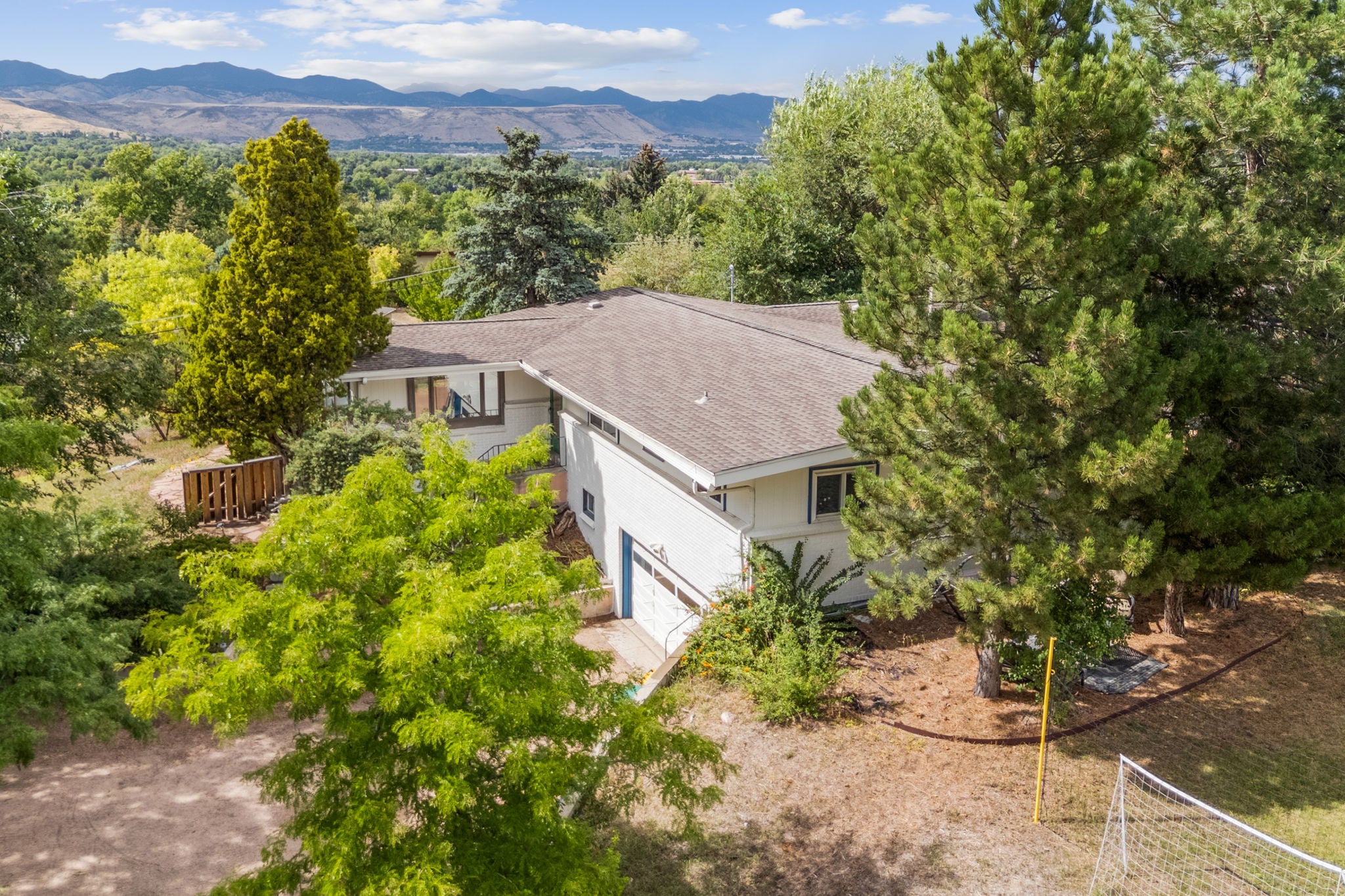
Homes With Genuine Foothills Access and Views
Applewood’s western edge climbs toward the foothills, and lots with real views toward North Table Mountain and the front range carry a scarcity premium. There is a fixed supply of them and no way to build more.
These properties behave differently from the rest of the neighborhood. They can be slower to sell simply because the buyer pool is narrower and more specific, but when the right buyer shows up, they move decisively. This is where the median masks reality: a view property might sit for three weeks and then sell at full price to someone who had been waiting a year for it.
Where Applewood Slows Down
The homes taking longest generally share one of a few traits. Original-condition houses priced as though they have been updated tend to sit, because buyers can do that math quickly. Homes backing to Youngfield, 32nd Avenue, or I-70 face a real and permanent objection that has to be handled with price. And attached product is a softer category across the metro right now. DMAR’s June report showed attached homes receiving 98.48% of list price, trailing detached homes, with more inventory and more negotiation across the board.
Aggressive pricing is the most common self-inflicted problem. Applewood’s speed can create a false sense that any number will work. The 98.76% year-to-date close-to-list figure argues otherwise. A home priced ahead of the market in a 4-day neighborhood does not sell slowly. It sits, goes stale, and then sells for less than it would have with correct pricing from the start.
What This Means If You Are Selling
Speed in Applewood is earned before the listing goes live, not after. In a neighborhood where the typical home is under contract in under a week, the first weekend is effectively the whole marketing campaign. Pricing, preparation, photography, and launch strategy have to be right on day one, because there is no meaningful second chance.
If you are weighing a sale, it is worth understanding where your specific home sits: its type, condition, and location within the neighborhood matter more than the neighborhood average. Our Seller’s Guide walks through preparation and pricing, and the home sale calculator on our site can help you estimate net proceeds before you commit to anything.
What This Means If You Are Buying
A 4-day median means Applewood does not give you a long runway. By the time you have arranged a showing, discussed it over dinner, and slept on it, the well-priced ranch is often gone.
Preparation is the entire game. Know values in the neighborhood before your house appears, have financing fully ready, and decide in advance where you are willing to compete and where you are not. The upside is that not every home requires that urgency. Understanding which listings demand speed and which allow for negotiation is most of the advantage. You can start with our Applewood community page or the Buyer’s Guide.
Frequently Asked Questions
What type of home sells fastest in Applewood?
Updated mid-century ranches on established lots are the most consistently quick sellers. They draw both young families and downsizers at the same time, which creates a deeper buyer pool than most other property types in the neighborhood. That said, condition and pricing tend to matter more than style. A well-prepared two-story will outsell an original-condition ranch that is priced too high.
How fast do Applewood homes actually sell?
The median Applewood single-family home spent 4 days in the MLS in May 2026 and 5 days year to date. For comparison, DMAR reported a metro-wide median of 18 days in its June report. Applewood is meaningfully faster than the Denver metro as a whole.
Are Applewood sellers still getting over list price?
Less often than in recent years. The average closed-price-to-list-price ratio was 100% in May 2026 and 98.76% year to date, compared to 100.36% for all of 2025. Homes are still selling quickly, but buyers have grown more value-sensitive, and pricing above the market is no longer forgiven the way it once was.
Are condos and townhomes selling as quickly as houses in Applewood?
Attached homes are a softer category across the Denver metro right now. DMAR’s June report showed attached properties receiving 98.48% of list price and trailing detached homes, with more inventory and more room for negotiation. Applewood is predominantly a single-family neighborhood, so the attached sample there is small.
Is now a good time to sell an Applewood ranch?
The year-to-date data shows steady demand and a median of 5 days in the MLS, which is a favorable backdrop. Whether it is the right moment for your specific home depends on its condition, location within the neighborhood, and your own timing. A local pricing review is the only way to answer that with any precision.
Talk Through Your Options
Jason Sirois lives in Applewood and works the west side of the Denver metro daily, including Wheat Ridge, Lakewood, and central Denver. If you are considering a move and want to understand how your home fits into the current market, the FORM Team at Compass Denver would be glad to review the data with you. Get in touch whenever you are ready.
Market figures cited above reflect the most recent uploaded MLS data for Applewood single-family homes through June 2, 2026, and the Denver Metro Association of Realtors June 2026 Market Trends Report. Real estate data lags, and month-to-month figures based on small sample sizes should be read as directional. This article is general information, not financial, tax, or legal advice.