

It’s one of the first questions almost every homeowner asks, whether you’re thinking about selling next month or just curious what all those years of payments have built. You can pull up a Zillow “Zestimate” in ten seconds and get a number — but if you’ve ever compared that figure to what a neighbor’s very similar house actually sold for, you already know those estimates can miss by tens of thousands of dollars in either direction.
The honest answer is that your home is worth what a ready, willing buyer will pay for it in today’s market — and in 2026, today’s market looks different than it did a couple of years ago. Denver metro has rebalanced: there’s more inventory on the market, homes are taking longer to sell than they did during the frenzy, and prices have largely flattened after years of rapid appreciation. You can follow the month-to-month picture in the DMAR Market Trends Reports, which track prices, inventory, and days on market across the metro.
The good news: you don’t have to guess. Below, Jason Sirois — a Denver Realtor with FORM at Compass Denver and an Applewood resident — breaks down what actually drives your home’s value and how to get a real, defensible number rather than a rough algorithmic estimate.
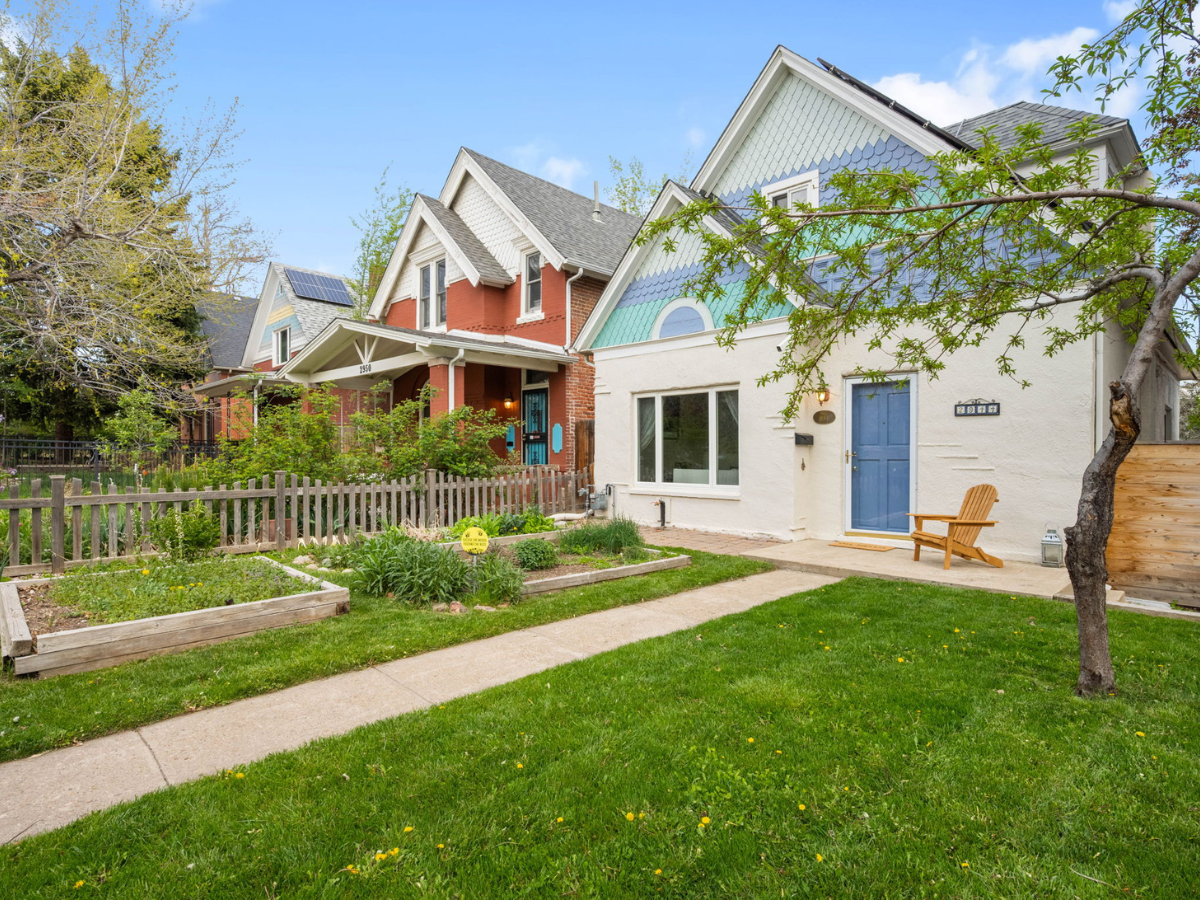
Why online estimates only get you part of the way
Automated valuation tools (the Zestimate and its cousins) are a fine starting point. They lean on algorithms and public data — square footage, bed and bath count, and recent area sales — to spit out a ballpark. What they can’t see is the remodeled kitchen you put in last year, the fact that your lot backs to a greenbelt instead of a busy arterial, or that the “comparable” three doors down was a gut-job that sold as-is.
Your county’s assessed value is another data point people reach for, and it’s worth knowing where to find it — in Jefferson County, for example, you can look up your record through the Jefferson County Assessor’s property search. Just keep in mind that assessed value is calculated for property-tax purposes on a set appraisal cycle, so it often lags — and differs from — true market value. (Property-tax and valuation rules vary and change over time; treat this as general information, not tax advice.)
What actually determines your home’s value
When a good agent prices a home, they’re weighing several things at once:
- Location and neighborhood. The same floor plan is worth very different amounts in Applewood versus Wheat Ridge, Berkeley, or Sloan’s Lake. Micro-location matters too — corner lot, school boundary, walkability, and street traffic all move the needle.
- Condition and updates. Kitchens, bathrooms, roof, systems, and curb appeal. Documented, recent improvements carry more weight than deferred maintenance.
- Size and layout. Finished square footage, bed/bath count, and how usable the space actually is — a functional layout often beats raw square footage.
- Recent comparable sales. This is the big one. What genuinely similar, nearby homes have closed for in the last few months is the strongest evidence of value.
- Current market conditions. Interest rates, inventory, and buyer demand set the backdrop for every one of the factors above.
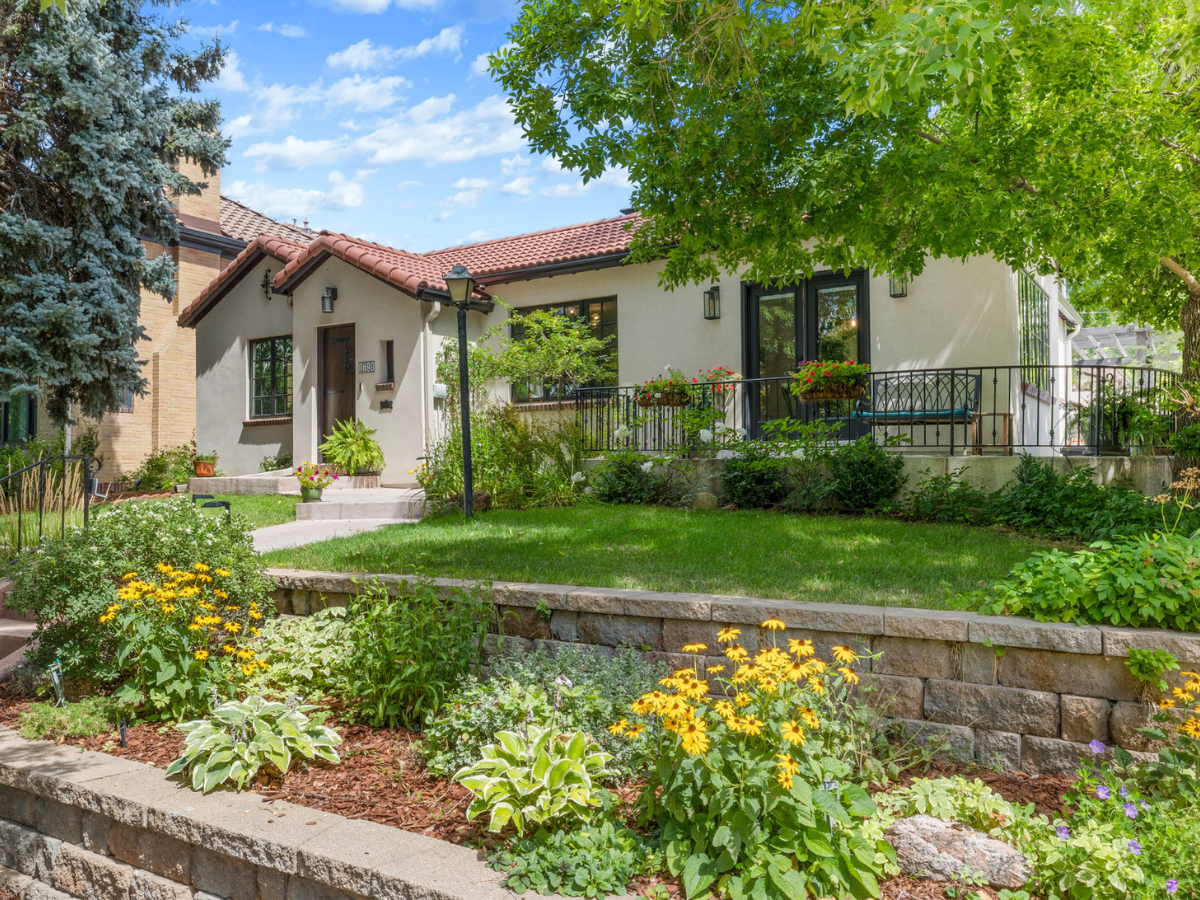
The Denver market in 2026, in plain terms
Here’s the qualitative picture: after several years of steep, fast appreciation, the metro has settled into a more balanced rhythm. Buyers have more choices and more time to decide than they did in 2021, and sellers who price ahead of the market are seeing homes sit. The flip side is that well-prepared, accurately priced homes are still selling — pricing simply matters again in a way it didn’t when almost anything moved in a weekend.
What that means for your value: the number you might have assumed based on a neighbor’s 2022 sale may not hold today. Pricing off current, closed comps — not last year’s peak — is how you land on a figure that actually reflects what buyers will pay now.
A quick pre-valuation checklist
Before you get a professional opinion, a little prep makes the number sharper:
- List your improvements with rough dates and costs (kitchen, roof, HVAC, windows, landscaping).
- Jot down any recent sales you’re aware of on your street or in your subdivision.
- Pull your assessor record so you know your official square footage and lot details.
- Be honest with yourself about condition — buyers will be.
- Run the rough math on what you’d actually walk away with using a home sale calculator to estimate net proceeds after costs.
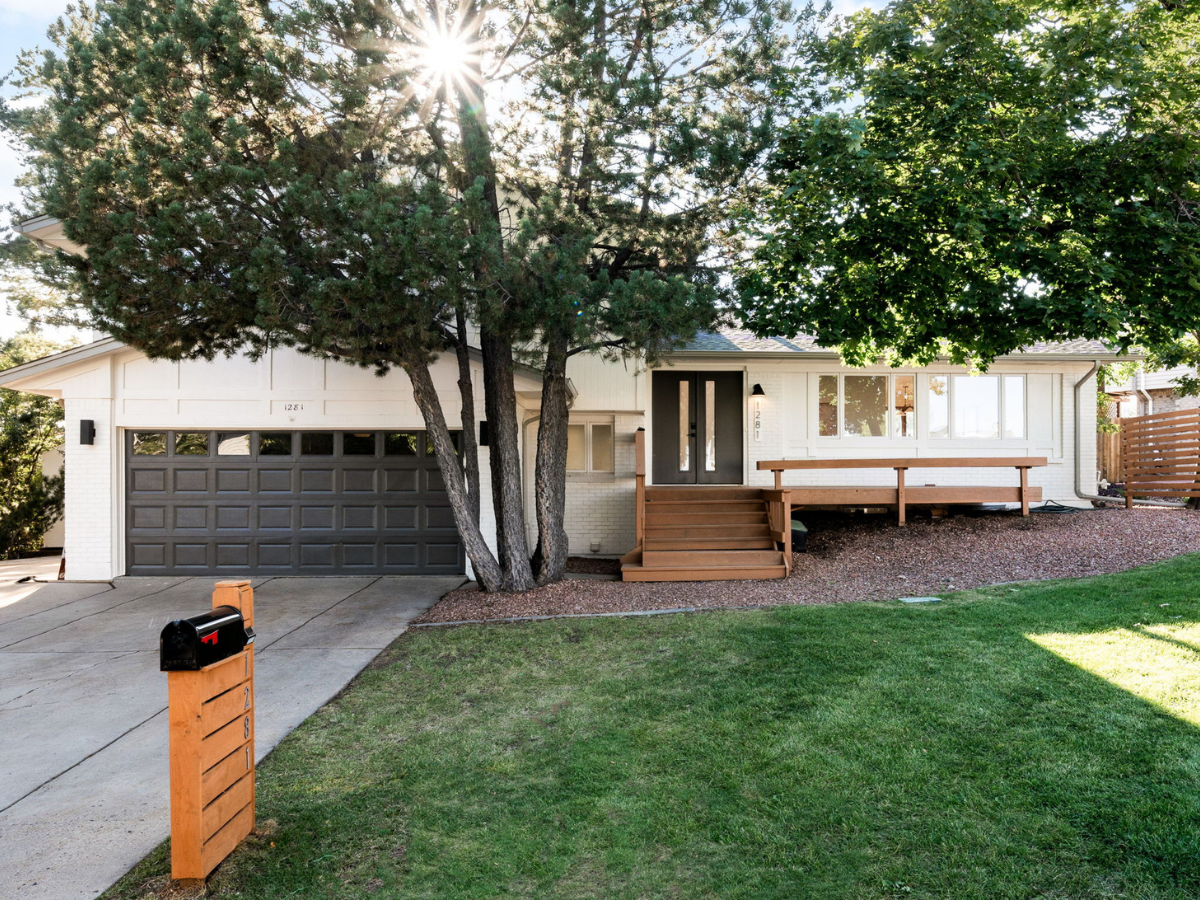
How to get a real number: the CMA
The most accurate free tool available to you is a Comparative Market Analysis (CMA) from a local agent. Unlike an algorithm, a CMA looks at your actual home — its condition, updates, and location — and compares it against recent, genuinely similar closed sales, then adjusts for the differences. It’s the same evidence-based approach that informs a smart listing price, and it’s typically provided at no cost and no obligation. If you’re weighing a move, our Seller’s Guide walks through what comes next.
If you’d like a real number for your specific home — and a plain-spoken conversation about what it would take to sell it well — Jason Sirois is happy to put one together and talk through your options, no pressure to list. Local knowledge is exactly what closes the gap between an online estimate and what your home will truly bring.
Frequently Asked Questions
Is a Zestimate accurate for Denver homes?
It’s a reasonable starting point, but treat it as a range rather than a price. Automated estimates can’t account for your home’s specific condition, updates, or exact location, so they routinely differ from real market value — sometimes significantly. Use it for a ballpark, then confirm with local comps.
How is assessed value different from market value?
Assessed value is set by the county assessor on a fixed appraisal cycle for property-tax purposes, so it often lags the current market and isn’t meant to be a listing price. Market value is what a buyer will pay today. They can differ by a wide margin. (Assessment and tax rules change; this is general information, not tax or legal advice.)
Do I need a formal appraisal to know what my home is worth?
Not to get a strong working number. A CMA from a local agent is free and, for pricing purposes, often more current than an appraisal because it leans on the most recent closed sales. A formal appraisal usually comes into play once you’re under contract and a lender orders one.
How often should I check my home’s value?
Once or twice a year is plenty for most owners, plus any time you’ve made a significant improvement or you’re seriously considering a sale. In a shifting market like Denver’s, last year’s number can be stale.
What adds the most value before selling?
Clean, well-maintained, and updated where it counts — kitchens, bathrooms, and curb appeal tend to return the most, while fresh paint and decluttering are low-cost, high-impact. Skip over-improving for the neighborhood; the goal is to meet buyer expectations for your price range, not exceed them.