

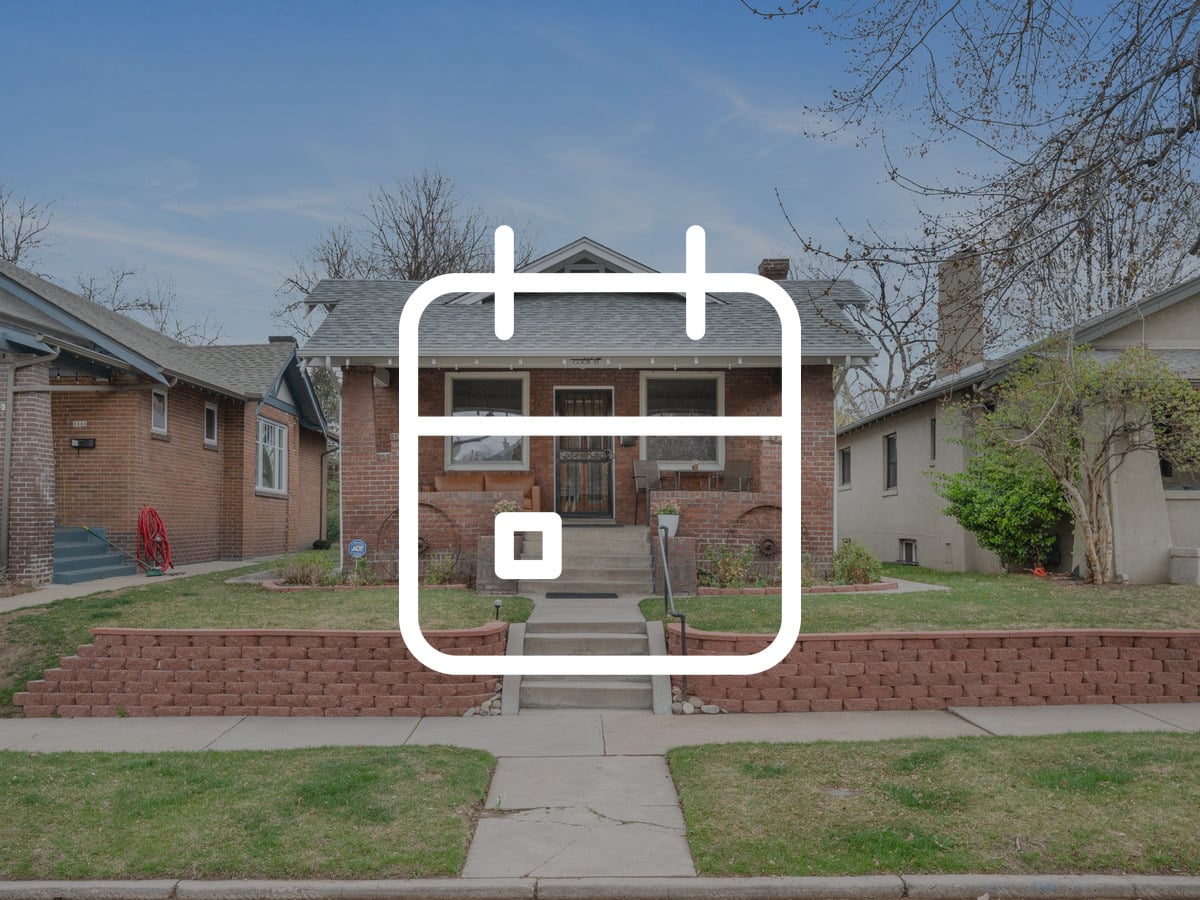
For most West Highland owners, yes. The neighborhood’s supply of pre-war homes near Highlands Square is effectively fixed, so it holds value better than the metro average when the wider Denver market softens. Waiting only helps in a few specific situations.
“Is now a good time to sell?” is a question about the metro, and West Highland does not behave like the metro. It is a small, land-locked neighborhood of largely 1900s to 1930s housing between Federal and Sheridan, with almost no room left to build. New supply arrives one scrape at a time, and the buyers who want to live near Highlands Square cannot simply go buy the same thing a mile away.
That structure changes the answer. In neighborhoods with elastic supply, a softening market means sellers competing with new inventory. In West Highland, a softening market mostly means the buyer pool gets more patient and more selective, which is a different problem with a different solution.
So the useful version of the question is not whether the market is good. It is whether your particular house, in its particular condition, is ready to meet a selective buyer. Here is the honest case on both sides.
Why West Highland does not track the metro averages
Most Denver market commentary is metro-wide, which blends downtown condos, far-suburban new construction and century-old inner-city housing into one number. That number is close to meaningless for a bungalow on Meade Street.
West Highland’s supply constraint is the whole story. The neighborhood is built out. Its inventory is finite, its lots are small and consistent, and the commercial spine at 32nd and Lowell is walkable from most of it. Parts of the surrounding Highlands sit inside designated Denver landmark districts, where exterior changes go through design review, which further limits how much the housing stock can change.
The practical effect is that demand here is less price-elastic than it is in the suburbs. When rates rise, a buyer priced out of a $1.1 million West Highland home does not usually buy a $1.1 million home in Aurora. They wait, or they stretch. That keeps a floor under well-presented homes even in slower stretches, and it is the main reason a metro-wide “bad time to sell” headline should not drive your decision.
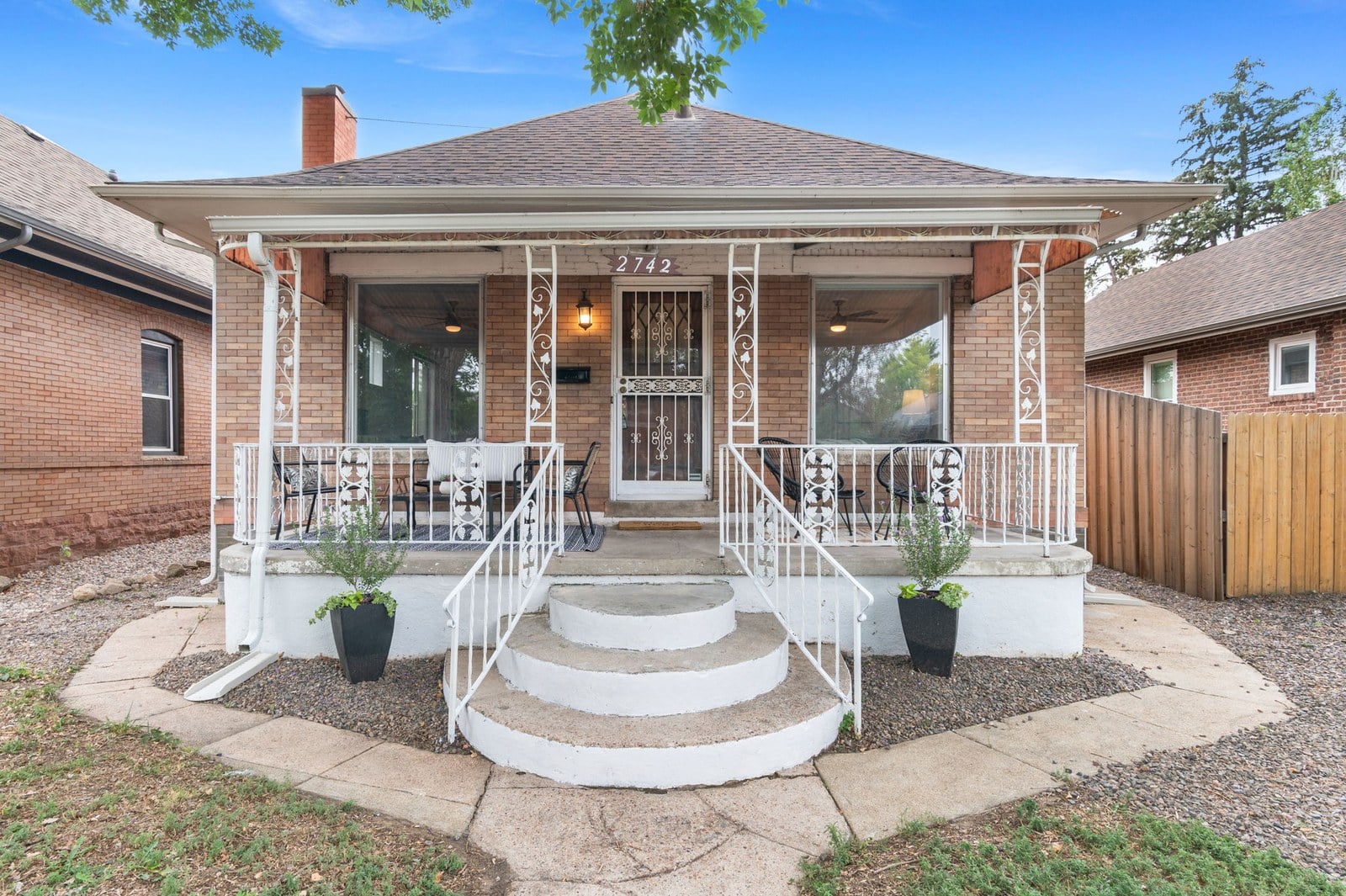
The case for listing now
The strongest argument is competition, or the lack of it. A West Highland seller is competing against a handful of genuinely comparable homes, not dozens. If your house is in good condition and priced sensibly, you are one of a small number of options for everyone who has decided this is the neighborhood.
The second argument is that the buyer pool here is unusually committed. People shopping West Highland are typically buying the location first and the house second. They have often been looking for months, they know what a fair price looks like, and they move quickly when the right home appears. That is a good pool to sell into.
The third is simply that waiting is not free. Carrying costs, deferred maintenance and the tendency of a “we’ll sell next spring” plan to become “we’ll sell the spring after” all have a price. If your reason for moving is real, a market that rewards good condition is a reasonable market to sell into.
The narrower case for waiting
There are situations where waiting genuinely helps. The clearest is when your house needs work you can actually do. A West Highland home with a dated but sound kitchen, tired paint and rough landscaping will underperform in a selective market, and three months of targeted cosmetic work will usually return more than it costs. That is a real reason to wait.
The second is timing you cannot control: a pending permit, a lease you need to see out, an addition being finished. Listing mid-project rarely goes well, because buyers price uncertainty conservatively.
The third is when you have not decided where you are going. Selling into a market where you will then have to buy, without a plan for the buy side, is how people end up making a rushed second decision. That is worth sorting out first.
What is not a good reason to wait is a headline. National coverage of the housing market is describing an average that West Highland is not part of.
What West Highland buyers actually scrutinize
Buyers here are sophisticated about old houses, which cuts both ways. They will forgive a small kitchen and an awkward floor plan far more readily than they will forgive systems they do not trust.
- Sewer laterals, which on homes of this era are often original clay tile.
- Foundation, grading and drainage, particularly on homes with finished basements.
- Electrical, and whether any knob-and-tube remains in circuit.
- Whether pop-tops, additions and basement finishes were permitted and done well.
- Off-street parking, alley access and what the garage situation actually is.
Radon belongs on that list too. It is common throughout Colorado, and the state health department treats 4 pCi/L as the action level. A mitigation system is inexpensive relative to the transaction and removes the objection before it is raised.
Sellers who scope the sewer and pull permit history before listing consistently negotiate better than sellers who learn about a problem in the middle of an inspection period. It costs a few hundred dollars and it changes the shape of the negotiation.
Does the month matter?
Less than people think, and less here than almost anywhere in the metro. Denver has a real seasonal rhythm, with the deepest buyer pool from late winter through early summer, but West Highland’s inventory is thin enough year-round that a good home in October is not competing with much. The Denver Metro Association of Realtors publishes monthly market trends reports if you want to see where the current season sits.
What matters more than the calendar is being genuinely ready when you go live. Our seller’s guide walks through that sequence in order. The first ten days carry most of the attention a listing will ever get, and a home that goes on the market before the photography, the paint and the pricing are right spends that attention badly. If choosing between listing next week unprepared and listing in six weeks ready, take the six weeks.
Frequently Asked Questions
Is now a good time to sell a home in West Highland?
For most owners, yes. The neighborhood’s fixed supply of pre-war homes near Highlands Square means you are competing with very few genuinely comparable listings, and the buyer pool is committed to the location. Waiting mainly makes sense if your home needs cosmetic work first, or if you have not sorted out where you are going next.
How much should I do to the house before listing?
Cosmetic work, not renovation. Paint, refinished floors, landscaping, lighting and decluttering carry most of the return in this neighborhood. Full kitchen or bath remodels done specifically to sell rarely pay for themselves. Buyers here expect a hundred-year-old house to look its age in some respects; they do not expect it to look neglected.
Will my home be compared to new construction?
Only loosely. Scrape-off new builds and duplexes do sell in and around West Highland, but they attract a partly different buyer. Someone specifically shopping for a 1920s bungalow with a porch is not usually cross-shopping a new duplex, which is why pricing off a nearby new build is a common and expensive mistake.
What if I am in a historic district?
Designated districts in and around the Highlands carry design review for exterior changes, which affects what a buyer can do and should be disclosed clearly. In practice it narrows the buyer pool slightly and reassures the rest, since it protects the streetscape they are buying into. Check your specific address rather than assuming.
How long will it take to sell?
Well-priced, well-presented homes in this part of northwest Denver generally move faster than the metro average. Homes priced on hope sit anywhere, including here. The right expectation comes from a block-level analysis of what has actually sold recently, not from a metro figure, and it starts with an honest read on what your West Highland home is worth.
Should I sell before I buy?
Usually, unless you can comfortably carry both payments. Selling first gives you a firm number and makes your next offer far stronger. Buying first is workable with the liquidity to absorb an overlap, and it is worth modeling both before committing.
A note on scope
This is general information about selling a home in Denver’s West Highland neighborhood, not legal, tax or financial advice. Landmark rules, disclosure obligations and tax treatment vary by property, so confirm the specifics with an attorney, a CPA or the city.
If you want to know what your own block is doing rather than what the metro is doing, reach out. Jason Sirois is a Denver Realtor with FORM at Compass Denver and an Applewood resident, and a conversation about what your home would do on the market carries no obligation to list.