


Moving from NYC to Denver mostly means trading transit and density for space and sunshine: your housing dollar buys square footage rather than location, you will almost certainly need a car, and the altitude takes a season to get used to.
New Yorkers arrive in Denver with a fairly consistent set of expectations, and about half of them turn out to be wrong. The city is cheaper, but not uniformly and not in the ways people assume. It is outdoorsy, but most of the good outdoors is an hour or two west. It is walkable, but only in specific neighborhoods, and the definition of walkable is different from the one you have been using.
The move itself is usually the easy part. The adjustment that takes longer is recalibrating what things cost, how far away things are, and what a normal week looks like when you are not organizing your life around a subway line.
Here is what is worth knowing before you sign anything, drawn from working with buyers who have made this exact move. If you are further along and mostly want to know how to run the search remotely, we covered that separately in choosing a relocation Realtor for a NYC to Denver move.
What your housing budget actually buys
The headline comparison is friendlier than most people expect, but it is lopsided. Over the 2020 to 2024 American Community Survey period, the Census Bureau put the median value of an owner-occupied home at roughly $616,000 in Denver against about $778,000 across New York City as a whole, and median household income higher in Denver than in New York. Owner-occupancy tells the same story: close to half of Denver households own, against roughly a third in New York City.
Rent is the surprise. Median gross rent across the two cities over that period was effectively the same. If you are renting a one-bedroom in Queens and expecting Denver to halve your housing cost, it will not. What changes is what you get for the money and, more importantly, what buying looks like. Ownership is a realistic goal for a much wider band of households here, and that is the actual financial difference.
Bear in mind that “New York City” in these figures includes all five boroughs. If you are coming from Manhattan or brownstone Brooklyn, the gap you personally experience will be far wider than the citywide numbers suggest.
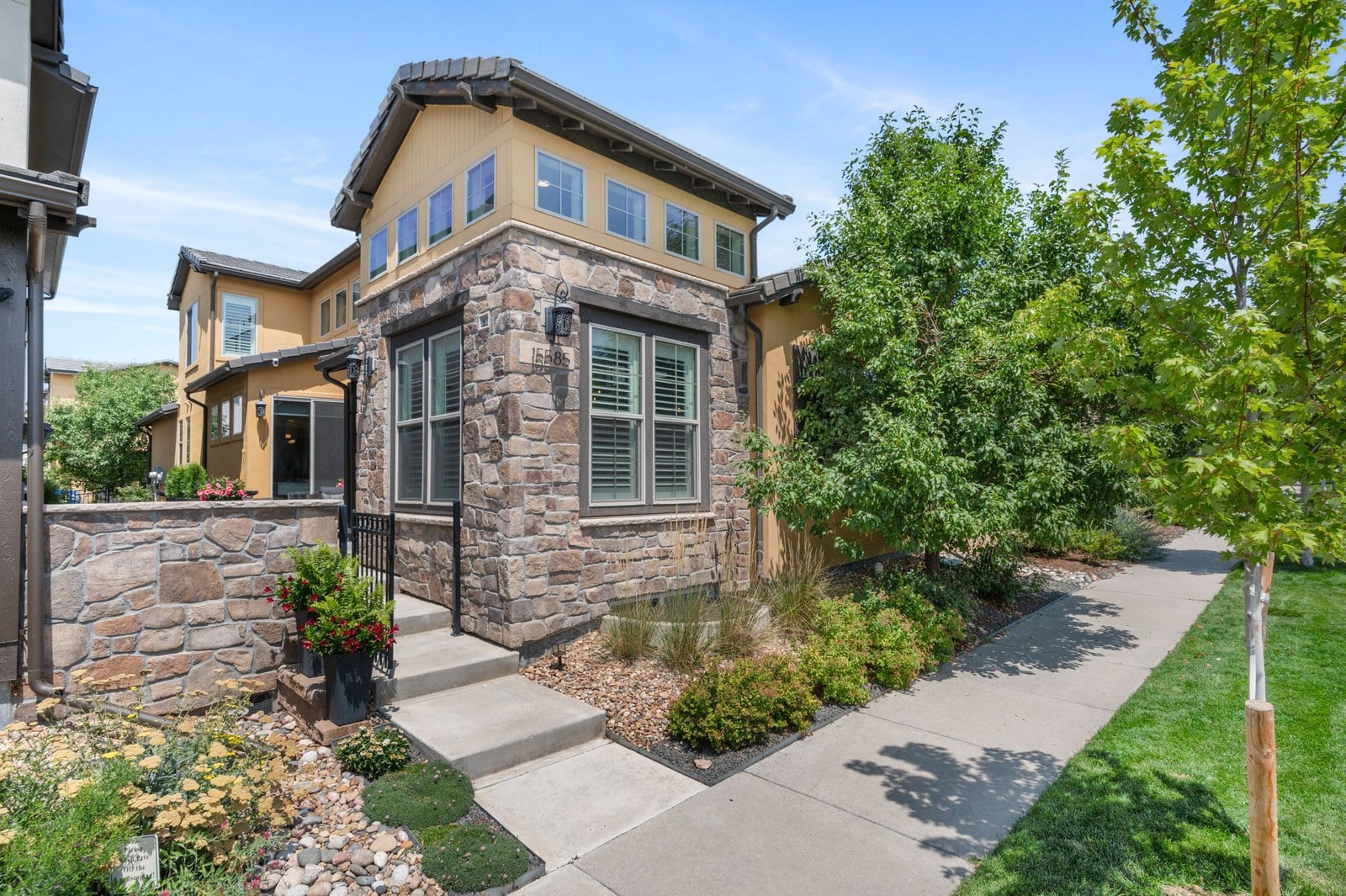
You will need a car, and the commute math changes
Denver has light rail and buses, and a handful of neighborhoods where you can genuinely run daily errands on foot. But the system is built around getting people downtown, not around getting people to each other, and coverage thins quickly outside the core. Most households here own at least one car, and plenty own two.
The upside is that the commute itself is short. Denver’s average travel time to work over that same 2020 to 2024 period ran roughly fifteen minutes shorter than New York City’s. Fifteen minutes each way, twice a day, is a meaningful amount of life back, and it is the single change most transplants mention first.
The trade is that spontaneity costs more. A drink after work is a driving decision. Getting to the mountains on a Saturday means leaving early enough to beat I-70. Neither is bad, but both take planning in a way that a subway city does not.
Which Denver neighborhoods click for New Yorkers
The transplants who settle in fastest are usually the ones who buy walkability rather than square footage. Denver’s pre-war streetcar neighborhoods are the closest analogue to what you are leaving: small lots, front porches, alleys, and a commercial street you can walk to.
West Highland and the surrounding Highlands, along with Berkeley, Sunnyside and Sloan’s Lake, are where most former New Yorkers land. Highlands Square and Tennyson Street function like a neighborhood main street, the housing is largely 1900s to 1930s brick, and you can live there without driving every day. Wash Park and Cory-Merrill do the same thing on the south side, with bigger lots and a different feel.
If space is the priority instead, the west metro delivers it. Applewood, Wheat Ridge and parts of Lakewood get you a real yard, a garage and a shorter drive to the foothills, at the cost of the walkable commercial street. Most people know which of those two they are within about a weekend of looking.

Altitude, sun, and the weather nobody warns you about
Denver sits at 5,280 feet, and the first few weeks are genuinely different. Expect to sleep worse, drink more water, and find your usual run harder than it should be. It passes, mostly within a month or two, but it is real and it catches people off guard.
The air is dry year-round, which most New Yorkers love in July and find annoying in January. The sun is relentless and the winters are far milder than the reputation suggests, with warm stretches between storms rather than a grinding gray season. What you should plan for instead is hail. Front Range hailstorms damage roofs and cars regularly enough that roof age and insurance history are worth asking about on any house you like.
Taxes, closing, and the monthly math
Colorado charges a flat 4.4 percent individual income tax, with no separate city income tax. New York layers a graduated state tax and, for city residents, a separate New York City resident income tax on top of it. For most households making this move, the take-home difference is not trivial.
Property tax works differently too. Colorado assesses residential property at a fraction of its market value before the mill levy applies, which is why the tax bill on a Denver home is usually lower than a New Yorker anticipates from the purchase price alone. Insurance runs the other way: hail exposure means premiums here are higher than many transplants budget for. Get a real quote before you write an offer, not after.
None of that is tax advice, and your situation will differ. It is worth an hour with a CPA who works in both states before you finalize a move.
A first ninety days checklist
- Register your vehicle and get a Colorado driver’s license within the statutory window after establishing residency.
- Get an insurance quote on any house you are serious about, and ask the seller for the roof’s age and claim history.
- Test for radon, or check whether a mitigation system is already installed.
- Figure out your winter tire or all-weather plan before the first mountain trip, not during it.
- Pick a grocery, a coffee shop and a trailhead within fifteen minutes of home. It is the fastest way to feel settled.

Frequently Asked Questions
Is Denver actually cheaper than New York?
For buying, substantially. For renting, barely. Census data over the 2020 to 2024 period put median gross rent almost identical between the two cities, while median home values ran meaningfully lower in Denver and median household income ran higher. The real gain is that ownership is achievable for far more households here.
Can I live in Denver without a car?
In a handful of neighborhoods, yes, if you work downtown or remotely. The Highlands, Capitol Hill, Wash Park and parts of central Denver support it. Almost everywhere else assumes a car, and the mountains definitely do. Most one-car households manage fine; zero-car takes deliberate neighborhood choice.
How long does it take to adjust to the altitude?
Most people feel noticeably better within two to four weeks and fully adjusted within a couple of months. Hydration helps, alcohol hits harder at first, and hard exercise is best eased into. If symptoms are severe or persistent, that is a conversation for a doctor rather than a Realtor.
Which Denver neighborhood is most like Brooklyn?
The Highlands is the usual answer, and it holds up reasonably well: pre-war housing, a walkable commercial spine, and a mix of original homes and newer infill. It is smaller and quieter than anything in Brooklyn, but the daily rhythm is closer than anywhere else in the metro.
Should I rent first or buy right away?
Renting for six months is a defensible choice if you have no feel for the neighborhoods, because the differences between them are larger than they look online. Buying immediately makes sense if you have already spent time here and know what you want. Both work; the mistake is buying in a neighborhood you have only seen in photos.
Can I buy a Denver home before I move?
Yes, and plenty of people do. It requires video tours, an agent willing to walk properties on your behalf and describe them honestly, and a plan for inspection and closing from a distance. Ask any agent you interview how many remote buyers they have actually closed.
A note on scope
This is general information about relocating from New York City to Denver, not legal, tax, financial or medical advice. Tax treatment, residency rules and insurance requirements vary by situation, so confirm the specifics with the appropriate professional.
When you are ready to look at neighborhoods properly, our buyer’s guide covers the Colorado process end to end. Jason Sirois is a Denver Realtor with FORM at Compass Denver and an Applewood resident, and he works with relocating buyers across the west and central metro. Get in touch and we can build a scouting trip around how you actually spend your weekends.