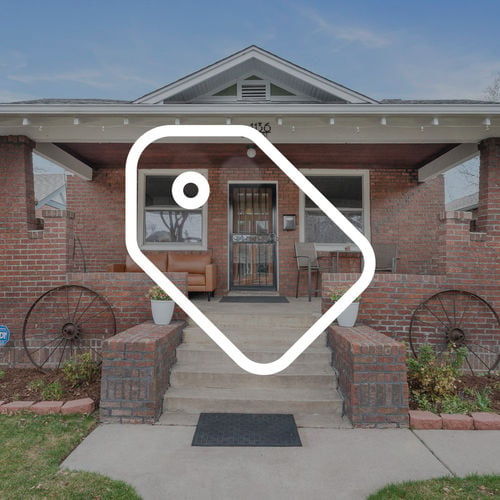


The best relocation Realtor for an NYC to Denver move is a Denver-based agent who knows the neighborhoods block by block and runs a real remote-buyer process — video tours, offers from afar, and a local team you never fly out to meet.
Moving from New York City to Denver is one of the bigger lifestyle swaps a buyer can make, and it usually happens on a compressed timeline: a job start date, a lease ending, a family plan with a sudden deadline. You are choosing a neighborhood in a metro you may have visited once or twice, from 1,800 miles away, while still living your NYC life — a very different job than buying a home you can walk to on a Saturday.
So the real question is not which agent has the flashiest bio — it is which agent is genuinely built to help an out-of-state buyer make a confident local decision. A great relocation Realtor closes the distance: they translate what you love (or want to leave) about New York into specific Denver blocks, run tours you can trust over video, and quarterback the lender, inspector, and closing while you are still packing boxes back east.
This guide covers what “best relocation Realtor” actually means for an NYC-to-Denver buyer, how the move differs on the ground, which neighborhoods fit which New York lifestyles, and how the remote purchase works. Jason Sirois, a Denver Realtor with FORM at Compass Denver and a longtime Applewood resident, does this work regularly.
- Translates your NYC priorities — walkability, commute, space, outdoor access — into specific Denver neighborhoods
- Runs honest live video tours and sends unedited walk-throughs, not just listing photos
- Knows local pricing well enough to guide offers you make from another state
- Connects you to a vetted lender, inspector, insurance, and movers
- Coordinates inspection and closing remotely, including mail-away notarization
- Flags neighborhood realities — noise, parking, altitude, HOA rules — before you commit
- Stays reachable across the two-hour time difference
What “best relocation Realtor” really means for a remote buyer
For a local buyer, “best” often means sharpest negotiator. For a remote buyer, the definition shifts: the best relocation Realtor is the one who reduces your uncertainty. Because you cannot pop by a listing after work, you rely almost entirely on your agent’s eyes and local knowledge.
That starts with neighborhood fluency. A strong Denver agent can tell you why Berkeley feels different from Wash Park, which streets get afternoon shade, where the rail helps your commute, and which pockets stay lively after dinner. Those distinctions are invisible in a listing feed but decide whether you are happy a year later.
It also means communication built for distance. Look for an agent who returns calls promptly across the time difference, sends video the same day a home lists, and is candid when a place is wrong for you — a relocation specialist should talk you out of homes as often as into them. When you interview agents, ask how they handle out-of-state buyers: how they tour, write offers remotely, and who is on their local team. FORM’s Perfect Home Finder maps your criteria before you ever board a plane.
How the NYC-to-Denver move actually differs
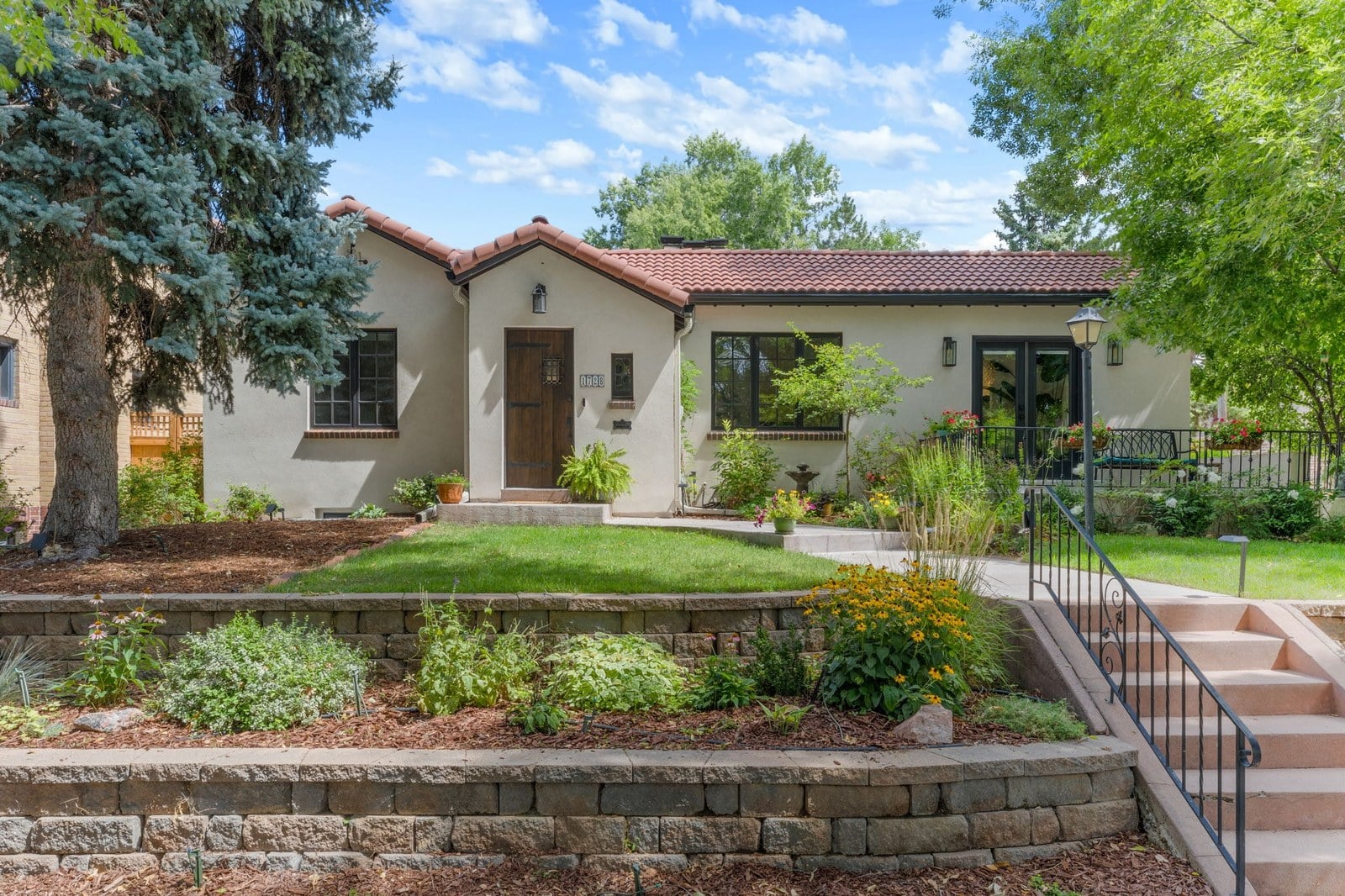
The lifestyle shift from New York to Denver is real, and naming it early helps you choose the right neighborhood. In most of NYC you do not own a car; in Denver, most households do, even those who bought specifically for walkability. Denver has genuinely walkable pockets, but it is a car-and-transit metro, not a subway-first city. Regional Transit District (RTD) runs buses plus 10 rail lines across the metro, including a train from downtown to Denver International Airport — useful, but not a stand-in for the subway.
The trade you are often making is density for space. Apartments give way to houses with yards; a stoop becomes a backyard and a garage. Even buyers who want a walkable core get more square footage than a comparable New York footprint. Denver’s biggest draw is the outdoors — quick access to the foothills, trails, and mountains. Housing and cost-of-living comparisons run in Denver’s favor against Manhattan or Brooklyn on most measures, though they vary by neighborhood; the U.S. Census Bureau’s Denver QuickFacts is a current place to sanity-check the raw numbers.
Matching NYC lifestyles to Denver neighborhoods
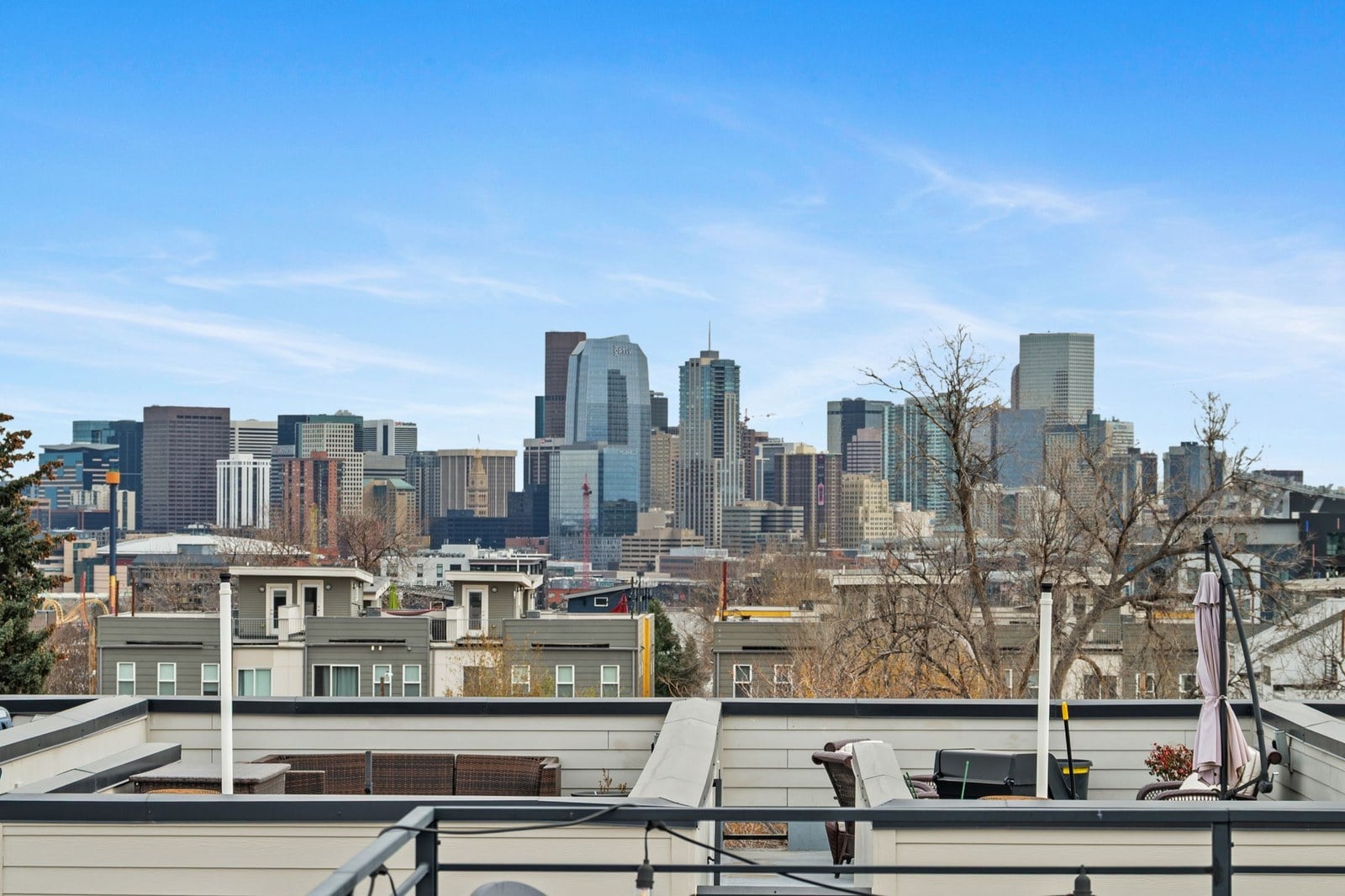
The fastest way to feel at home is to match what you valued in New York to the Denver neighborhood that delivers it. If walkability, restaurants, and lively streets topped your list, the close-in west and central neighborhoods land best. For city-feel walkability, look at Highland and LoHi, Berkeley and the Tennyson Street corridor, Wash Park, Cherry Creek North, Sloan’s Lake, and RiNo. These put cafes, restaurants, and shops within a stroll — the closest thing to a New York rhythm Denver offers, with far more daylight and elbow room.
If the move is really about space — a yard for kids or dogs, a garage, room for a home office — the near-west suburbs deliver more house and lot for the money while staying close to the action. Applewood, Wheat Ridge, and Lakewood sit minutes from central Denver and even closer to the foothills, which is why they appeal to transplants done with cramped square footage. Many NYC buyers split the difference: a walkable inner neighborhood for a couple, a roomier near-west community for a growing family. A local agent’s job is to pressure-test which side of that line you fall on.
The remote buying process, step by step

Buying from another state is routine when your agent has a system for it. First, you define criteria and get on a live MLS feed so you see homes the moment they list — speed matters in Denver’s better neighborhoods. When something fits, your agent tours it on live video and sends an unedited walk-through, narrating what photos hide: street noise, natural light, deferred maintenance.
When you are ready, you make an offer by e-signature — no flight required. If it is accepted, the inspection happens with your agent present and on video, so you can watch the important moments in real time. Closing can then be handled remotely or by mail-away notarization, so many buyers sign without setting foot in Colorado until move-in. A well-run relocation process keeps you informed at each handoff. FORM’s Chicago-to-Denver relocation guide walks through a similar remote timeline.
Building your Denver team and why local beats a national referral
A house is only part of the move. The right relocation Realtor hands you a vetted local team — a lender who understands Colorado loans, a thorough inspector, an insurance agent, and movers who handle long-haul jobs. For a buyer with no local network, that referral list removes the riskiest guesswork of the move.
This is also where local expertise beats a national relocation-referral service. Those services often route you to whichever agent paid for the lead, not the one who knows your target neighborhood — and they skim a fee that does nothing for you. A Denver agent who lives here and can tell Applewood’s ranches from Berkeley’s bungalows steers you around block-by-block pitfalls a call-center match never sees. When you are choosing sight-unseen, that depth beats a brand name — worth putting a local specialist on your side from day one.
Frequently Asked Questions
Can I buy a home in Denver before I move?
Yes, and many NYC transplants do. With a live listing feed, video tours, e-signed offers, and remote or mail-away closing, you can complete a purchase without relocating first. A local agent helps you sequence closing around your job start and lease end.
How do I pick a Denver neighborhood remotely?
Start from your New York priorities — walkability, commute, space, outdoor access — and let your agent map them to specific areas. Live video tours of the home and surrounding blocks, plus honest guidance on noise, parking, and daily rhythm, close most of the gap a listing photo leaves open.
Is Denver cheaper than New York City?
On most measures, yes — housing, everyday costs, and space generally favor Denver over Manhattan or Brooklyn, though it varies by neighborhood. Keep comparisons grounded in current data; the U.S. Census Bureau’s Denver QuickFacts is a reliable place to check the underlying numbers before you budget.
How long does a remote purchase take?
Once you are under contract, a typical Denver transaction runs about 30 to 45 days to close, similar to an in-person purchase. The search itself varies with inventory and criteria. A responsive agent and a ready lender keep a remote deal moving as fast as a local one.
Do I need a car in Denver?
Most households own one, even in walkable neighborhoods. RTD buses and rail cover key corridors and the airport, and central areas like LoHi or Cherry Creek North let you walk to daily needs. But Denver is not subway-first, so plan for car access for weekends and mountain trips.
Which Denver neighborhoods feel most like the city?
For a New York rhythm, look at Highland and LoHi, Berkeley and Tennyson, Cherry Creek North, Wash Park, Sloan’s Lake, and RiNo. They offer walkable streets, dense dining, and transit access — the closest Denver comes to city energy, with far more sunshine and room to breathe.
This article is general information for people relocating from New York City to Denver, not financial, tax, legal, or moving advice. Cost-of-living, transit, and market details change and vary by household — verify current specifics and consult qualified professionals before deciding.