

To price a home near Tennyson Street, start with recent nearby sales, adjust them for condition, lot size, and exact location, then weight the walkable-Tennyson premium. In Berkeley, block-by-block differences matter more than a neighborhood average.
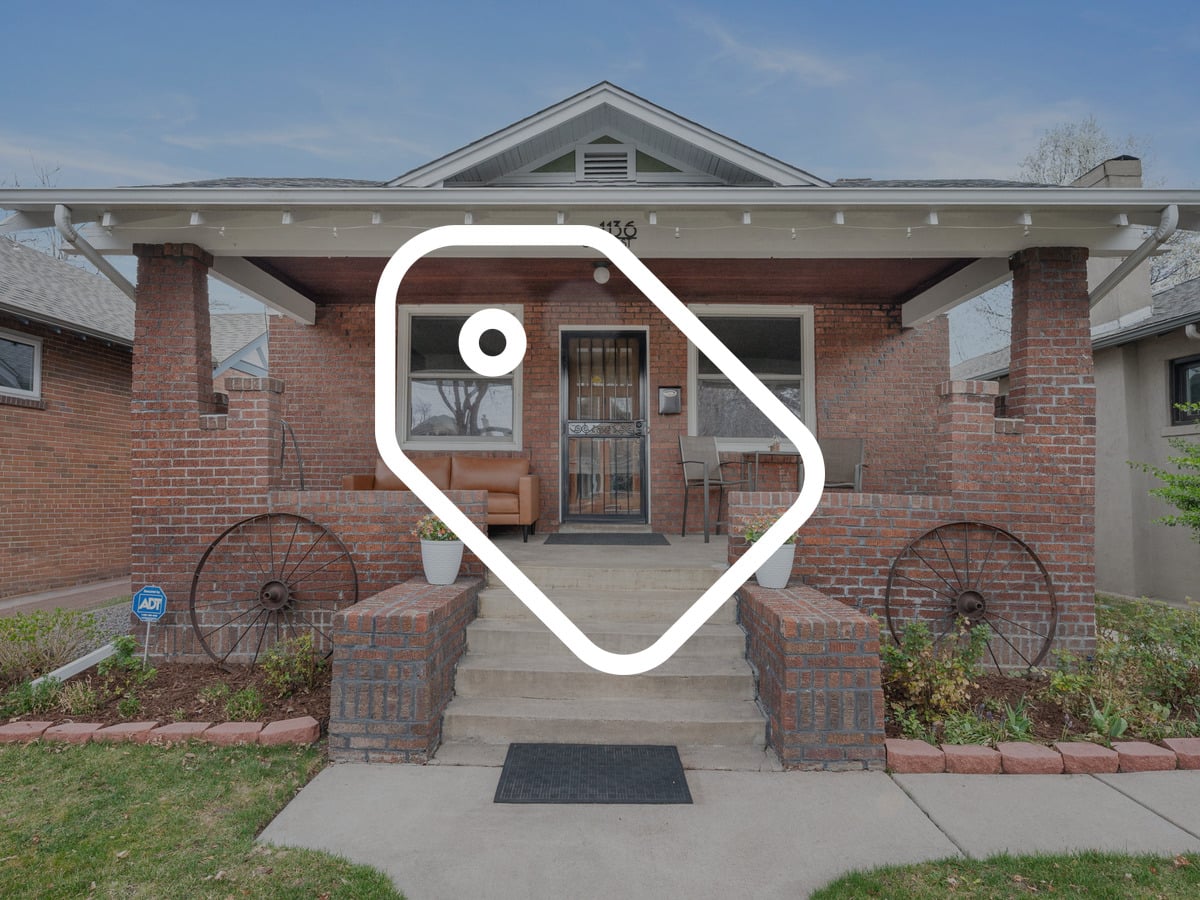
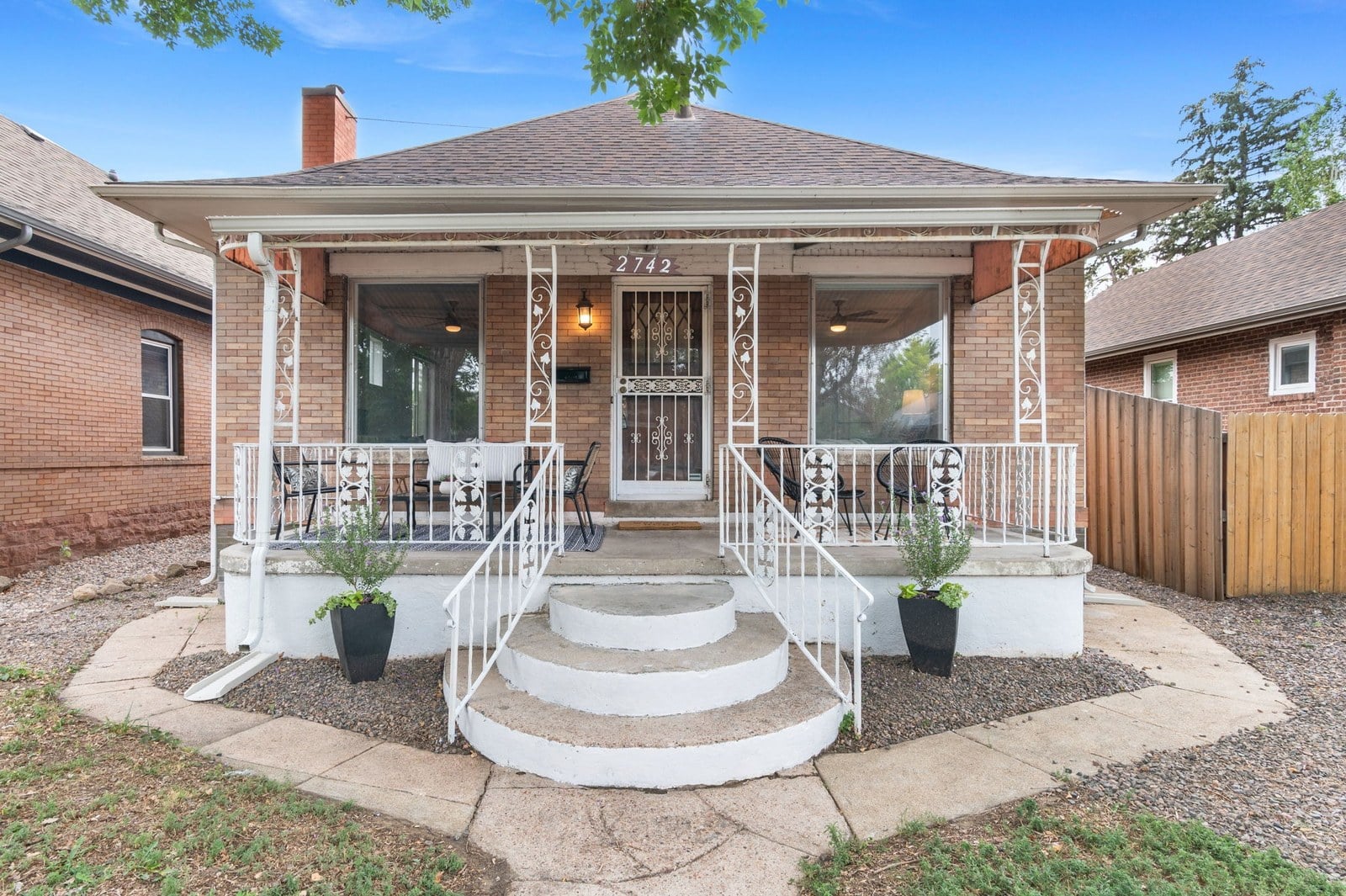
Berkeley is one of the harder northwest Denver neighborhoods to price with a broad brush, precisely because it has changed so much. Walk a few blocks off Tennyson Street and you pass 1900s–1940s brick bungalows and Denver squares next to pop-tops, scrape-and-build duplexes, and brand-new rowhomes. Two houses on the same street can be worth very different numbers because one was rebuilt to the studs while its neighbor kept its original kitchen.
That variety is the whole pricing challenge. A number that feels right for the “Berkeley market” in general can be well off for your specific address, lot, and level of updating. The commercial energy of Tennyson — restaurants, coffee shops, and storefronts within walking distance — adds real value, but that value fades block by block as you move toward Federal or Regis University.
So the goal is not to guess a headline figure. It is to build a defensible price from comparable sales, adjust honestly for what makes your property different, and choose a list-price strategy that fits current conditions.
- Pull three to six recent comparable sales within a few blocks — not just anything with a Berkeley address.
- Match property type: bungalow, pop-top, or new build each trades in its own lane.
- Adjust for condition and updates, especially kitchens, baths, and systems.
- Account for lot size and whether the lot has redevelopment potential.
- Weight walkability to Tennyson and proximity to Berkeley Lake and Rocky Mountain Lake parks.
- Choose a list-price strategy — at, above, or below value — based on current demand.
- Check current metro trends before setting the final number.
How comparable sales work near Tennyson
Comps are the foundation of any credible price, but in Berkeley “comparable” has to be taken literally. A sold home three blocks away is only a comp if it resembles yours in the ways buyers pay for: property type, square footage, condition, lot, and closeness to Tennyson’s commercial core. A new-build rowhome tells you almost nothing about the value of an original 1920s bungalow, even on the same street.
The best comps are recent — ideally the last few months, since Denver’s market shifts over a season — and geographically tight, because Berkeley’s value gradient changes quickly east to west. When there are not enough perfect matches nearby, take the closest sales and adjust each one up or down for its differences from your home rather than reaching for a distant “similar” house. Active listings and pending sales matter too: they show what your home will compete against and where demand is trending now.
What drives value block by block
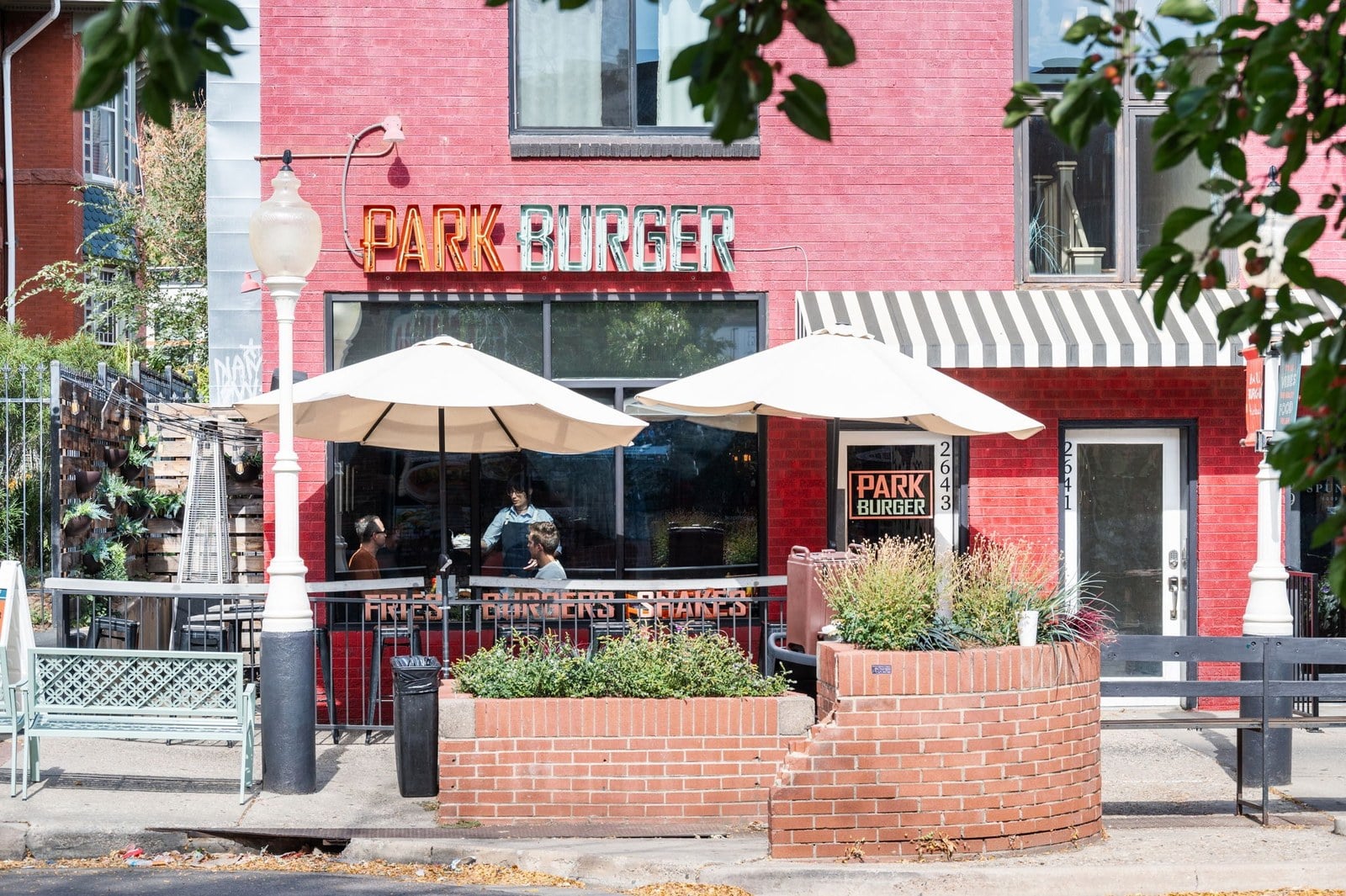
Berkeley rewards a granular read. Walkability to Tennyson is the clearest premium: homes a short stroll from the shops and restaurants generally command more than otherwise-identical homes several blocks removed, and that gap narrows the farther you get from the spine. Proximity to Berkeley Lake Park and Rocky Mountain Lake Park adds a similar lift.
Property type is the next big lever. Original bungalows and Denver squares, pop-tops, and ground-up new construction each attract different buyers and price on different logic — charm versus space and modern systems. Lot size and shape matter as much as the house where redevelopment is active: a wide or deep lot can carry value beyond the existing structure because of what could be built. Smaller factors add up too — a quiet block, off-street parking, and a usable yard all move the number. This is why a single per-square-foot figure for “Berkeley” misleads; the same footage prices differently one block over.
Condition and updates: how they move price
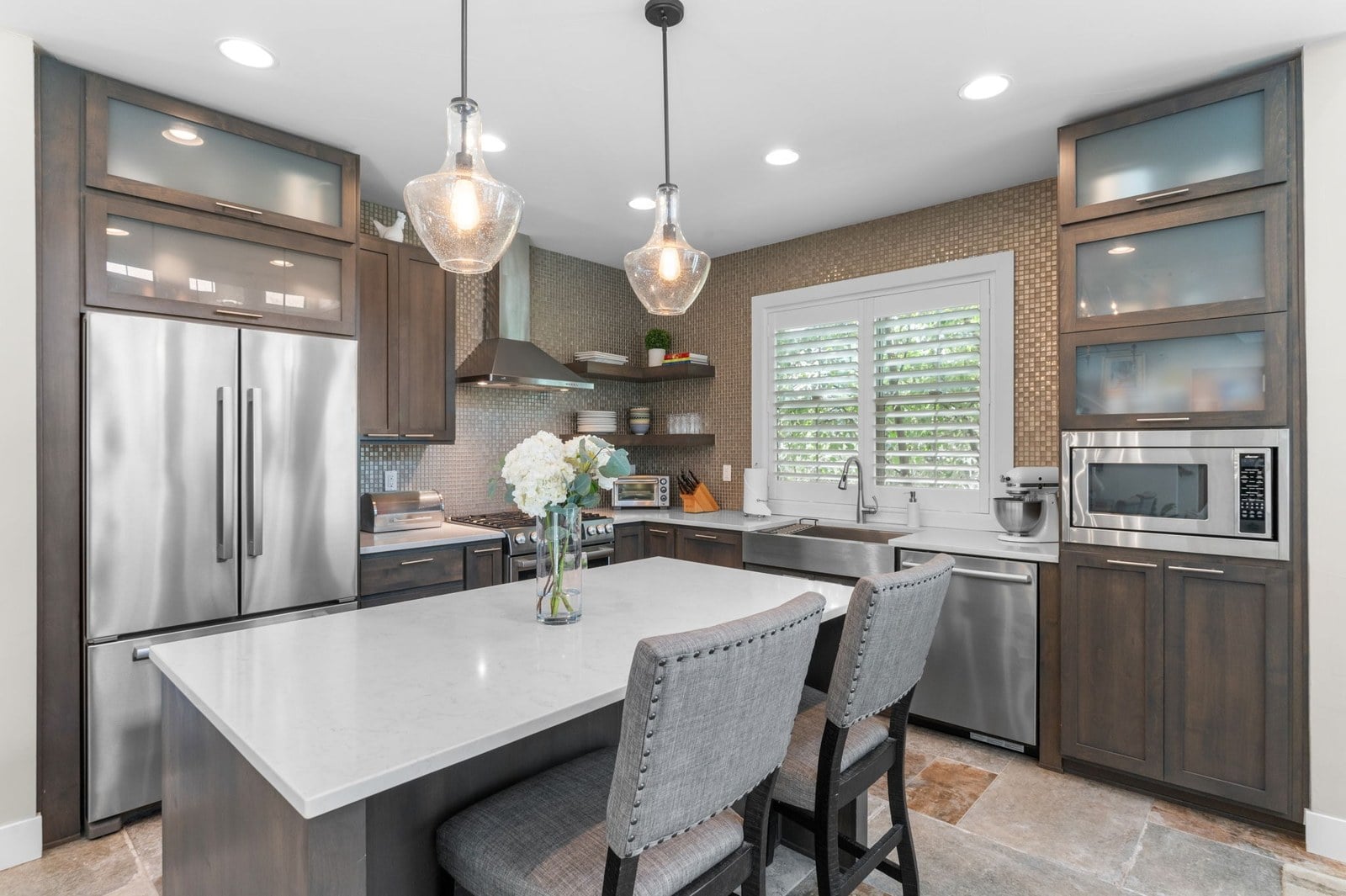
Condition is where sellers most often misjudge their own homes. Buyers pay a premium for move-in-ready and discount heavily for deferred maintenance and dated finishes, but the return on updates is uneven. Kitchens and bathrooms influence buyer perception the most, followed by big-ticket systems — roof, furnace, sewer line, electrical — common concerns in Berkeley’s older housing stock.
Not every dollar spent comes back at sale. The annual regional Cost vs. Value report consistently shows that modest, well-chosen improvements recover more of their cost than large luxury renovations. For an original Berkeley bungalow, the highest-return path is usually clean and functional — fresh paint, refinished floors, working systems — rather than a partial gut that leaves the home stuck between vintage and modern. Price a renovated home against renovated sales and an original one against original sales, letting the buyer budget for the work. Trying to capture new-build pricing on an un-updated home is the fastest way to sit on the market.
List-price strategy and Denver seasonality
Once you have a supported value, you still choose how to present it. Pricing right at market value tends to draw the broadest buyer pool and the most reliable showings. Pricing slightly below value can, in a competitive stretch, invite multiple offers that bid the number back up. Pricing above value is the riskiest move: it narrows your audience, and the longer a home lingers, the more buyers assume something is wrong — often forcing a cut that nets less than a correct start would have.
Timing plays a role too. Denver’s market has a seasonal rhythm, with spring and early summer typically busier than the depths of winter, though demand in a walkable neighborhood like Berkeley holds up better than in many areas. Rather than rely on the calendar alone, check where the metro is now: the DMAR Market Trends Reports track monthly inventory, price, and days-on-market across the Denver area, and our look at how long homes are taking to sell in Berkeley adds local context.
Common mispricing mistakes
A few patterns show up again and again. The first is anchoring to a neighbor’s list price instead of actual sold prices — a list price is an asking number, not proof of value. The second is over-crediting your own updates, especially partial renovations that do not fully modernize the home. The third is ignoring the block-level difference between your address and the comp you are leaning on, treating a Tennyson-adjacent sale as if it applies four blocks away. The fourth is pricing for the market you remember rather than the one in front of you, which is why current active and pending listings matter as much as recent solds. Underneath most of these sits emotional attachment: the years lived in a home are real, but a buyer will not pay for them.
Who should get a professional CMA
If your home is a clean textbook match to several recent nearby sales, you can get close on your own. Most Berkeley homes are not that simple. An original bungalow surrounded by new builds, an unusually large or redevelopable lot, a mix of updated and original spaces, or an address in the fuzzy middle between walkable-premium and standard blocks all make a professional comparative market analysis worth it. Jason Sirois, a Denver Realtor with FORM at Compass Denver and an Applewood resident, prepares Berkeley pricing analyses that weigh these factors against address-specific data. To sketch a starting point first, our home sale calculator is a useful gut check before a CMA.
Frequently Asked Questions
Does being near Tennyson Street add value?
Generally, yes. Homes within walking distance of Tennyson’s shops and restaurants tend to command a premium over otherwise-similar homes farther away. The effect is strongest near the commercial core and tapers toward Federal or up toward Regis, so the exact block matters.
Should I price high and negotiate down?
Usually not. Overpricing shrinks your buyer pool and can leave a home sitting, which signals a problem and often forces a price cut that nets less than a correct start would have. Pricing at supported value typically draws more activity and stronger offers.
How do I price a remodeled home versus an original bungalow?
Price each against its own kind. Compare a renovated home to other renovated sales and an original bungalow to other original sales, then adjust for the specifics. Trying to get new-build pricing on an un-updated home usually backfires; buyers will budget for the work.
Does a bigger lot always mean more money?
Not automatically, but in Berkeley lot size often carries extra weight because of redevelopment potential. A wide or deep lot can add value beyond the existing house. Shape, location, and zoning all factor in, so a bigger lot helps most when it opens real options.
How fast do Berkeley homes sell?
It depends on price, condition, and the moment in the market, and timelines shift with Denver’s seasons. A well-priced, updated home in a walkable spot tends to move faster than an overpriced or dated one. Check current metro data rather than assuming a pace.
Can I rely on an online home value estimate?
Use it as a rough starting point, not a final price. Automated estimates struggle with Berkeley’s block-by-block variation and its mix of original and rebuilt homes, and they cannot see your condition or exact location the way an agent walking your street can.
This article is general information, not an appraisal or financial advice. Every home prices differently based on its condition, lot, and exact location, and the market changes month to month. Before setting a list price, verify current comparable sales with a licensed local agent who knows your block.