

A Berkeley home in Denver is worth what recent comparable Berkeley sales support once they are adjusted for its era, size, condition, lot and block, which is why a monthly median or an online estimate can land far from your number in either direction.
Berkeley owners have more data in front of them than ever. Monthly market reports, app estimates and neighbor gossip all produce a number, and they rarely agree. That is not because any one of them is wrong. It is because Berkeley’s housing stock is unusually varied, and a single figure averaged across it says very little about one specific house.
The neighborhood sits between West 38th Avenue and I-70, from Federal Boulevard west to Sheridan Boulevard. Inside those lines you will find early 1900s bungalows and cottages, postwar brick homes, pop-tops and contemporary rebuilds, some backing to Berkeley Lake Park or Rocky Mountain Lake Park and some a short walk from the Tennyson Street Cultural District. Each of those is a different product with a different pool of comparable sales.
This post explains how value is actually set in Berkeley, why the headline numbers can mislead, what moves a valuation up or down, and how to get a figure you can make decisions with. It draws on the experience of Jason Sirois, a Denver Realtor with FORM at Compass Denver and an Applewood resident who works throughout northwest Denver.
Why the Berkeley Median Can Mislead You
Berkeley is a small neighborhood, and in a typical month only a modest number of homes close. When the sample is that small, the median price moves with whichever homes happened to sell. A month heavy with new construction pushes the median up; a month of original bungalows pulls it down. In FORM’s Berkeley August market update, the median close price moved by more than a quarter of a million dollars from one month to the next.
The same report shows another pattern worth knowing: Berkeley’s average sale price usually sits well above its median. That gap is the signature of a neighborhood where a smaller number of large, newer homes sell for far more than the typical house. If you own an original bungalow, the average describes a different kind of property. If you own a recent rebuild, the median understates you.
Monthly figures are still useful for direction, such as whether inventory is building or homes are taking longer to go under contract. They are not a price for your home.
One Block, Three Different Values
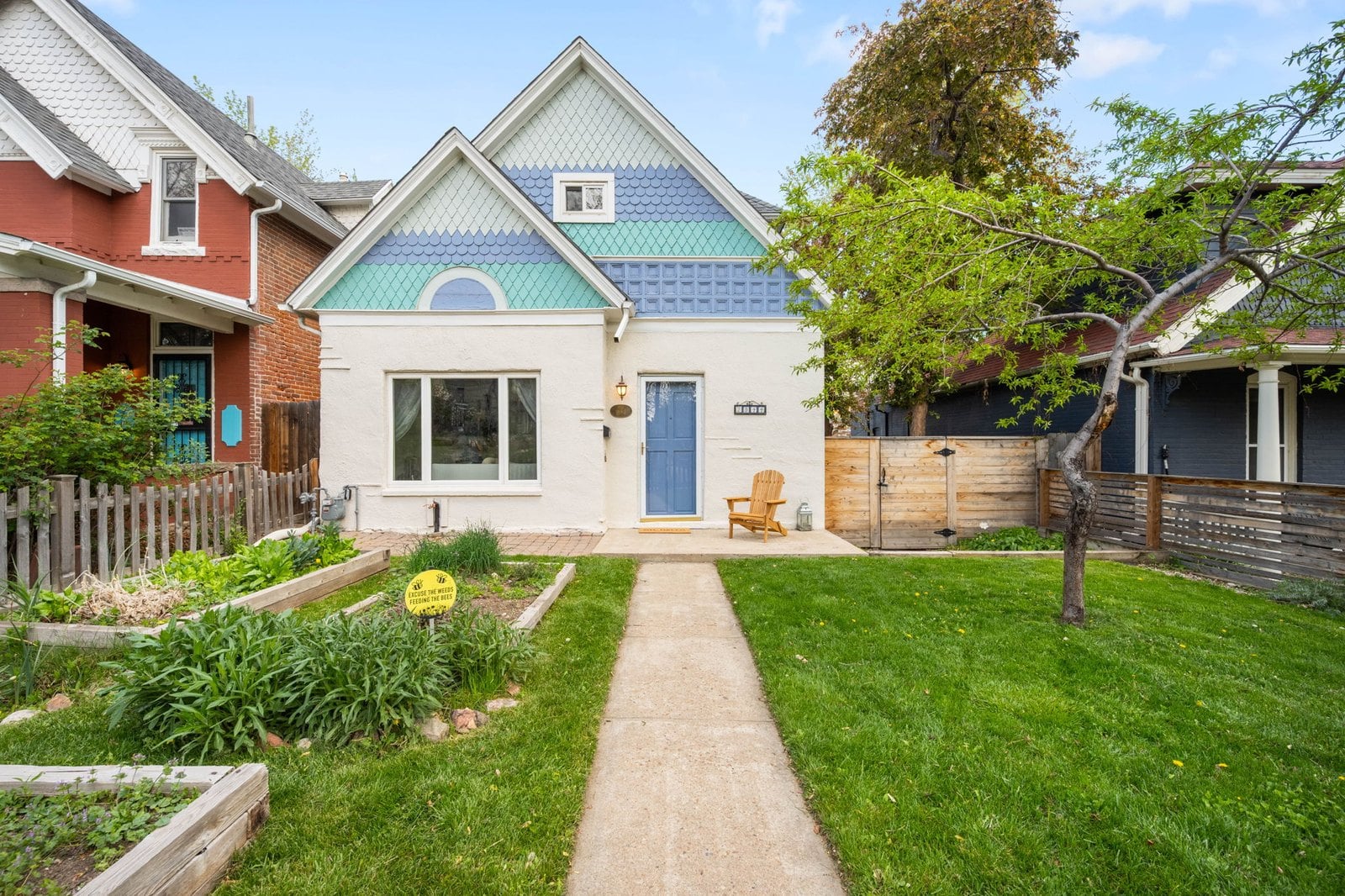
Walk almost any Berkeley block and you can see why comparable sales have to be chosen carefully. An original 1920s cottage on a full lot, a postwar brick home with a finished basement, and a three-story contemporary built within the last decade can sit side by side. A buyer for each is weighing different things, and each should be valued against sales of its own type.
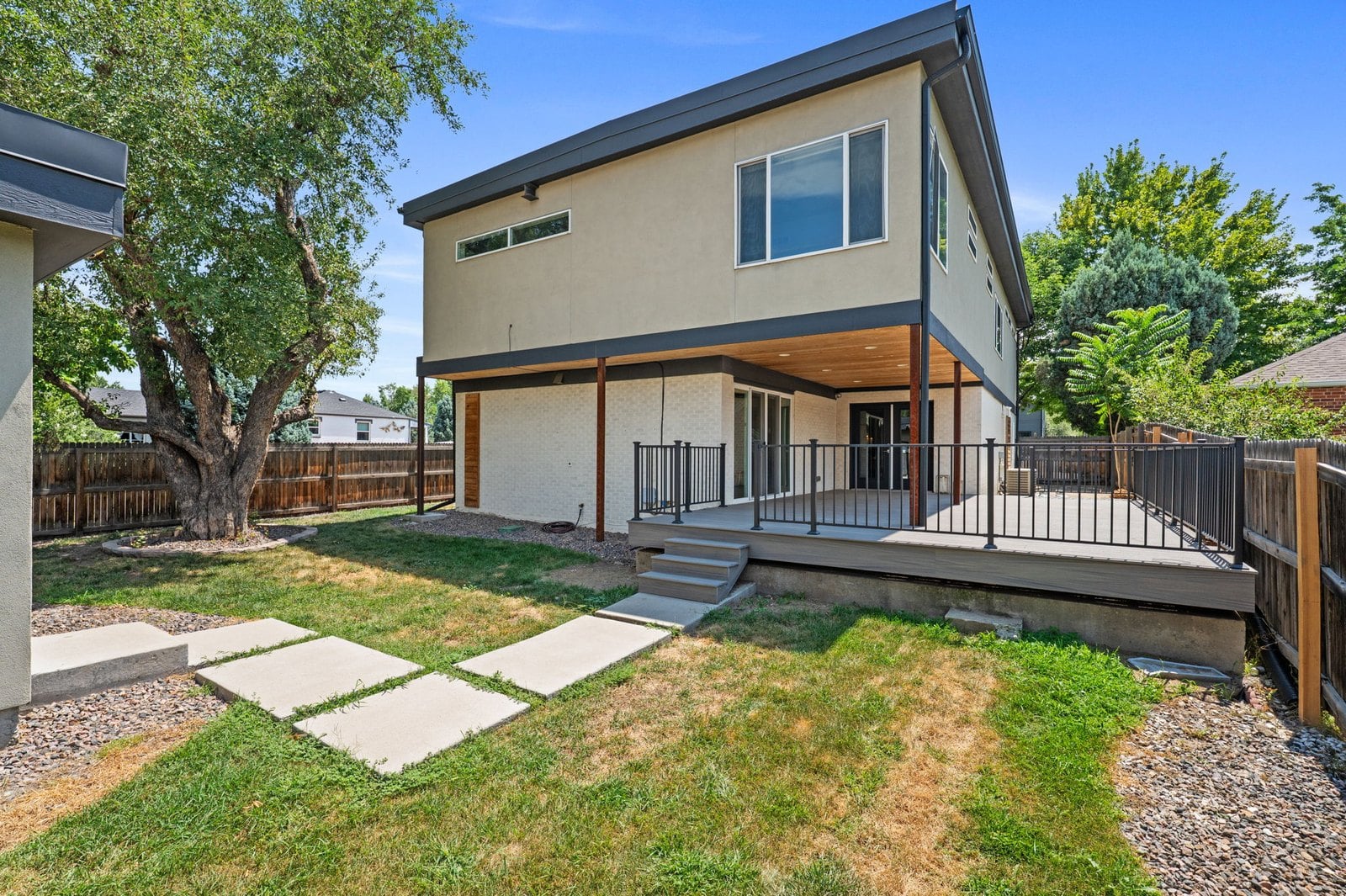
For an original home, the comps are other original or lightly updated homes of similar size, and lot characteristics often carry real weight, because a builder may be one of the interested buyers. For an updated or expanded older home, finished square footage, the quality of the work and whether it was permitted move the number. For new construction, the comparison is other recent builds: finishes, total livable space, rooftop decks, garages and views.
Pricing one type off another is the most common way Berkeley owners end up surprised, in both directions. An original home priced off a rebuild next door can sit on the market, and a rebuild priced off the neighborhood median can sell for less than it should.
The Features That Move a Berkeley Valuation
Once the right comps are in hand, each is adjusted for differences from your home. In Berkeley, these are the adjustments that most often matter:
- Lot width, depth and alley access, which shape garage options, outdoor space and redevelopment potential.
- Distance to Tennyson Street and its restaurants, shops and galleries, measured in actual walking blocks.
- Park frontage or proximity to Berkeley Lake Park or Rocky Mountain Lake Park.
- Exposure to traffic and noise along I-70, Federal Boulevard or Sheridan Boulevard.
- Basement finish and egress, and whether below-grade bedrooms meet code.
- Kitchens, baths and major systems, including roof, furnace, electrical and sewer line condition.
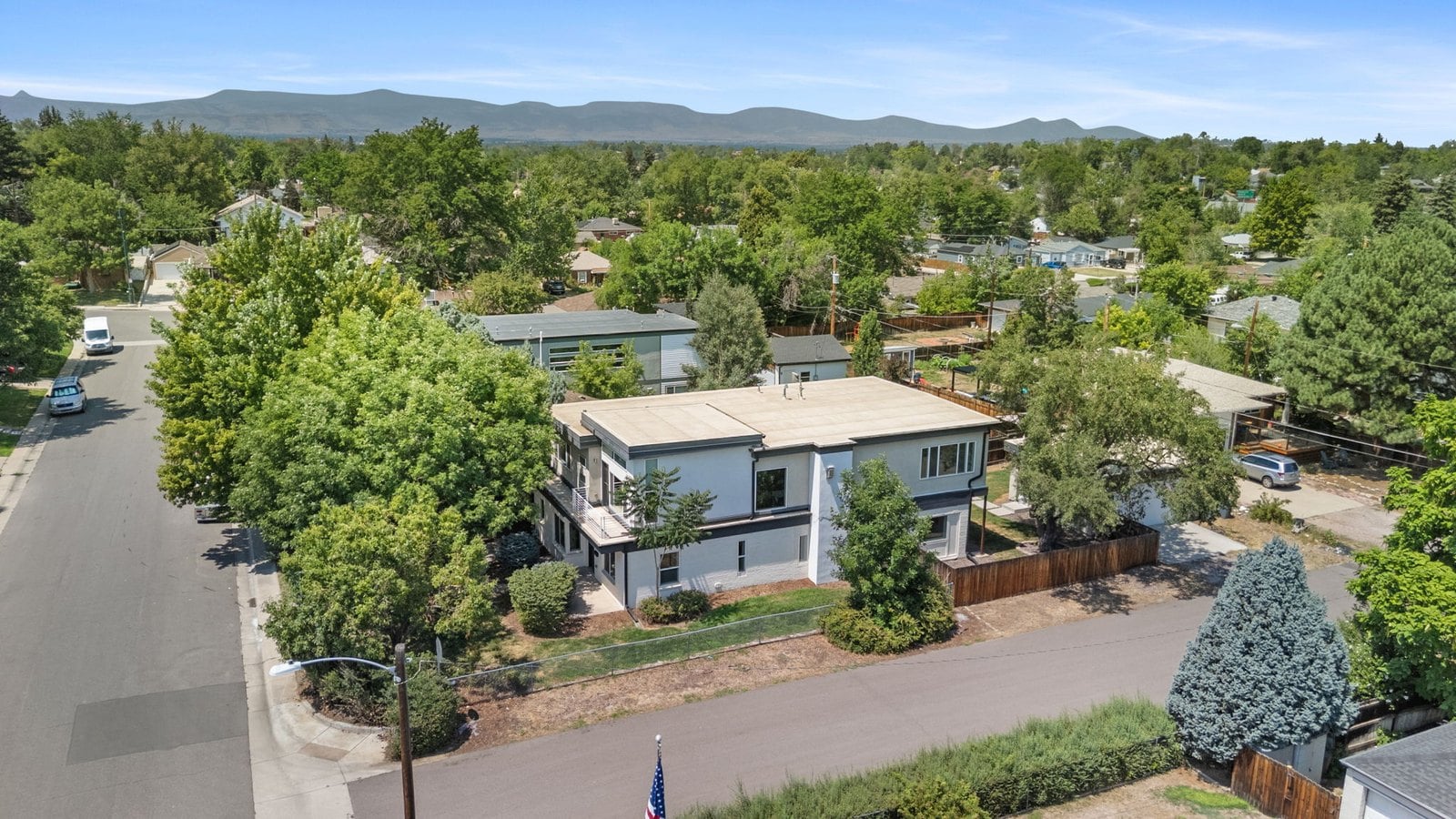
- Second-story mountain views, which some Berkeley homes have and most do not.
Denver’s citywide accessory dwelling unit rules, adopted in late 2024, can also add value where a lot can support a backyard unit. Potential is not the same as a permitted structure, so it is weighed carefully. FORM’s Berkeley community page has more on the neighborhood’s layout and landmarks.
Your Assessor’s Value Is Not Your Market Value
Many Berkeley owners first see a number for their home on a notice of value from the Denver Assessor. That figure is designed for property tax, not for pricing a sale. Colorado assessors reappraise on a two-year cycle, and by statute they value homes as of June 30 of the year before each general reappraisal, using sales from a fixed data collection period. By the time a notice arrives, the market may have moved, and the assessor has rarely been inside your home.
The Denver Assessor’s Office explains how valuations and appeals work. If you believe your assessed value is too high, the appeal window is short and evidence-based, and a comparable sales analysis is exactly the kind of support it calls for.
Online Estimates, CMAs and Appraisals
Automated estimates pull from public records and recent sales, so they are a fair way to watch broad direction over time. They cannot see a renovated kitchen, an unpermitted basement or a block that backs to an alley versus one that faces a park, and in a neighborhood as mixed as Berkeley those details are often the whole story.
A comparative market analysis, or CMA, is a local agent’s estimate of what your home would likely sell for now, built from hand-picked comps and an in-person walk-through. It is the right tool when you are deciding whether, when and at what price to sell. An appraisal is a licensed appraiser’s formal opinion of value, usually ordered by a lender during a purchase or refinance. Some sellers order a pre-listing appraisal when their home is unusual enough that comps are thin, which can be worth the fee for a one-of-a-kind Berkeley property.
How to Get an Accurate Number for Your Berkeley Home
A few things make any valuation sharper, whoever prepares it. Gather the year and scope of major updates, any permits pulled, recent sewer scope or roof inspection reports, and a survey or plot plan if you have one. Note what you would change before selling and what you would leave alone.
Then ask for a local CMA from an agent who sells in Berkeley and will walk the home in person. Jason Sirois can prepare a Berkeley home value analysis grounded in closed comparable sales, adjusted for your home’s era, condition, lot and block. To see what a likely sale price means after costs, try FORM’s home sale calculator, and when you want a number for your own home, get in touch for a no-pressure conversation.
Frequently Asked Questions
What is the average home value in Berkeley, Denver?
It changes month to month, and because few homes sell in any given month, a single month’s median can swing widely. FORM publishes a monthly Berkeley market update with current figures. For your home specifically, a comparable sales analysis is far more reliable than a neighborhood average.
Why is my Zestimate so different from what my neighbor sold for?
Automated estimates cannot see condition, updates or the exact block, and your neighbor’s home may be a different type entirely. In Berkeley, an original cottage and a recent rebuild can share a fence and sell hundreds of thousands of dollars apart.
Does being close to Tennyson Street raise my home’s value?
Walkable access to Tennyson Street’s restaurants and shops is one of the features buyers in Berkeley often pay for. The effect depends on the actual walking distance, the specific block and the home itself, so it is measured through nearby comparable sales rather than a set percentage.
Is my Berkeley lot worth more than my house?
Sometimes, particularly for smaller original homes on wider lots, where a builder may be among the likely buyers. Whether that applies to your property depends on lot size, zoning, alley access and recent land-value sales nearby. A local CMA should address it directly.
Should I renovate before selling my Berkeley home?
Cosmetic work such as paint, flooring and fixtures usually returns more than a major remodel. Large projects take time and permits, and buyers may value the original character or plan their own changes. Get a value estimate first, then decide which improvements make sense.
Can I appeal my Denver property tax valuation?
Yes. The Denver Assessor’s Office accepts appeals during a set window after notices of value go out. Comparable sales from around the appraisal date are the strongest evidence, and a local agent can help assemble them.
This article is general information, not an appraisal or legal, tax or financial advice. Any home value figure is an estimate that can change with market conditions and your home’s specifics. Confirm numbers with a licensed real estate professional or appraiser before making decisions.