

The Denver neighborhoods that feel most like New York City are Union Station and LoDo, LoHi, Capitol Hill, RiNo and Five Points, and the Highlands, where you get walkable blocks, rail transit, older brick housing, and street-level restaurants within a few minutes of home.
New York sets a high bar for daily convenience. Coffee is downstairs, the train is around the corner, and most errands happen on foot. When people start looking at Denver, the first question is usually not about price. It is whether any part of the city works the same way, or whether a car will have to run every part of the day.
The honest answer is that a few Denver neighborhoods come close, and they come close in different ways. Some match New York’s density and transit. Others match its prewar housing stock and corner-store rhythm. Denver’s population density is around 4,700 people per square mile, a fraction of New York’s, so even the most urban blocks here feel more open.
Jason Sirois, a Denver Realtor with FORM at Compass Denver and an Applewood resident, works with a steady number of clients moving from New York. Below is how he walks them through the city, neighborhood by neighborhood, with the trade-offs stated plainly. If you are earlier in the process, our guide to moving from NYC to Denver covers taxes, timing, and the buying process itself.
What Translates From New York to Denver, and What Does Not
Start with the things that carry over well. Denver has a real downtown with an active rail hub, a growing stock of mid-rise and high-rise condos, and several older neighborhoods with brick rowhouses, small apartment buildings, and commercial streets lined with restaurants. Walkability in those areas is genuine, not marketing.
Then the things that do not carry over. Rail coverage is a spine rather than a grid. RTD’s light rail and commuter rail lines radiate out from Union Station, and the A Line runs from Union Station to Denver International Airport, but there is nothing like a subway map with a station every few blocks. Most households in Denver keep at least one car, and parking is part of nearly every purchase decision.
Ownership looks different too. Census QuickFacts figures for 2020 to 2024 put Denver’s owner-occupancy rate near 49 percent against roughly 33 percent in New York City, and the average commute runs about 25 minutes here compared with about 40 there. In practice that means more of the housing stock is built to be owned, more of it has outdoor space, and less of the day goes to getting somewhere.
Union Station and LoDo: The Closest Match to Manhattan Living
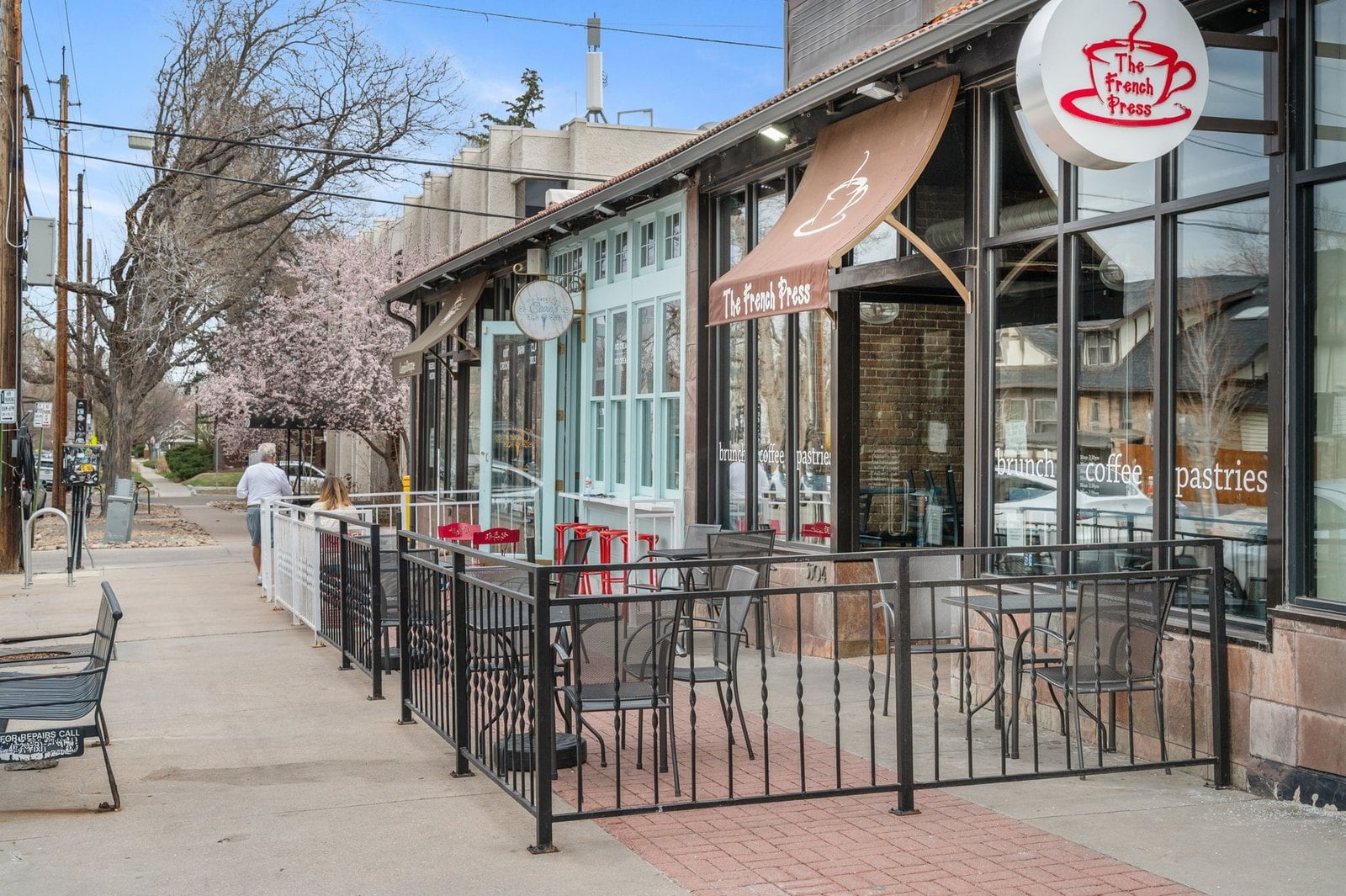
Lower Downtown is where Denver feels most like a big city. The blocks around Union Station are dense with restaurants, bars, offices, and residential towers, and the station itself is the hub for light rail, commuter rail, regional buses, and the airport train.
Housing here is almost entirely condos and lofts. Older warehouse conversions offer exposed brick, timber beams, and large windows, while newer towers add amenities such as doormen, fitness rooms, and rooftop decks. Monthly HOA dues are a real line item and vary widely by building, so read the budget, reserve study, and insurance coverage of any association before writing an offer. Deeded parking spaces and storage units are often sold separately or included only in some units, which affects both price and resale.
LoHi and the Highlands: Brownstone Energy on a Smaller Scale
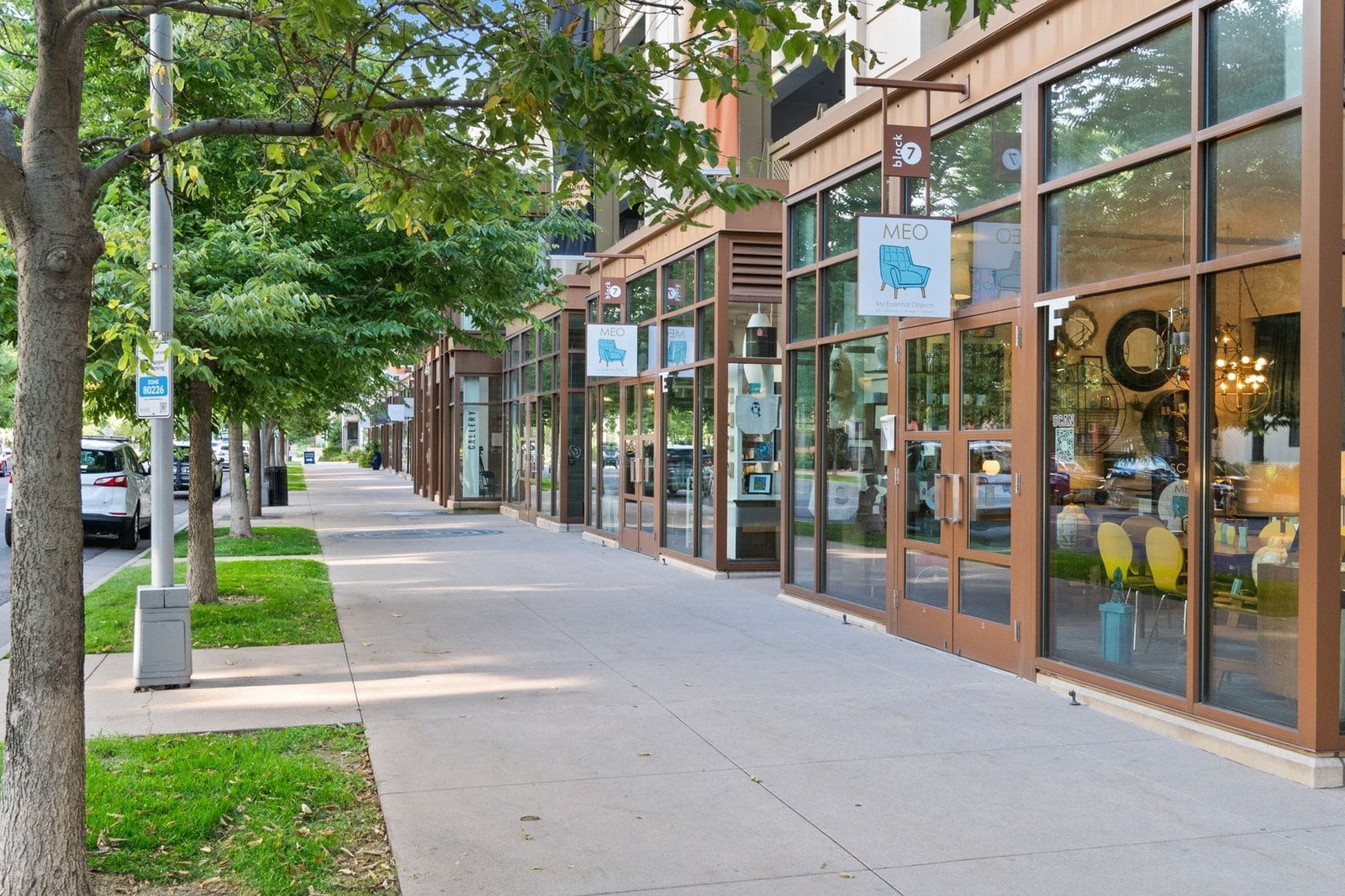
Across the Platte from LoDo, Lower Highland climbs the hill toward the Highland and West Highland neighborhoods. LoHi has a dense mix of newer townhomes, small condo buildings, and restaurants clustered around 15th, 16th, and 32nd Avenue, with pedestrian bridges that put downtown within a short walk. Farther west, the Highlands shift to Victorian homes, Denver Squares, and Craftsman bungalows on tree-lined streets, with Highlands Square at West 32nd Avenue and Lowell Boulevard serving as the commercial center.
The townhomes in LoHi are the closest thing Denver has to a brownstone in terms of layout. Most are three or four stories with a rooftop deck and an attached or tuck-under garage. Expect stairs, smaller footprints per floor, and shared walls. Older single-family homes in Highland usually sit on narrow lots with detached garages off the alley, and many have been updated in stages, which makes a careful inspection of systems and additions worth the time.
Capitol Hill and Uptown: Prewar Buildings and Corner Restaurants
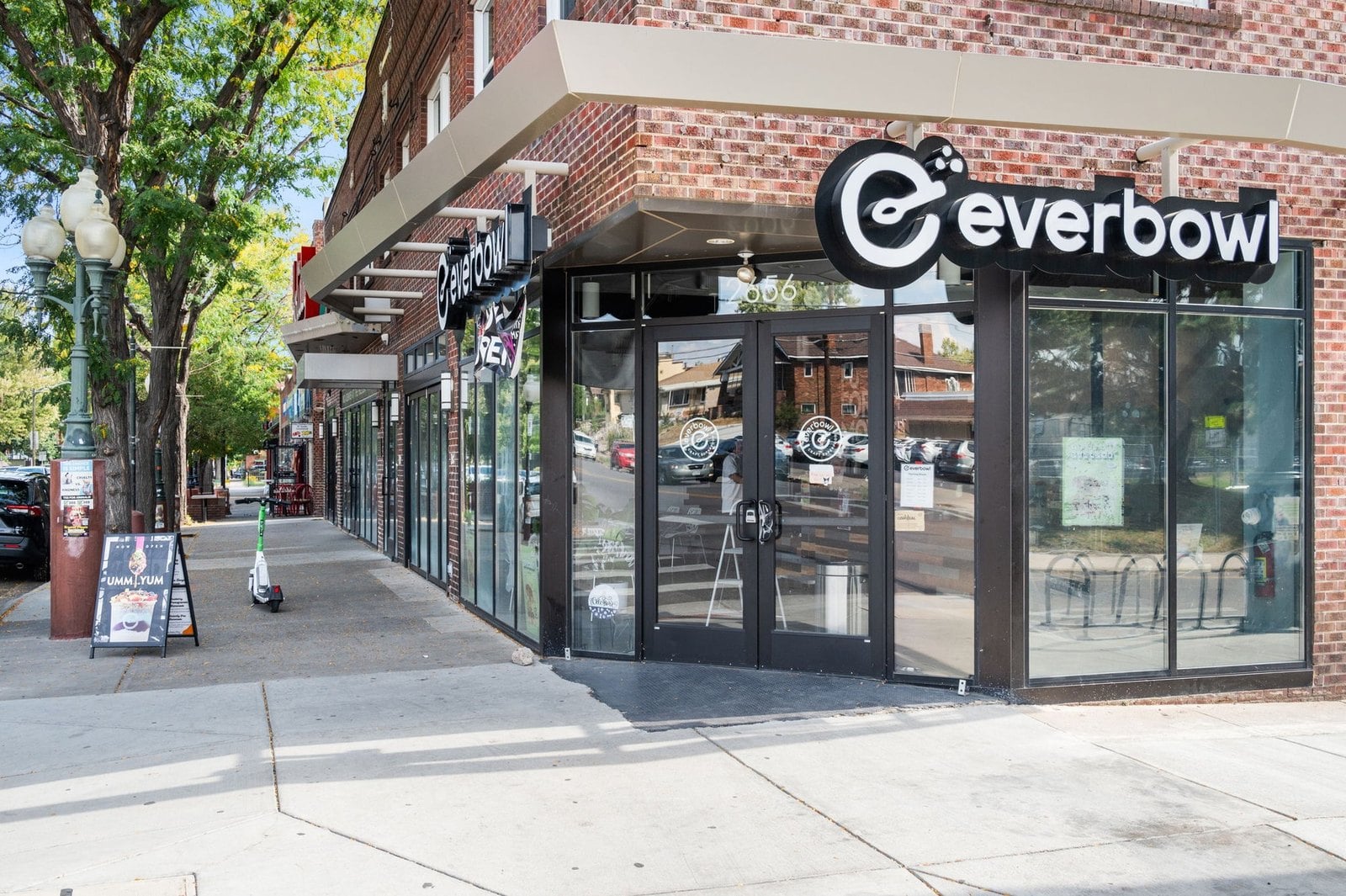
Capitol Hill, just east of downtown, holds some of Denver’s oldest apartment buildings and mansions, many of them converted into condos. Streets such as Colfax Avenue, 13th Avenue, and 17th Avenue carry a steady line of restaurants, bars, and small shops, and Cheesman Park sits on the neighborhood’s eastern edge.
This is the part of Denver where a prewar walk-up feels most familiar. Many buildings date to the early twentieth century, with hardwood floors, radiators, and smaller kitchens. The trade-offs mirror older New York stock: limited parking, coin or shared laundry in some buildings, aging boilers and plumbing, and associations that may have special assessments planned for roofs or masonry. Asking for the last two years of association minutes is a smart step on any older building here.
RiNo and Five Points: Industrial Lofts and New Construction
The River North Art District grew out of warehouses along Brighton Boulevard and Larimer Street. Five Points, next door, is one of Denver’s historic neighborhoods, with Welton Street and its light rail line running through the center and Victorian rowhouses on many side streets.
Housing in RiNo leans newer: condo buildings with amenity decks, townhomes with rooftop space, and some true loft conversions. Railroad tracks and Interstate 70 frame the north edge of the area, so noise and traffic are worth checking at different times of day. In Five Points, the older rowhouses and Victorians offer more character per square foot, and some homes sit inside designated historic districts where exterior changes go through city review.
How to Narrow the Search Before Your First Visit
Most clients coming from New York make the same early mistake: they rank neighborhoods by vibe alone. A better approach is to rank by the daily routine you want to keep and then test each area against it. Jason usually asks clients to list the five things they walk to most often in New York and how far each one is now.
- Transit: map your commute to the nearest light rail or commuter rail station, not just the nearest bus stop.
- Parking: decide early whether you need a deeded space, an attached garage, or only street parking.
- Building type: condo, townhome, or detached home each carry different costs for dues, maintenance, and insurance.
- Outdoor space: rooftop decks, balconies, and small yards are common here, and they change how a home lives.
- Noise: visit at night and on a game day if the home is near Coors Field, Ball Arena, or a busy restaurant strip.
From there, tour two or three neighborhoods back to back in the same weekend. If you are relocating with a tight timeline, RTD’s system map and trip planner are good companions for checking transit before you book showings.
Frequently Asked Questions
Is Denver walkable like New York City?
Parts of it are. LoDo, LoHi, Capitol Hill, Uptown, and RiNo let you handle most daily errands on foot. Outside those core areas, the city becomes more car dependent, and most households keep at least one vehicle even in the walkable neighborhoods for trips to the mountains or the suburbs.
Can I live in Denver without a car?
It is possible near Union Station or along a light rail line, especially if you work downtown. The A Line covers airport trips, and bike lanes and scooters help with short distances. Most people still find a car useful for weekend trips to the foothills and for errands outside the urban core.
Which Denver neighborhood has the most New York-style housing?
Capitol Hill has the closest match to prewar apartment buildings, while LoDo offers loft conversions and full-service towers. LoHi townhomes come closest to a brownstone layout, with multiple stories, a garage, and a rooftop deck instead of a backyard.
Are HOA fees in Denver condos similar to New York maintenance charges?
They are usually lower, but they vary widely by building age, amenities, and insurance costs. Denver does not have co-ops in the New York sense, so most attached homes are condos or townhomes with an association. Always review the budget, reserves, and any planned special assessments.
How far are these neighborhoods from the mountains?
From LoDo or the Highlands, the foothills around Golden and Morrison are roughly a 25 to 35 minute drive without traffic. Interstate 70 is the main route into the mountains, and weekend traffic can add significant time, so many residents plan trips early in the day.
If you are planning a move from New York and want a neighborhood-by-neighborhood tour plan, reach out to Jason Sirois and FORM at Compass Denver. We can help you compare buildings, commutes, and costs before you ever book a flight.
This article is for general information only and is not legal, tax, or financial advice. Neighborhood conditions, transit service, and association details change over time, so verify specifics with the relevant agencies and professionals before making a decision.