

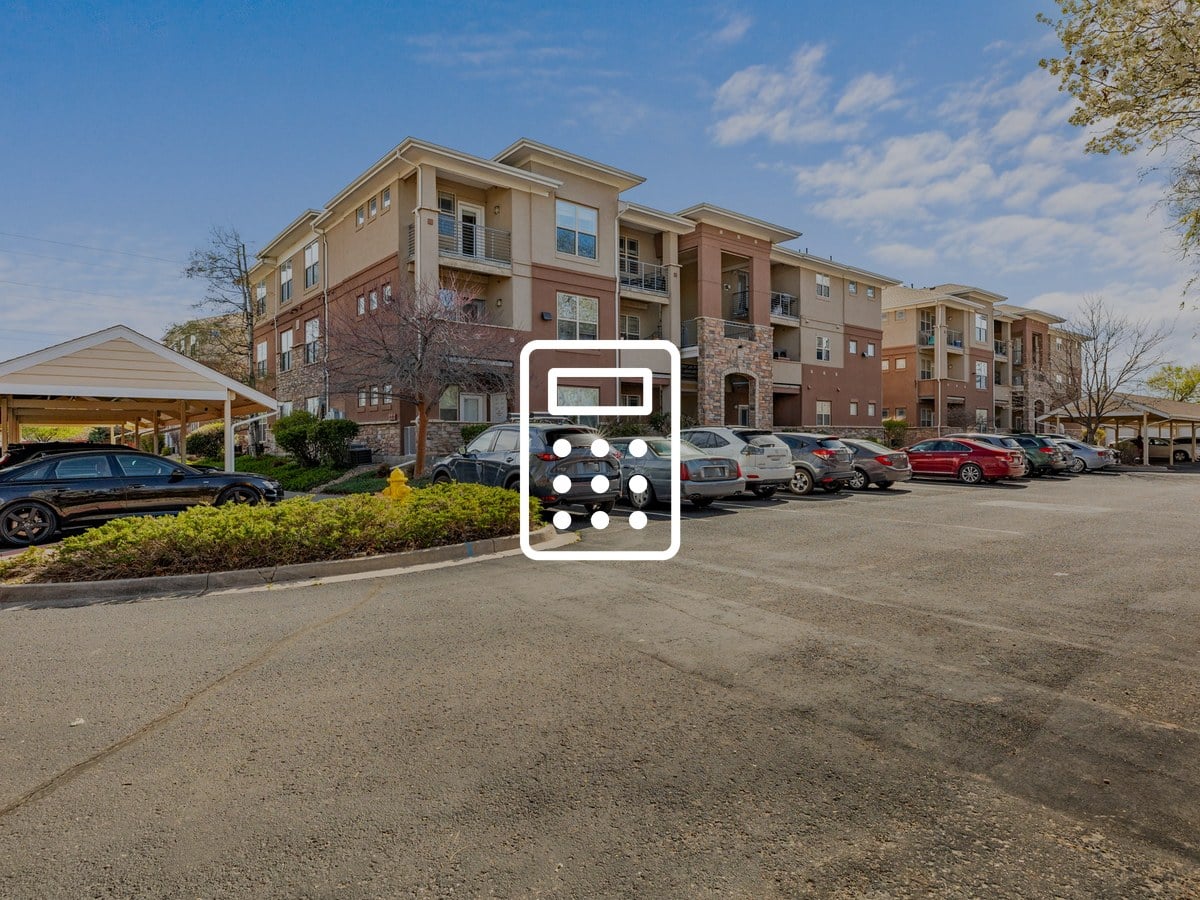
LoHi condo HOA fees are rising mostly because the costs behind them are rising: master insurance premiums and deductibles have climbed across Colorado, and lenders and lawmakers now expect associations to set aside more for future repairs, which pushes reserve contributions up.
If you own a condo in LoHi, or you are comparing listings there, you have probably noticed that monthly HOA dues on some buildings have jumped faster than anything else in the budget. An increase of that kind can change what a unit costs to own, what a buyer can qualify for, and how long a listing takes to sell.
The reasons are rarely unique to one building. Most of the pressure comes from three places: the insurance market for multi-unit buildings in Colorado, the money associations set aside for roofs, elevators, garages and other shared components, and new rules from Fannie Mae and the Colorado legislature that raise the bar on both. Each association’s budget is different, so the useful step is knowing which of these is driving a particular increase.
Jason Sirois is a Denver Realtor with FORM at Compass, with an office at 1900 W 32nd Ave in Northwest Denver. Below is what is behind rising dues, what changed in 2026, and what to ask for before you buy or list a LoHi condo.
Insurance is the biggest driver
An HOA’s master insurance policy covers the building structure and common areas, and its cost is shared by every owner through dues. The Colorado Division of Insurance, in its insurance toolkit for homeowners and HOAs, says master policy costs are rising 200 to 500 percent, which is causing HOA dues to increase. The Division points to several reasons:
- Reinsurance, the insurance that insurers buy for themselves, is harder to get as disasters grow more severe.
- Insurers increasingly require buildings to be insured to their current value, so premiums rise as values and rebuilding costs rise.
- Labor and material costs make rebuilding more expensive.
- Associations with frequent or large claims may face higher prices, non-renewal, or a move to the costlier surplus lines market.
Deductibles have moved too. The Division reports that some HOA deductibles have risen from 5 percent to 10 percent, and notes that a 10 percent deductible may fall outside some traditional loan requirements. When a building has a large deductible, owners can be assessed for their share after a claim, which is why the unit owner’s own HO-6 policy and its loss assessment coverage matter more than they used to.
Reserves are being asked to do more
Reserves are the savings an association builds for big, predictable expenses: roof replacement, elevator modernization, parking garage repairs, boilers and exterior paint. When reserves fall short, the gap usually shows up as a special assessment or a sharp dues increase.
Colorado law does not set a minimum reserve funding level. Under the Colorado Common Interest Ownership Act, associations must adopt written governance policies, including one on reserves that addresses whether the association has a reserve study and a funding plan, according to a Colorado Division of Real Estate presentation to HOA boards. Funding levels are left to each association’s budget and governing documents.
That changed for new buildings in 2026. House Bill 26-1099 requires the developer of a condominium or planned community to commission an independent reserve study projecting costs over 30 years before control passes to the owners, deliver it to the new board within 60 days after owners elect a board majority, and requires the association to make its most recent study available to owners. For buyers in newer LoHi buildings, that means a clearer picture of long-term costs, and in some cases a budget that has to catch up to what the study recommends.
What Fannie Mae changed in 2026
Most buyers finance a condo with a conventional loan, and Fannie Mae’s project rules decide whether a building is eligible for those loans. In Lender Letter LL-2026-03, dated March 18, 2026, Fannie Mae announced several changes that bear directly on HOA budgets:
| Change | What it says | Mandatory for |
|---|---|---|
| Limited Review retired | Established projects need a Full Review or, if eligible, a Waiver of Project Review | Applications dated on or after Aug. 3, 2026 |
| Reserve study option | Budget must include the highest recommended reserve allocation from the study | Applications dated on or after Aug. 3, 2026 |
| Master policy deductible | Maximum per-unit deductible of $50,000 | Applications dated on or after July 1, 2026 |
| Replacement reserves | Minimum rises from 10% to 15% of the annual budgeted assessment income | Full Review applications dated on or after Jan. 4, 2027 |
Source: Fannie Mae LL-2026-03. These are loan eligibility rules, not laws that bind an HOA. But a building that falls short can be harder to finance, which affects every owner who wants to sell. A board that wants its building to stay eligible may need to raise reserve contributions to meet the 15 percent threshold before January 2027.
Why some LoHi buildings see bigger jumps
Condo buildings with shared elevators, structured parking, rooftop decks and other common components carry more to insure and, eventually, to replace. Every one of those items appears in a reserve study, and every one adds to the insured value of the building. If a LoHi building you are considering has features like these, expect them to show up in both the insurance line and the reserve line of its budget. Smaller associations with fewer shared components generally have less to insure and reserve for.
The other factor is timing. Many associations renew insurance and adopt budgets once a year, so a building can go several years with modest changes and then absorb a large premium increase, a higher deductible and a reserve catch-up in a single budget cycle. The size of the jump says more about that timing than about the building itself.
What to check before you buy or sell a LoHi condo
Colorado purchase contracts give buyers a deadline to review association documents. Use that window to ask for and read:
- The current budget and the percentage of income going to reserves
- The most recent reserve study and whether the budget follows it
- The master insurance certificate, including the deductible and whether it is a percentage or a flat amount
- Board minutes from the past year, for planned projects, insurance renewals or special assessments
- Any special assessment already approved, and who pays it at closing
Ask your lender early whether the building is eligible for the loan you plan to use. For sellers, gathering these documents before listing, and being ready to explain a recent dues increase, can keep a deal from stalling during the buyer’s review. Our post on buying a condo near downtown or a house nearby covers how dues fit into that decision, and our guide to parking in LoHi covers another cost owners ask about.
Frequently Asked Questions
Why did my LoHi condo HOA fee go up so much this year?
The most common reasons are a higher master insurance premium or deductible at renewal, a larger reserve contribution, or both. Your association’s budget and board minutes should show which line items changed.
Does Colorado require condo HOAs to fund reserves?
Colorado requires associations to adopt a reserve policy but does not set a minimum funding level. HB26-1099 adds a 30-year reserve study requirement for new communities before the developer hands control to owners.
What is the new Fannie Mae 15 percent reserve rule?
Fannie Mae will require condo projects reviewed under its Full Review process to budget at least 15 percent of annual assessment income for replacement reserves, up from 10 percent, for applications dated on or after January 4, 2027.
Can high HOA dues affect my mortgage approval?
Yes. Monthly dues count toward your housing costs when a lender calculates what you qualify for, and the building itself must meet the loan program’s project requirements.
What is loss assessment coverage on an HO-6 policy?
It helps pay your share if the HOA assesses owners for a deductible or a loss above the master policy’s limits. The Colorado Division of Insurance suggests confirming your coverage matches what you could realistically be assessed.
Will LoHi HOA fees keep rising?
That depends on each building’s insurance renewal, reserve study and budget. Reading the reserve study and recent minutes is the best way to see what is planned for a specific building.
Weighing a LoHi condo, or getting ready to sell one? Jason Sirois and the FORM at Compass team, based at 1900 W 32nd Ave, are glad to walk through a building’s budget and documents with you.
This post is for general information only and is not legal, insurance, tax or lending advice. Insurance information comes from the Colorado Division of Insurance, reserve rules from Colorado statutes and HB26-1099, and loan rules from Fannie Mae LL-2026-03, as of October 23, 2026. Confirm details with your association, insurance agent, lender or attorney.