

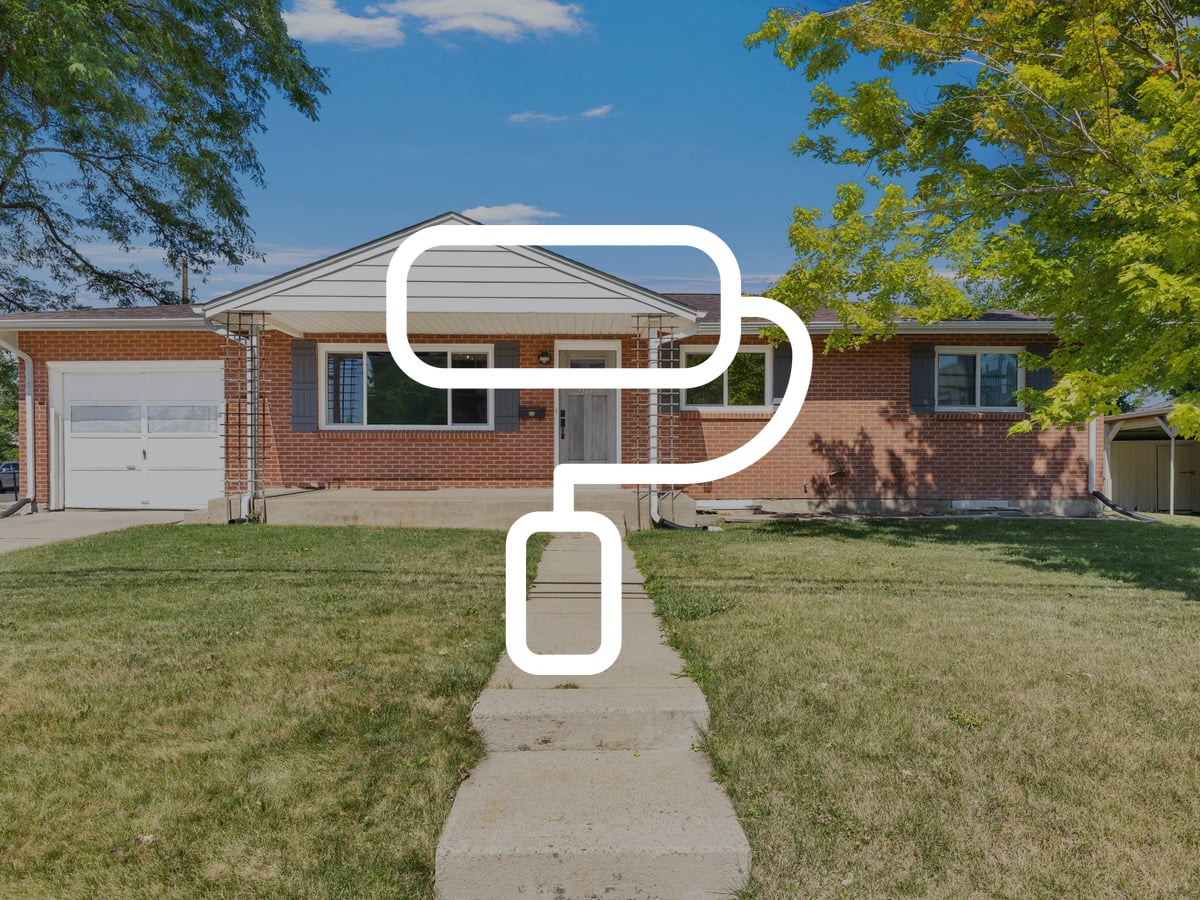
Applewood homeowners ask a version of this every spring. The kitchen is original, the roof is getting on, the siding could go either way, and there is a finite amount of money to spend before a sale. Which project actually comes back at closing, and which is really just something you would enjoy for the two years you stay? The honest answer is that the projects people are most excited about usually return the least, and the boring exterior work nobody photographs is what consistently pays. That holds nationally, regionally, and here — with a few Applewood-specific wrinkles that come straight out of when these houses were built. Below is what the published remodeling data says, followed by the local items that matter more in Applewood than they would in a 2015 subdivision. The median owner-occupied home value here sits at $785,900, well above Wheat Ridge and Lakewood, and buyers shopping at that number pay close attention.
- Reliably pays back: garage door, front entry door, stone veneer accent, siding, minor kitchen refresh
- Pays back partially, but often necessary: roof, windows, HVAC conversion, midrange bath, basement finish
- Rarely pays back at resale: major kitchen gut, primary suite addition, upscale bath, solar
- Not optional here: radon test, sewer scope, electrical panel review on 1960s and 70s homes
What the remodeling data actually says
The most useful public benchmark is the annual Cost vs. Value report, which compares a project’s job cost against the resale value it adds. The 2025 edition’s Mountain region figures are the closest published data to us. Two caveats: these are regional averages across markets like Salt Lake City, Boise and Albuquerque, not Denver-specific numbers, and any individual house can land well off the average. With that said, the ranking is striking. Garage door replacement recouped 236 percent of its cost, a steel entry door 186 percent, manufactured stone veneer 162 percent, a minor midrange kitchen remodel 110 percent, and vinyl and fiber-cement siding 107 and 104 percent. Every one of those is an exterior or cosmetic project under about $30,000. Now the other end. A major midrange kitchen remodel recouped 49 percent. A midrange primary suite addition recouped 27 percent. Solar recouped 28 percent. A midrange bathroom remodel came in at 69 percent, asphalt roofing at 72 percent, a basement remodel at 78 percent, and an HVAC electrification conversion at 80 percent. The takeaway is not that low-recoup projects are mistakes — a roof at 72 percent is still a roof you may have to replace to sell at all. It is that recoup percentage tells you whether you are spending to gain value or to protect it. Those are different decisions with different budgets.
The five updates that move an Applewood sale
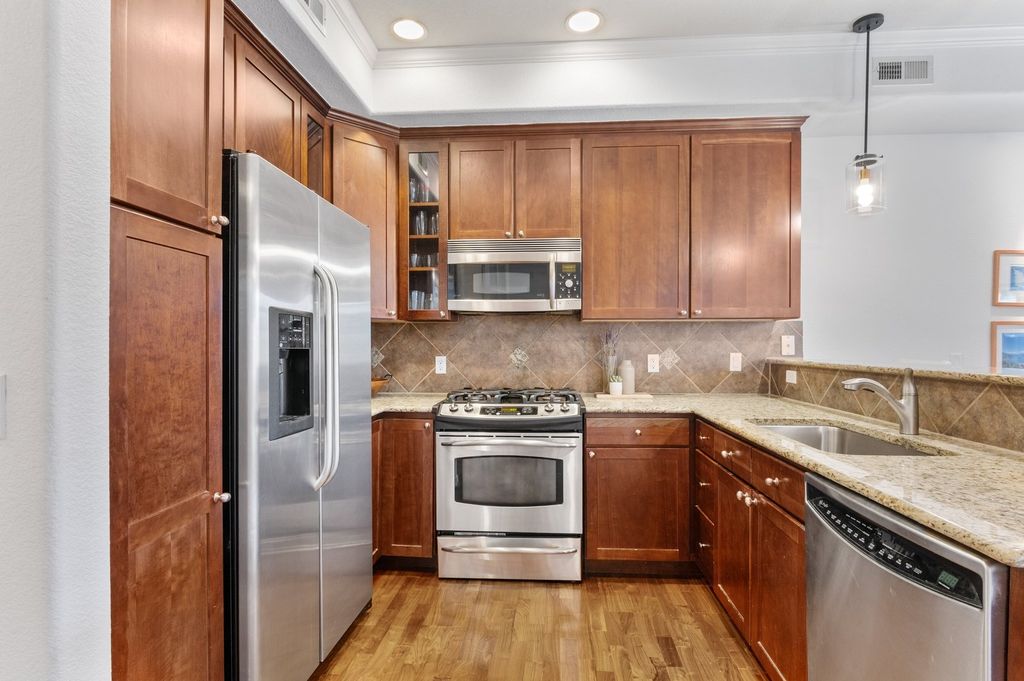
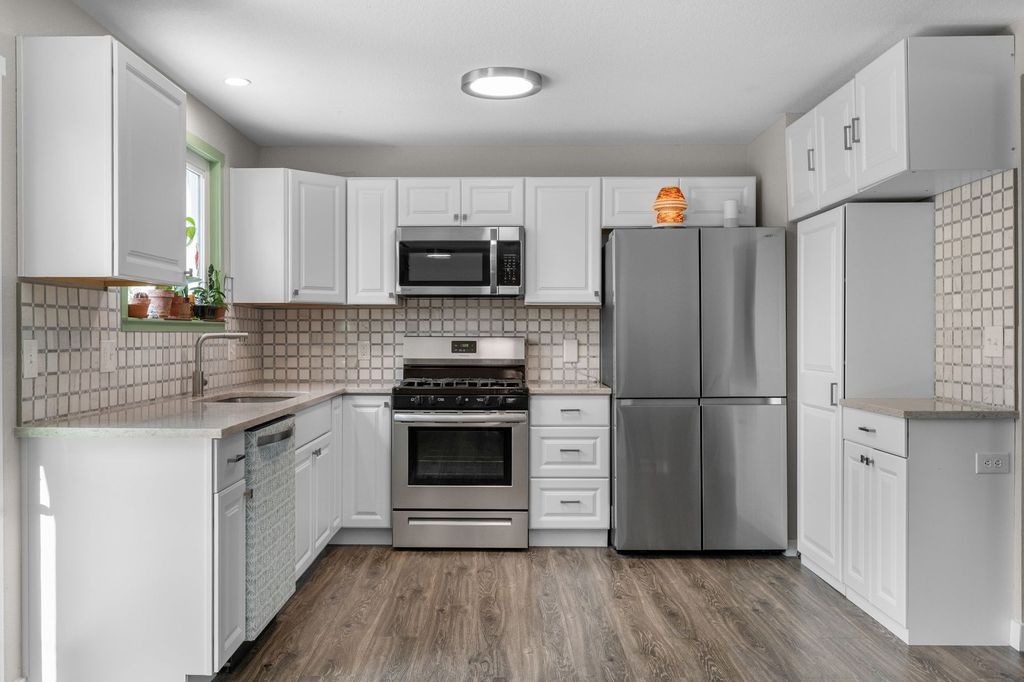
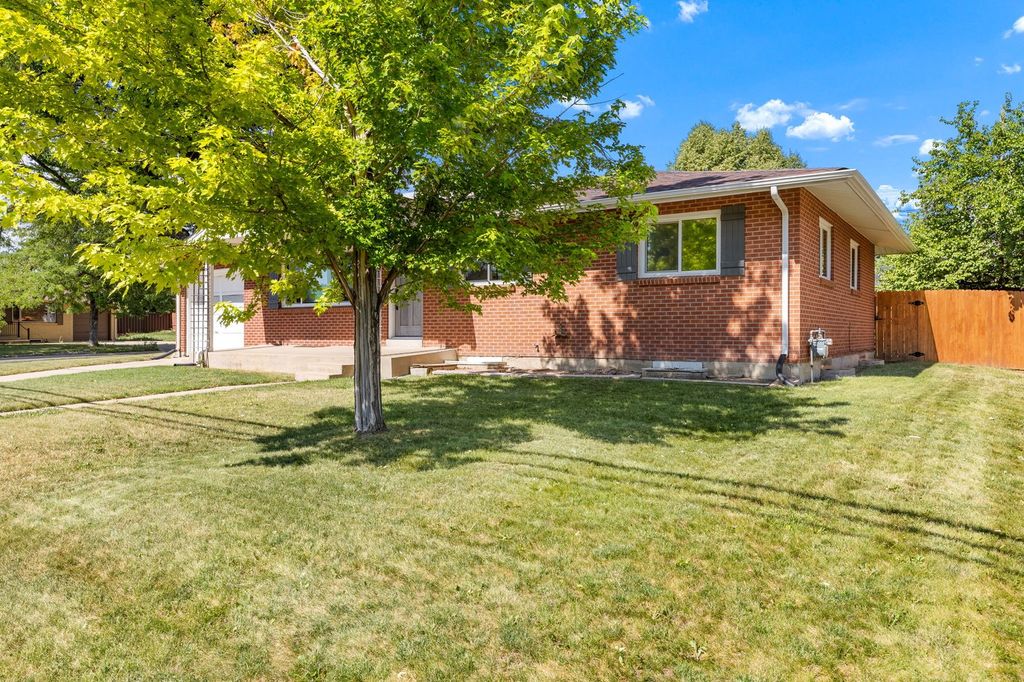
The front of the house, top to bottom. Garage door, entry door, exterior paint, a masonry accent where the architecture supports it. Applewood is mid-century ranches and split-levels with wide street frontage and mature trees, so the front elevation does most of the work in a buyer’s first eight seconds. It is also the cheapest category on the list. A minor kitchen refresh, not a gut. Cabinet refacing or paint, new hardware, a countertop replacement, an updated sink and faucet, a matched appliance set. The data separates “minor” from “major” by more than a factor of two, and in a house with a sound layout there is often no reason to move a wall. Air conditioning, if the house does not have it. A great many Front Range homes from this era were built with evaporative coolers or nothing at all. In our experience buyers at Applewood’s price point now treat central cooling as a baseline expectation rather than a bonus, and its absence shows up in offer prices. If you are replacing an aging furnace anyway, a heat pump handles both heating and cooling and carries a Colorado heat pump tax credit — $1,000 for air-source and $2,000 for ground-source in 2026, applied by a registered contractor as an upfront discount rather than paperwork you file later. Flooring and paint throughout. Unglamorous, cheap, and the most common thing separating a house that shows well from one that does not. Original hardwood under carpet is common in this housing stock, and refinishing it usually beats replacing it. The basement, but only if it is already dry and framed. A basement remodel recoups around 78 percent regionally, which is respectable. Finishing a raw basement from scratch is a far larger project with a far less certain return.
The Applewood-specific items buyers will test
These are not value-add projects. They are the things that surface during inspection and cost you leverage if you have not addressed them first. Radon. The biggest one, and routinely underestimated. Every Colorado county is designated an EPA Zone 1 area, and the state health department reports that about half of Colorado homes test above the EPA action level of 4 picocuries per liter. A mitigation system is a few thousand dollars; discovering the problem during a buyer’s inspection almost always costs more in concessions and lost momentum. If you already have a system, retest it — the state recommends every two years. Electrical panels and wiring. Aluminum branch-circuit wiring was installed from roughly 1965 into the mid-1970s, which lines up with Applewood’s later phases rather than its mid-1950s originals. The Consumer Product Safety Commission has found that pre-1972 homes with aluminum branch wiring are far more likely to reach fire-hazard conditions at connections. Federal Pacific and Zinsco panels from the same era routinely draw a recommendation for evaluation by a licensed electrician. Neither is a deal-killer, but both are better handled on your schedule than a buyer’s. The sewer line. Applewood’s tree canopy is one of its best features and one of its most reliable sources of root intrusion. A sewer scope is inexpensive due diligence on a house this age. Note too that much of the neighborhood is served by the Applewood Sanitation District, formed in 1958, and water comes from Consolidated Mutual rather than Denver Water — a distinction that matters when you look up rebates or watering rules. Popcorn ceilings. Textured ceiling material from this era may contain asbestos, and in Colorado testing and certified inspection requirements apply above state trigger levels before you disturb it. Scraping a 1960s ceiling over a weekend is not the low-risk project it looks like.
How to decide what to actually do
Start with the price you are targeting and work backward. If the house needs a roof, a panel and a radon system, that money is not discretionary and does not belong in the same conversation as a kitchen. Handle the required items first, then spend what is left on the exterior and a cosmetic refresh, in that order. Then look at what has been selling nearby, because the answer changes with the price band — we covered that pattern in what types of homes are selling fastest in Applewood. A likely scrape-and-rebuild candidate should get almost nothing beyond a clean-out; a house competing against updated comps needs to look like it belongs in that group. The gap between those two strategies is worth more than any single project on this list. For a rough sense of net proceeds under different scenarios, the home sale calculator is a reasonable starting point. A walkthrough before you spend a dollar is better still.
Frequently Asked Questions
Is it worth remodeling the kitchen before selling an Applewood home?
A minor refresh, usually yes. A full gut, usually no. Regionally, minor midrange kitchen remodels recouped about 110 percent of cost in 2025 while major midrange remodels recouped about 49 percent. The exception is a kitchen so dated or so poorly laid out that it caps what buyers will consider.
Should I replace the roof before listing?
If it is at the end of its life or has hail damage, yes — it will come up in inspection and in the buyer’s insurance quote. Expect to recover roughly three quarters of the cost and treat the rest as the price of a clean transaction.
Do buyers here care about solar panels?
Some do, but the resale math is unfavorable: solar recouped about 28 percent regionally in 2025. If you already have panels, know whether they are owned or leased before you list — a lease that transfers is a negotiation point. Installing them specifically to sell is rarely the right move.
How much does radon mitigation cost, and who pays?
Typically a few thousand dollars, and it is negotiable — but in practice a seller who tests early and mitigates proactively keeps control of the number. A seller who first learns about a high reading from a buyer’s inspection report generally does not.
Does finishing the basement add square footage to my appraisal?
Below-grade finished space is counted and valued separately from above-grade square footage, not simply added to it. That is why a basement remodel returns less than the same dollars spent above grade, and why finishing a raw basement purely for resale rarely pencils.
What if I only have $10,000 to spend?
Garage door, front door, exterior paint or a masonry accent, interior paint, and a deep clean including windows and landscaping. Every item on that list is in the highest-return tier, and together they change the first impression more than a $40,000 interior project would. This article is general information, not financial, tax or construction advice, and cost-recoup figures are regional averages rather than a prediction for any specific property. Jason Sirois is a Denver Realtor with FORM at Compass Denver and an Applewood resident. If you are weighing a project list before a sale, reach out and we will walk the house together first.