

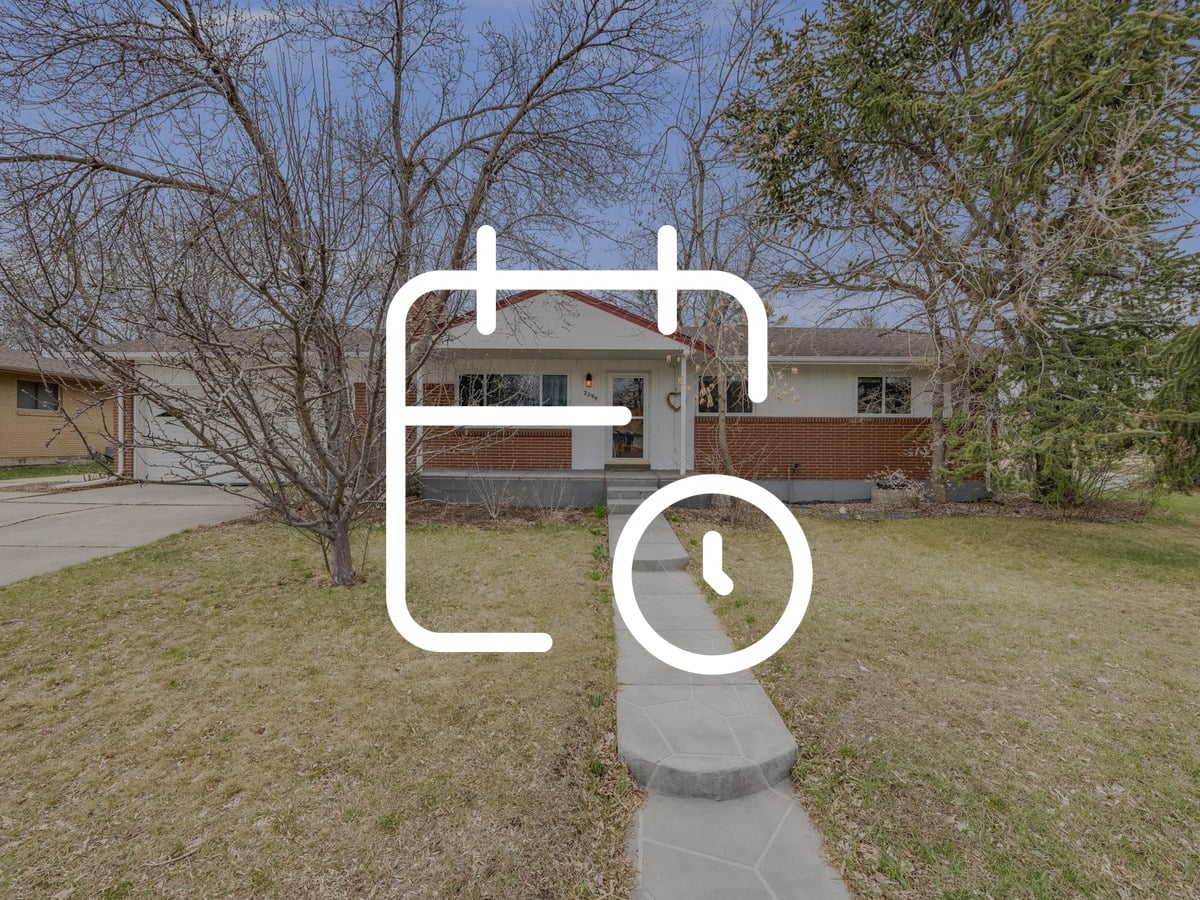
Most Applewood homes still go under contract within days to a couple of weeks, far faster than the Denver metro. The average runs several times the median, though, because homes that miss on price or condition can sit for a month or more.
If you are thinking about selling in Applewood, or watching listings as a buyer, the question of how long homes are taking to sell has two very different answers depending on which number you look at. The median says Applewood is one of the fastest-moving areas on Denver’s west side. The average tells you that a meaningful share of homes do not follow that pattern.
Both are true at the same time, and understanding the gap between them is more useful than either number alone. It tells a seller what to get right before listing, and it tells a buyer which homes still leave room to negotiate.
Jason Sirois, a Denver Realtor with FORM at Compass Denver and an Applewood resident, tracks Applewood’s single-family sales every month using REcolorado MLS data. Here is what that data has shown through 2026, why Applewood moves the way it does, and what it means for your timeline.
What the Applewood Numbers Show
In the monthly Applewood market updates we publish, the median single-family home has spent single-digit days in the MLS in most months of 2026. In the busiest spring and summer months, the median has been about a week or less. That means half of Applewood’s homes went under contract within days of listing.
The average tells a different story. In recent months, average days in the MLS have run roughly four to eight times the median. That kind of gap only happens when a smaller group of homes takes much longer to sell, pulling the average up while most sales happen quickly. Season matters too: our January update found the median December sale took more than a month, a very different pace from spring.
For comparison, the Denver Metro Association of Realtors’ monthly reports have put the metro’s median days in MLS for detached homes well above Applewood’s through the summer, with attached homes slower still. For the latest figures, see our most recent Applewood market update, which we refresh every month.
Why Applewood Moves Faster Than the Metro
Three things keep Applewood’s typical sale fast, and none of them is likely to change soon.
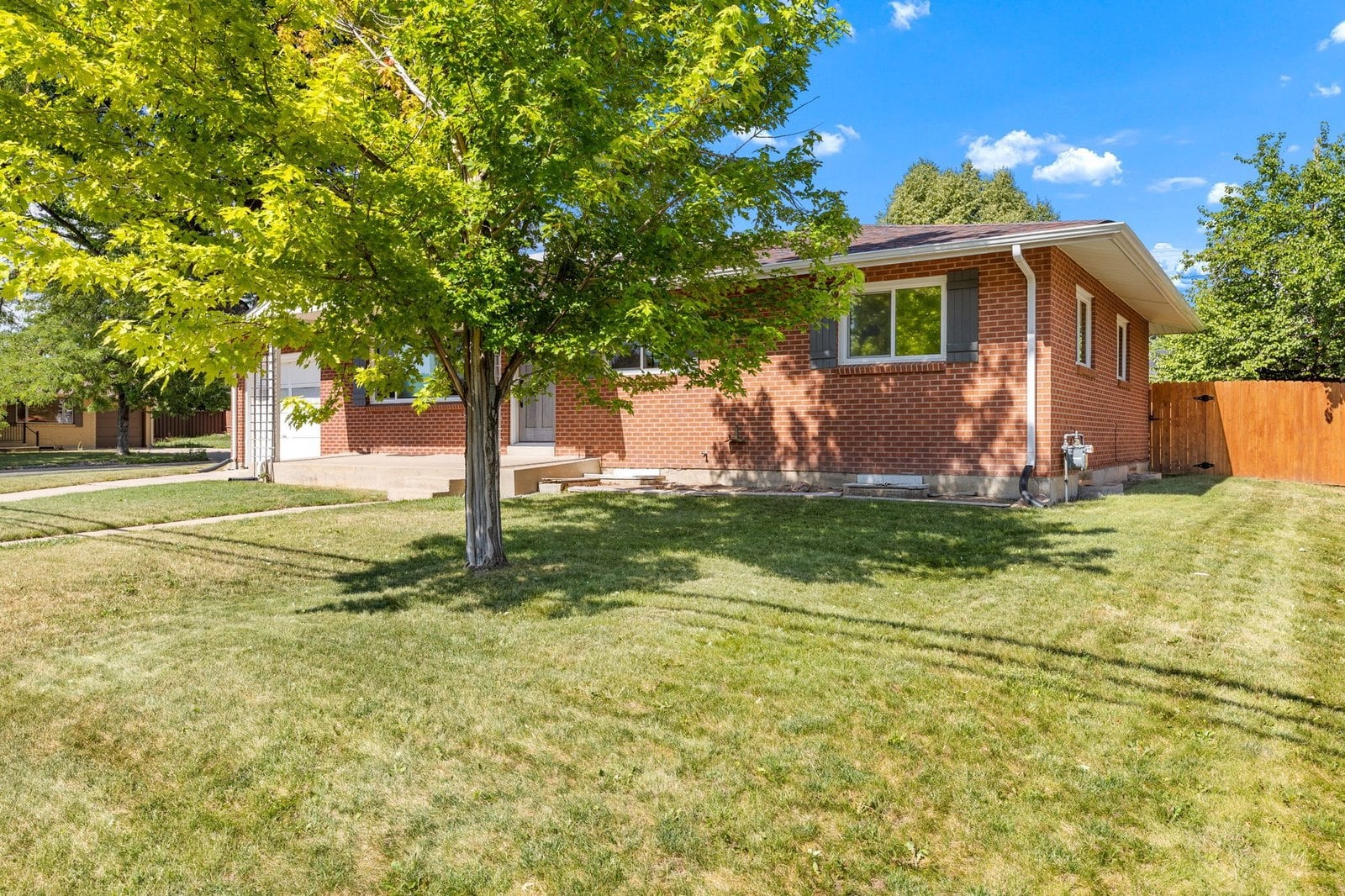
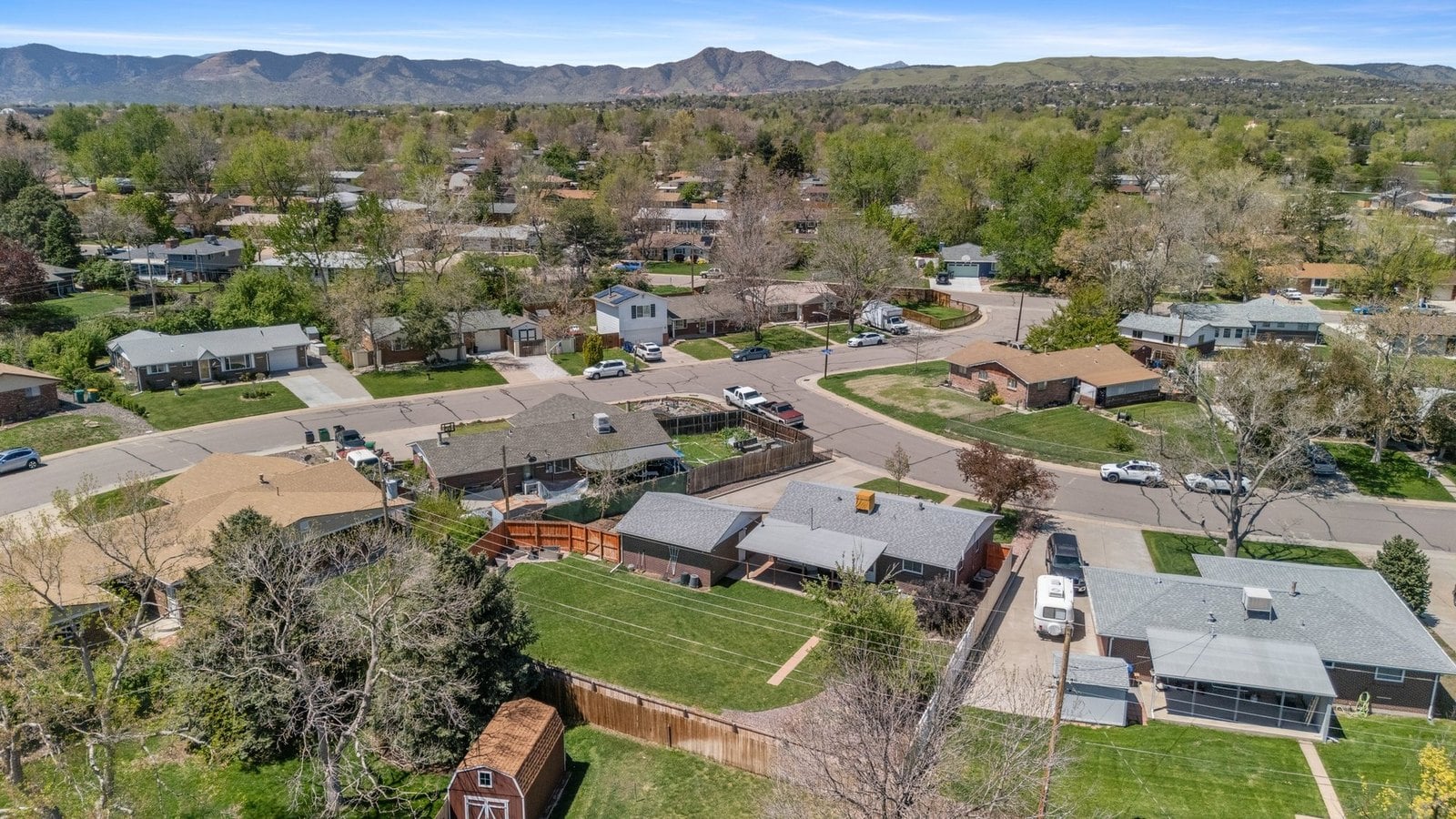
- Limited supply. Applewood is an established, fully built-out area of unincorporated Jefferson County between Wheat Ridge and Golden, with little land for new construction. Active listings have run well below year-earlier levels in recent months, with around two months of supply.
- A consistent housing stock. Mid-century brick ranches, split-levels and walkout-basement homes on larger lots make comparable sales easy to find, so a well-priced home is easy for a buyer to recognize.
- Location. Quick access to I-70, US-6 and the foothills, plus proximity to Golden and the Denver Federal Center, keeps demand steady across seasons.
When a home in that setting is priced in line with recent sales and shows well, there is little reason for it to wait. That is the pattern behind the low median.
What Keeps a Home on the Market Longer
The homes that make up the long tail tend to share a few traits, and most of them can be seen before the listing goes live.
Price above the comps. Applewood buyers are well informed and can compare a new listing against recent sales on nearby streets. A home priced ahead of that evidence usually sits until the price comes down.
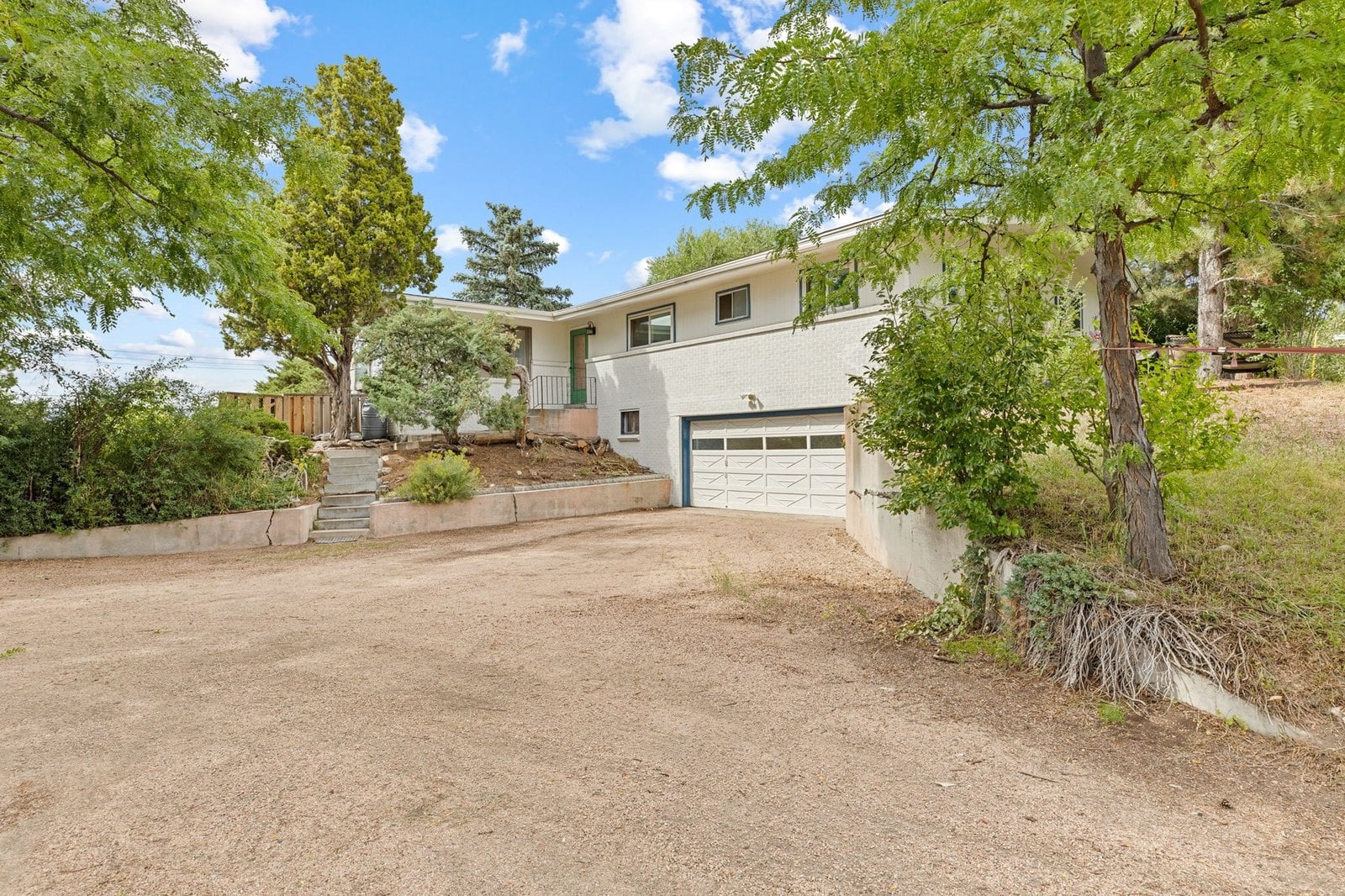
Condition the price does not reflect. Original kitchens and baths, older windows, a furnace or roof near the end of its life, or inspection items common in homes of this age, such as aluminum branch wiring, sewer line wear and radon, all slow a sale when the price assumes an updated home.
Higher price bands. Applewood’s average close price has run well above its median, which means a group of higher-end sales sits at the top of the market. Those homes draw a smaller pool of buyers and usually take longer, even when priced correctly.
Buyer patience. It has taken more showings to reach a contract than it did a year earlier, and close-to-list ratios have eased from at-or-above list to slightly below. Buyers are still active, but they are comparing more carefully.
From Contract to Closing in Applewood
Days in the MLS only measures the time to an accepted contract. The rest of the timeline follows the deadlines in Colorado’s standard contract, which buyer and seller negotiate for each sale. With a financed buyer, most Applewood closings land about 30 to 45 days after the contract is signed, covering inspection, appraisal, title review and loan approval.
A few local details can affect that window. Many Applewood homes sit on larger lots with older sewer lines, so a sewer scope is a common inspection item. Water service in parts of the area comes from Consolidated Mutual rather than Denver Water, which matters for final meter readings and account transfers. Neither usually slows a closing, but both are worth planning around.
Put together, a well-prepared Applewood home listed in spring can go from listing to closing in five to seven weeks. A home that needs a price adjustment first, or lists in late fall, should plan on longer.
What This Means for Sellers and Buyers
For sellers, the gap between the median and the average is the most useful number in the data. It says a home that is priced and presented correctly will very likely sell quickly, and a home that is not can sit much longer than the headline suggests. The cost of getting the price wrong in the first two weeks is usually higher than the cost of preparing properly. Our home sale calculator can help you estimate net proceeds at different price points before you list.
For buyers, the same pattern works in reverse. A fresh, well-priced Applewood listing needs a prompt, clean offer. A home that has passed the two-to-three-week mark is often in the long tail, and our guide on how much below asking you can offer on a Denver home covers how to approach those.
Frequently Asked Questions
How many days on market is normal for an Applewood home?
Through most of 2026, the median Applewood single-family home has gone under contract within single-digit days in the MLS. Averages run much higher because some homes take a month or more. A listing still active after two to three weeks is taking longer than most.
Why is Applewood’s average days on market so much higher than the median?
Most homes sell quickly, while a smaller group priced above the comps, needing significant updates or in a higher price band takes much longer. Those slower sales pull the average up without changing the median.
Do homes sell faster in Applewood than in Denver overall?
Yes. Applewood’s median days in the MLS has run at a fraction of the Denver metro median for detached homes in recent months, largely because of limited supply and consistent housing stock.
What is the slowest time of year to sell in Applewood?
Late fall and winter. Fewer buyers are shopping, and the Applewood data has shown the median time on market stretching past a month in December, compared with days in spring and summer.
How long does it take to close after going under contract?
With a financed buyer, usually about 30 to 45 days, depending on the deadlines negotiated in the contract. Cash purchases can close faster.
Should I worry if my Applewood home has not sold in two weeks?
Not necessarily, but it is a signal worth acting on. Review showing feedback, compare the price against the newest sales, and consider whether condition items are holding buyers back. Adjusting early usually works better than waiting.
If you are planning a sale in Applewood and want a timeline built around your home, reach out to Jason Sirois and the FORM team.
This post is general information, not legal or financial advice. Market timing varies by home and season; figures reflect REcolorado MLS data for Applewood single-family homes as published in FORM’s monthly market updates.