

A Local Perspective from an Applewood Resident and Realtor
Buyers moving to the Denver metro often start their search inside the city limits. Denver offers walkable neighborhoods, dining, culture, and proximity to major employers. But just west of the city is Applewood, a community that consistently surprises buyers who want space, privacy, and easy access to both Denver and the mountains.
If you are comparing living in Applewood vs. living in Denver, the right choice usually comes down to lifestyle, housing preferences, and how you want your day-to-day life to feel. As an Applewood resident and Realtor, Jason Sirois helps buyers evaluate this decision every week, especially those relocating from out of state or moving within the metro.
Here is a clear, practical breakdown of how Applewood and Denver compare.
Location and Commute
Applewood sits in unincorporated Jefferson County, directly west of Denver and north of Lakewood. Most Applewood homes are approximately 15 to 20 minutes from downtown Denver outside of peak traffic. Easy access to I-70 makes commuting east into the city or west toward the mountains straightforward.
Living in Denver places you closer to downtown offices, sporting venues, and nightlife. Neighborhoods like Berkeley, Highlands, Sloan’s Lake, and LoHi offer shorter commutes for buyers working in the city core.
From a practical standpoint, Applewood offers a quieter residential setting with a modest commute, while Denver prioritizes proximity and density.
Housing Styles and Lot Sizes
Housing is one of the biggest differentiators when comparing Applewood and Denver.
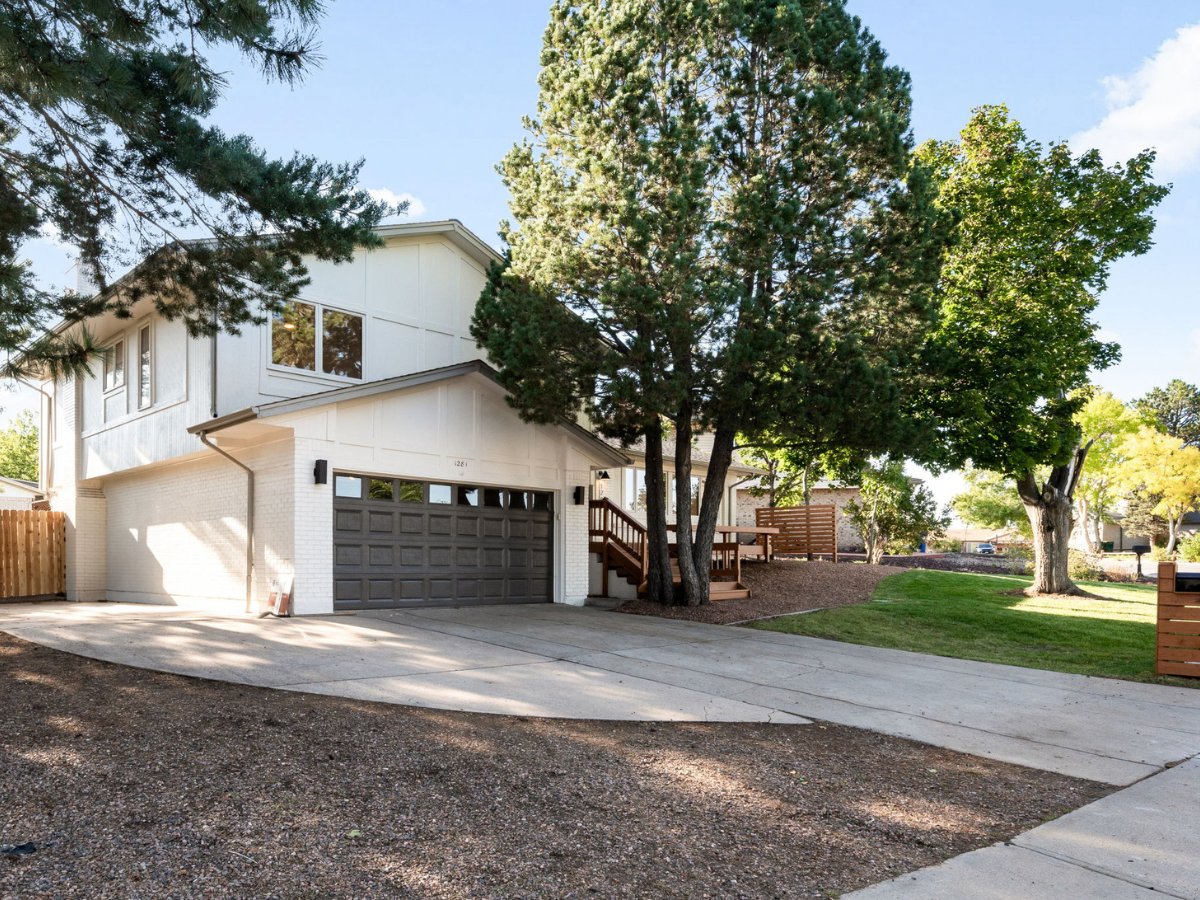
Applewood is known for:
Single-family homes
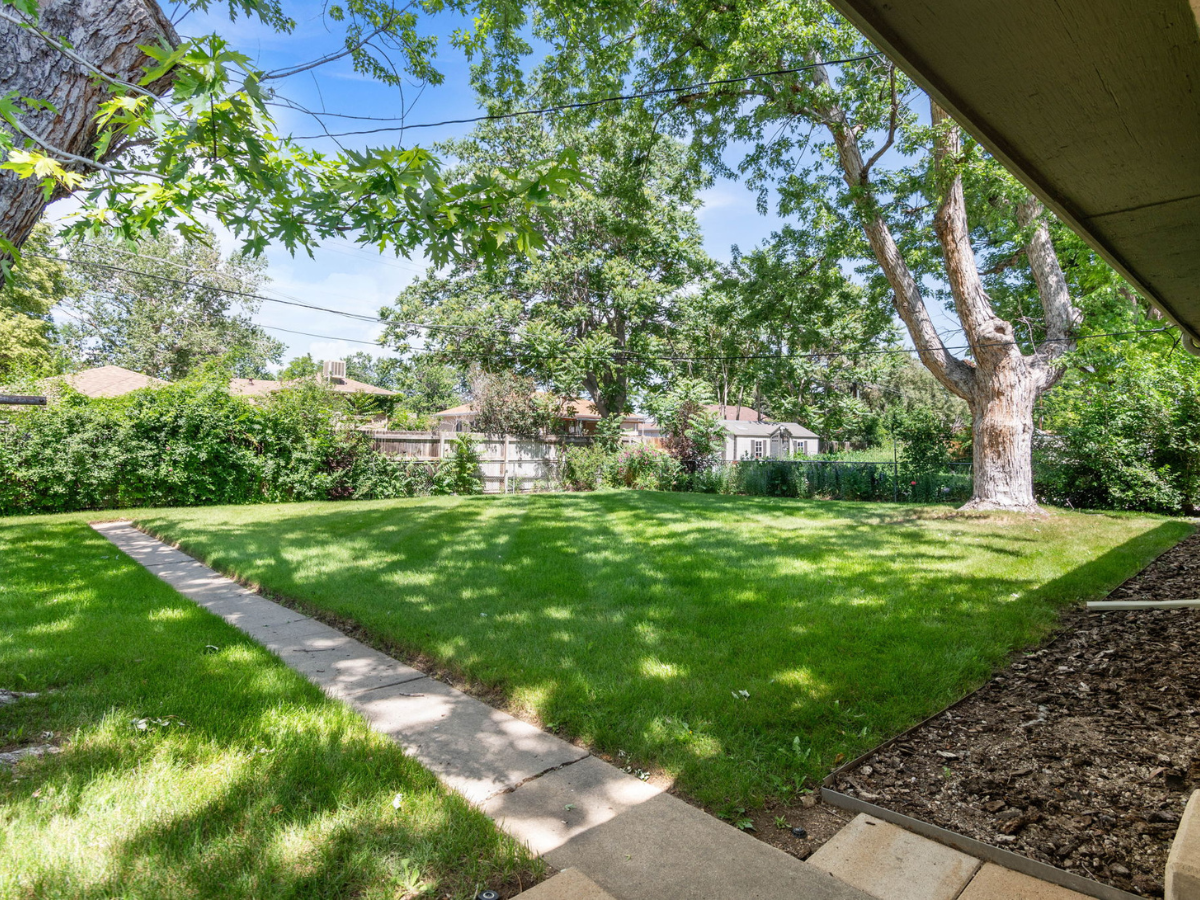
Larger lots with mature trees
Ranch and mid-century architecture
More privacy and space between neighbors
Many buyers are surprised by how much space Applewood homes offer compared to similarly priced properties inside Denver.
Denver provides a broader range of housing types:
Condos and townhomes
Historic bungalows and Victorians
New construction and infill projects
Higher-density neighborhoods
Buyers who want low-maintenance living or new construction often lean toward Denver. Buyers who want yards, garages, and room to grow often prefer Applewood.
Lifestyle and Overall Feel
Applewood has a calm, established, and residential feel. Streets are quieter, neighbors tend to stay longer, and the community feels rooted. Daily life revolves around homes, schools, parks, and nearby open space rather than nightlife or foot traffic.
Denver neighborhoods offer more energy. Restaurants, coffee shops, gyms, and bars are often within walking distance. For buyers who want activity outside their front door, Denver provides a more urban experience.
In simple terms:
Applewood prioritizes space, quiet, and long-term living
Denver prioritizes convenience, activity, and variety
Access to Outdoor Recreation
Outdoor access is strong in both areas, but the experience is different.
Applewood residents enjoy:
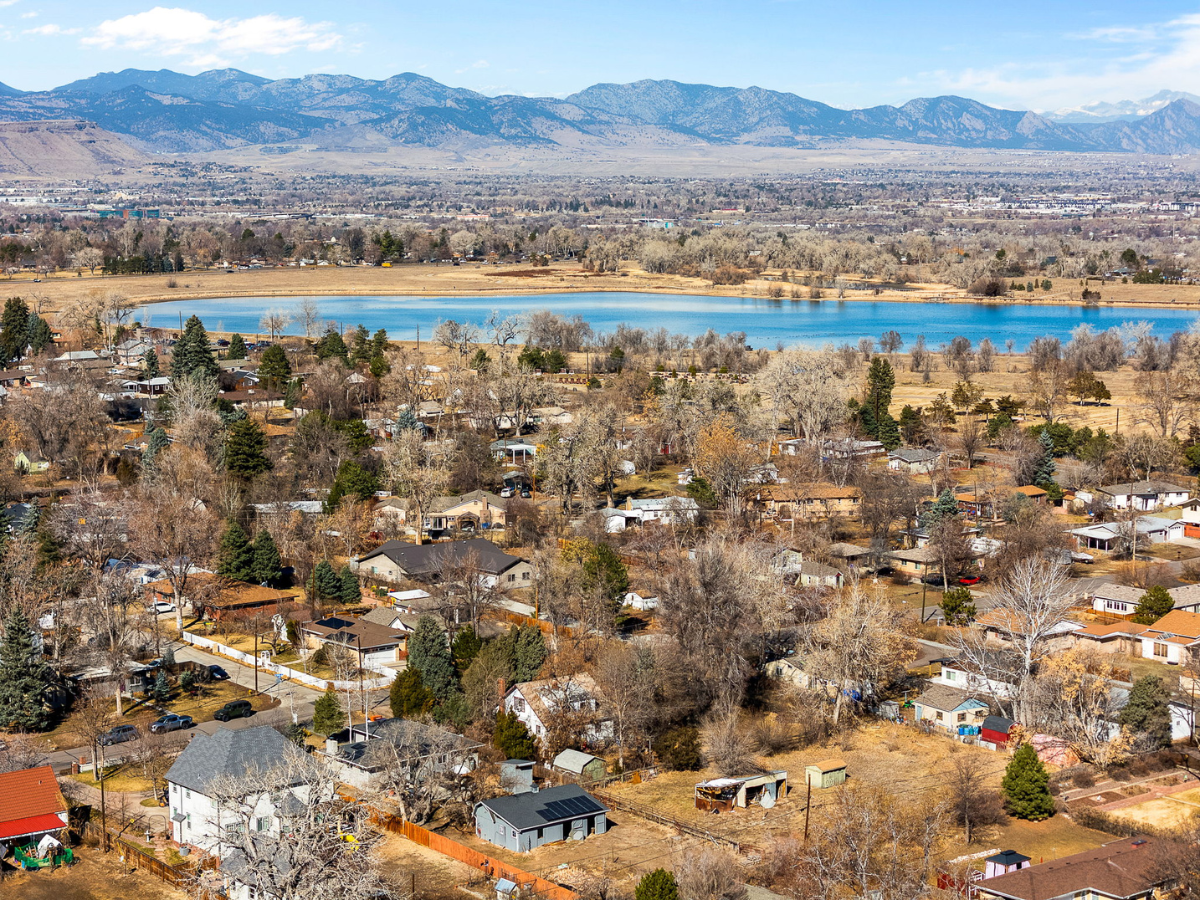
Proximity to Clear Creek and Crown Hill Park
Quick access to hiking and biking trails
Faster routes to the foothills and I-70
A more immediate connection to open space
Denver offers:
City parks integrated into neighborhoods
Urban bike paths and greenways
Organized recreation and events
For buyers who prioritize mountain access and open space, Applewood often has the edge.
Schools and Community Stability
Applewood is primarily served by Jefferson County Public Schools and is known for its long-term residents and stable neighborhood feel. Many families move to Applewood with plans to stay for years, not just a few seasons.
Denver Public Schools provide a wide range of options, including charter and magnet programs, which can be appealing for buyers seeking variety.
The difference often comes down to consistency versus choice.
Cost of Living and Home Prices
Applewood home prices are competitive with many Denver neighborhoods, particularly when considering lot size and square footage. Buyers often find they can get more home and more land in Applewood for a similar price point.
Denver may offer lower entry prices for condos, but single-family homes inside the city often carry a premium due to limited inventory and zoning constraints.
A local analysis matters here, which is why having a real estate agent, who is familiar with Applewood specifically, to compare real numbers across both markets is paramount.
Who Denver Is Best For
Denver may be a better choice for buyers who:
Want walkability and nightlife
Prefer condos or townhomes
Work downtown or nearby
Enjoy an urban pace of life
First-time buyers and those seeking a lock-and-leave lifestyle often start their search in the city.
Who Applewood Is Best For
Applewood is often a great fit for buyers who:
Want more space and privacy
Prefer quieter streets
Plan to stay long term
Value easy mountain access
Want a residential lifestyle close to Denver
Many relocation buyers from California, Texas, and the Midwest find Applewood familiar while still offering the Colorado lifestyle they are seeking.
Final Thoughts
Choosing between living in Applewood and living in Denver is about lifestyle alignment, not just price or location.
Applewood offers space, calm, and access to the outdoors. Denver offers energy, convenience, and density. Both are strong options, and many buyers explore both before deciding.
Working with someone who lives in the community can make that decision clearer. Jason Sirois is an Applewood resident and real estate advisor who helps buyers evaluate Applewood and Denver side by side, with a hyper-local perspective that goes beyond surface-level comparisons.
Frequently Asked Questions
How far is Applewood from downtown Denver?
Roughly 15 to 20 minutes by car, depending on traffic.
Are homes in Applewood cheaper than Denver?
Pricing varies, but Applewood often offers larger homes and lots at comparable price points.
Is Applewood a good place to live long term?
Yes. Many residents choose Applewood for its stability, space, and community feel.
Do Applewood homes usually have HOAs?
Most Applewood homes do not have HOAs.
Check out this article next