
Almost every first conversation with a Denver buyer arrives at the same place. Not “what can I afford” — that one a lender answers in twenty minutes. The harder question is the cash question: how much money do I actually need to have in the bank before I can do this?
It is a better question than it sounds, because the answer is not one number. Buying takes cash at four separate moments — earnest money at contract, inspection costs during the deal, down payment and closing costs at the table, and a reserve for the first months of ownership. Buyers who budget only for the down payment are the ones who get uncomfortable in week three.
Below is how Jason Sirois, a Denver Realtor with FORM at Compass Denver, walks buyers through the real cash requirement — where each dollar goes, how low the down payment can go, which assistance programs change the math, and how the number shifts with where you shop.
The four buckets your cash actually goes into
Thinking in buckets rather than one lump sum makes the whole thing manageable, because the buckets come due at different times and some of them come back to you.
- Earnest money — a good-faith deposit submitted with your offer, commonly around 1% of the purchase price in the Denver metro. It is not an extra cost; it credits toward your down payment at closing.
- Due diligence — inspection, sewer scope, and sometimes an appraisal fee, paid out of pocket during the contract period. Budget several hundred to roughly a thousand dollars, and treat it as spent whether or not the deal closes.
- Down payment and closing costs — the big one, due at the closing table. Closing costs in Colorado commonly run in the neighborhood of 2% to 4% of the purchase price for a buyer, depending on loan type, lender fees, and how prepaids and escrows land.
- Reserves — cash left over after closing. Some loan programs require it; every buyer should want it. Moving costs, a water heater, and a first winter’s utility bills all arrive right after you have spent everything.
The last bucket is the one buyers skip and the one that determines whether the first year of ownership feels good or feels tight.
How low can the down payment actually go?
Lower than most people assume. The 20% figure is durable folklore, not a requirement. It matters for one reason — at 20% down on a conventional loan you avoid private mortgage insurance — but plenty of buyers reasonably pay PMI rather than wait years to save a fifth of a Denver purchase price.
The common floors: conventional loans go as low as 3% down for qualified buyers, with 5% very common. FHA requires 3.5% down with a 580 credit score. VA loans for eligible veterans and service members, and USDA loans in qualifying areas, can require nothing down. Which fits depends on your credit, your debt-to-income ratio, and the property — which is why the first move here is a conversation with a lender, not an online calculator.
The trade-off is worth naming plainly. A smaller down payment means a larger loan, a higher payment, and usually mortgage insurance, but it gets you in sooner and leaves your reserves intact. A larger one lowers the payment and drops PMI but empties the account. Neither is correct in the abstract. Our affordability calculator is a good place to test the monthly consequences of each.
Running the arithmetic on an example
Concrete numbers help, so here is illustrative math on a $600,000 purchase — an example for the mechanics, not a claim about any current median price.
At 5% down, that is $30,000. Add closing costs at roughly 3%, about $18,000, and you are near $48,000 at the table. Earnest money of about $6,000 was already paid and credits toward that total rather than adding to it; inspection work ran perhaps $800 along the way. Then add reserves — two to three months of the new payment plus moving costs — which for most buyers means another $8,000 to $12,000 to feel comfortable. Call it $56,000 to $60,000 all in.
At 3% down on the same house, the table number drops to roughly $36,000. At 20% down it climbs to roughly $138,000. That spread is why the honest answer to “how much do I need” starts with “which loan are we using” and not with a percentage.
Assistance programs that change the math
Colorado has genuinely useful down payment assistance, and it is underused because buyers assume they will not qualify. The income ceilings are considerably higher than most people expect.
metroDPA serves buyers across a set of Front Range cities and counties. Households earning up to $195,600 with a credit score above 640 can qualify, and assistance arrives as a percentage of the first mortgage — 5% on an FHA loan, for example, which is $15,000 on a $300,000 loan. It is structured as a 30-year deferred second mortgage with no interest and no scheduled payments; you repay it only if you sell, refinance, or stop using the home as your primary residence. Funds can go toward the down payment, customary closing costs, or prepaids. You do not need to live or work in Denver — you only need to buy within an eligible area.
CHFA, the Colorado Housing and Finance Authority, offers grants and second-mortgage assistance statewide, including a FirstGeneration program providing up to $25,000 with repayment deferred until you sell, refinance, pay off the mortgage, or move out. CHFA also sponsors free homebuyer education across Colorado in English and Spanish, which is worth doing even if you never use the assistance.
Program terms, income ceilings, and funding availability change, so verify current details with an approved lender before you build a plan around them.
Where your cash goes further in the metro
The same budget behaves very differently depending on where you point it, and the differences are more about property type and location than about quality.
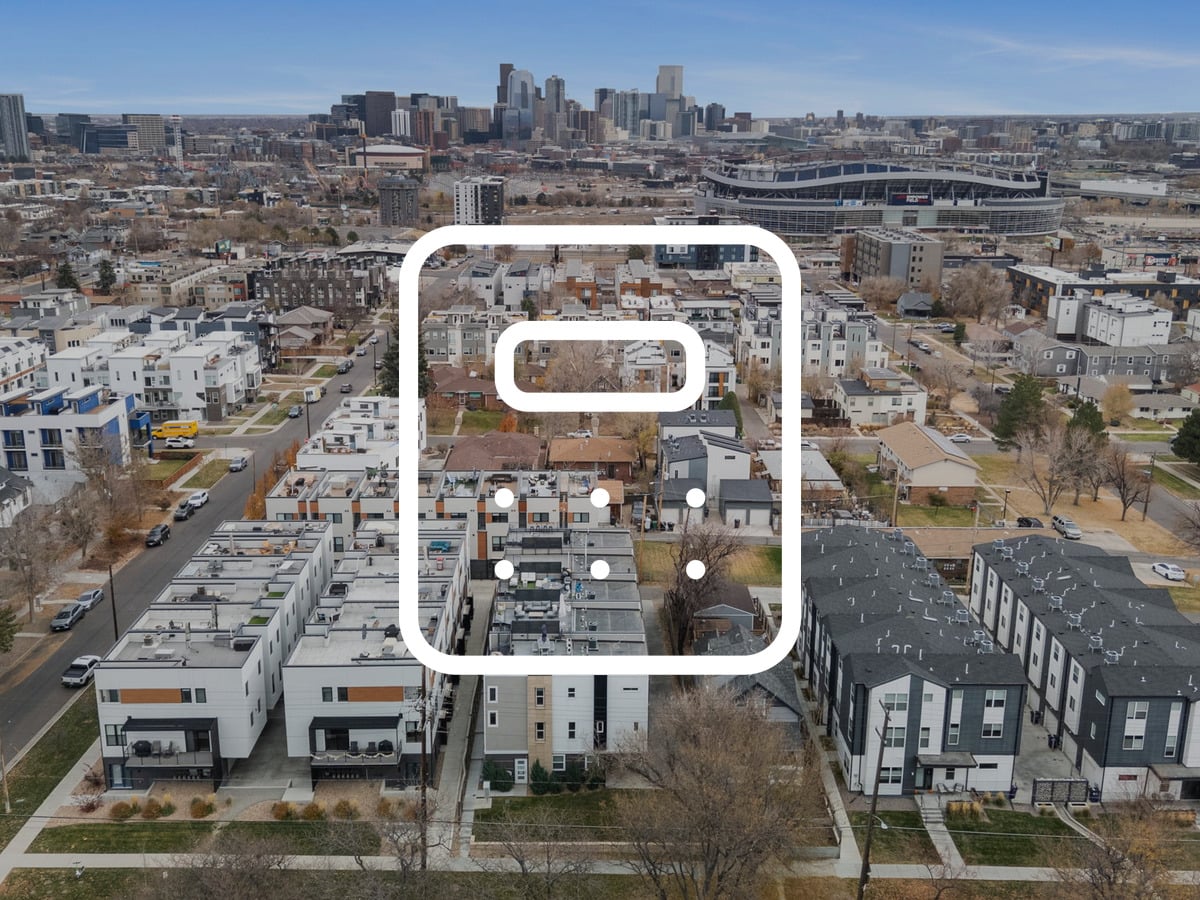
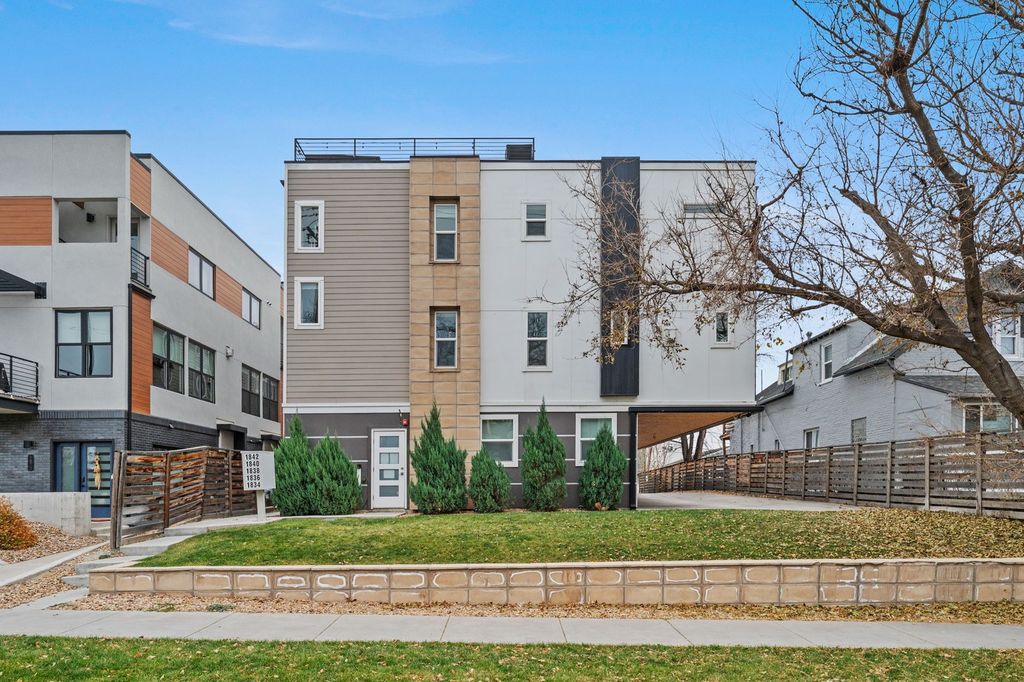
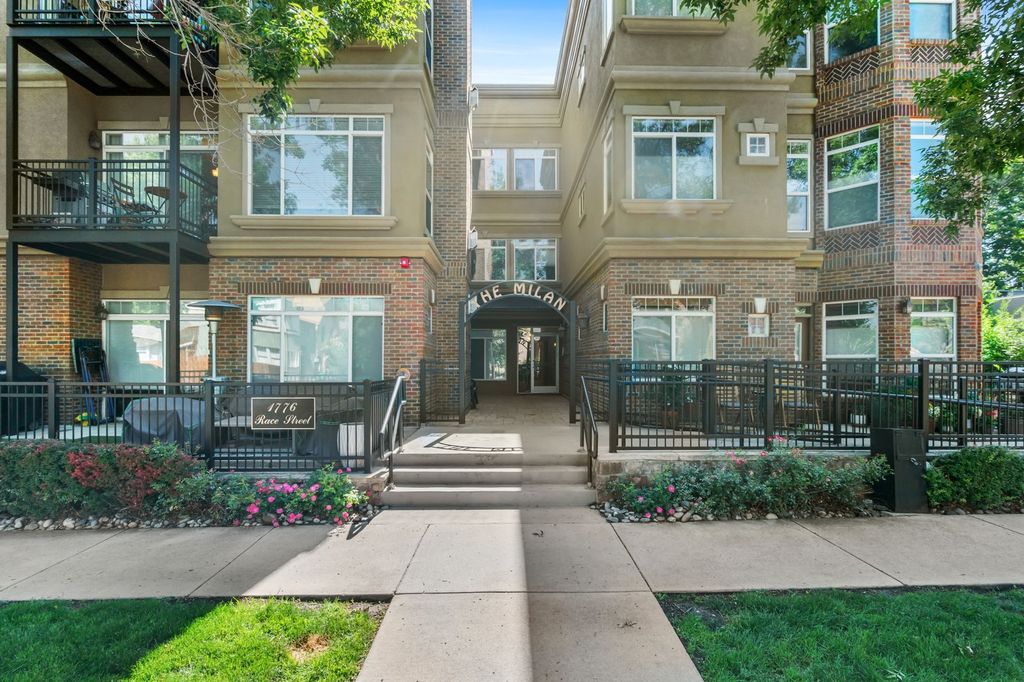
Condos and townhomes remain the lowest cash-to-close entry into central Denver, with the caveat that HOA dues count in your qualifying ratio and lenders scrutinize association finances on some projects. Detached homes at a given price point get larger and newer as you move west and northwest — Wheat Ridge, Lakewood, Edgewater, and Arvada deliver more square footage and yard for the money than comparable central Denver blocks, with a longer commute as the trade.
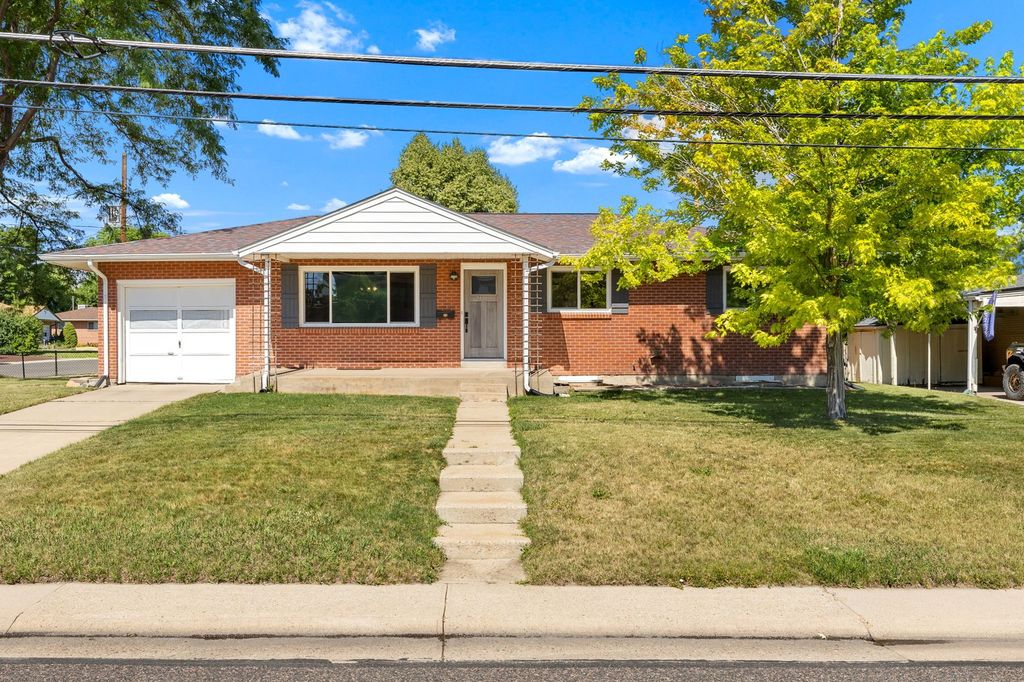
Two costs vary by location rather than list price: property taxes, which differ across counties and special districts, and homeowners insurance, which has risen across the Front Range and deserves a real quote before you finalize a budget. To narrow where your number goes furthest, our Perfect Home Finder is built for that, and the buyer’s guide lays out the sequence from pre-approval to keys.
Frequently Asked Questions
Do I really need 20% down to buy in Denver?
No. Conventional loans start around 3% down, FHA at 3.5%, and VA and USDA can go to zero for eligible buyers. Twenty percent avoids private mortgage insurance, which lowers the monthly payment, but it is not a requirement and it is not the right choice for every buyer.
How much is earnest money in the Denver metro?
Commonly around 1% of the purchase price, though it is negotiable and a stronger deposit can help an offer stand out. It is held in escrow and credited toward your down payment at closing, so it is not an added cost — just cash you need earlier.
What do closing costs actually cover?
Lender origination and underwriting fees, title insurance and closing services, recording fees, an appraisal, and prepaid items like the first year of homeowners insurance and property tax escrow. For a Colorado buyer the total commonly lands around 2% to 4% of the purchase price.
Can down payment assistance be combined with a low-down-payment loan?
Generally yes — that is the point of it. Programs like metroDPA layer on top of an FHA or conventional first mortgage and can cover the down payment and customary closing costs. An approved lender will confirm which combinations work for your credit profile and price range.
How much should I keep in reserve after closing?
Two to three months of the new mortgage payment is a reasonable floor, plus moving costs and a repair cushion. Some loan programs require documented reserves. Even when they do not, closing with nothing left is the most common reason a good purchase feels like a bad one by spring.
Are there costs sellers sometimes cover?
Sometimes. A seller concession toward the buyer’s closing costs is negotiable and shows up more often when a home has been on the market a while. It cannot be counted on in advance, but it is worth having your agent ask, and it can meaningfully reduce your cash at the table.
What is the first step if I am not sure I have enough?
Talk to a lender before you talk yourself out of it. A pre-approval conversation is free, takes under an hour, and produces the two numbers this entire question depends on: the loan programs you qualify for and the cash each one would require.
This article is general information about the home buying process and is not financial, tax, or legal advice. Loan terms, assistance program requirements, closing costs, and tax treatment vary by lender, property, and individual circumstances — please confirm current details with a licensed lender and a qualified professional before making decisions.