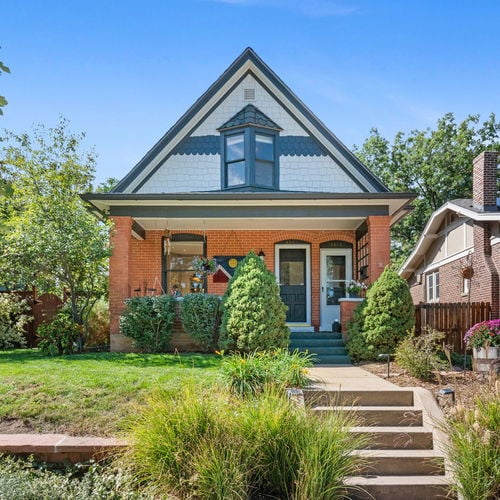

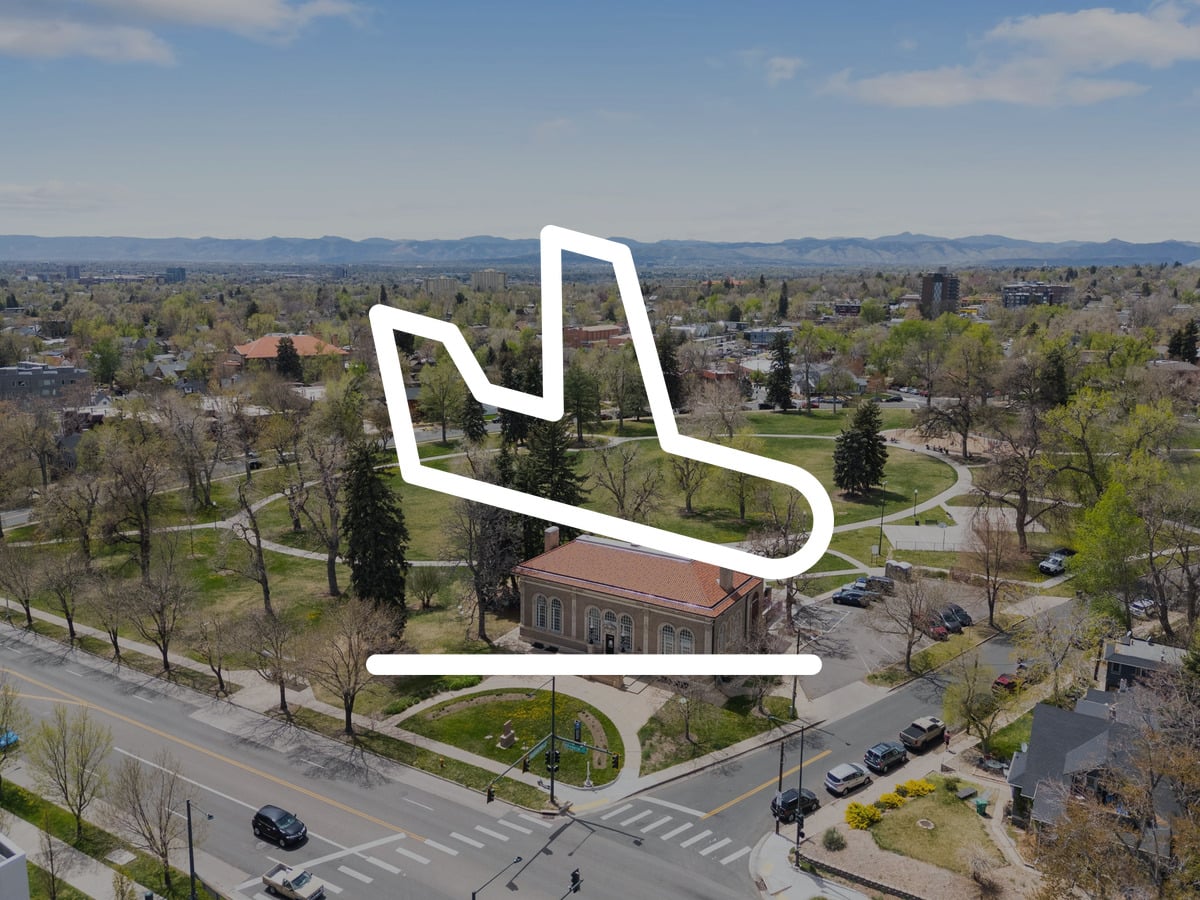
A Denver buyer’s agent who handles remote purchases routinely, working with a lender, inspector and title company who can all operate at a distance, can take a Denver home purchase from search to closing while you are still living in Seattle.
Moving from Seattle to Denver usually happens in the wrong order. The job offer, the lease end date and the moving date rarely line up with the right house coming on the market, so most people end up shopping for a Denver home from 1,300 miles away, between meetings, on a phone screen.
That is more workable than it sounds. Colorado’s purchase process is built on standardized contracts, firm deadlines and title-company closings, and nearly every step can be handled electronically. What a remote buyer cannot do is stand in the kitchen, drive the block at rush hour or hear the highway from the back yard. Someone local has to do that part, and do it honestly.
This post walks through who belongs on a remote Denver buying team, what each person actually does, how the Colorado contract runs when you are out of state, and which trips are worth taking. It draws on the experience of Jason Sirois, a Denver Realtor with FORM at Compass Denver and an Applewood resident who regularly works with buyers relocating from the West Coast.
The Team That Can Buy a Denver Home With You From Seattle
A remote purchase is less about one person and more about a small group of professionals who are comfortable working without you in the room. The core team looks like this:
- A Denver buyer’s agent who tours on your behalf, reads the neighborhood, writes and negotiates the contract, and keeps every deadline on track.
- A lender who can fully underwrite you before you write an offer, so your approval is not built on a Washington pay stub that changes when you start a new role.
- A home inspector and sewer scope provider who send detailed reports with photos and video, and who will get on a call to walk you through findings.
- A title company that handles the escrow, the title commitment and the closing, including remote signing where it is allowed.
- An insurance agent licensed in Colorado who can quote a policy quickly, since roof age and hail history affect coverage here.
The buyer’s agent is the hub, with trusted contacts in every other seat who are used to working with out-of-state clients.
What Your Denver Agent Does When You Cannot Be There
Video tours are the obvious part, but a useful remote tour is not a slow pan around a staged living room. It is a live walk-through where your agent opens closets, runs the faucets, shows the furnace and water heater labels, points the camera at ceiling stains, steps into the back yard to listen, and tells you what the listing photos left out.
The neighborhood work matters just as much. From Seattle you cannot tell whether a block in Sloan’s Lake sits next to a busy arterial, how far a West Highland address really is from the shops along Tennyson Street, or how a lot in Wheat Ridge drains. Your agent can drive the route to your new office at the hour you would commute, check what is planned on the vacant parcel next door, and pull the sold history for the street so you are judging price against closed sales rather than asking prices.
If you are comparing Denver against what your Seattle budget buys, FORM’s breakdown of whether Denver homes are more affordable than homes in Seattle is a good place to set expectations before the first tour.
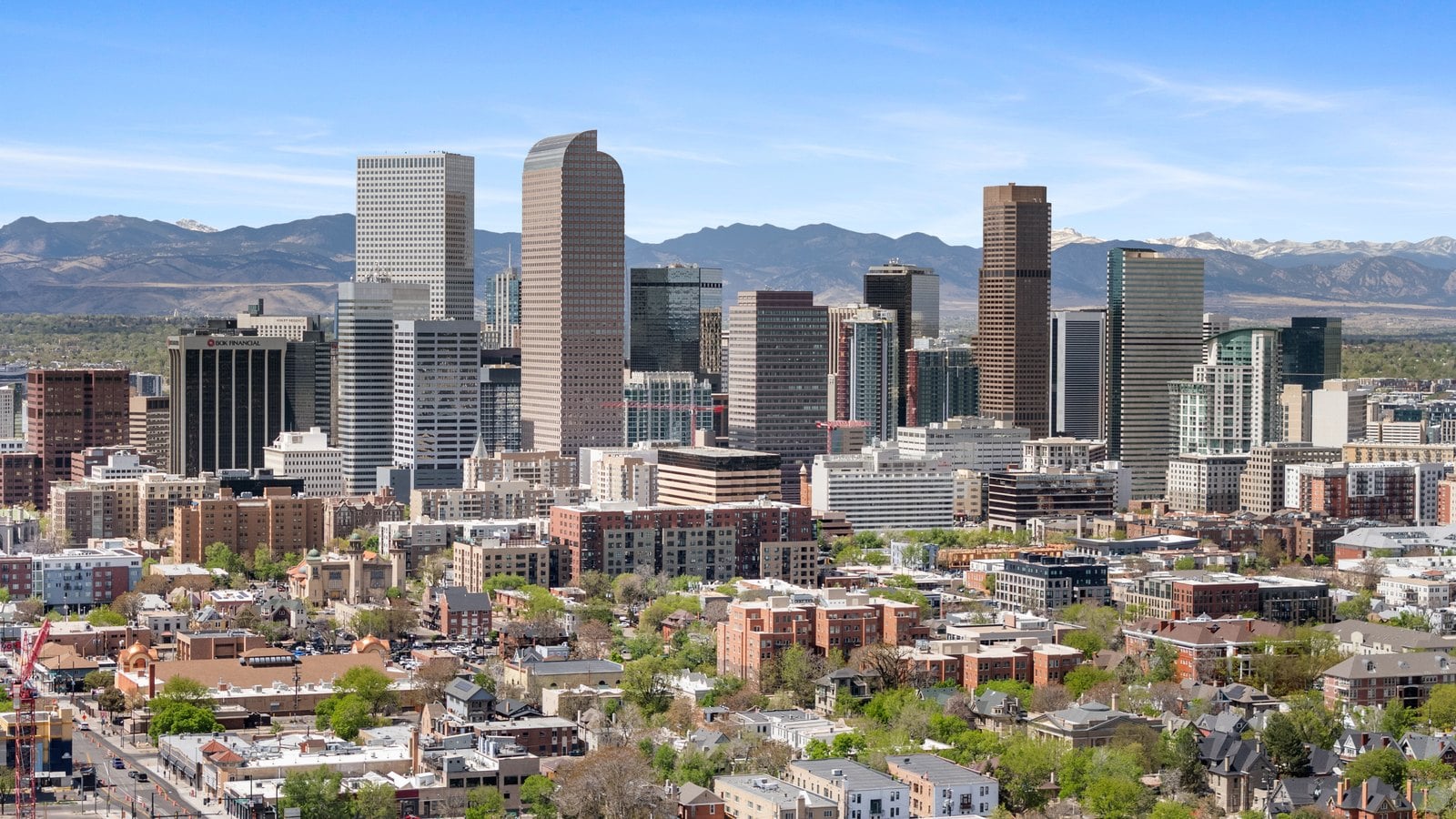
How the Colorado Contract Works When You Are Out of State
Colorado residential purchases are written on forms approved by the Colorado Real Estate Commission, which you can read ahead of time on the Division of Real Estate’s contracts and forms page. The contract is organized around a deadline table: dates for earnest money, loan application, title review, inspection objection, appraisal and closing, among others. Missing one can cost you leverage or your earnest money, so a remote buyer needs an agent who tracks those dates closely and flags them days ahead.
Everything in that process can be signed electronically. Earnest money is usually wired or sent through a secure portal to the title company. Inspection objections, resolutions and amendments move by e-signature.
Closing on a Denver Home Without Flying Back
In Colorado, a title company typically runs the closing rather than an attorney. That makes remote signing more straightforward than in states where a lawyer must be present. Colorado also authorizes remote notarization permanently, and the Colorado Secretary of State confirms a Colorado notary can notarize for a signer who is physically outside the state, provided the notary is in Colorado.
Whether your specific closing can be fully remote depends on two parties: the title company and your lender. Some loan programs and some lenders still require a wet signature on the deed of trust or the note. In that case, a mobile notary can come to your Seattle office or home with the closing package, and the signed documents are shipped back overnight. Ask your lender about it at preapproval.
The Trips Worth Taking From Seattle
Fully remote purchases happen, but most out-of-state buyers make one or two well-timed trips.
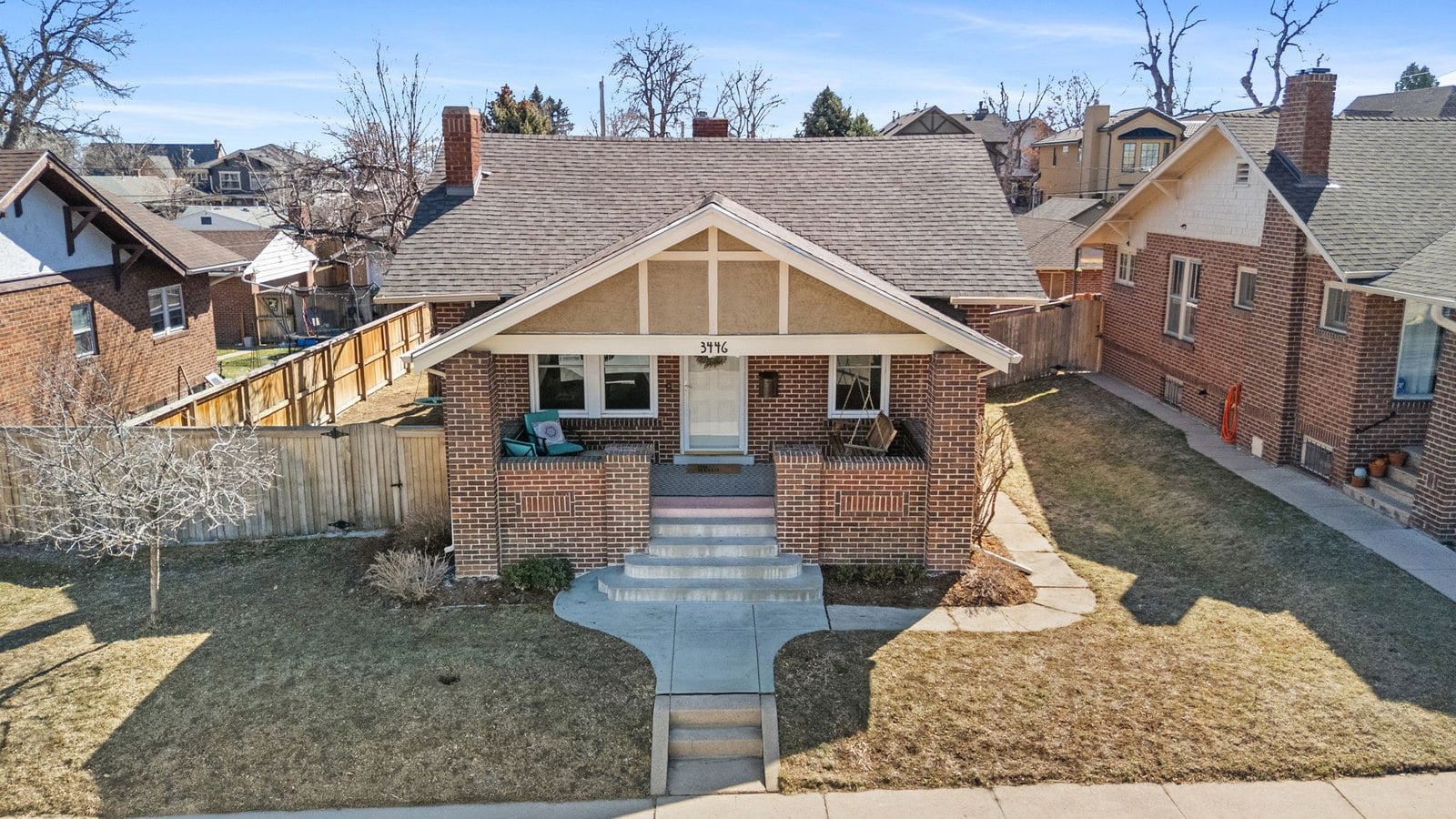
The first trip is a scouting trip, ideally early. Spend a weekend driving between candidate areas: the lake loop and the newer townhomes around Sloan’s Lake, the brick bungalows and Tennyson Street shops in Berkeley and West Highland, and the larger lots and ranch homes in Wheat Ridge and Applewood a few minutes farther west. FORM’s Sloan’s Lake community guide is a useful primer before you go. The goal is to narrow the map, not to buy.
The second trip, if you take one, is usually timed for the inspection period. Walking the house in person with the inspector’s findings in hand is the best way to confirm the decision. If you cannot travel, a recorded inspection and a live call with the inspector is a reasonable substitute.
Seattle-to-Denver Differences That Change Your Search
Some things that are routine in a Seattle purchase work differently here, and they affect which homes make the short list:
Basements. Many Denver homes have basements, finished or not. A basement bedroom needs proper egress, so ask whether finished space was permitted before counting it.
Radon and sewer lines. Radon is common along the Front Range, and testing during inspection is standard. Sewer scopes are also routine in Denver’s older neighborhoods, where clay and cast-iron lines and mature tree roots are common.
Roofs, hail and cooling. Hail is a real factor in Colorado roof age and insurance premiums. Many older homes have no central air, or use an evaporative cooler, which works well in Denver’s dry climate.
Taxes. Washington has no state income tax. Colorado has a flat state income tax, but property taxes in the Denver area tend to run lower relative to home value. Talk to a tax professional about your situation before you compare the two.

Frequently Asked Questions
Can I buy a house in Denver without seeing it in person?
Yes. Buyers do it regularly using live video tours, detailed inspection reports and electronic signatures. The key is a local agent who will show you the flaws as clearly as the features, and an inspection period long enough to review findings properly from Seattle.
Do I need a Colorado lender to buy a Denver home?
No, but your lender must be licensed to lend in Colorado and comfortable with local appraisal timelines. A lender who already works with Denver title companies tends to keep a remote closing on schedule.
Can I close on a Denver home while I am still in Washington?
Often, yes. Colorado permits remote notarization for signers outside the state, and title companies here run closings. If your lender requires wet signatures, a mobile notary can meet you in Seattle and overnight the documents back.
How many trips should I plan before buying?
Most buyers moving from Seattle take one scouting trip to narrow down neighborhoods, then decide whether to return during the inspection period. Some buy with no trip at all, especially when they already know the area or are under a tight relocation deadline.
When should I start working with a Denver agent?
Earlier than you think. A month or two before you plan to buy gives your agent time to learn what you value, set up searches, preview neighborhoods and line up a lender, inspector and title company, so you can move quickly when the right home appears.
How do I avoid wire fraud when buying remotely?
Never act on wiring instructions sent by email alone. Call the title company using a phone number you looked up yourself, confirm the account details out loud, and tell your agent before sending any funds. Legitimate title companies expect that call.
If you are planning a move from Seattle and want a clear plan for buying before you arrive, Jason Sirois and the team at FORM at Compass Denver are glad to walk through neighborhoods, timing and the remote process with you. Reach out here to start the conversation.
This article is general information, not legal, tax or financial advice. Rules for notarization, lending and taxes change, and your situation may differ. Confirm details with a licensed professional before making decisions.