

If you are weighing a move — or an investment — between Denver and Seattle, affordability is usually near the top of the list. Both are desirable Western cities with strong job markets, real outdoor access, and neighborhoods people fall in love with. But when you put their housing costs side by side, the gap is larger than a lot of people expect.
As of spring 2026, Seattle’s average home value sits around $865,000, while the Denver metro’s median close price is roughly $580,000. That is a difference of well over a quarter-million dollars on a typical home — enough to change the size of house you can buy, the neighborhoods that are realistic, and the monthly payment you will actually live with.
Here is how Jason Sirois, a Denver Realtor with FORM at Compass Denver and an Applewood resident, frames the comparison for buyers deciding between the two markets.
The headline number: what a typical home costs
Denver is meaningfully more affordable than Seattle on a straight price-per-home basis. The roughly $285,000 spread between the two medians is not a rounding difference — at today’s rates, that gap alone can translate into a substantially lower monthly payment for a comparable home. Both markets have cooled a little from their peaks (Seattle’s values are down about 2.5% year over year, Denver’s median off around 1.7%), so buyers in both cities have more room to negotiate than they did a few years ago, but the underlying affordability advantage in Denver has held.

What your money buys
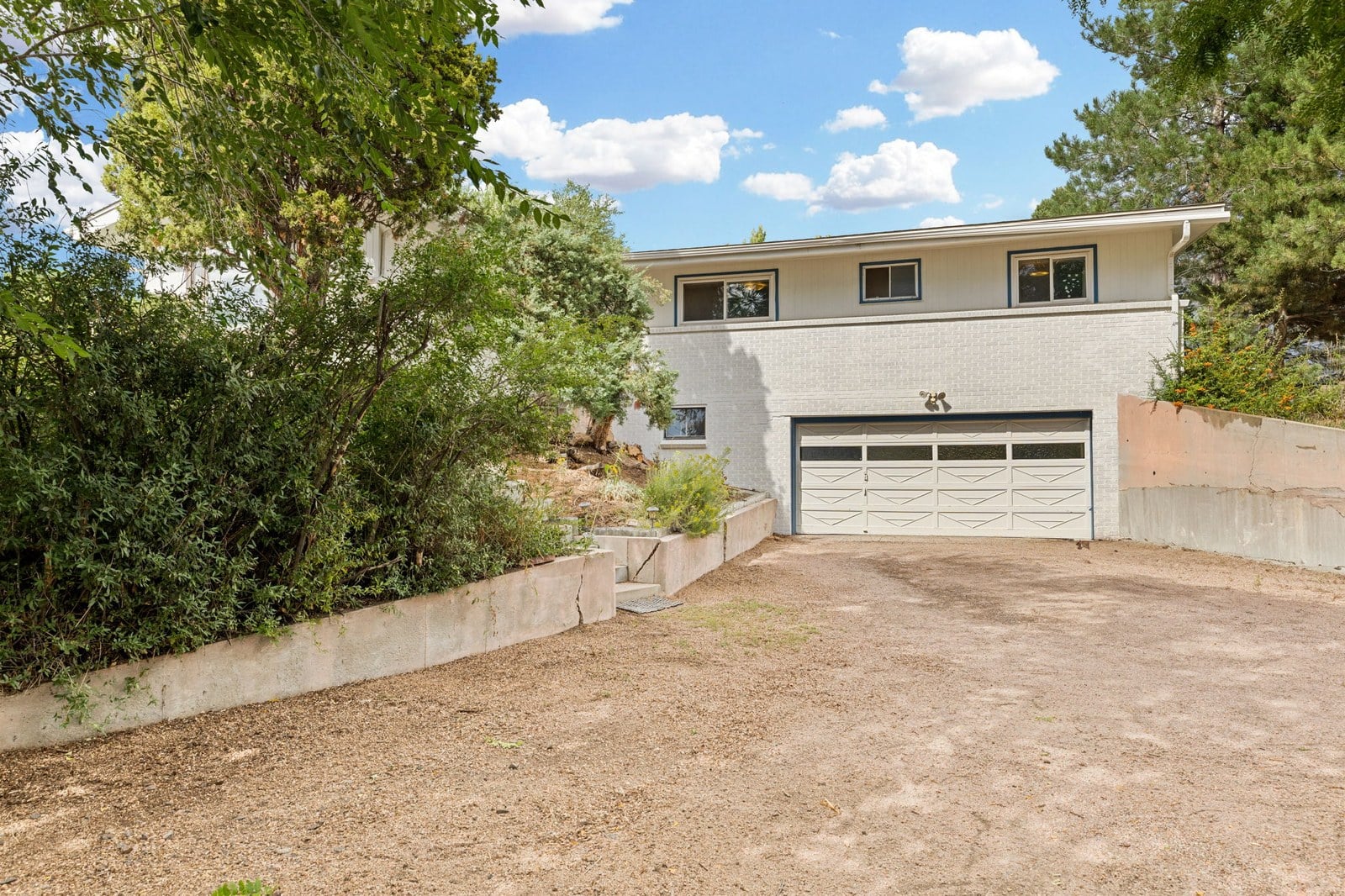
Price is only the start. In Denver, the same budget more often reaches a single-family home with a yard in an established neighborhood, whereas in much of Seattle proper that budget leans toward townhomes and condos. Denver’s metro also spreads across a wide range of price points — from close-in neighborhoods to more space-for-your-dollar communities on the west side like Applewood and Wheat Ridge — which gives buyers real flexibility to trade commute time for square footage. If you want to see what a specific budget buys here, our Perfect Home Finder is a simple way to start.
Beyond the sticker price
Affordability is about more than the purchase price, and this is where the two cities diverge in ways worth understanding:
- Income taxes: Colorado has a flat state income tax, while Washington has no state income tax — a point that can offset some of Seattle’s higher housing cost depending on your income.
- Property taxes: Colorado’s effective property tax rates are among the lower ones in the country, which helps monthly affordability.
- Everyday costs: Overall cost of living tends to run higher in Seattle, though specific categories vary.
None of this is tax advice — how these pieces net out depends on your income, your household, and your situation, so it is worth talking through with a professional. But for many buyers, the combination of a lower home price and lower property taxes makes Denver the more affordable landing spot overall. To see how a Denver purchase pencils out for you, the affordability calculator is a good first pass.

So, is Denver more affordable?
On the numbers that matter most to a buyer — home price, property taxes, and what a given budget actually buys — Denver is more affordable than Seattle in 2026, and by a wide enough margin to matter. Seattle offers plenty that Denver does not, and the right answer depends on your job, your lifestyle, and where you want to be. But if the housing math is a deciding factor, Denver gives you more room.
Frequently Asked Questions
Is Denver cheaper than Seattle to buy a home?
Yes. In spring 2026, Denver’s median close price is around $580,000 versus roughly $865,000 for Seattle’s average home value — a gap of more than a quarter-million dollars on a typical home.
Does Washington’s lack of a state income tax make Seattle more affordable overall?
It can help, depending on your income. Washington has no state income tax while Colorado has a flat state income tax, so higher earners may recoup some of Seattle’s housing premium there. But Denver’s lower home prices and lower property taxes still make it the more affordable market for most buyers. This is general information, not tax advice.
What does a typical budget buy in Denver versus Seattle?
In Denver, a mid-range budget more often reaches a single-family home with a yard in an established neighborhood. In much of Seattle, the same budget leans toward townhomes and condos closer to the core.
How do I figure out what I can afford in Denver?
Start with FORM’s affordability calculator to get a payment range, then connect with Jason to refine it with current rates and the neighborhoods you are considering.
Considering a move to Denver from Seattle or anywhere else? Jason Sirois and FORM at Compass Denver help relocating buyers understand what their budget really buys here. Explore how we work with buyers to get started.