
Most Applewood buyers want an updated home rather than a rebuilt one. Kitchens, baths and mechanical systems get the hardest look, while original mid-century layouts, hardwood floors and brick exteriors usually read as assets rather than problems.
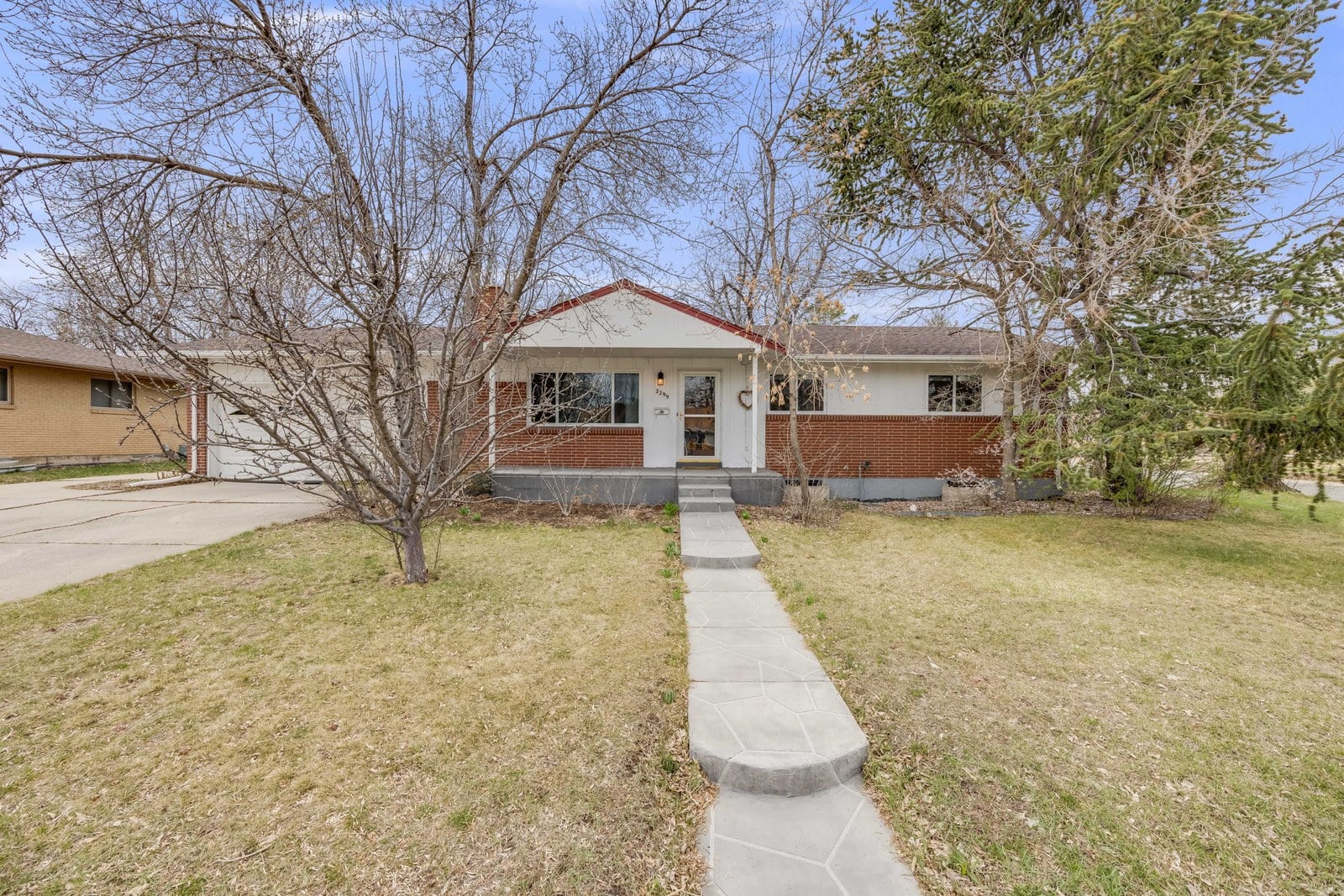
Applewood’s housing stock is unusually consistent. Drive the streets between Youngfield and Kipling, north and south of West 32nd Avenue, and the same story repeats: brick ranches and split-levels built largely between the 1950s and the 1970s, on quarter-acre and larger lots with mature trees. Some have been taken down to the studs. Some still have their original kitchens. Most sit somewhere in between.
That mix is why the question comes up so often. A seller with an original 1964 ranch wants to know whether buyers will punish them for the oak cabinets, or whether the money is better left in the bank. A buyer touring the same house wants to know whether they are looking at a bargain or a project. Both are asking the same thing: how much does condition move the number in this particular neighborhood?
Jason Sirois is a Denver Realtor with FORM at Compass Denver and an Applewood resident, and the pattern he sees on tour is consistent enough to plan around. Buyers here are not looking for a gut renovation. They are looking for a house that does not hand them an immediate list of expensive, disruptive jobs. Those are different standards, and the gap between them is where most of the money is.
What Applewood buyers actually mean by “renovated”
When a buyer in this part of the west metro says they want a renovated home, they rarely mean a designer remodel. They mean they can move in without scheduling a contractor in the first ninety days. In practice that comes down to a short list: a kitchen that functions and looks current, bathrooms that are clean and dry, flooring that runs continuously rather than changing at every doorway, and mechanical systems that are not visibly at the end of their lives.
The mechanical piece matters more in Applewood than people expect, because the housing stock is old enough that furnaces, water heaters, sewer lines, electrical panels and windows all tend to come due around the same time. A buyer who opens the utility room and sees a thirty-year-old furnace beside an obsolete panel starts adding numbers before the tour is finished, and those numbers rarely stop at what the work costs.
The reverse is also true. A house with an ordinary, tidy kitchen and a new roof, sewer scope and furnace often shows better than a house with a showpiece kitchen and deferred maintenance behind it. Buyers discount uncertainty far more heavily than they discount dated finishes.
Where original still wins
Original is not a liability in Applewood. Several of the things that make these houses desirable are precisely the things that were built in and cannot be added later.
Lot size is the clearest example. The quarter-acre-plus lots, generous setbacks and mature landscaping are original features, and a large part of why buyers choose Applewood over newer construction. Solid brick, real hardwood under the carpet, wood-burning fireplaces and full basements with genuine ceiling height all read as quality rather than as datedness.
Layout is more nuanced. Buyers do want an open connection between kitchen and living space, and the original compartmentalized plan is the thing sellers are most tempted to change. But opening a wall in a ranch is often a contained project, and buyers who want it will usually take it on themselves at a fair price. What they will not take on cheaply is a chopped-up addition, a bedroom you walk through to reach another bedroom, or a basement conversion done without permits.
What a dated home costs you at the negotiating table
An original home in Applewood does not fail to sell. It sells to a narrower group of buyers, usually for less, and often after more days on the market and a round of inspection negotiation. Sellers tend to underestimate that last part, because it happens in a conversation nobody sees on the listing history.
The practical difference shows up in four places:
- Buyer pool. Financed buyers with limited cash after closing self-select out of homes that need immediate work, which thins the competition.
- Time on market. Fewer competing offers means fewer chances to hold a strong price, and time on market itself becomes a negotiating point.
- Inspection credits. Aging mechanicals, sewer lines and roofs are the most common source of concessions, and they are negotiated against a contractor bid rather than against taste.
- Appraisal support. When the recent comparable sales nearby have all been updated, an original home is being valued against homes it does not resemble.
None of that argues for a gut renovation. It argues for knowing which of the four you are exposed to before pricing. Metro-wide context on pace and pricing is published monthly by the Denver Metro Association of Realtors, which is worth reading alongside the neighborhood picture rather than instead of it.
Which projects pay, and which ones do not
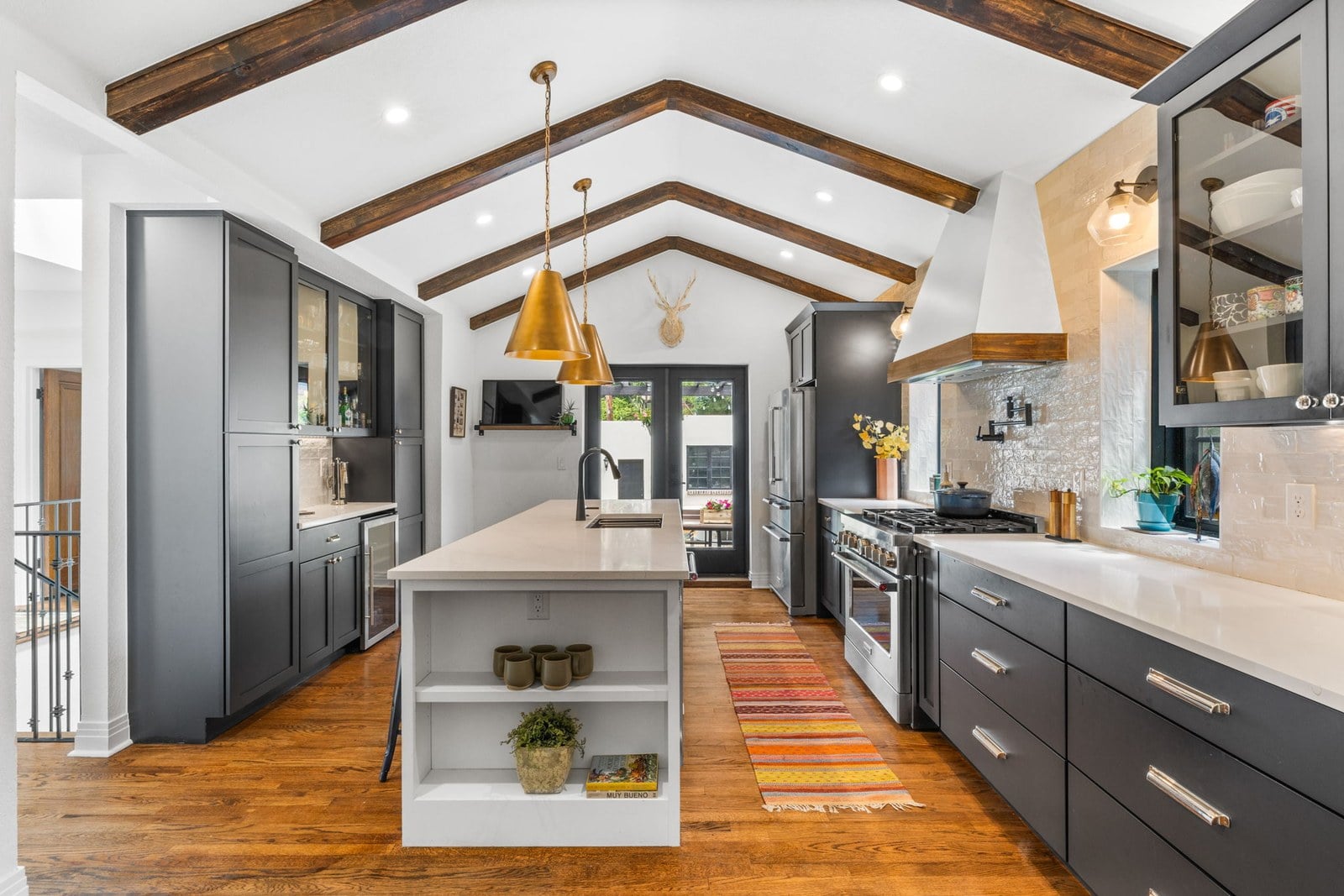
The remodeling industry’s annual Cost vs. Value study breaks results out by region, and the Mountain region figures line up closely with what happens on Applewood contracts. In the 2025 report, a midrange minor kitchen remodel recouped roughly 110 percent of its cost at resale, while a midrange major kitchen remodel recouped about 49 percent and an upscale one about 35 percent. A midrange bath remodel landed near 69 percent. Exterior work did best of all: garage door replacement recouped more than 200 percent, and steel entry door replacement and fiber-cement siding both cleared 100 percent.
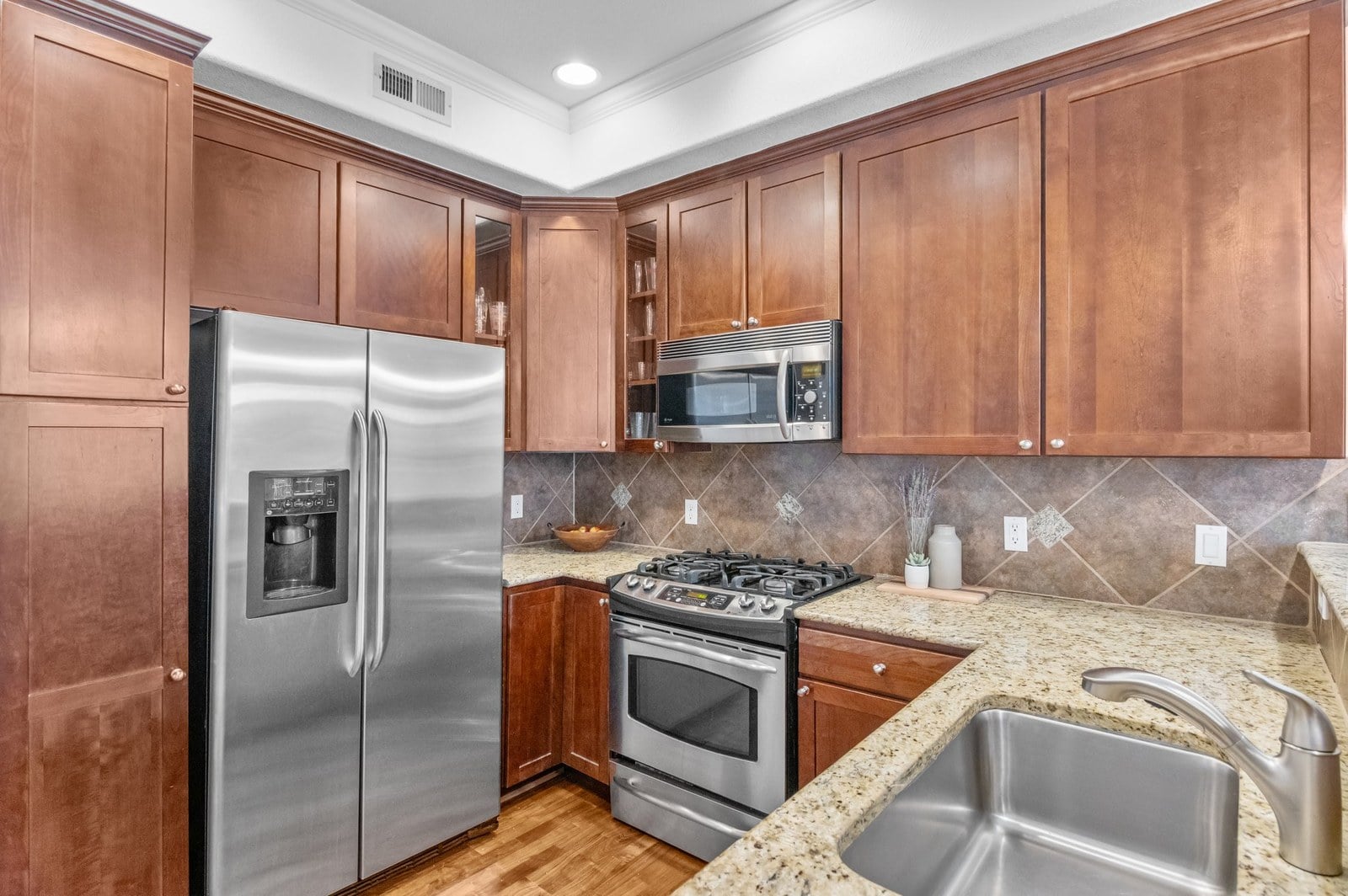
The pattern is hard to miss. The projects that pay refresh what is already there. The projects that lose money replace it. A minor kitchen remodel keeps the cabinet boxes and the footprint and changes doors, counters, hardware, appliances and paint. A major kitchen remodel moves plumbing and takes six weeks. Buyers pay for the first outcome and rarely pay a premium for the second.
Curb appeal is the other consistent winner, and the one Applewood sellers skip most often. A clean roofline, a new garage door, a fresh front door and trimmed landscaping change the first ten seconds of a showing. There is more detail in our post on which updates add the most value to an Applewood home.
How to decide, in three seller profiles
If your home is sound and cosmetically dated, do the cosmetic work. Paint, flooring, light fixtures, a minor kitchen refresh and a tidy exterior are the highest-return dollars available to you, and they widen the buyer pool immediately.
If your home is cosmetically fine but mechanically tired, spend on the mechanicals instead. Buyers forgive an older kitchen far more easily than a sewer line they have to replace in year one, and documented recent work removes leverage that would otherwise come out of your price.
If your home needs both, the honest answer is often to sell it as it stands, priced for the buyer who wants a project, and to be transparent about condition from day one. Applewood has a real audience for that house, including buyers who specifically want to renovate to their own taste on a large lot. Trying to half-renovate your way into the turnkey category is the most expensive path of the three. Our seller’s guide walks through how that decision affects pricing and timing.
Frequently Asked Questions
Do Applewood buyers pay more for a fully remodeled home?
They pay more, but usually not enough to cover a full remodel. The premium for turnkey condition shows up in buyer pool size and speed as much as in price, and sellers who remodel in order to sell typically capture a fraction of what they spent. Targeted updates outperform whole-house projects.
Is an original 1960s kitchen a dealbreaker in Applewood?
No. It narrows the buyer pool and invites a price conversation, but original kitchens sell here regularly. What kills momentum is an original kitchen combined with unaddressed maintenance, because the buyer then has to solve two problems at once.
Should I open the wall between the kitchen and living room before listing?
Usually not, unless the work is simple and you were going to do it anyway. Buyers who want an open plan will pay for the potential, and a partially executed opening with mismatched flooring and ceiling patching reads worse than the original wall.
What about a home that has been renovated badly?
A poor renovation is harder to sell than an original home, because the buyer has to pay to undo work before doing their own. Unpermitted basement finishes and non-conforming bedrooms are the two that most reliably cost money at resale.
Do buyers care about permits on past renovations?
Increasingly yes, and their inspectors and lenders care too. Jefferson County records are straightforward to check, and unpermitted work becomes a negotiating point. Gathering permit documentation before listing is cheap preparation.
Is it better to buy an original Applewood home and renovate it myself?
For many buyers, yes, provided they have cash beyond the down payment and realistic contractor timelines. You buy the lot and the location at a lower entry price and control the finish level. The risk is underestimating mechanical work, which is where original Applewood homes most often surprise people.
This article is general information about the Applewood housing market and is not tax, legal or financial advice. Renovation returns vary by property, and permit rules change; confirm current requirements with Jefferson County and consult the appropriate professional.