

Both, but not equally. Denver’s median listing runs about 200 square feet smaller than Dallas-Fort Worth’s, while costing roughly 40 percent more per square foot, so the price gap is the far bigger story for anyone moving from Dallas to Denver.
This comes up on nearly every Dallas relocation call, usually phrased as a suspicion rather than a question: I know Denver is expensive, but am I also going to get less house? The answer is yes to both halves. What surprises people is the ratio between them.
The size difference is real but modest, and much of it disappears once you understand how the two markets count square footage. The price difference is neither modest nor explainable away. Where buyers get into trouble is assuming the two move together, and budgeting as though a 10 percent smaller house should cost roughly 10 percent less.
Jason Sirois, a Denver Realtor with FORM at Compass Denver, works with a steady stream of Texas buyers, and the conversation goes better with the numbers on the table early. Here is what the public data shows, where it stops being useful, and what it means for how you shop.
The size gap: roughly 200 square feet at the median
Realtor.com publishes median listing size for every major metro, and the St. Louis Fed republishes it as a clean monthly series. The Denver-Aurora-Lakewood median has run roughly 180 to 200 square feet below the Dallas-Fort Worth-Arlington median, month after month. The gap has been widening: a year earlier it was well under half that, as Denver listings trended smaller while Dallas-Fort Worth listings trended larger.
So Denver homes are smaller, by something on the order of 9 percent. That is meaningful, but it is a bedroom, not a floor, and it is well short of what most Texas buyers picture when they imagine downsizing to Colorado.
Two caveats matter. This measures homes currently listed, not all homes standing. And both series cover the full metro, including the outer suburbs where floor plans are largest in both places: compare central Denver against Frisco and the gap widens considerably, compare Aurora against Garland and it nearly closes.
The price gap is the real story
Where the two markets genuinely diverge is cost. Denver’s median listing price per square foot has been running roughly 40 percent above Dallas-Fort Worth’s, and that premium has held steady month after month. It is a premium on every square foot you buy.
The headline numbers say the same thing: the Denver median listing price sits well above the Dallas-Fort Worth median even though the Denver home is the smaller of the two. Within the Denver metro, detached and attached homes sit in clearly separate tiers of their own.
Zoom out from listings to what people actually own and the gap is wider still. Census Bureau data for 2020 through 2024 puts the median value of an owner-occupied home at $616,000 in the city of Denver and $320,700 in the city of Dallas. Incomes do not close that: median household income over the same period was $94,718 in Denver and $70,518 in Dallas. Denver earns about 34 percent more and pays roughly 92 percent more for a house.
Why Denver square footage counts differently
Part of the size gap is a measurement artifact, and it catches Texas buyers off guard at their first showing.
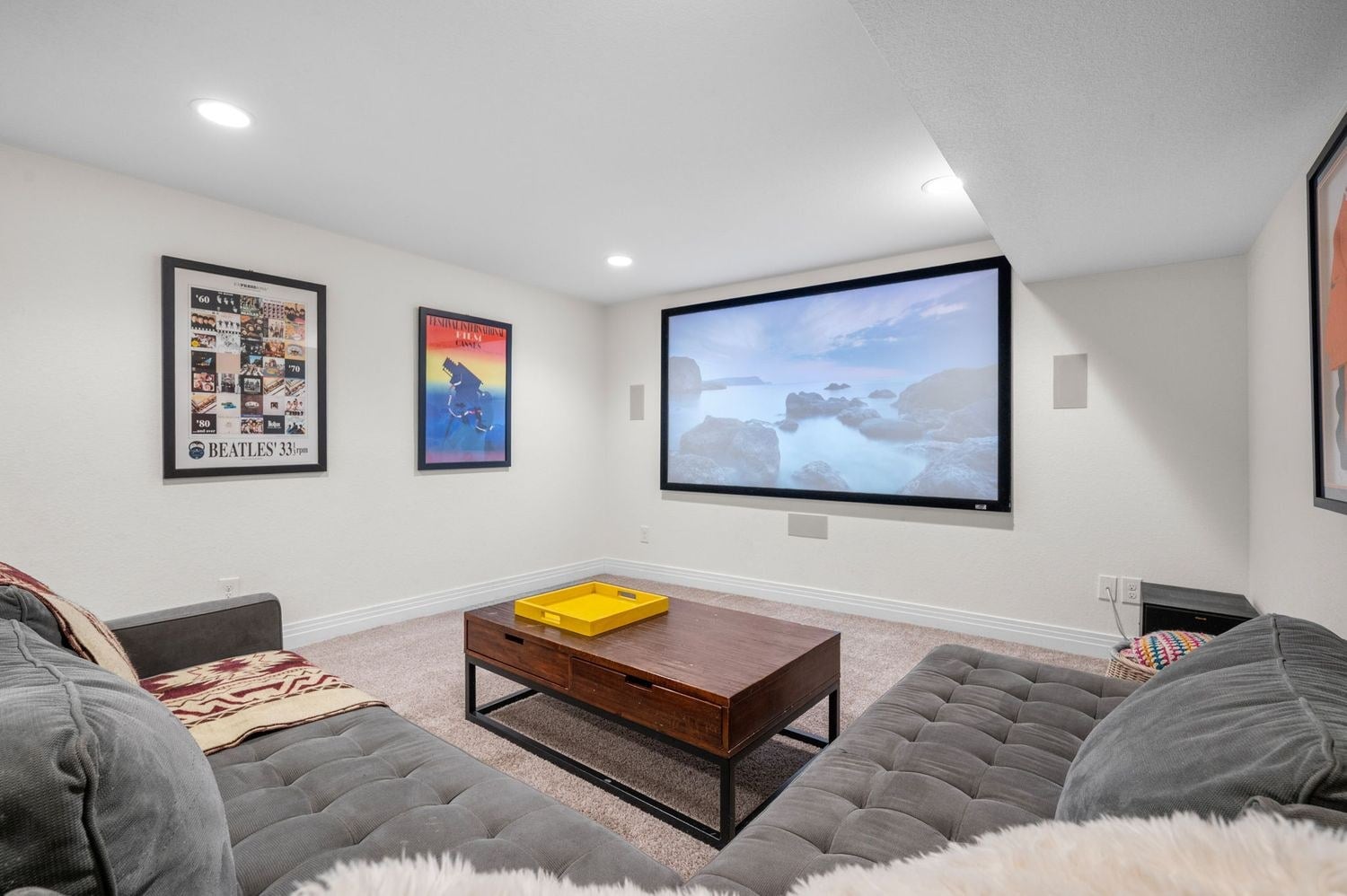
Colorado homes are built over basements. North Texas homes, on expansive clay soil, are built on slabs. That single difference reshapes how a listing reads. A Denver brick ranch advertised at its main-floor square footage often has nearly as much space again downstairs, some finished, some not, and how that space is counted varies from listing to listing. A Dallas home advertised at 2,200 square feet is generally 2,200 square feet, all above ground.
The practical effect is that Denver homes often live larger than their listed size suggests, and that the basement deserves more of your attention here than it would at home. Finished condition, ceiling height, egress windows, and any history of water intrusion all move value, and none of them show up in the number at the top of the listing.
Lots run tighter too. The National Association of Home Builders, working from Census construction data, found the median lot for a new single-family detached home in 2025 was 8,543 square feet nationally, but only about 6,534 square feet in the Mountain division that includes Colorado. Denver’s pre-war neighborhoods are tighter again, commonly 4,700 to 6,250 square feet. If a quarter-acre yard is non-negotiable, plan on looking west toward Wheat Ridge, Applewood, Arvada or Lakewood rather than in the central neighborhoods.
The number the sticker price hides
Comparing purchase prices alone flatters Colorado less than it should, because the two states fund themselves in opposite ways. Texas levies no state income tax and leans heavily on property tax instead, which is why annual tax bills on a Dallas-area home routinely surprise people who moved from elsewhere. Colorado charges a flat state income tax and keeps residential property assessment rates comparatively low, so the annual carrying cost on a Colorado home is generally a smaller share of its value than the equivalent Texas bill.
The gap between the two markets is therefore narrower on a monthly basis than the purchase prices suggest, though it does not close. Before you shop, model a specific Denver price point against your current all-in monthly housing cost, including taxes and insurance, rather than comparing list prices side by side. Our post on how the cost of living in Denver compares with Dallas works through the rest of the household budget.
- Median listing size: Denver metro runs roughly 180 to 200 sq ft below Dallas-Fort Worth
- Price per square foot: Denver runs about 40 percent higher
- Median listing price: Denver is higher despite the smaller home
- Median owner-occupied value, 2020 to 2024: Denver $616,000, Dallas $320,700
- Foundations: basements standard in Colorado, slabs standard in North Texas
What this means for how you shop
The instinct most Dallas buyers arrive with is to hold square footage constant and accept a higher price. That works, but it is the most expensive version of the move: you pay Denver’s premium on the part of the house you use least.
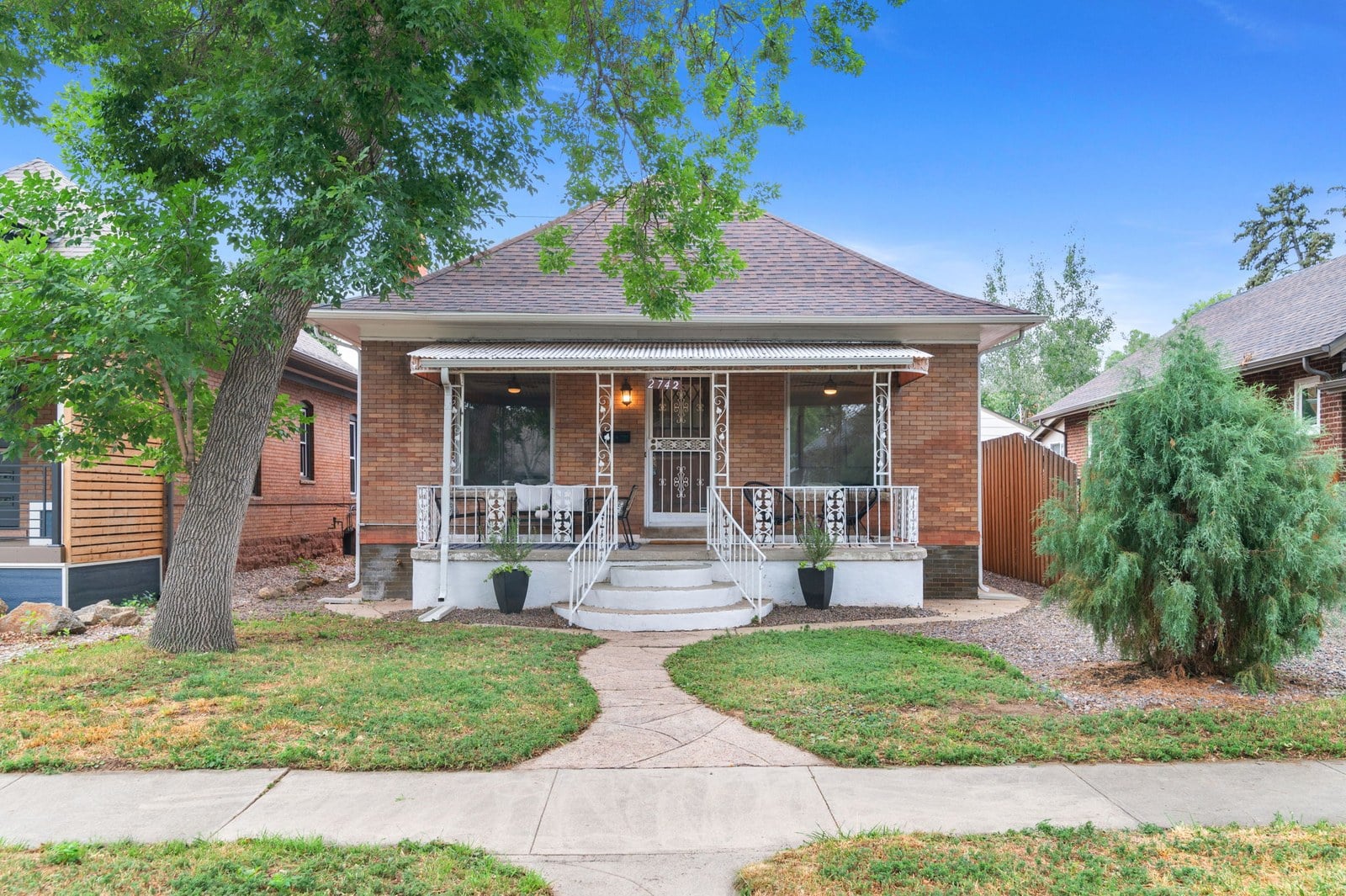
The buyers who land well tend to do one of two things. Some trade footage for location, taking a smaller pre-war home in a walkable central neighborhood and treating the walkability as the thing they bought. Others hold the footage and move west, where postwar ranch and split-level stock on larger lots delivers something closer to a familiar North Texas floor plan, at a price that reflects the extra fifteen minutes of driving.
Both work. What does not work is shopping for a Plano-sized house in Highland and concluding the market is broken. Our guide to which Denver neighborhoods feel most similar to Dallas neighborhoods is a useful starting map if you have a specific area at home in mind.
Frequently Asked Questions
Are Denver homes actually smaller than Dallas homes?
Yes, but by less than most people expect. The Denver metro median listing has been running roughly 180 to 200 square feet below the Dallas-Fort Worth median, a difference of about 9 percent. Because Colorado homes are built over basements and Texas homes are not, the usable gap is often smaller than the listed one.
How much more expensive is Denver than Dallas per square foot?
About 40 percent, and that premium has been steady rather than a recent spike. It is also fairly consistent across price points, which means it applies to the whole house rather than just the entry-level end of the market.
Do Denver homes have basements?
Most do. Colorado soil and frost depth make a basement the sensible foundation, so full or partial basements are standard on detached homes here. It is the biggest structural difference Texas buyers notice, and worth budgeting finishing work for if the space matters to you.
Will my Dallas home sale cover a comparable house in Denver?
Frequently not, if you hold size and finish constant. The gap in median owner-occupied value between the two cities was close to two to one over 2020 to 2024. Most buyers close it with a combination of higher income, a smaller home, or a location further from the center rather than any one of the three.
Are property taxes lower in Colorado than in Texas?
As a share of a home’s value, generally yes. Texas has no state income tax and funds local government largely through property tax, while Colorado uses a flat income tax and comparatively low residential assessment rates. Rates vary by jurisdiction in both states, so confirm the actual figure for any specific address.
What is the closest Denver equivalent to a North Dallas suburb?
For floor plan and lot size, the western and southern metro suburbs come nearest: Arvada, Lakewood, Centennial and Highlands Ranch, plus newer construction in Superior and Erie. None will feel identical, mostly because Denver’s suburbs are older and were not master-planned at the same scale.
If you are working through a Dallas-to-Denver move and want a realistic read on what your budget buys here, get in touch and we will put together a specific comparison rather than a general one.
This article is general information about the Denver and Dallas-Fort Worth residential markets and is not tax, legal, or financial advice. Property tax rates, assessment rules, and market figures change and vary by jurisdiction, so verify anything you plan to rely on with the relevant county assessor or a qualified tax professional before making a purchase decision.