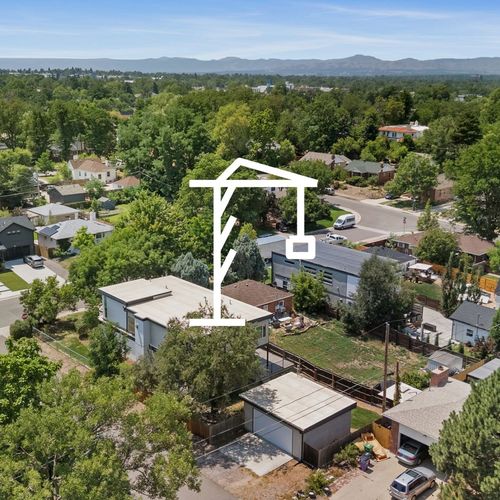

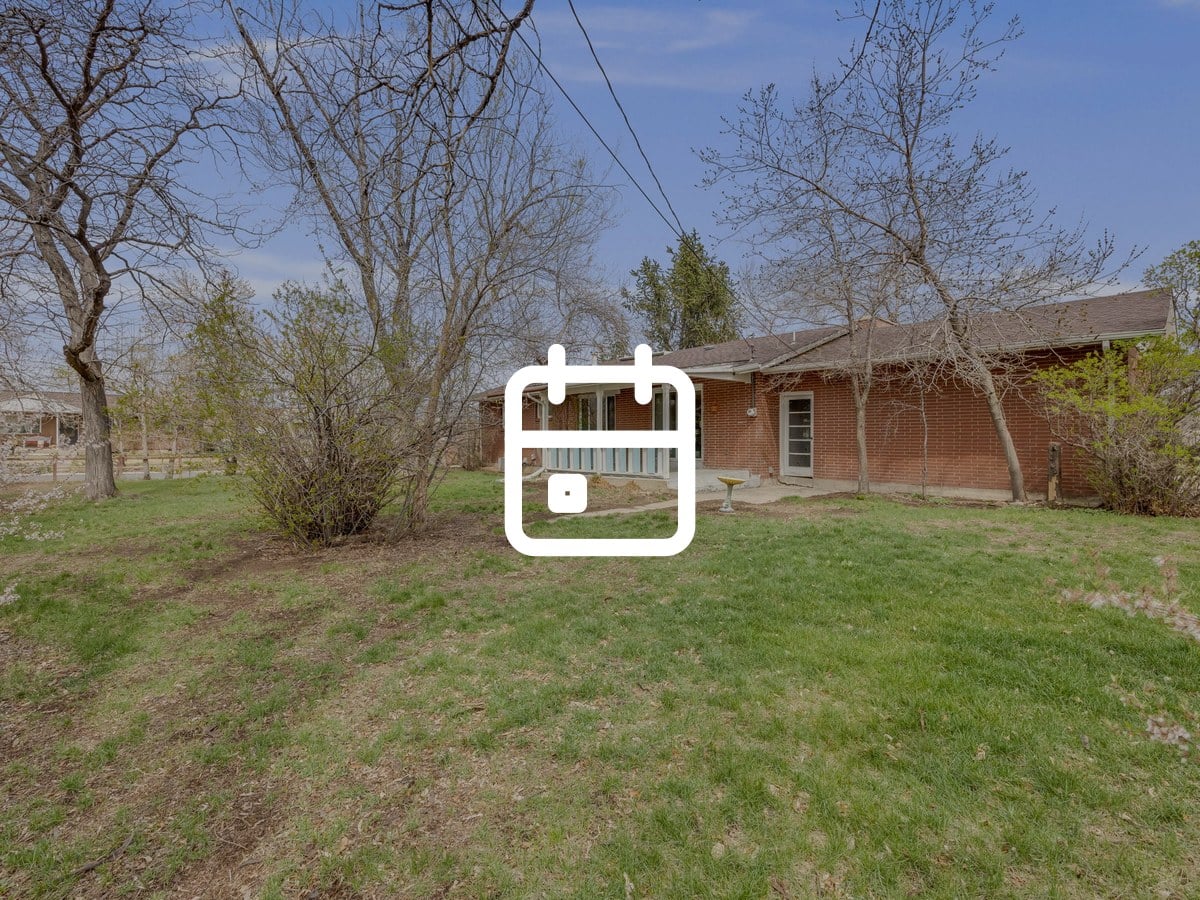
One Paramount Heights home appears in History Colorado’s record of the 1954 Denver Parade of Homes: 30 Hillside Drive, built by developer Lee Doud. A second Doud home, 25 Skyline Drive, is listed in the first parade in 1953.
Paramount Heights is a small hillside neighborhood in Wheat Ridge, just west of Kipling Street, with homes on Hillside Drive, Skyline Drive and Rangeview Drive. Its first homes went up in 1953 and 1954, and listings in the neighborhood often mention a connection to the Denver Parade of Homes.
That connection is real, but it is narrower than the listings sometimes suggest. The Parade of Homes was a fall showcase where builders opened model homes to the public, and only specific houses were entered each year. A home being in Paramount Heights, or being built in the 1950s, does not by itself mean it was a Parade home.
Jason Sirois, a Denver Realtor with FORM at Compass and an Applewood resident, works with sellers across the Applewood and Wheat Ridge area, including the mid-century streets around Kipling. Here is what the historical record shows, how to check a specific address, and what the history means when a Paramount Heights home is sold today.
What the record shows for Paramount Heights
The best single source is the Database of the Annual Denver Area Parade of Homes, 1953-1963, compiled in 2006 by the Center for Historic Preservation Research for the Colorado Historical Society, now History Colorado. It lists each Parade entry by year, builder and address.
Two entries match Paramount Heights streets, and both list Lee W. Doud as the builder:
| Address | Parade year | Builder listed | City listed | Price range listed |
|---|---|---|---|---|
| 25 Skyline Drive | 1953 | Doud, Lee W. | Wheat Ridge | $20,000 to $20,000+ |
| 30 Hillside Drive | 1954 | Doud, Lee W. | Denver | $20,000 to $20,000+ |
Source: History Colorado, Database of the Annual Denver Area Parade of Homes, 1953-1963 (2006). The database lists no model price and an unknown house style for either entry.
So for the 1954 Parade specifically, the answer is one house: 30 Hillside Drive. The database lists 30 Hillside under a Denver city field, but the address today is a Wheat Ridge address in the 80215 ZIP code. 25 Skyline Drive was part of the very first Parade, in 1953, the year the database says local builders first sponsored the event through the Denver Association of Home Builders.
We did not find any other Paramount Heights address in the database for 1953 through 1963. The database’s own introduction cautions that it is a starting point for research and that few of its developments were checked in the field, so treat it as strong evidence rather than the final word.
30 Hillside Drive, the 1954 entry
30 Hillside Drive is the best-documented of the two. A website maintained for the house, 30hillsidedrive.com, describes it as an International Style mid-century modern home built in 1954 and shows two pieces of 1954 promotional material featuring it: an advertisement for the Public Service Company Parade of Homes and a National Association of Home Builders Parade of Homes flyer.
The same site credits Lee Doud as the developer and Copeland Designs as the architect, and says the house was marketed with “party parking,” extra driveway space for guests. The listing record for its most recent sale describes it as the original “Home With a View” in the 1954 Parade.
That February 12, 2026 sale closed at $1,960,000, according to the listing record. The record shows a 1954 build, 2,842 square feet, three bedrooms and a 0.43-acre lot in the Paramount Heights subdivision.
Who built Paramount Heights
Paramount Heights was developed by Lee Doud, the son of Denver attorney and businessman Alexander Doud, according to the 30 Hillside Drive history page. The page says Doud teamed up with Copeland Designs, a young architecture firm focused on modern design, and that Curtis “Cope” Copeland drew most of the designs in the neighborhood.
Copeland’s work extends beyond the residential streets. The same source credits him with the shopping center and bowling alley at 26th Avenue and Kipling Street, built between 1958 and 1964, and says the Wheat Ridge Renewal Authority designated the Gold’s Grocery building as historically significant in 2019. BusinessDen reported in 2021 that the center, then called the Paramount Heights Shopping Center, was being renamed Gold’s Marketplace after the Gold’s Corner Grocery that operated there from 1988 to 2014.
Because Doud built both Parade entries and Copeland designed much of the neighborhood, many Paramount Heights homes share a design lineage with the Parade houses even though they were never entered themselves. That is an accurate and useful way to describe a home on these streets, as long as it is not presented as Parade history.
How to check whether a specific home was a Parade house
If a listing, a neighbor or a previous owner says a Paramount Heights home was in the Parade of Homes, these steps will usually settle it:
- Search the History Colorado database for the exact street address. Addresses are listed by year from 1953 to 1963.
- Look for period material such as a Parade brochure, newspaper advertisement or builder flyer naming the address. Owners of 30 Hillside Drive have kept exactly this kind of material.
- Check the build year in Jefferson County assessor records. A Parade entry should have been complete, or nearly so, by that fall.
- Be careful with nearby addresses. House numbers on these short streets are close together, and a Parade claim can drift from one house to its neighbor over decades of retelling.
If none of those confirm it, the more accurate description is that the home was built by the same developer or designed in the same style as the Parade entries, if that is documented.
What Parade history means when selling a Paramount Heights home
Documented provenance is a property fact, and it belongs in a listing the same way a build year or an architect’s name does. For 30 Hillside Drive, the Parade connection was part of the home’s public story and appears in its listing description. For a home without that documentation, overstating it creates a disclosure problem rather than a selling point.
Original condition matters as much as the history. The 30 Hillside site describes the house as largely original, which is part of why its story is easy to tell. In our post on renovated versus original homes in Applewood, we look at how the condition of mid-century homes in this part of Jefferson County affects pricing and preparation.
Paramount Heights is one of several distinct pockets on the west side of Wheat Ridge. Our Wheat Ridge community page covers the wider city, and Jason is glad to talk through the history and condition of any home on these streets before it is listed.
Frequently Asked Questions
Which Paramount Heights home was in the 1954 Parade of Homes?
30 Hillside Drive. History Colorado’s Parade of Homes database lists it as a 1954 entry built by Lee W. Doud, and promotional material from 1954 featuring the house survives.
Were any other Paramount Heights homes in the Parade of Homes?
Yes, one more in the database: 25 Skyline Drive, listed as a 1953 entry by the same builder, Lee W. Doud. We found no other Paramount Heights addresses in the database for 1953 through 1963.
When did the Denver Parade of Homes start?
According to History Colorado’s database, local homebuilders first sponsored the Parade of Homes in 1953 through the Denver Association of Home Builders. It was an annual fall showcase of new homes.
Who designed the homes in Paramount Heights?
The 30 Hillside Drive history page credits Copeland Designs, and specifically Curtis “Cope” Copeland, with most of the designs in the neighborhood. Lee Doud was the developer.
Is Paramount Heights in Wheat Ridge or Lakewood?
Paramount Heights addresses on Hillside Drive and Skyline Drive are Wheat Ridge addresses in the 80215 ZIP code. The ZIP code is shared with parts of Lakewood, which is a common source of confusion.
What did 30 Hillside Drive sell for?
The listing record shows a sale price of $1,960,000 on February 12, 2026, for the 1954 home of 2,842 square feet on a 0.43-acre lot.
How can I prove my home was a Parade of Homes entry?
Search the History Colorado database for the exact address, then look for period brochures, advertisements or builder flyers naming it. Without that documentation, describe the home by its builder or design rather than as a Parade home.
This post is general information based on History Colorado’s Parade of Homes database, the 30 Hillside Drive history site and listing records available as of October 13, 2026. Historical records can be incomplete. It is not legal advice. Confirm any historical claim about a specific property before using it in marketing or disclosures.