

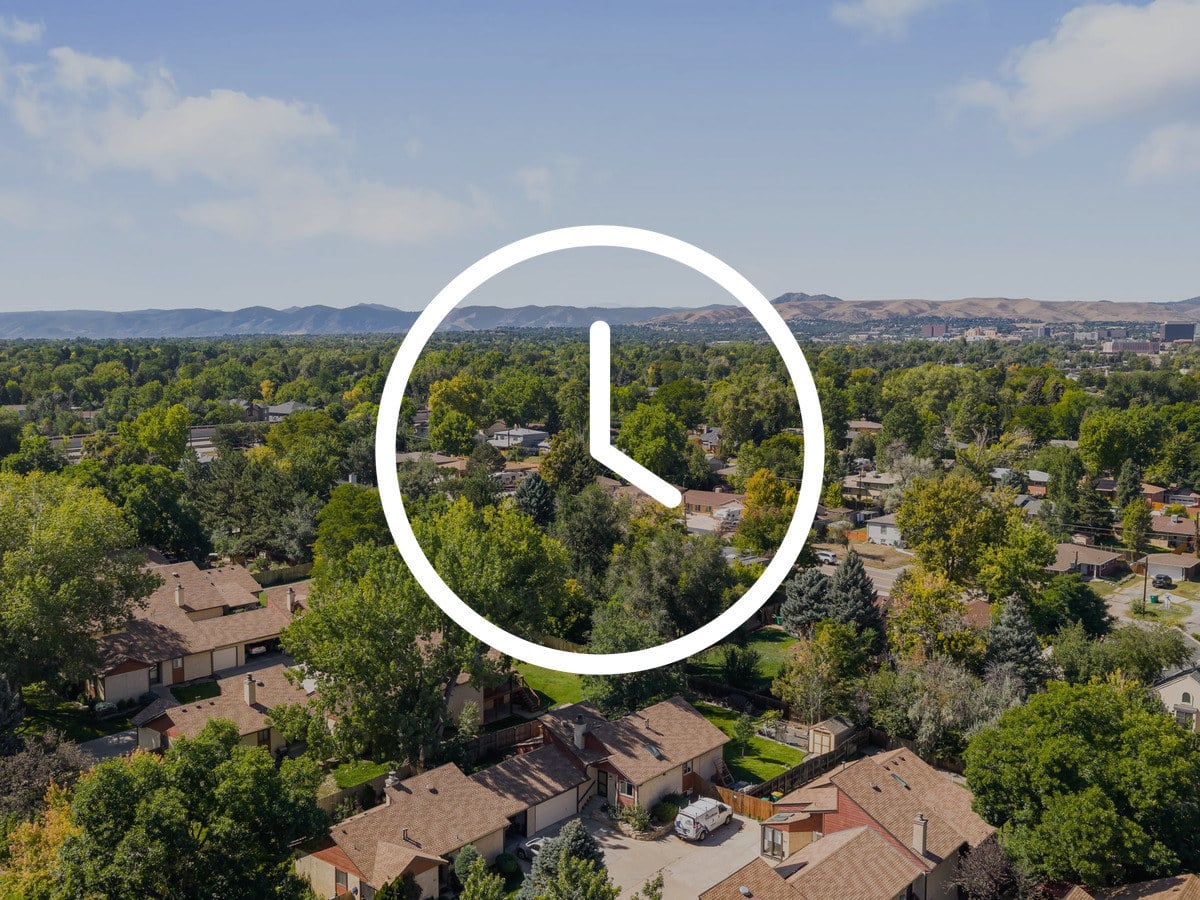
“Is now a good time to sell?” is a question that deserves a neighborhood-level answer, not a national one. Washington Park is one of the few Denver neighborhoods where that distinction really matters, because Wash Park does not track the metro averages closely in either direction. It has a fixed supply of pre-war homes, a park that people organize their lives around, and a buyer pool that is unusually willing to wait for the right block.
The short version: for most owners near Wash Park, this is a reasonable window — provided the home is priced to the current market rather than to a memory of it, and provided it is presented properly. The homes that struggle here are not struggling because of timing — they were priced against last year’s comparable sale, or brought to market with deferred maintenance a Wash Park buyer will not absorb.
Jason Sirois is a Denver Realtor with FORM at Compass Denver who works throughout central and west Denver. Below is how he frames the decision for owners around the park: what makes this submarket distinct, the case for listing now, the case for waiting, and where sellers here win or lose.
Why the Wash Park market behaves differently
The neighborhood sits in south-central Denver, roughly bounded by Virginia Avenue on the north, Downing Street on the west, Louisiana Avenue on the south and Franklin Street on the east, wrapped around a 165-acre city park with two lakes, a historic boathouse, ten tennis courts, a lawn bowling green and two of the largest flower gardens in Denver. Reinhard Schuetze laid out the original design between 1899 and 1908, with later work by the Olmsted Brothers, and the plan is still largely intact.
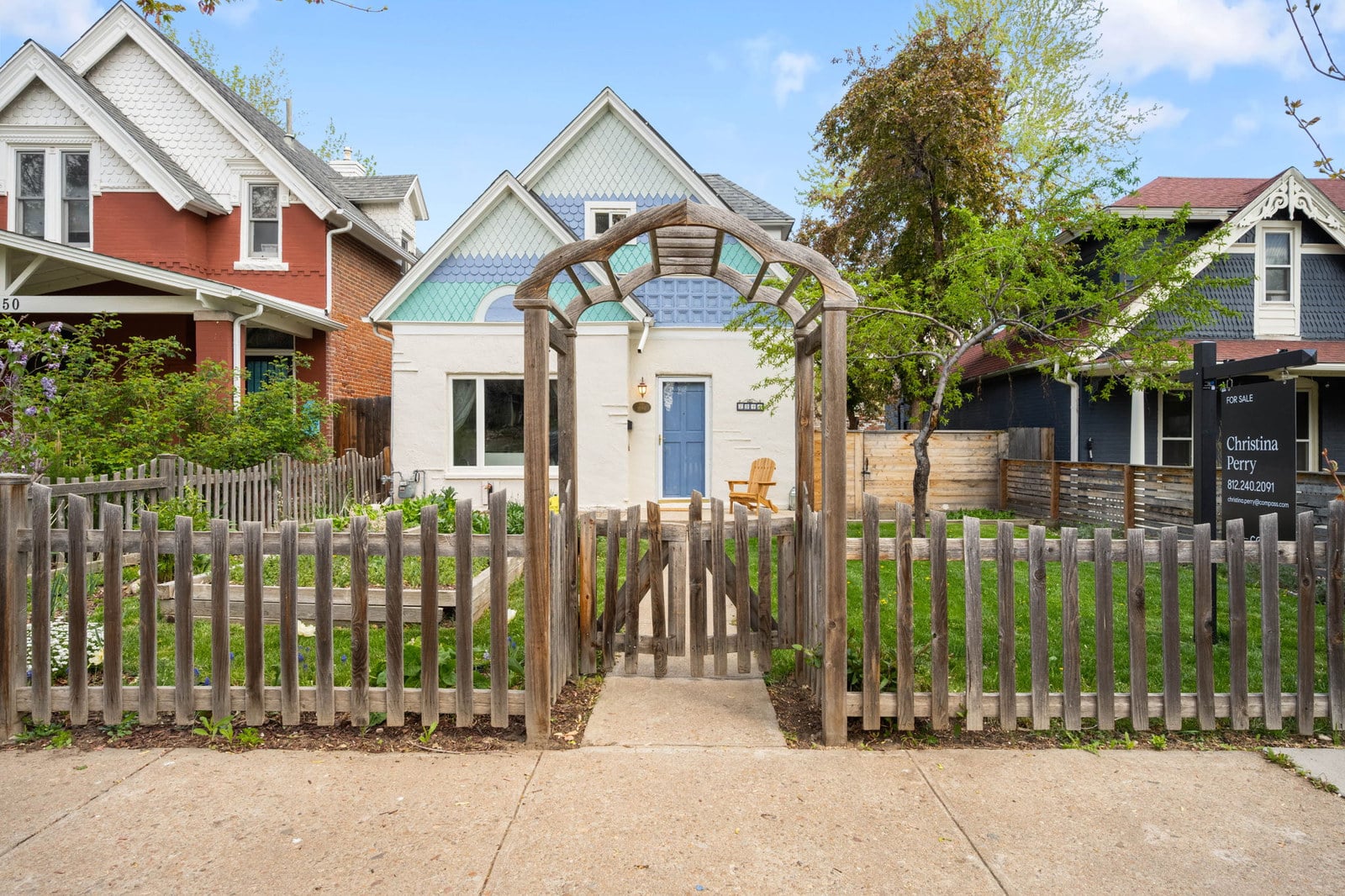
That park is the supply constraint. Most of the housing was built in brick between 1900 and 1940 — Denver Squares, Craftsman bungalows, Prairie School and Italianate — and the neighborhood filled in long ago. There is no meaningful new construction to compete with you, only scrape-and-rebuilds and expansions. When you list here, you are not competing against a subdivision releasing twelve more floor plans next quarter. You are competing against the four or five other comparable homes that happen to be available that month.
The practical consequence is that inventory swings feel sharper here. Three good listings coming out at once on the blocks between Downing and Franklin changes your negotiating position more than any headline about the national market does. Before you commit to a date, know what else is likely to be live when you go.
The case for listing now
Several things line up in favor of sellers around the park right now. Demand for walkable, park-adjacent, architecturally distinctive homes in central Denver has been durable through several market cycles — this is the segment buyers hold onto when they trim their search elsewhere. Wash Park, West Wash Park and neighboring Cory-Merrill all draw from the same pool of buyers who want central Denver without a downtown condo.
Late summer and early fall is also a genuinely good listing window here, and an underused one. The park photographs beautifully, the gardens are still in, and much of the spring competition has cleared out while serious buyers — particularly those who need to be settled before the next school year or before year-end — are still active. Sellers who wait for “spring market” often list into the single most crowded four weeks of the year.
Finally, a well-prepared Wash Park home attracts buyers committed to this neighborhood specifically — a different negotiation than selling to buyers choosing among five interchangeable suburbs. It does not guarantee a premium, but it does compress days on market for homes that show well.
The case for waiting — and who it actually fits
Waiting makes sense for a narrower group than most people assume. It fits you if the home needs work you can realistically complete in the next few months and that work targets the things Wash Park buyers price hardest: kitchens, primary bathrooms, systems, and any structural or moisture issue in an older basement. Selling a half-finished renovation almost always costs more than finishing it.
It also fits if your own next move is unfinanced or undecided. Selling and then having to buy quickly, without a plan, is how sellers make an expensive second decision to fix a good first one.
What is not a good reason to wait is a general sense that prices will be better later. Nobody sells at the top on purpose, and an extra year carries real costs — taxes, insurance, maintenance, and the opportunity cost of your equity. The Denver Metro Association of Realtors market trends reports are a good place to watch the metro direction, but a metro number will never tell you what your specific block is doing.
What Wash Park buyers are actually paying attention to
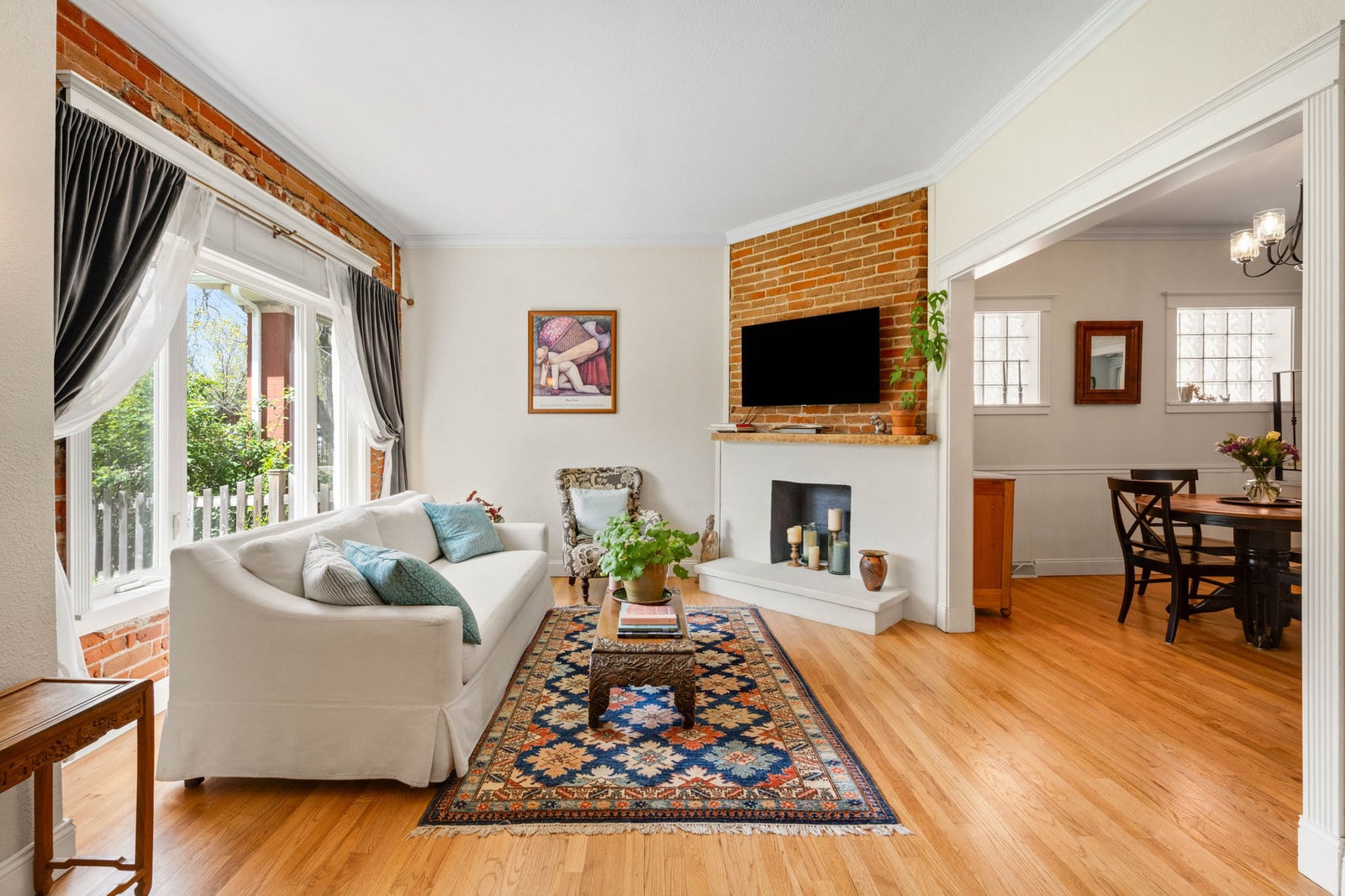
Buyers in this neighborhood are, on the whole, sophisticated about older homes. They expect character and they expect a certain amount of quirk. What they scrutinize is different from what suburban buyers scrutinize:
- Systems and envelope. Roof age, sewer line condition, electrical panel and knob-and-tube remnants, furnace and AC age. A recent sewer scope in hand removes a common late-stage renegotiation.
- The basement. Ceiling height, egress, and any evidence of water. Finished basement space is a real value driver here because the above-grade footprints are modest.
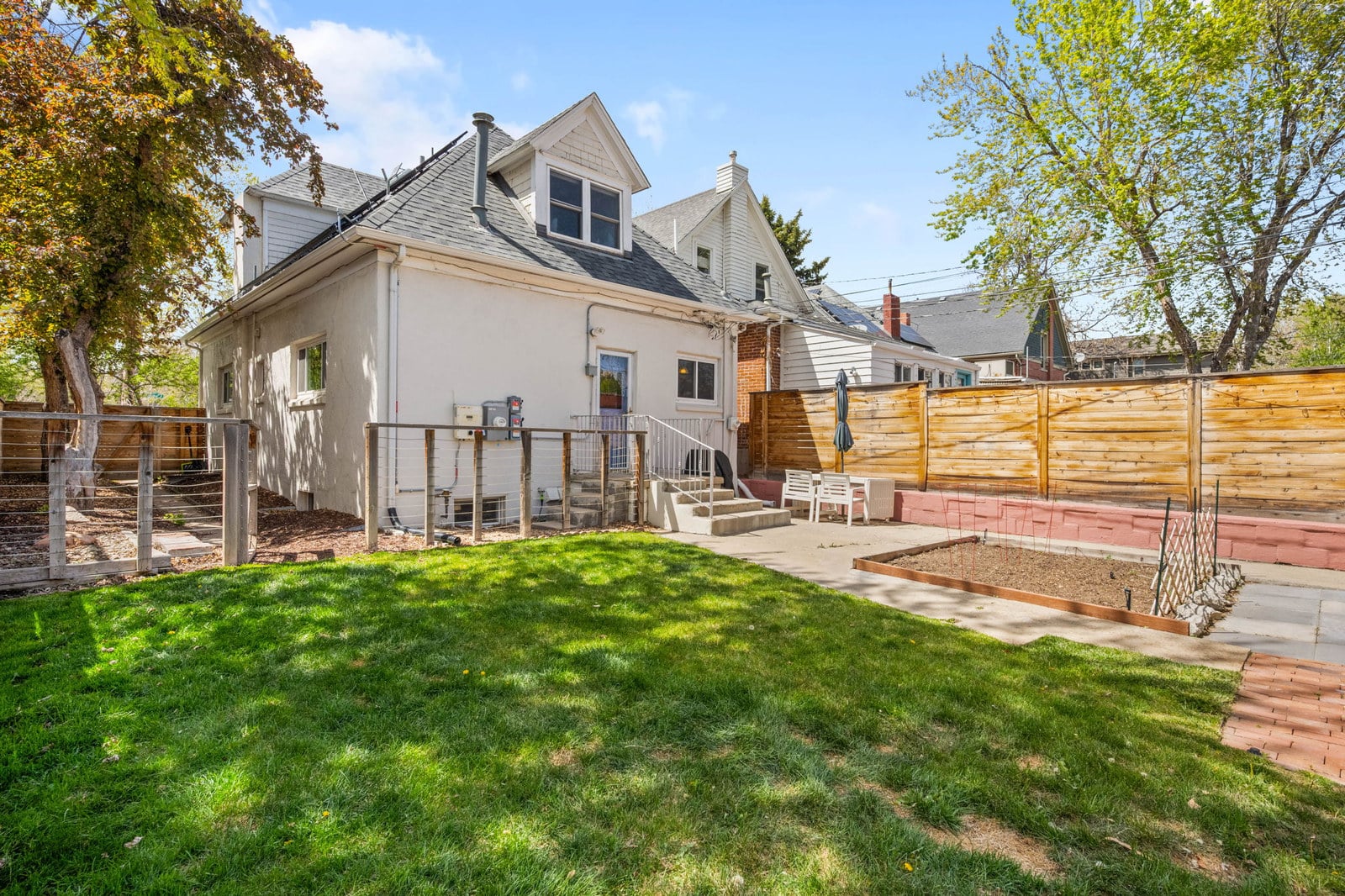
- Parking and the alley. A functioning two-car garage off the alley is a genuine differentiator on blocks where street parking tightens up on summer weekends.
- Whether the additions were done well. Pop-tops and rear additions are common; buyers can tell the difference between one that reads as original and one that reads as bolted on.
- Distance to the park and to Old South Gaylord or South Pearl. Two blocks and six blocks are priced differently, and buyers know it.
Pricing and prep: where sellers win or lose here
Pricing a Wash Park home is harder than pricing a tract home, because true comparables are scarce and uneven — two houses on the same block can differ by a full renovation cycle. The right approach is a narrow, honest comparable set, adjusted for condition, additions and lot, rather than a wide average that flatters the number. Overpricing costs more here than in most neighborhoods, because a stale listing in a small submarket is conspicuous.
On preparation, the highest-return items are the least glamorous: neutral paint, refinished original floors, landscaping and a clean front walk, decluttering so room proportions read, and professional photography that handles the darker interiors older brick homes tend to have. Full remodels immediately before listing rarely return their cost; targeted fixes almost always do.
If you want a starting estimate before you commit to anything, run the numbers with our home sale calculator, then walk through our Seller’s Guide. From there, the useful next step is a walkthrough of your specific home with current, block-level comparables in hand.
Frequently Asked Questions
How much does being closer to the park actually matter?
Quite a lot, and it is not linear. The blocks immediately ringing the park carry a premium over the outer edges of the neighborhood, and homes with a direct park view or a park-facing porch sit in their own small category. Beyond about six blocks, proximity matters less than the home itself.
Is late summer really a good time to list in Denver?
It is often better than its reputation. Inventory thins after the spring rush while motivated buyers remain, and the neighborhood shows well through September and October. The trade-off is a smaller buyer pool overall, which makes accurate pricing more important, not less.
Should I renovate the kitchen before listing?
Usually not a full renovation. Wash Park buyers frequently want to put their own stamp on a kitchen, and a mid-grade remodel can actually work against a home that would otherwise sell as a well-maintained original. Refresh rather than replace: paint, hardware, lighting, counters if they are genuinely failing.
What does a sewer scope have to do with selling?
In neighborhoods this old, clay sewer lines are common and root intrusion is common with them. Buyers here almost always scope. Getting it done in advance means you learn about a five-figure issue on your schedule rather than during inspection objections, when it costs you negotiating leverage as well as money.
How long do homes near Wash Park typically take to sell?
It varies too much by price band and condition for one number to be useful, and metro averages understate how split this neighborhood is: well-prepared homes move quickly, mispriced ones linger conspicuously. We can run a current, block-specific analysis rather than quote an average that may not describe your home.
Do I need to worry about historic designation?
Portions of the area carry historic and conservation-related considerations, and rules differ between individual landmark structures and district-wide overlays. If your home or block may be affected, confirm the specifics with the City and County of Denver before planning exterior changes, and disclose accurately when you list.
What is the single most common seller mistake here?
Anchoring to a neighbor’s sale from a different market moment or a different condition tier. The second most common is skipping pre-listing preparation on the theory that the neighborhood sells itself. It does not — it sets a high bar, which is a different thing.
This article is general information about the Denver-area housing market and is not tax, legal or financial advice. Individual results depend on your home’s condition, location and timing, and on market conditions at the time of sale. Please consult the appropriate professional about your specific circumstances.