

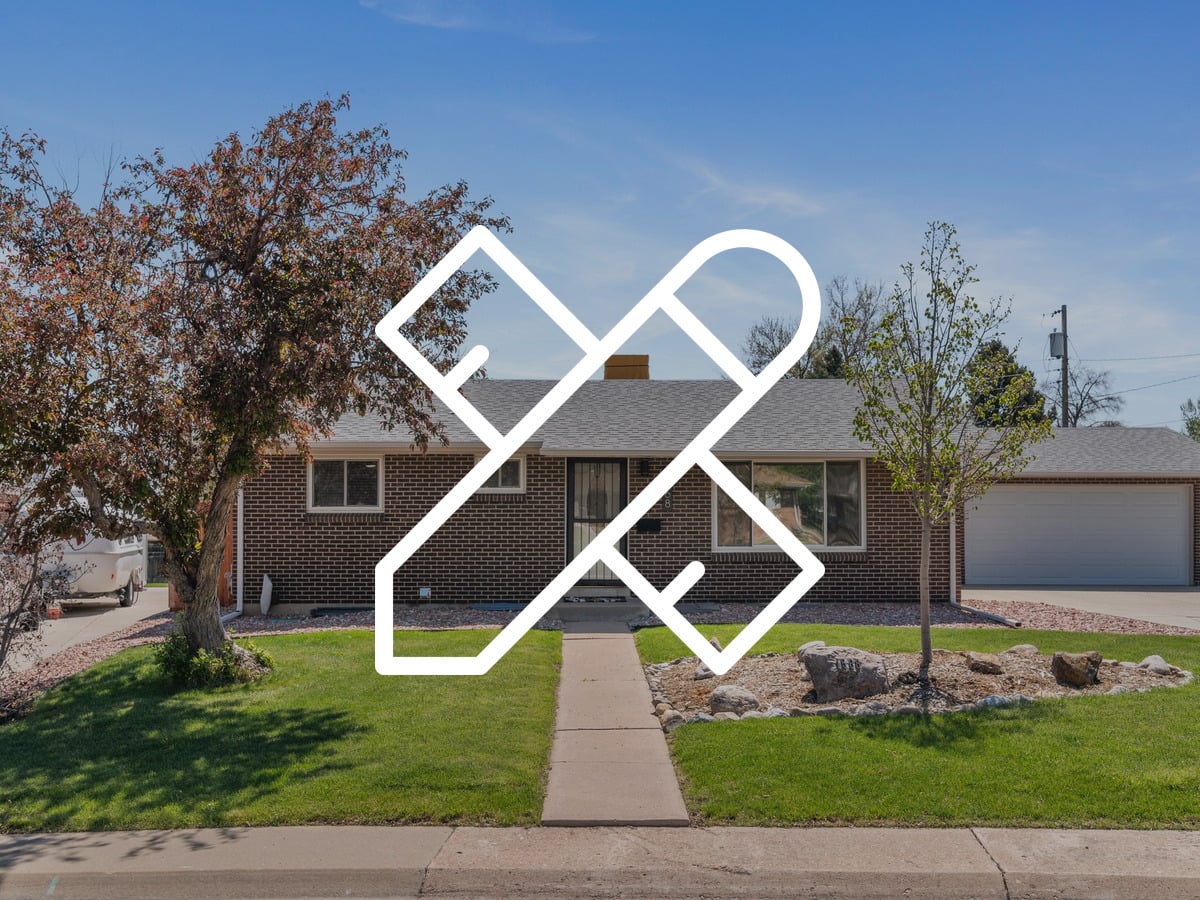
Belcaro draws both, but they are two separate buyer pools with different math: a genuinely remodeled home sells to end users at a premium, while dated houses on large lots increasingly sell for what the land can support rather than what the house is.
Belcaro is one of the more interesting pockets in central Denver precisely because it has not settled the question. Walk a block off Bonnie Brae or east toward Cherry Creek and you will pass an untouched 1950s brick ranch, a thoughtful remodel that kept the roofline, and a large new build on what used to be the same footprint. All three sold recently, and all three sold to different people.
That is what makes the seller’s question harder than it looks. “Which do buyers want more” has no single answer, because the two groups are not bidding against each other on the same property very often. They are bidding on different things: one is buying a finished house, the other is buying a lot with an old house sitting on it. Where a home falls between those two determines almost everything about how it should be priced and prepared.
Jason Sirois, a Denver Realtor with FORM at Compass Denver, sees this split most clearly in how showings go. Here is how the two pools actually behave, and how to tell which one your home belongs to.
Two buyer pools, not one market
The end-user buyer in Belcaro is usually a household trading up from a smaller central Denver home or relocating into the Denver Country Club and Cherry Creek orbit. They want the neighborhood, the mature trees, the lot sizes and the school access, and they want to move in. They are financing, they care about inspection, and they are comparing your house against other finished homes in Belcaro, Cory-Merrill and Bonnie Brae.
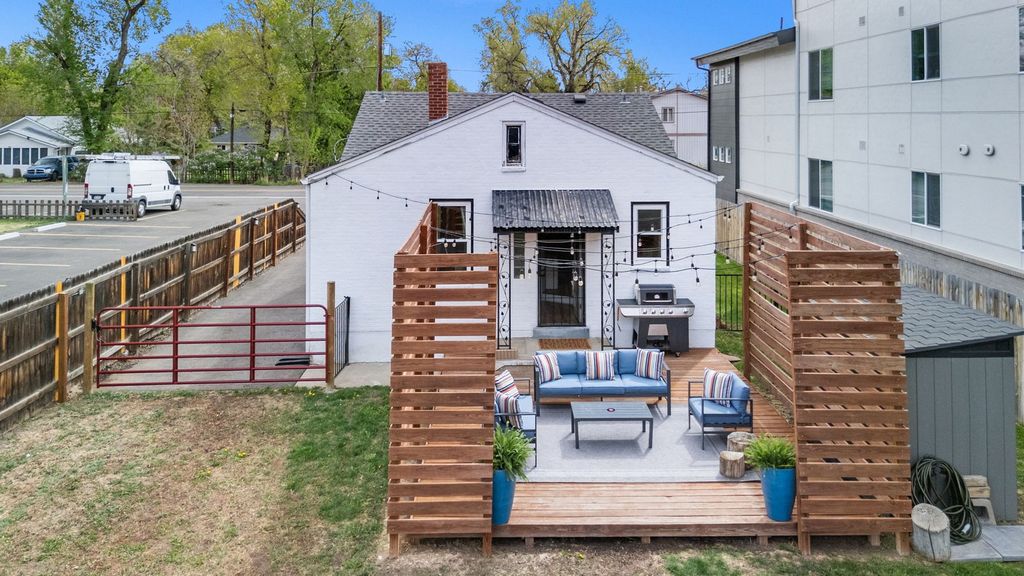
The redevelopment buyer, whether an owner-builder or a small local builder, is running a different calculation entirely. They are valuing the lot, the zoning envelope, the street, the trees they can keep, and what a finished new home on that site would sell for, minus construction cost and carry, minus profit. The existing house is a demolition line item.
These two rarely bid on the same listing. A tired house with original systems barely registers with the first group and draws the second. A crisp remodel is worth more to the first group than any builder would pay, because a builder cannot use the finishes. Where both show up, sellers do best, and those are usually mid-condition homes on unusually good lots.
What the remodel buyer is actually paying for
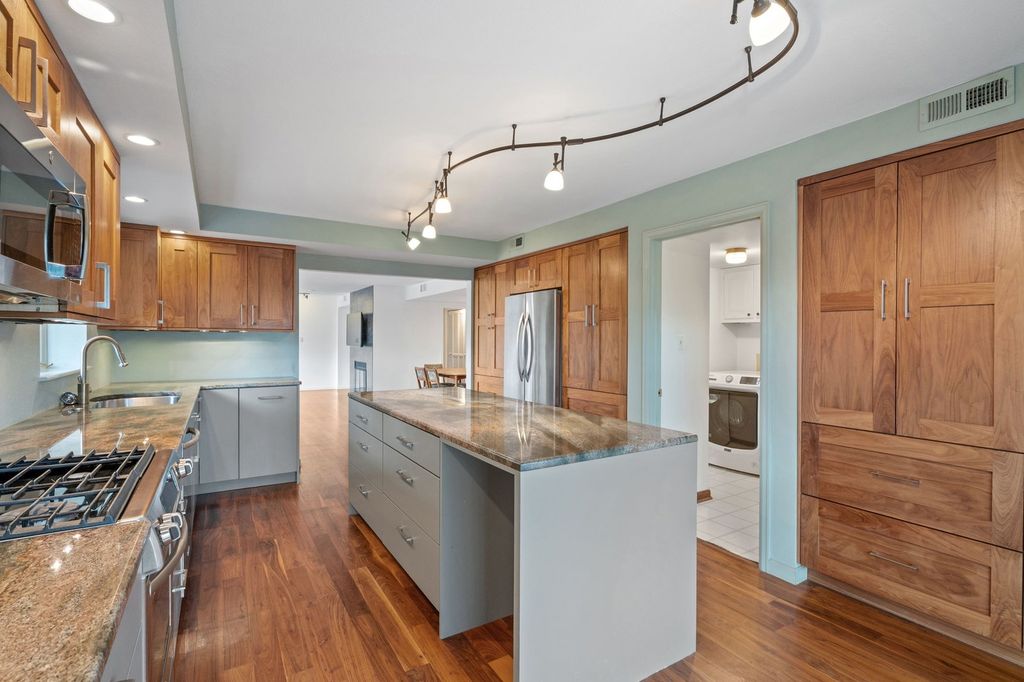
End users in this neighborhood are not paying for novelty. They are paying to avoid a project. What moves them, in rough order of impact: a kitchen and primary bath that will not need redoing, mechanical systems with life left in them, a finished basement that feels like real living space rather than storage, and a floor plan that works without walls coming down.
What they discount heavily is anything that signals a second phase of work. An updated kitchen paired with a 1958 electrical panel reads as unfinished, not as a bargain. So does a beautiful main floor over a basement with moisture staining. Belcaro buyers at this price level tend to be well advised and thorough, and a strong inspection resume does more for the number than another round of finish upgrades.
Worth saying plainly: remodeling in order to sell is a different project from remodeling to live. We looked at that math in detail in our post on whether to renovate an older Belcaro home before selling, and the short version holds here. Cosmetic and systems work usually pays for itself; a full gut usually does not, because you rarely finish at the top of the new-build tier and you have spent like you did.
What the redevelopment buyer is paying for
Land value in Belcaro comes down to a handful of variables, and the house is not among them:
- Lot size and width. Denver’s single-unit zone districts set minimum lot sizes that step up by designation, so what you can build is tied directly to what you have. The city’s zone district descriptions spell out the tiers.
- The building form allowed. Suffixes on the zone code control things like accessory dwelling units and permitted house forms, and they change the finished value a builder can underwrite.
- The street and the neighbors. A block with recent new builds supports a higher finished comp than one that is entirely original.
- Trees and grade. Mature trees a builder can keep add value; a difficult grade or a tight setback situation subtracts it.
- Cost and carry at the moment of purchase. Construction financing conditions move builder offers more than most sellers realize, which is why land offers soften faster than end-user offers when rates move.
The practical consequence is that a builder’s offer is a residual number. It is whatever is left after their costs, so it is far less sensitive to how you present the house and far more sensitive to conditions you do not control.
The middle that sells worst
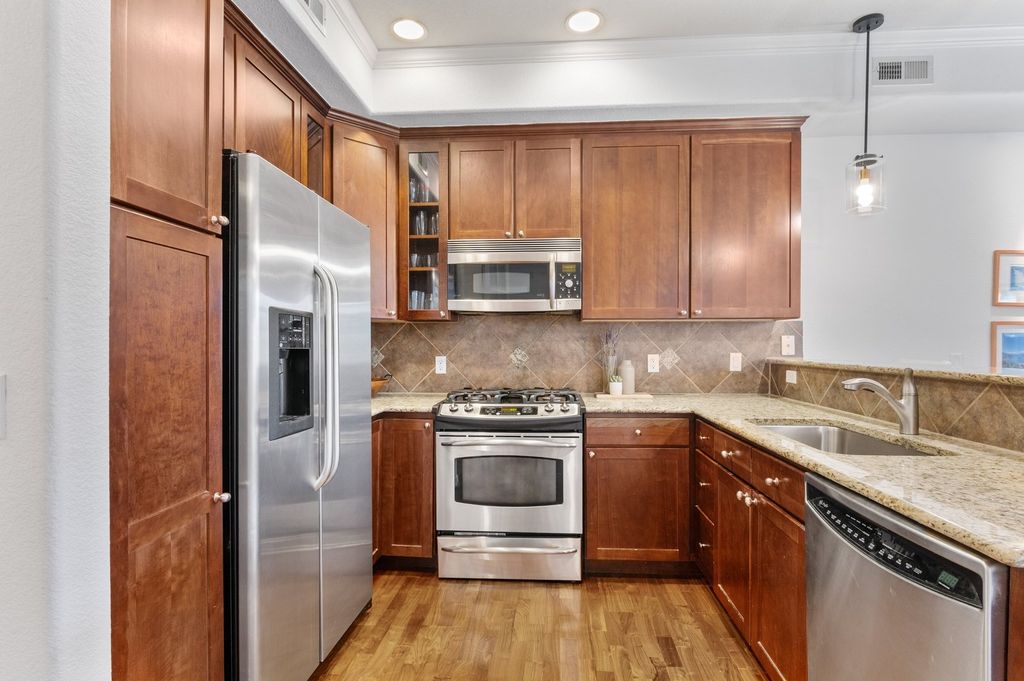
The weakest position in Belcaro is the partially updated house on an ordinary lot. It is too finished for a builder to justify demolishing, and not finished enough for a buyer who wants to move in. Those listings sit, take a reduction, and often end up selling to an end user who prices in a full renovation anyway.
If that describes your home, you generally have two honest options. Push it toward the end-user tier with targeted work on the specific items buyers flag, which is usually far less expensive than a remodel, or price it as what it is and market it to the buyers who are shopping for a project. What does not work is pricing it as a finished home and hoping the neighborhood carries it. Our home sale calculator is a useful first pass on what each path nets, before a full seller analysis.
How to tell which one your house is
Start with the lot. If it is meaningfully larger or wider than the typical lot on your block, redevelopment interest is real regardless of the house. If it is standard, the house is doing the work and your path is the end-user tier.
Then look honestly at the systems. Roof, sewer line, electrical panel, furnace, windows and basement moisture. If three or more of those are original and near end of life, a buyer paying finished-home money will not be there, whatever the kitchen looks like. If they are sound, you are closer to the remodel tier than you think and modest work may get you there.
Finally, look at what has actually sold on your street in the last year, and watch metro conditions with the monthly DMAR Market Trends reports, since builder appetite tracks financing closely. For a read on a specific address and what each path would net, our seller resources are a good starting point and we are glad to run the numbers with you.
Frequently Asked Questions
Do builders pay more than end users in Belcaro?
Usually not, unless the house is genuinely at end of life or the lot is unusually large. A builder’s offer is a residual after construction cost and profit, which typically lands below what an end user will pay for a comparable home in reasonable condition. The exception is the tired house on an oversized lot.
How do I know whether my lot has redevelopment value?
Compare it to the lots around you. Extra width, extra depth, a corner position or a block with recent new construction all point toward builder interest. Zoning matters too, since minimum lot sizes and permitted building forms determine what can be built there.
Is it worth remodeling a Belcaro home before selling?
Targeted work usually is. Paint, floors, lighting, a kitchen refresh and resolving deferred maintenance tend to return their cost. Full gut renovations generally do not, because you spend at new-build levels and finish below the new-build tier. Fix what buyers flag, then sell.
Does a redevelopment sale close differently?
Often, yes. Builder purchases are frequently cash or hard-money financed, may skip appraisal, and sometimes involve longer or contingent timelines while plans and permits are worked out. That flexibility can be worth real money to a seller who needs a specific closing date, and it is worth weighing alongside price.
Are teardowns still happening in Belcaro?
Yes, though appetite moves with construction costs and financing. When those tighten, builder offers soften first and more original homes sell to end users who plan to renovate over time. When they loosen, land competition picks back up.
What if I want to renovate and stay rather than sell?
Then the calculation changes completely. Renovating to live is about the years you will enjoy it, not resale return, and you can spend where it matters to you. Just be clear about which project you are running, because the two lead to very different decisions about scope and finish level.
This article is general information about the Denver residential market and is not tax, legal, or construction advice. Zoning, permitting and lot-specific conditions vary by address, and renovation returns depend on scope, cost, and market timing. Confirm zoning and permitting with the City and County of Denver and consult a licensed professional for your situation.