

Most Southern California transplants find Denver winters easier than they expected: the snow melts within days, the sun stays out most of the season, and the real adjustment is the dry air, the sudden temperature swings, and a house that needs different maintenance.
It is the most common worry we hear from buyers relocating from Los Angeles, Orange County and San Diego. They have looked at neighborhoods and at prices, and then somebody at work mentions snow and the plan wobbles. The mental image is usually the Midwest: gray months, salted roads, a driveway that never quite clears.
Denver is not that. It sits at the edge of the plains in a dry, high-altitude, high-sunshine climate, and its winters behave differently from almost anywhere else that gets comparable snow totals. A storm drops several inches overnight, the sun comes out the next morning, and the south-facing side of your street is bare by afternoon. That pattern, more than the totals, is what people find hard to picture from the coast.
That said, the adjustment is real, and it is not mainly about cold. Jason Sirois, a Denver Realtor with FORM at Compass Denver who lives in Applewood, walks relocating buyers through this every season. Here is what actually changes, and what does not.
What a Denver winter actually looks like
Denver averages about 56.9 inches of snow in a season, according to the National Weather Service in Boulder, with the first measurable snow arriving around October 18 on average and the last around April 28. That sounds like a long winter, and on the calendar it is. In practice it is a scattered one: snow in October and April usually melts within a day or two, and the heaviest months are typically the shoulder months rather than the deep-freeze months.
The sunshine is the part that does not translate on paper. Metro Denver averages roughly 69 percent of possible sunshine across the year, per the Metro Denver Economic Development Corporation, and afternoon humidity averages around 43 percent. December, the coldest month, averages about 30 degrees. A 30-degree day in dry air with full sun feels nothing like a 30-degree day on a damp, overcast coast, and that is the single biggest reason transplants report the adjustment being milder than expected.
What you do get is variability. A 65-degree afternoon and a snowstorm inside the same week is normal here, not remarkable. Southern Californians are used to a narrow band; Denver asks you to keep a coat and a t-shirt in the same closet rotation and stop treating the forecast as a plan.
The three things that actually surprise people
Cold is rarely the complaint. These three are:
- Dry air. This is the real adjustment. Chapped lips, static, dry skin, nosebleeds and poor sleep in the first winter are all common, and almost all of it is humidity rather than temperature.
- Sun intensity. At a mile above sea level, winter sun is strong. Sunscreen is a year-round item here, and glare off fresh snow is genuinely bright.
- Swings. A 40-degree change inside 24 hours happens several times a season. It affects how you dress, how you plan, and how your house expands and contracts.
The fixes are unglamorous and they work: a whole-house or room humidifier, more water than you think you need, lip balm in every coat pocket, and a slower ramp on outdoor exercise while your body adapts to the altitude.

What changes about your house
This is the part Southern California buyers most often have not thought about, and it is worth budgeting for before closing rather than discovering in November.
Sprinkler systems get blown out every fall, typically for a modest service fee, and skipping it is how people crack pipes. Furnaces get serviced in early fall rather than never. Many older Denver homes cool with an evaporative cooler rather than central air, which has its own seasonal shutdown. Gutters and downspouts matter more here than on the coast, because melt-and-refreeze cycles create ice dams on shaded roof planes. And hail, not snow, is the weather event that most often puts a Denver roof on an insurance claim, so roof age and material come up in every inspection conversation.
There is also a civic obligation that catches people off guard: Denver and most surrounding municipalities require property owners to clear the public sidewalk in front of their home after a storm, within a set window, with fines for ignoring it. Check the rule for your specific city, since Denver, Lakewood and Wheat Ridge each set their own timelines. If you want to line up a sprinkler service or a furnace tech before your first storm, our list of trusted local vendors is a reasonable starting point.
Driving, commuting and getting to the mountains
Day-to-day driving in the metro is easier than people expect. Denver plows main routes aggressively, the sun does a lot of the work, and most residential streets are passable within a day. Plenty of long-time residents drive front-wheel-drive sedans year-round without trouble. What matters far more than drivetrain is tires: good all-weather or winter tires with real tread will outperform an all-wheel-drive vehicle on worn all-seasons every time.
The mountains are a different matter. Colorado’s traction law runs annually from September 1 through May 31 on the Interstate 70 mountain corridor between Dotsero and Morrison, and it applies to all non-commercial vehicles regardless of drivetrain. Tires need at least 3/16-inch tread and must be winter, all-weather or mud-and-snow rated, or you need chains or an approved traction device. Noncompliance carries a $50 fine plus a $17 surcharge, per the Colorado Department of Transportation. If skiing is part of why you are moving, factor a proper set of tires into your first-year budget.
Which neighborhoods make winter easier
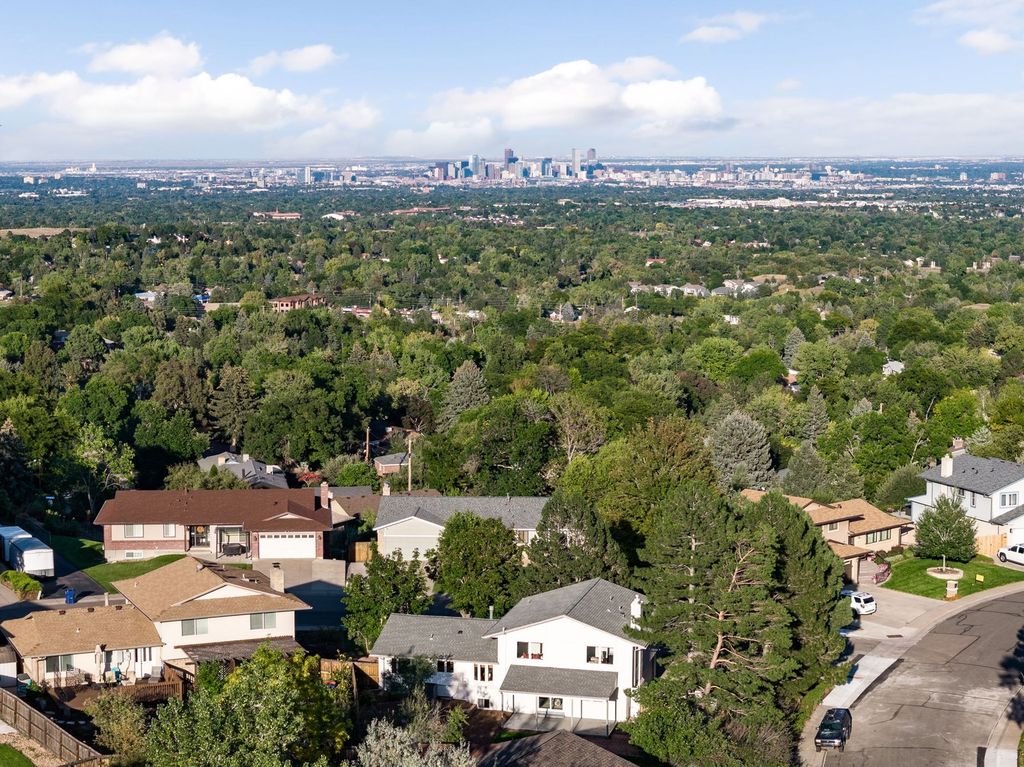
Winter quality of life varies more by house and block than by neighborhood, but a few patterns hold. West-metro areas closer to the foothills, including Applewood, Wheat Ridge and Golden, get faster access to the mountains and often a bit more upslope snow than central Denver. Central neighborhoods such as Washington Park, Berkeley and Sloan’s Lake trade that for shorter commutes and more walkable winter errands, which matters more than people expect when you would rather not move the car.
At the property level, look for a south-facing driveway and front walk, which will clear themselves on most days; a garage rather than street parking; a well-insulated attic and modern windows; and a roof and gutter setup in good condition. Those four things do more for a Denver winter than any neighborhood choice. Our post on which Denver neighborhoods appeal to San Diego transplants covers the character side of that decision in more detail, and the Applewood community page is a good look at what the west side offers.
Frequently Asked Questions
Do I need a four-wheel-drive vehicle to live in Denver?
No. Plenty of residents drive front-wheel-drive cars year-round in the metro without issue. Tires matter far more than drivetrain. If you plan to drive Interstate 70 to the mountains regularly, you will need tires that satisfy the state traction law regardless of what you drive.
How much snow does Denver actually get?
About 57 inches in an average season, spread from roughly mid-October to late April. It arrives in individual storms rather than as continuous cover, and most of it melts within a few days. Totals vary noticeably across the metro, with the foothills edge generally getting more than the eastern side.
Does snow stay on the ground all winter?
Usually not in the metro. Sun, dry air and elevation clear most storms quickly, especially on south-facing surfaces. Shaded north-facing walks and driveways hold snow and ice much longer, which is why exposure is worth checking when you tour a house in any season.
Will I be stuck inside for months?
Most transplants find the opposite. Sunny winter days here are pleasant for walking, running and biking, and the outdoor season effectively continues in a heavier jacket. The bigger seasonal adjustment for many people is that summer afternoons bring thunderstorms and hail, which coastal Californians are equally unused to.
What should I look for in a home if I dislike being cold?
South-facing exposure, updated windows, good attic insulation, an efficient furnace with a recent service record, and a garage. Ask about the age of the furnace and whether the home has central air or an evaporative cooler, since that shapes both winter and summer comfort.
Will my Southern California wardrobe work here?
Partly. Layers do most of the work: a warm base layer, a mid layer and a shell will cover the majority of the season better than one heavy coat. You will want real winter boots with tread for storm days and the week after, plus gloves and a hat that actually live in the car.
None of this is a reason to hesitate, but it is worth planning for rather than absorbing in your first November. If you are weighing neighborhoods from out of state and want a candid read on how a specific house will handle a Denver winter, get in touch.
This article is general information about relocating to the Denver area and is not legal, insurance, or financial advice. Municipal ordinances, insurance requirements and service costs vary by city and by property. Confirm the rules for your specific address with the relevant local authority.