
Price is the main reason a Denver home sells quickly or sits, with condition and exposure close behind. A well-priced, well-presented home in average condition almost always outsells a better home priced above what the current buyer pool will pay.
Two houses on the same Denver block, similar size, similar era, listed within a week of each other. One goes under contract in nine days with three offers. The other is still active six weeks later, has had two price reductions, and will probably close below where the first one did. Sellers watching that happen in real time want to know what the second house did wrong.
The answer is almost never a single dramatic thing. It is usually a stack of small decisions that each cost a slice of the buyer pool, and the compounding effect is what shows up as days on market. The useful way to think about it is not “what is wrong with the house” but “how many buyers can still say yes to this listing.”
Jason Sirois is a Denver Realtor with FORM at Compass Denver, and the diagnosis he runs on a stalled listing is the same every time: price, condition, exposure. In that order, and with price carrying more weight than the other two combined.
Price is doing most of the work
A home priced correctly for its condition and location gets seen by the largest possible group of buyers in its first two weeks, which is when a listing has the most attention it will ever have. Price above that band and you are not simply asking for more money. You are moving the listing into a search bracket where it competes against better homes, and buyers in that bracket reject it quickly.
The national data is blunt about the cost. In the National Association of Realtors’ annual Profile of Home Buyers and Sellers, homes that sold within two weeks tended to get essentially their full asking price, while homes that took roughly four months or more averaged around 91 percent of asking. That gap is not a rounding error. It is the entire margin most sellers were trying to protect by starting high.
A listing that starts too high does four things at once:
- It loses the launch window. The first ten to fourteen days generate the most showings a listing will ever get, and they are spent on the wrong audience.
- It makes the competition look good. Buyers use an overpriced home to justify buying something else, which is a real service to your neighbors.
- It accumulates days on market. Cumulative days become a negotiating tool, and buyers read a long history as a signal that something is wrong.
- It invites reduction chasing. Reductions that trail the market by a few weeks each never catch up, and the home eventually sells below where it would have started.
Pricing is also neighborhood-specific in Denver to a degree that surprises people. A block in Berkeley and a block in Wheat Ridge a mile and a half away can behave differently in the same month. Our post on how to price a home near Tennyson Street works through that at a street level.
Condition and presentation
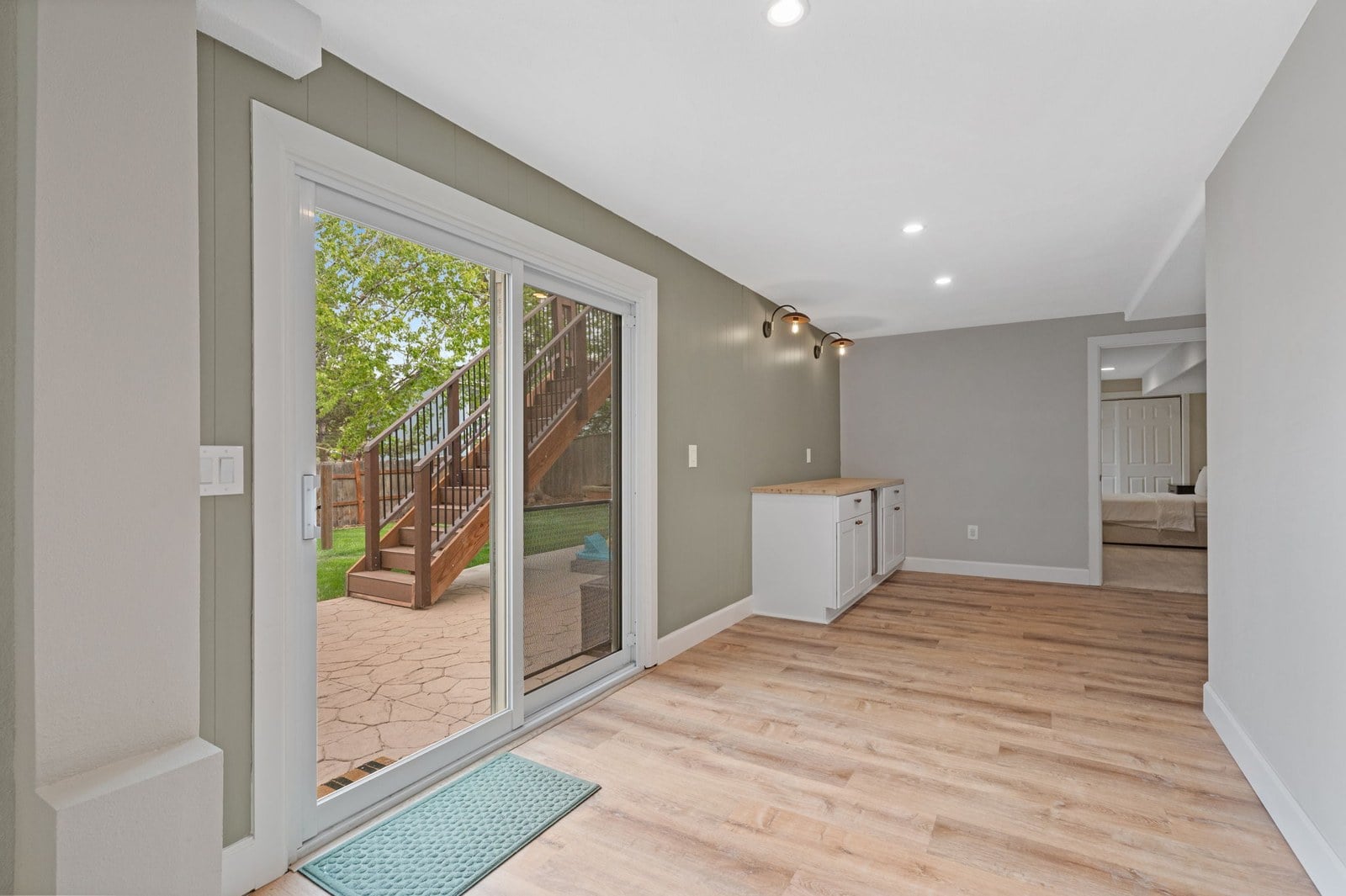
Condition is the second variable, and buyers evaluate it faster and less charitably than sellers expect. Most of the judgment happens in photographs before anyone schedules a showing, which means presentation and condition are effectively the same variable for the first pass.
The items that reliably slow a listing are the ones that read as work: worn or mismatched flooring, dark rooms, dated bathrooms, visible deferred maintenance on the roof or exterior, and a kitchen that would need to be replaced rather than refreshed. The items that reliably speed one up are cheap by comparison, including fresh neutral paint, maximum light in every photograph, decluttered rooms with the furniture scaled down, and a clean, tidy exterior.
Vacant homes deserve a particular note. An empty house photographs poorly, feels smaller than it is, and makes every flaw the only thing to look at. Light staging in the main living areas is usually the highest-return spend available to a seller with an empty property.
Exposure, and the mistakes that quietly cost showings
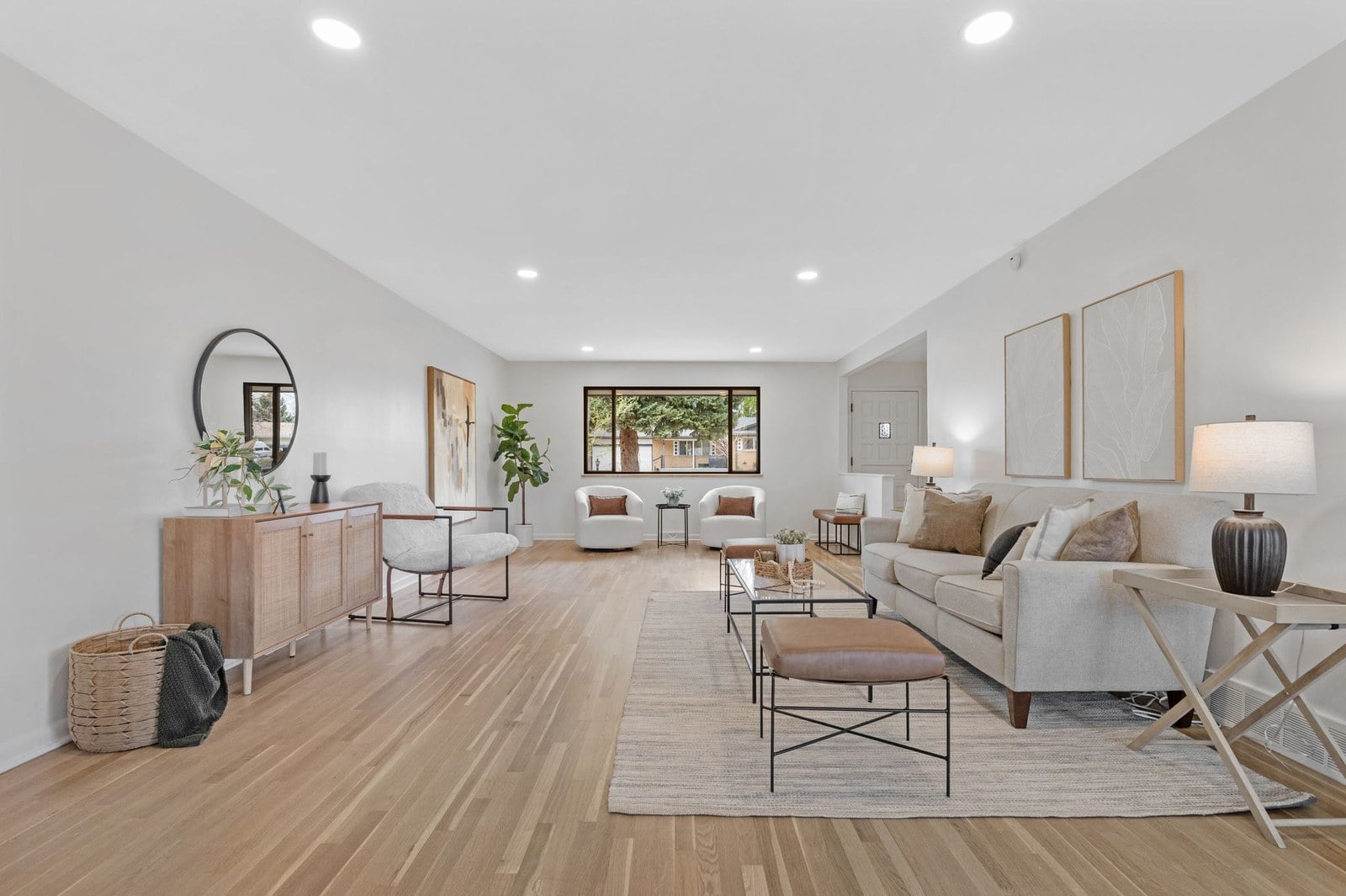
Exposure is the least glamorous variable and the easiest to fix. It covers photography, the listing description, syndication, showing availability and how offers are handled once they arrive.
Restricted showing windows are the most common self-inflicted wound. A home that can only be seen on weekday afternoons has cut its buyer pool substantially before anyone has commented on the price. Poor photography is a close second, and it is the one thing that determines whether a buyer ever sees the house in person. A listing that goes live before the photographs are ready spends its best days invisible.
Timing matters less than people think but is not nothing. Listings that go live midweek generally have the weekend to build showings, while a Friday afternoon launch can lose momentum before it starts.
What you cannot change, and how to price around it
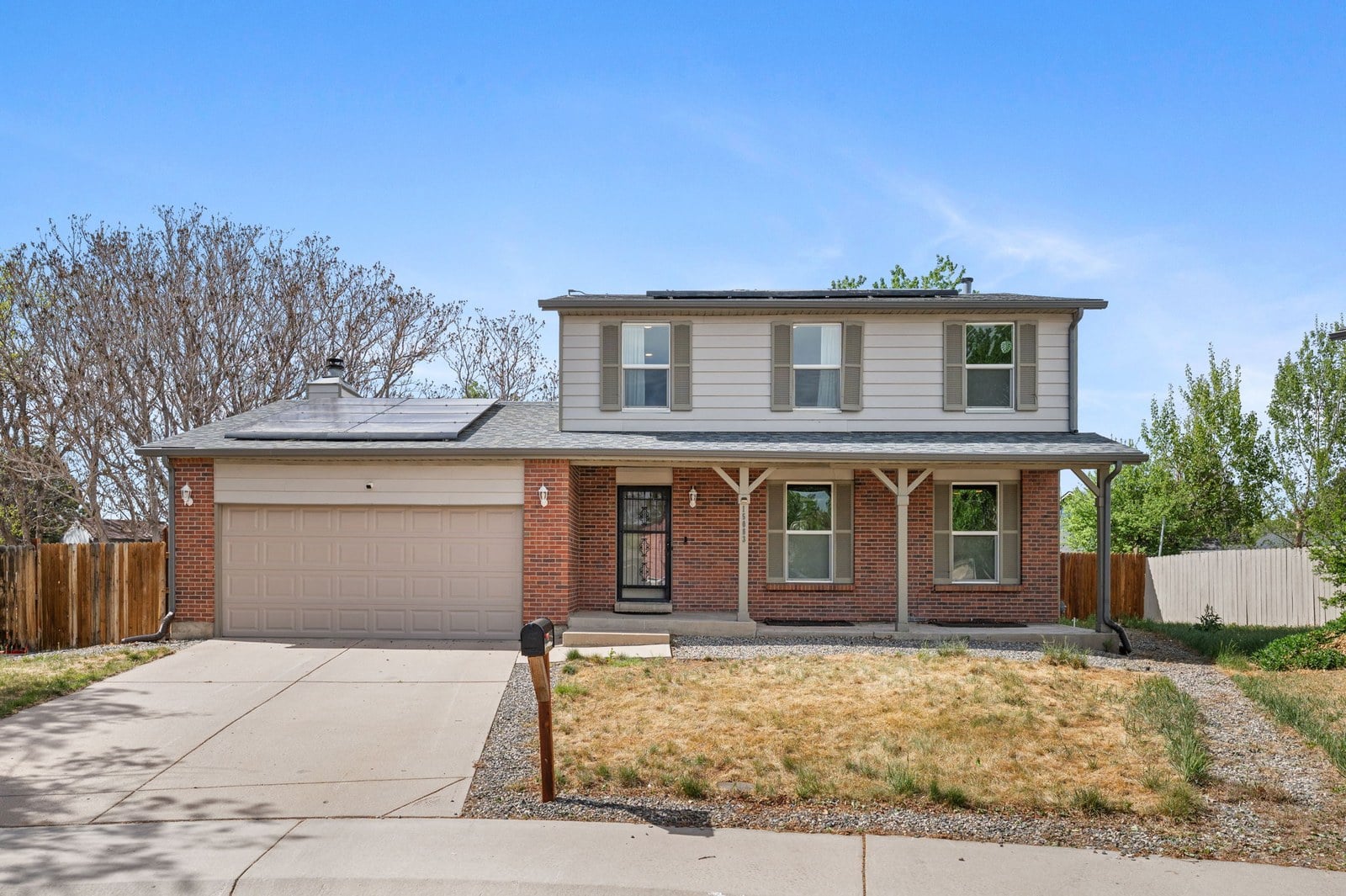
Some homes sit for reasons no amount of preparation will fix. Backing to a busy arterial, a non-conforming bedroom, a bedroom you have to walk through, a one-car garage in a neighborhood of two-car garages, an unpermitted basement finish, or an awkward addition are all permanent facts about the property.
The mistake is treating those as things a buyer will overlook. They will not. They will simply be a smaller group of buyers, and the correct response is to price for that smaller group from day one rather than to discover it over eight weeks. Homes with a real constraint that are priced honestly often sell quickly, because the buyers who do not mind the constraint recognize good value immediately.
If your home has already sat
The first step is to stop guessing and look at what actually happened. Showings with no offers is a price problem. Very few showings is an exposure or photography problem. Offers that die in inspection is a condition problem. Those three symptoms have three different fixes, and applying the wrong one wastes another month.
Second, make one meaningful correction rather than three small ones. A price adjustment that lands the home in the next search bracket down does more than three consecutive reductions that keep it in the same one.
Third, refresh what buyers see. New photography after paint and decluttering, a rewritten description, and full showing availability can genuinely restart a listing. Current metro pace and pricing context is published monthly by the Denver Metro Association of Realtors, and our seller’s guide walks through the sequence in more detail.
Frequently Asked Questions
How long should a Denver home take to sell?
It varies by price point, property type and season, and detached homes typically move faster than attached ones. The more useful benchmark is your own listing’s first two weeks: if showings are steady and no offers arrive, the market has already told you the price.
Does a price reduction make my home look desperate?
A single decisive reduction reads as a correction. A sequence of small ones reads as chasing, and that is the pattern buyers interpret as weakness. If you need to reduce, make it large enough to change the search bracket.
Should I take my home off the market and relist it later?
Sometimes, if you are genuinely going to change something, such as completing repairs, painting or reshooting photography. Relisting with the same price and the same photographs rarely resets anything, since cumulative days on market are visible to agents.
Do buyers really see how long a home has been listed?
Yes. Days on market and price history are visible to buyers and their agents, and they shape the first offer more than almost any other single fact about the listing.
Is staging worth it in Denver?
For vacant homes and for occupied homes with heavy or oversized furniture, usually yes. It is rarely worth full staging for a home that already shows well. The goal is light, space and scale, not a magazine spread.
My neighbor’s home sold in a week. Why is mine different?
Compare the two honestly on the three variables: what they asked relative to condition, how the home showed in photographs, and how available it was for showings. In most side-by-side cases the difference is price relative to condition, not luck.
This article is general information about the Denver housing market and is not tax, legal or financial advice. Market conditions vary by neighborhood and price point; consult the appropriate professional about your own situation.