

How much is your West Highland home worth? It comes down to recent comparable sales adjusted for condition, size, lot and walkable location near Highland Square and Tennyson — and an online estimate is only a starting point, not an answer.
Ask ten owners in West Highland what their home is worth and you will hear ten confident numbers, most from an app. But West Highland is one of the most block-variable neighborhoods in Denver, and a single automated number rarely captures what a buyer would pay for your house on your street.
This pocket of the 80211 and 80212 zip codes runs from Sloan’s Lake up toward Berkeley, anchored by the shops at 32nd and Lowell and the Tennyson Street corridor. Within a few blocks you find 1900s brick bungalows, Denver squares, Victorians, pop-topped classics, and new scrape-and-build duplexes. Those homes do not price the same way, and the gap between two houses on one block can be larger than owners expect.
So how do you get a number you can trust? Value is set by the market — what comparable homes recently sold for — then adjusted for everything that makes your home different. Here is how that works in West Highland, why online estimates struggle here, and how to get an accurate figure, with expertise from Jason Sirois, a Denver Realtor with FORM at Compass Denver.
- Recent comparable sales — what similar nearby homes actually closed for, not list prices
- Condition and updates — kitchens, baths, systems, turnkey or a project
- Size and layout — finished square footage, bed/bath count, and usable space
- Lot — width, depth, alley access, and redevelopment potential
- Micro-location — walkability to Highland Square and Tennyson, and the specific block
- Housing type and era — original bungalow, pop-top, or new-build duplex
How comparable sales actually set your value
Every credible valuation starts with comps — homes similar to yours that recently sold nearby. A good comp is close in location, size, age, style, and condition, and closed recently enough to reflect current conditions. In West Highland, “nearby” can mean a handful of blocks, because crossing a major street or moving away from the Highland Square core can change buyer demand.
Each comp then gets adjusted. If a sold home had a renovated kitchen and yours is original, its price adjusts down to estimate your value; if yours has a finished basement and the comp does not, it adjusts up. Agents and appraisers do this line by line for square footage, bed and bath count, garage, lot, and condition. The result is a supported range, not a single magic number.
This is also why list prices are unreliable — a neighbor can ask any figure, but only the closed sale shows what a buyer paid. For current, verified Denver-metro sold data, the DMAR market trends reports are a reputable public source that updates monthly.
What makes West Highland value different
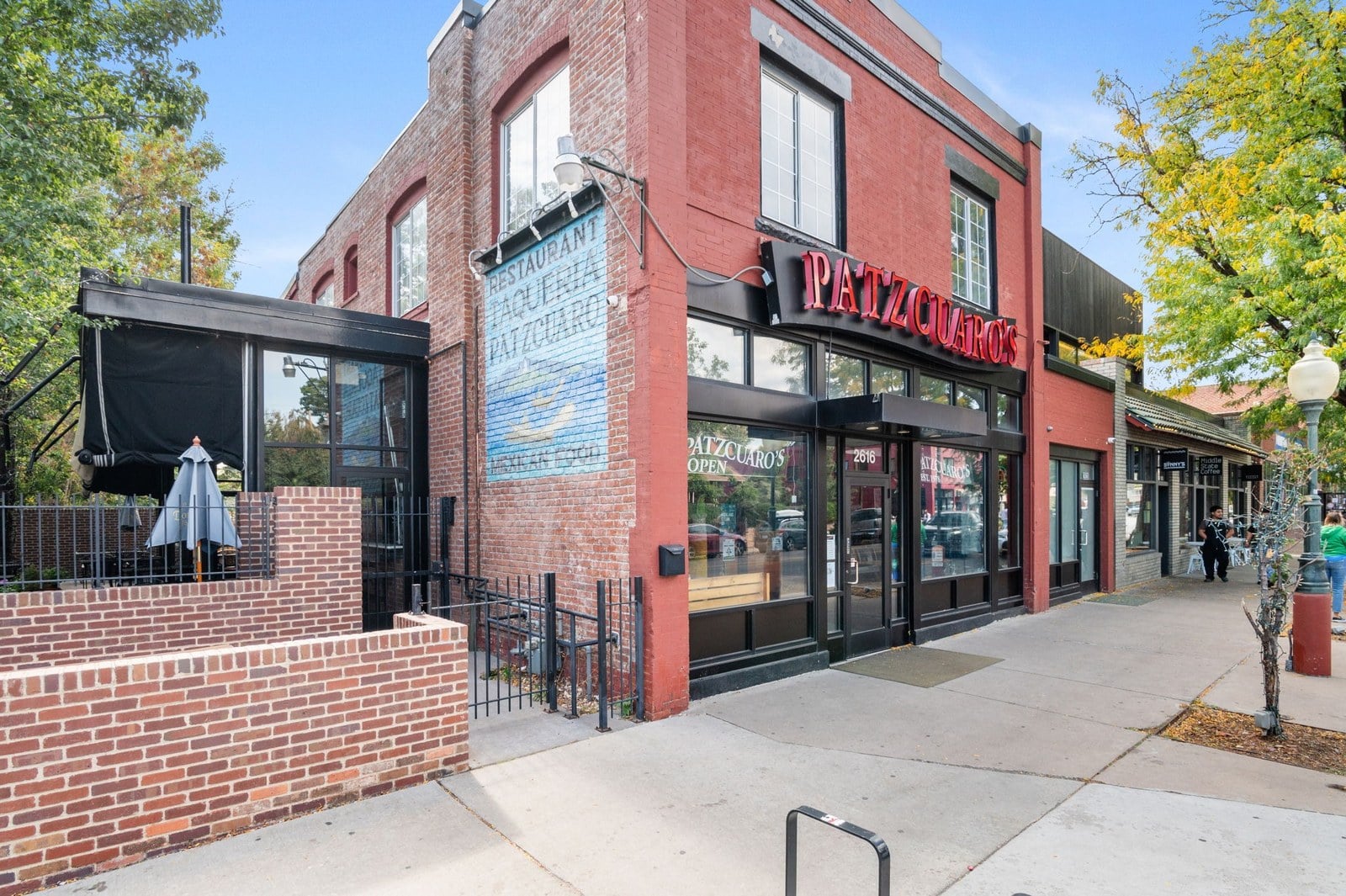
Two factors set West Highland apart: walkability and housing-stock variety. Homes within an easy walk of Highland Square at 32nd and Lowell, or the shops along Tennyson Street, tend to command a premium because that lifestyle is hard to replicate. Buyers pay to leave the car at home, and a home four blocks from the action often out-prices a comparable one a mile away.
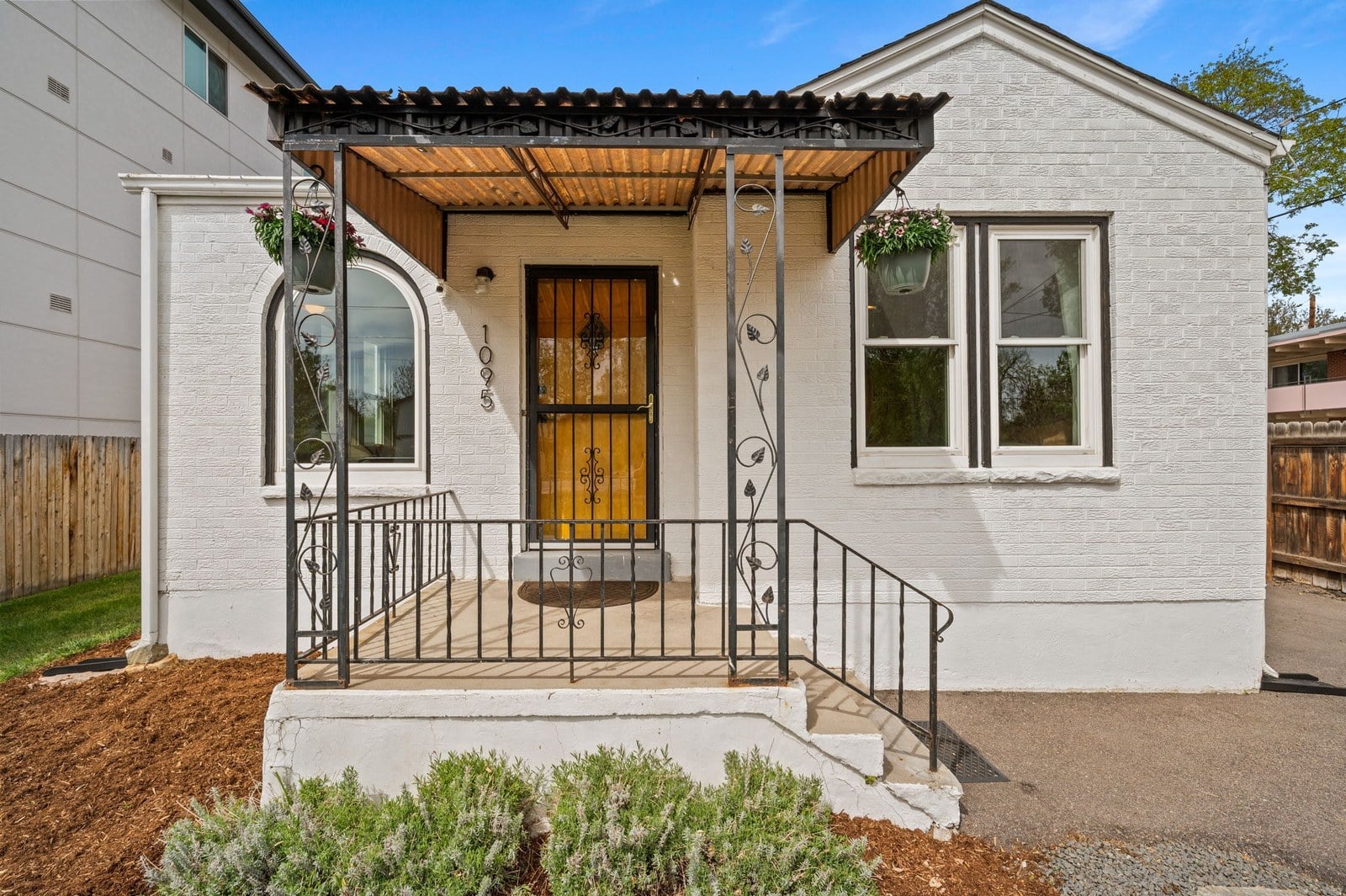
Then there is the stock itself. An original 1920s brick bungalow, a pop-top that added a second story, and a new scrape-and-build duplex are three different products in the same square mile. The bungalow sells on charm and location; the pop-top on added space; the new build on turnkey finishes and square footage. Each draws a different buyer and is valued against its own comps — you cannot price a bungalow off a new rowhome next door.
Lot size and redevelopment potential add another layer: a wider or deeper lot can carry real value to a builder even if the house is dated, one reason West Highland numbers surprise owners. For neighborhood context, FORM’s West Highland community page is a useful overview.
Why online estimates miss the mark here
Automated valuation models — the “Zestimate” and its cousins — are built to price the average home in an average subdivision, leaning on public records, tax data, and a computer’s read of recent sales. The trouble is that an algorithm cannot see inside your home. It does not know whether your kitchen was renovated last year or last touched in 1985, whether the basement is finished, or whether the systems are new. It also struggles with micro-location, treating a home backing to an alley the same as one facing a quiet park block, and often lumping a walkable Highland Square address in with homes that are not.
None of that makes an online estimate useless. But in a neighborhood where condition and exact block drive so much value, an AVM is a rough starting point, never the basis for a list price.
How condition and updates move the number
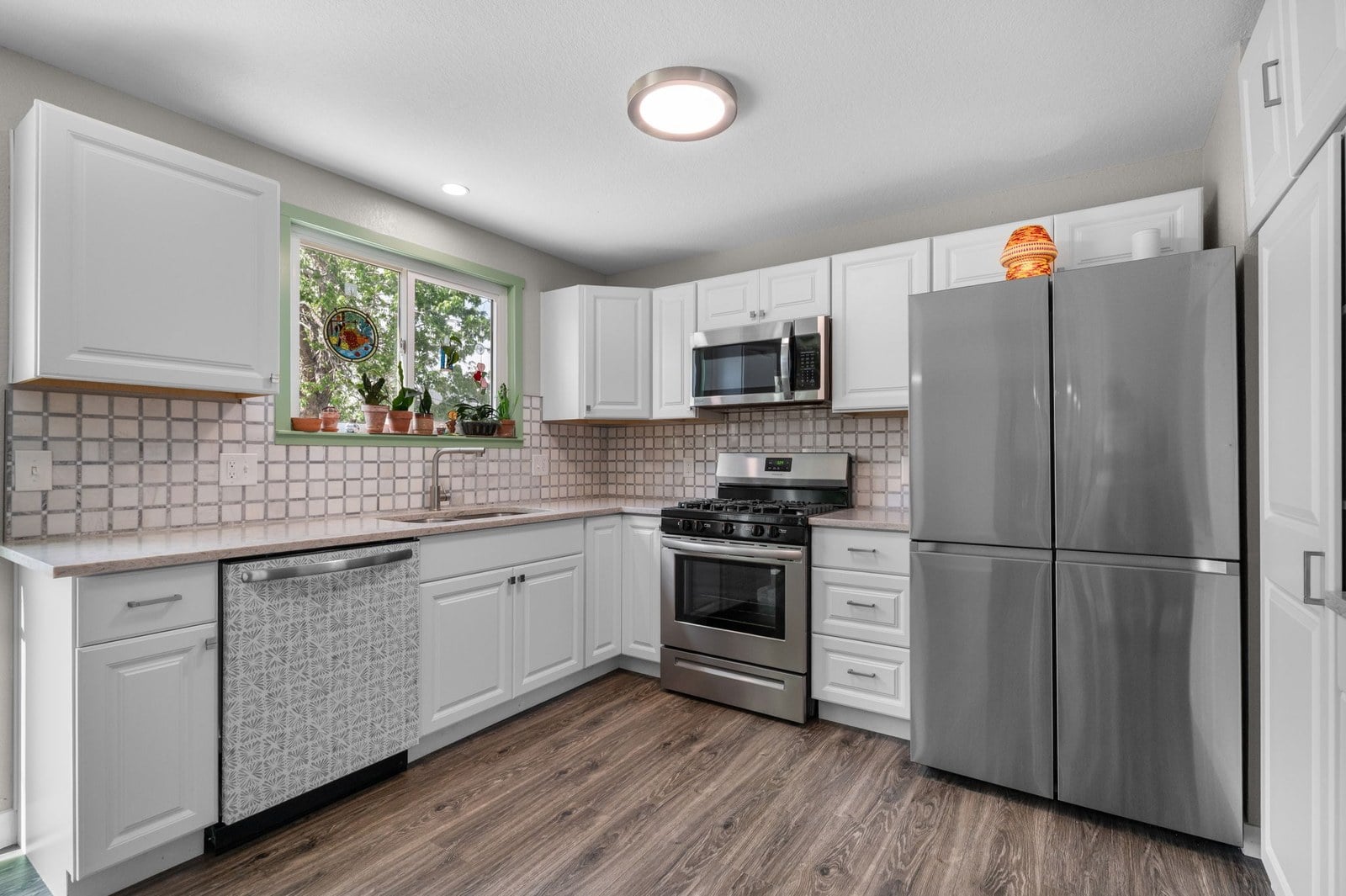
Condition is often the biggest swing factor between two otherwise similar West Highland homes. Kitchens and bathrooms carry outsized weight, followed by big-ticket systems — roof, furnace, sewer line, electrical — that are costly to replace and easy for buyers to price into an offer. An original kitchen or unfinished basement will not sink your value, but buyers deduct the cost of the work.
That said, more renovation is not automatically more value. Nationally, cosmetic and curb-appeal projects tend to return more of their cost at resale than large discretionary remodels — a pattern tracked in the annual Cost vs. Value report and in research from the Harvard Joint Center for Housing Studies. In a character neighborhood like West Highland, updates that respect the home’s era often read better than a gut renovation that erases it. Before spending on pre-sale improvements, get an agent’s read on which dollars come back.
CMA vs. appraisal — when you need each
Two tools produce a real value figure, for different purposes. A comparative market analysis (CMA) is prepared by a local agent to show what your home would likely sell for right now, given current demand and competition. It is forward-looking and pricing-focused — what you want when deciding whether and when to sell.
An appraisal is a formal opinion of value from a licensed appraiser, usually ordered by a lender during a purchase or refinance. It is a point-in-time, lender-facing document with strict methodology. Appraisals matter once a home is under contract, but are not designed to help you strategize a list price.
For most owners asking “what is my home worth today,” a local CMA is the right first step. Pair it with FORM’s home sale calculator to estimate your net proceeds after costs.
How to get an accurate number for your home
The most reliable path is a local CMA from an agent who sells here, walks your home in person, and adjusts real West Highland comps for your condition, updates, lot, and exact block — the read an app cannot do. Jason Sirois, an Applewood resident who works throughout northwest Denver, can prepare a West Highland home value analysis grounded in recent comparable sales rather than an algorithm. If you are weighing a sale, or just want to know where you stand, reach out through the contact page for a no-pressure look at your options.
Frequently Asked Questions
Are Zestimates accurate in West Highland?
They are a reasonable ballpark but often miss here, because the algorithm cannot see your home’s condition, updates, or exact block. With bungalows, pop-tops, and new builds on the same street, treat an automated estimate as a starting point, not a list price.
Does walkability to Highland Square add value?
Generally, yes. Homes within an easy walk of Highland Square at 32nd and Lowell or the Tennyson corridor tend to command a premium, because that lifestyle is hard to replicate. Buyers pay to leave the car at home, though the exact effect depends on the specific block.
How is an original bungalow valued versus a new duplex?
They are priced against different comps and draw different buyers. A 1920s bungalow sells on charm and location; a new scrape-and-build duplex sells on turnkey finishes and square footage. You cannot accurately price one off the other — a common mistake with automated tools.
Does an unfinished basement or original kitchen hurt my value?
It rarely sinks value, but buyers deduct the estimated cost and effort of the work. Kitchens, baths, and major systems carry the most weight. In a character neighborhood like West Highland, sympathetic updates often appeal to buyers more than a full gut renovation.
How often should I check my home’s value?
An online estimate once or twice a year is plenty for a general pulse. If you are seriously weighing a sale, refinance, or major improvement, get a fresh local CMA close to that decision, since conditions and comparable sales shift through the year.
Is now a good time to sell in West Highland?
That depends on current inventory, buyer demand, and your own timing, all of which move month to month. Rather than rely on a headline, review recent sold data and get a local read on your specific home before deciding.
This article is general information, not an appraisal or financial advice. Any home value figure is an estimate that can change with market conditions and your home’s specifics. Confirm numbers with a licensed real estate professional or appraiser before making decisions.