
A Sunnyside home’s 2026 property tax bill is roughly its value times 0.54 percent. On a $500,000 Denver home, CPR News projected about $2,680 for bills paid in 2026, up more than 13 percent, because a temporary value discount expired and assessment rates changed.
Property tax bills mailed to Denver homeowners in early 2026 surprised a lot of people. Bills rose across the city even where a home’s value had not changed since the 2025 reappraisal, and escrow payments followed. The reason was not a single new tax. It was the way several state rules lined up for the year.
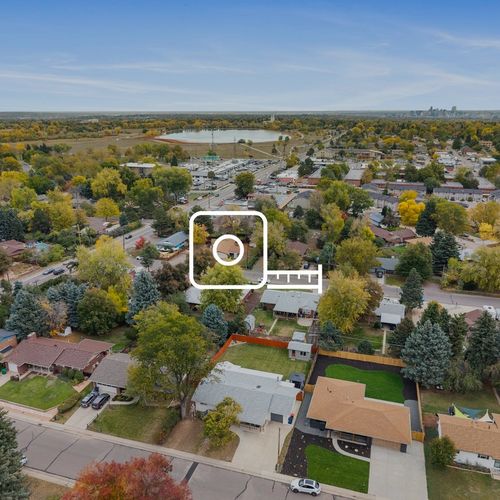
Sunnyside sits entirely inside the City and County of Denver, roughly between Federal Boulevard and I-25 and from 38th Avenue north to I-70. That means nearly every home in the neighborhood pays the same core set of Denver taxing entities: the city, Denver Public Schools and a few citywide districts. The biggest variable from one Sunnyside home to the next is its value, not its block.
Jason Sirois is a Denver Realtor with FORM at Compass, whose office is at 1900 W 32nd Ave in Northwest Denver. This post walks through how a Sunnyside bill is calculated in 2026, what changed, what a few typical home values work out to, and what to watch for the bills that arrive in 2027.
How is a Sunnyside property tax bill calculated?
The Denver Assessor’s assessment FAQ gives the formula: actual value, less any value reduction in effect, times the residential assessment rate, times the mill levy. One mill is one dollar of tax for every $1,000 of assessed value.
Three things set a Sunnyside bill:
- Actual value. Denver reappraises real property every two years, in odd-numbered years. The 2025 values were based on sales from July 1, 2022 through June 30, 2024, and they carry through the 2026 tax year.
- Assessment rate. The share of actual value that is taxed. The state legislature sets it, and since 2025 it has been different for school taxes and for everything else.
- Mill levy. The combined tax rate of every entity that taxes the property, mostly the City and County of Denver and Denver Public Schools.
Property taxes in Colorado are paid a year in arrears, so the bill you pay in 2026 is for the 2025 tax year. That is why people use “2025 taxes” and “2026 bills” to mean the same thing.
Why did Sunnyside property taxes go up in 2026?
CPR News explained that two changes did most of the work. First, a 2024 law that temporarily reduced each home’s taxable value by up to $55,000 expired. Second, the single residential assessment rate of 6.7 percent used the year before was replaced by two rates: 7.05 percent for school district taxes and 6.25 percent for all other taxing entities.
School taxes are the larger share of a Denver bill, so the higher school rate and the loss of the discount outweighed the lower non-school rate. CPR calculated that a $500,000 Denver home paid about $2,360 the year before and was projected to owe about $2,680 in 2026, an increase of more than 13 percent with no change in the home’s value.
What does a Sunnyside home pay in property tax in 2026?
For the 2025 tax year, Denver’s combined baseline mill levy was 79.602 mills, according to a Virtuance summary of the city’s 2025 districts and levies schedule: 27.328 mills for the city and other non-school entities and 52.274 mills for Denver Public Schools. Applying the 2026 assessment rates from CPR to those levies gives an effective rate of about 0.54 percent of actual value.
| Actual value | School portion (7.05% x 52.274 mills) | Non-school portion (6.25% x 27.328 mills) | Estimated 2026 bill |
|---|---|---|---|
| $500,000 | About $1,843 | About $854 | About $2,697 |
| $650,000 | About $2,395 | About $1,110 | About $3,506 |
| $800,000 | About $2,948 | About $1,366 | About $4,315 |
| $1,000,000 | About $3,685 | About $1,708 | About $5,393 |
These are simple arithmetic on the published rates and levies, not an official calculation for any property. The $500,000 row lands within a few dollars of CPR’s own Denver estimate, which is a useful cross-check. The home values are round numbers for illustration, not Sunnyside sale prices.
A few Denver properties pay more than the baseline. Homes inside a metro district or a special improvement district carry an additional levy, which shows up as its own line on the tax statement. To see the exact figure for a specific Sunnyside address, look up its actual value and tax district with the Denver Assessor, or read the most recent tax statement.
When are Denver property taxes due?
Denver bills can be paid in two halves or all at once. The first half is due by the last day of February, the second half by June 15, and a single full payment by April 30. Most owners with a mortgage pay through escrow, so the lender pays the bill and adjusts the monthly payment once a year.
That escrow adjustment is where most Sunnyside homeowners felt the 2026 increase. A higher bill often creates an escrow shortage, which the lender spreads over the next year’s payments on top of the higher ongoing amount.
What could change Sunnyside property taxes in 2027?
Several things are already scheduled or on the table for the bills paid in 2027:
- New assessment rules. CPR reported that for the 2026 tax year the non-school rate returns to 6.8 percent and a new $70,000 value discount applies, but only to non-school taxes. CPR estimated the combined effect would lower its example $500,000 Denver bill by about $50.
- DPS Ballot Issue 4A. Denver voters decided on November 3, 2026 whether to raise DPS operating taxes by up to $44 million a year, starting with taxes collected in 2027. Results were not final when this was written. Our post on what DPS Ballot Issue 4A would add to a Sunnyside property tax bill covers the district’s estimate of about $11.50 a year per $100,000 of home value.
- The 2027 reappraisal. The next round of Denver values, based on sales through mid-2026, will apply to taxes paid in 2028. Notices of value go out in the spring of 2027, and protests are due June 8.
How do property taxes affect buying or selling in Sunnyside?
Taxes are part of the monthly payment a lender qualifies a buyer for, so a higher bill reduces purchasing power slightly at a given price. Buyers should ask for the current tax statement and check whether the home sits in a metro or improvement district, since those add their own levy.
At closing, Colorado taxes are prorated. Because the bill is paid in arrears, the seller typically credits the buyer for the portion of the current year they owned the home, based on the most recent known bill. In a year when rates or levies change, that estimate can differ from the eventual bill.
For sellers, the useful step is simple: have the latest tax statement ready, along with any protest results or pending abatements. For more on the neighborhood itself, see our Sunnyside community page.
Frequently Asked Questions
What is the property tax rate in Sunnyside, Denver?
For bills paid in 2026, the effective rate on a typical Sunnyside home works out to about 0.54 percent of actual value, based on Denver’s 79.602-mill baseline levy, a 7.05 percent school assessment rate and a 6.25 percent rate for other taxes.
How much is property tax on a $500,000 home in Denver?
CPR News projected about $2,680 for bills paid in 2026, up from about $2,360 the year before. Our arithmetic on the published rates gives about $2,697. Homes in metro districts pay more.
Why did my Denver property tax go up if my value didn’t change?
A temporary value discount of up to $55,000 expired and the school assessment rate rose to 7.05 percent. Together they raised most Denver bills paid in 2026 even where the assessed value stayed the same.
Is Sunnyside in Denver Public Schools?
Yes. Sunnyside is inside the City and County of Denver, which shares its boundary with Denver Public Schools, so the school portion of the bill goes to DPS.
When is the next Denver reappraisal?
Denver reappraises in odd-numbered years. The next notices of value come in spring 2027, and the protest deadline is June 8.
Will Sunnyside property taxes go down in 2027?
CPR estimated the new non-school discount and rate would trim a $500,000 Denver bill by about $50, but any voter-approved levy increase, including DPS Ballot Issue 4A if it passed, would offset part of that.
This article is for general information only and reflects published rates and reporting as of early November 2026. It is not tax, legal or financial advice. Confirm the figures for any property with the Denver Assessor and Denver Treasury, and consult a tax professional about your situation.