
Applewood is one of the most sought-after pockets on the west side of the Denver metro, and for good reason. Mature trees, larger lots, well-built mid-century homes, and quick access to both Denver and the foothills give it a feel that is hard to find closer to the city core. That same appeal also makes it competitive, so buying well here takes local knowledge and a clear plan.
Whether you are moving up from a smaller home, relocating to be near the west side, or looking for more space and established surroundings, buying in Applewood is a little different from buying in a newer or more urban neighborhood. The homes are older, the lots are bigger, and the inventory is limited, which changes how you search, evaluate, and make offers.
Jason Sirois, a Denver Realtor with FORM at Compass Denver, lives in Applewood and helps buyers navigate this market with a clear, data-backed approach. Because he knows the area block by block, he can help you understand which streets, home styles, and price points fit what you are looking for. Here are the tips that matter most when buying a home in Applewood.
Get to Know the Applewood Market Before You Shop
Applewood is not a single, uniform market. Pricing, competition, and home condition can vary quite a bit between the pockets closer to Golden, the areas near Applewood Golf Course and Crown Hill, and the sections that border Wheat Ridge. Understanding where each part of the area stands helps you set realistic expectations before you fall in love with a listing.
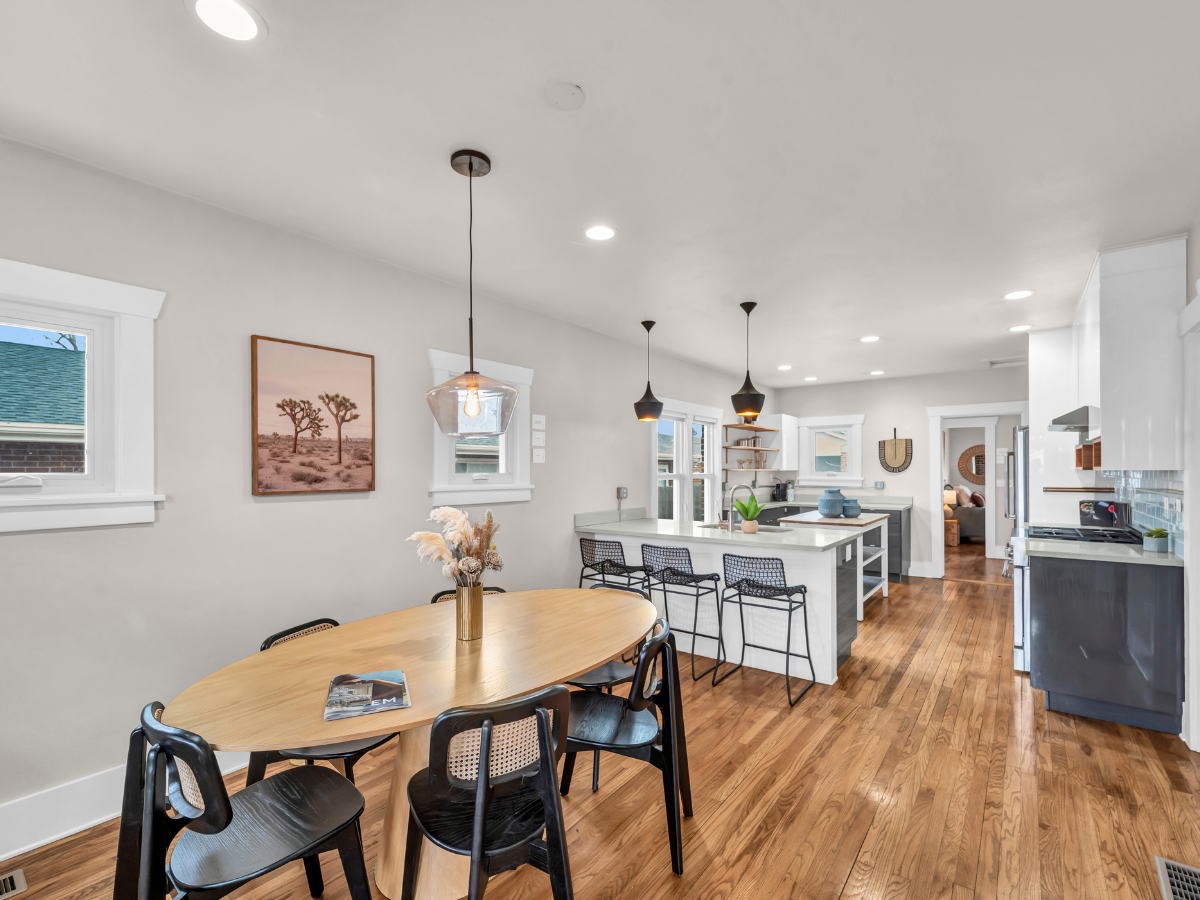
Because inventory here tends to be limited, well-priced homes in good condition can move quickly, while dated or overpriced homes may sit. Knowing the difference is what keeps you from overpaying in a bidding situation or, on the other hand, hesitating on a home that is actually a strong value. Reviewing recent comparable sales and current market trends with a local agent will give you a much clearer picture than list prices alone.
Understand What Makes Applewood Different
Part of Applewood’s appeal is that it does not feel like a typical subdivision. Many homes sit on larger lots with mature landscaping, and the streets have an established, settled character. That means more space, more privacy, and more room to garden, entertain, or add on over time.
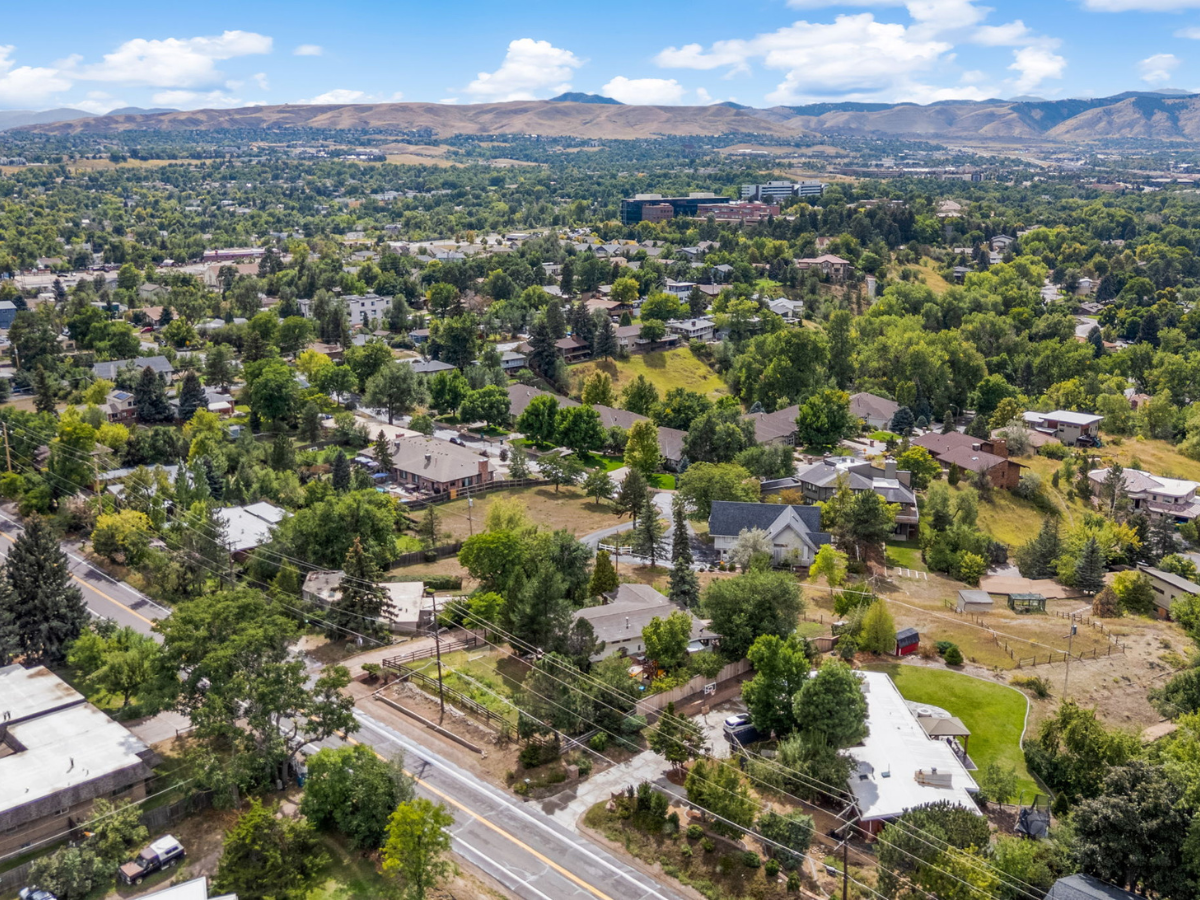
It also means the housing stock is older, with a lot of mid-century ranches and two-story homes. Some have been beautifully updated, while others are still close to original. Neither is good or bad on its own, but the condition and updates directly affect price, financing, and how much work you should expect after closing. Going in with clear eyes about what you are buying is one of the most important parts of a smart purchase here.
Get Your Financing Lined Up Early
In a competitive, limited-inventory area, being financially ready is one of your biggest advantages. A strong pre-approval, not just a pre-qualification, tells sellers you are serious and able to close, which matters when multiple buyers are interested in the same home.
Before you start touring, it is worth talking with a lender about your budget, your down payment, and the monthly payment you are comfortable with. A mortgage calculator and an affordability calculator are useful starting points for running the numbers, and a lender can sharpen those estimates for your specific situation. Getting this done early means you can move quickly and confidently when the right home appears.
Know the Home Styles and What to Look For
Because many Applewood homes were built decades ago, part of buying well is knowing what to look at beyond the finishes. Cosmetic updates are easy to see, but the systems and structure are what protect your investment over time.

As you tour homes in the area, pay attention to the high-impact items that are common considerations in established neighborhoods:
- Roof age and condition
- Furnace, water heater, and electrical panel age
- Windows and insulation
- Sewer line condition on older homes
- Foundation and drainage around the lot
- Any additions or finished basements, and whether they were permitted
None of these should necessarily scare you off. They are simply the things a good inspection and a knowledgeable agent will help you evaluate so you can budget accurately and negotiate from an informed position.
Factor in Location Within Applewood
Location matters as much as the home itself. Applewood’s draw is its balance: quiet, established streets with quick access to I-70, Golden, downtown Denver, and the mountains. But within the area, proximity to major roads, parks, trails, and schools can meaningfully affect both lifestyle and long-term value.
Think about your daily routine. How close do you want to be to Clear Creek and Crown Hill for trails and open space, to Golden for work or recreation, or to the highway for commuting? Buyers who get specific about location within Applewood tend to be happier with their purchase and often see stronger resale down the road.
Be Ready to Move in a Competitive Segment
Because desirable Applewood homes can attract multiple buyers, having a clear offer strategy is essential. That does not always mean offering the most money. Terms, timing, contingencies, and how clean your offer looks all factor into how a seller responds.
An experienced local agent can help you craft an offer that is both competitive and protective of your interests, whether that means adjusting your closing timeline, handling inspection expectations thoughtfully, or knowing when to hold firm. In a limited-inventory area, being prepared to act decisively, without acting recklessly, is what wins homes.
Work With a Local Applewood Expert
Buying in Applewood rewards local knowledge. The right guidance helps you understand micro-market differences, evaluate older homes accurately, and compete effectively when you find the one.
Jason Sirois is a Denver Realtor with FORM at Compass Denver and an Applewood resident himself, which gives him both personal and professional insight into the area. He helps buyers across Applewood, Wheat Ridge, and the west side make informed decisions based on real neighborhood data, not guesswork. If you are considering a move to Applewood, Jason and the FORM Team at Compass Denver would be happy to review the current market, talk through your options, and help you build a smart buying plan. You can start by exploring the Buyer’s Guide or getting in touch.
Frequently Asked Questions About Buying in Applewood
Is Applewood a good place to buy a home?
For many buyers, yes. Applewood offers larger lots, mature surroundings, and a quieter, established feel while keeping easy access to Denver, Golden, and the mountains. Because it has its own micro-market dynamics, working with an agent who knows the area closely is valuable.
What kinds of homes are in Applewood?
Applewood is known for mid-century ranches and two-story homes on generous lots. Some are updated and move-in ready, while others are closer to original condition. Knowing the difference is key to understanding price and the work involved.
How competitive is the Applewood market?
Inventory in Applewood tends to be limited, so well-priced homes in good condition can move quickly and sometimes draw multiple offers. Being financially prepared and working with a local agent helps you compete effectively.
Do I need a local agent to buy in Applewood?
It is not required, but it helps a great deal. A local agent understands the pocket-by-pocket differences, can evaluate older homes accurately, and knows how to structure a strong offer in a competitive, limited-inventory area.
What should I budget for when buying an older Applewood home?
Beyond the purchase price, factor in potential updates to roofs, systems, windows, and sewer lines on older homes. A thorough inspection and a knowledgeable agent will help you estimate these costs and negotiate accordingly.