


Downsizing sounds simple. Move from a larger home into a smaller one, free up equity, and simplify your life. In practice, it is one of the more complex moves a homeowner can make in Denver, because you are buying and selling at the same time, in the same market, on a timeline that has to line up.
Whether you are an empty nester in Applewood ready to trade a big lot and stairs for something easier to maintain, or a homeowner in Wheat Ridge looking to convert equity into flexibility, downsizing is as much a strategy decision as a lifestyle one. The order of your moves, the condition of your current home, local inventory, and how you handle financing all shape the outcome.
Jason Sirois, a Denver Realtor with FORM at Compass Denver, helps homeowners plan both sides of a downsize with a clear, data-backed approach. As an Applewood resident and active community member, Jason understands how west side and central Denver micro-markets behave, which matters a great deal when you are trying to time a sale and a purchase in the same season.
Start by Getting Clear on Why You Are Downsizing
Before you look at a single smaller home, it helps to define what you actually want the move to accomplish.
For some homeowners, downsizing is about reducing maintenance, stairs, and yard work. For others, it is about unlocking equity to fund retirement, travel, or a second property. Some want to stay in the same neighborhood and simply shift into a more manageable footprint. Others are ready to relocate entirely.
Your reason drives the strategy. A homeowner who wants to pull maximum equity will approach pricing and timing differently than one who prioritizes a smooth, low-stress transition. Getting clear on the goal first makes every later decision easier.
Understand the Denver Market on Both Sides of the Move
Downsizing means you are a seller and a buyer at once, so you need to understand both sides of the current market.
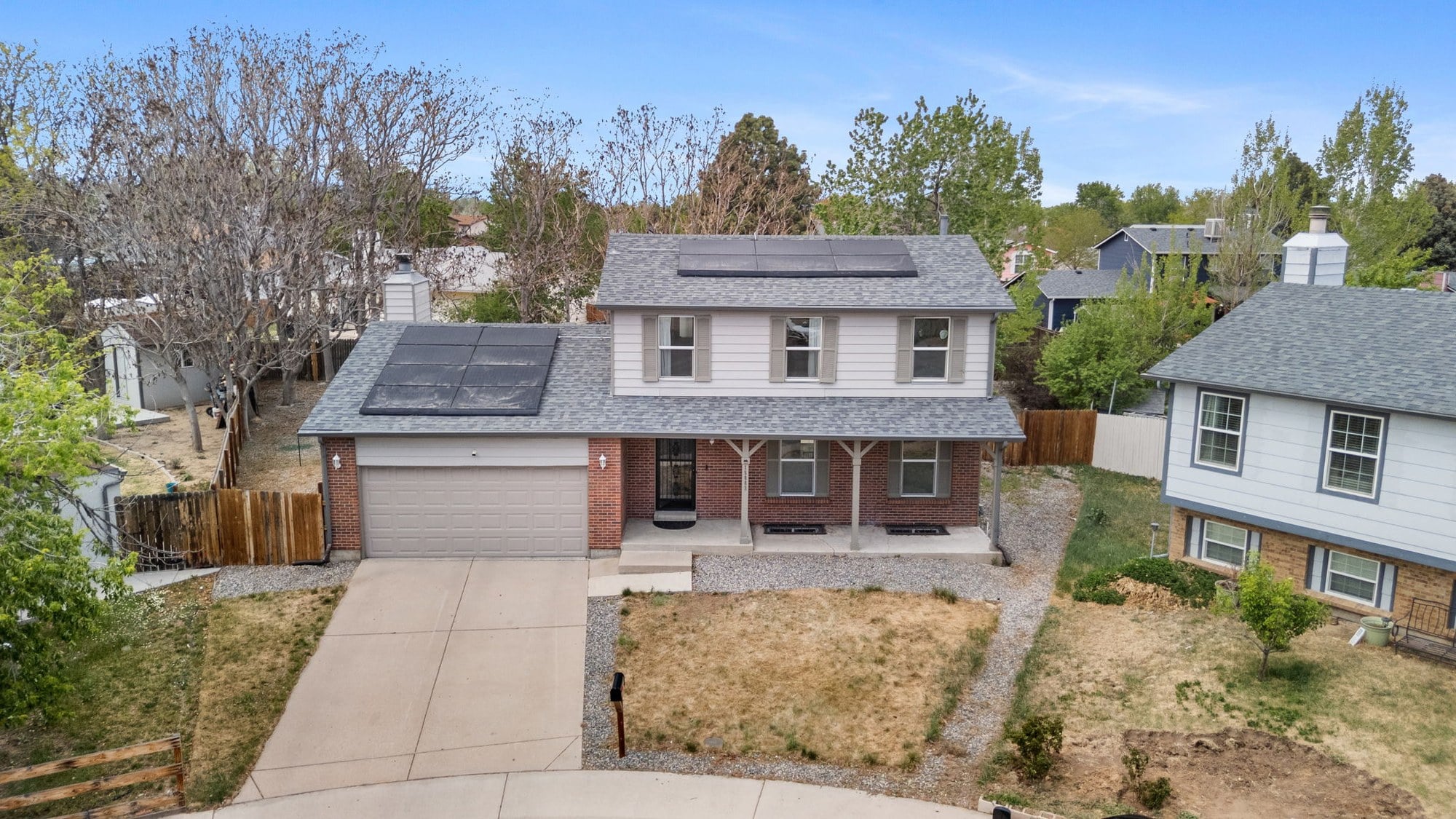
Denver is not a single market. Buyer demand, pricing, and days on market can vary significantly between Applewood, Wheat Ridge, Berkeley, Sloan’s Lake, Lakewood, and the central Denver neighborhoods. Your larger home may sit in a segment with strong demand while the smaller homes you want are competitive and move quickly, or the reverse. Knowing where each segment stands is the difference between a confident plan and a stressful scramble.
A strong downsizing plan starts with local data on current market trends, including inventory levels, absorption, and pricing movement in both your current segment and your target segment. Jason Sirois tracks Denver, Wheat Ridge, and Applewood trends closely, which helps homeowners see how their two transactions are likely to interact.
Decide Whether to Buy First or Sell First
This is the central question of almost every downsize, and there is no single right answer.
Selling first gives you certainty. You know exactly how much equity you have, you make a stronger, cleaner offer on your next home because it is not contingent on a sale, and you avoid carrying two mortgages. The tradeoff is that you may need an interim plan, such as a rent-back agreement or temporary housing, if your purchase does not line up immediately.
Buying first gives you a place to land before you list. You move on your own schedule and avoid a rushed home search. The tradeoff is financial. You may need to qualify for two mortgages at once, or use equity you have not yet freed up, which can require bridge financing or other tools.
The right choice depends on your finances, your risk tolerance, and current conditions in both market segments. In a market where the homes you want move quickly, buying first may protect you from missing the right property. In a slower segment, selling first may be the safer path. This is exactly the kind of tradeoff a local agent should walk through with you before you commit.
Right-Size Before You List, Not After You Move
Downsizing gives you a reason to declutter that most sellers do not have, and it works in your favor twice.

Editing your belongings before you list makes your current home show better, because clean, open, well-edited spaces photograph well and help buyers picture themselves there. It also means you are not paying to move things you do not want in a smaller home. Starting early, room by room, turns an overwhelming task into a manageable one.
As you prepare your current home for the market, focus on the high-impact items that help a listing feel move-in ready:
- Deep cleaning
- Decluttering and editing furniture
- Touch-up paint
- Minor repairs
- Landscape cleanup
- Window washing
- Light staging or styling
Jason Sirois and the FORM Team at Compass Denver also maintain a network of trusted vendors, including cleaners, painters, landscapers, handypeople, stagers, and movers, which can make the prep and transition much smoother.
Price Your Current Home Strategically
Pricing your existing home well is one of the most important parts of a successful downsize.
The right price creates interest, drives showings, and positions the home competitively against similar active listings. Overpricing can cause a listing to sit, which is especially risky during a downsize because a slow sale can throw off the timing of your purchase. A strategic price is the number that creates the strongest buyer response based on recent comparable sales, current competition, condition, and timing.
Because your sale funds your next purchase, pricing accuracy matters even more here than in a typical sale. A tool like the home sale calculator can give you a rough sense of your net proceeds, and a local market analysis will sharpen that estimate with real neighborhood data.
Know What to Look for in a Smaller Home
The best downsize is not just smaller. It is better matched to how you want to live next.
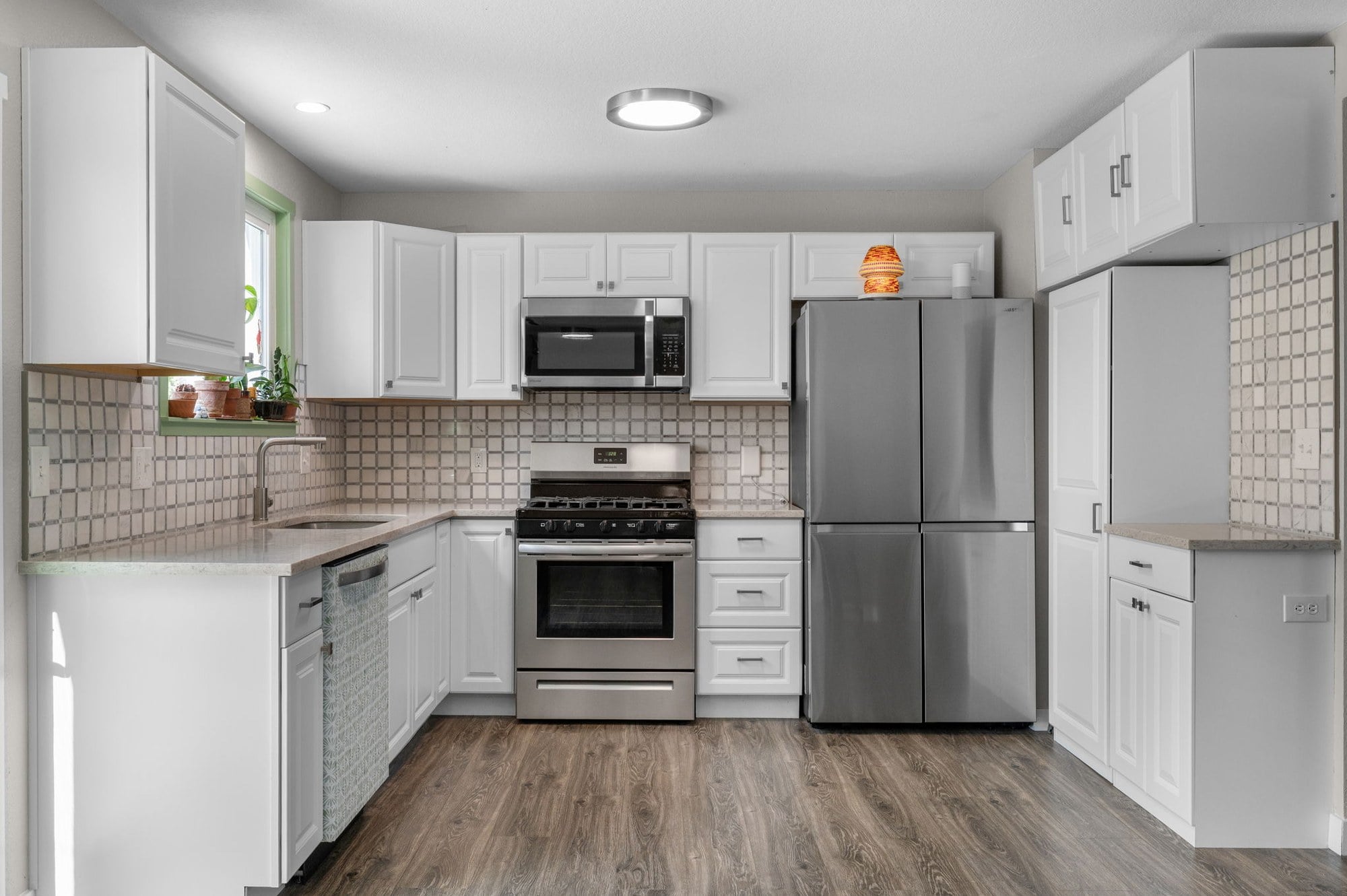
Many downsizers prioritize single-level living or a main-floor primary suite, low-maintenance yards, updated systems, and a lock-and-leave lifestyle that supports travel. Ranch-style homes, patio homes, townhomes, and select condos all serve downsizers well, and each carries different tradeoffs around maintenance, HOA fees, and privacy.
Location still matters as much as size. Many Denver downsizers want to stay close to the restaurants, parks, trails, and medical care they already rely on. Applewood and Wheat Ridge appeal to homeowners who want easier-to-manage properties with continued access to Denver and Golden, while central neighborhoods draw those who want walkability and to trade square footage for a more connected lifestyle.
Plan the Financing Before You Commit
Downsizing changes your financial picture, and the details are worth planning early.
Many downsizers are equity rich, which opens up options such as paying cash, making a large down payment to eliminate a monthly mortgage, or keeping financing in place and investing the freed-up equity. If your timing requires buying before you sell, you may look at a bridge loan or other short-term tools. Reviewing your options with a lender before you start can clarify what is realistic and help you shop with confidence. A mortgage calculator is a useful starting point for estimating payments on your next home.
There are also tax considerations when selling a primary residence, including the capital gains exclusion that may apply to your sale. These rules depend on your specific situation, so this is general information rather than tax advice. A qualified tax professional or financial advisor can help you understand how a downsize affects your finances before you make a decision.
Coordinate the Timing of Both Transactions
The hardest part of downsizing is usually not the buying or the selling. It is the coordination.
A well-run downsize aligns your closing dates, your financing, and your move so the two transactions support each other instead of colliding. That can involve a rent-back agreement that lets you stay in your sold home for a set period, a contingent purchase, or a carefully sequenced set of closing dates. Small details in the contracts, including possession terms and contingency structure, can make a large difference in how smoothly the transition goes.
This is where experienced local guidance pays off most. An agent who has coordinated many of these moves can help you build a timeline that reduces risk and keeps both sides moving.
Choose a Denver Realtor With Local Expertise
Downsizing well takes more than listing one home and buying another. It takes strategy, timing, preparation, and someone who can manage both sides of the move at once.
Jason Sirois is a Denver Realtor with FORM at Compass Denver who helps homeowners across Denver, Wheat Ridge, Applewood, and the west side plan and execute a downsize with clarity. As an Applewood resident himself, Jason brings both personal and professional insight into the local market. He tracks neighborhood data closely and helps homeowners make informed decisions based on real numbers, not guesswork.
Whether you are ready to downsize soon or simply want to understand your options, a thoughtful conversation can help you plan ahead. If you are considering a move in Denver, Wheat Ridge, Applewood, or the surrounding areas, Jason Sirois and the FORM Team at Compass Denver would be happy to review the current market, walk through your options, and help you build a smart downsizing strategy.
Frequently Asked Questions About Downsizing in Denver
Should I buy or sell first when downsizing?
It depends on your finances and current market conditions. Selling first gives you certainty about your equity and makes your next offer stronger, while buying first gives you a place to land before you list. A local agent can help you weigh the tradeoffs based on how both market segments are behaving.
How do I know if downsizing makes financial sense?
Start by clarifying your goal, then look at your current equity, the cost of the smaller home you want, and your monthly budget after the move. A market analysis and a conversation with a lender or financial advisor can help you see the full picture before you commit.
What kind of home is best for downsizing in Denver?
Many downsizers prioritize single-level living, low-maintenance yards, updated systems, and a lock-and-leave lifestyle. Ranch homes, patio homes, townhomes, and some condos all work well, with different tradeoffs around HOA fees, maintenance, and privacy.
Is Applewood a good area for downsizing?
Applewood appeals to homeowners who want a more manageable property while keeping easy access to Denver and Golden, along with trails, larger established lots, and a strong neighborhood feel. Because it has its own micro-market dynamics, working with an agent who knows the area closely is valuable.
How do I coordinate the timing of selling and buying?
Timing usually comes down to closing dates, financing, and possession terms. Tools like rent-back agreements, contingent offers, and carefully sequenced closings can help align both transactions. An experienced local agent can build a timeline that reduces risk.
Why work with Jason Sirois and FORM at Compass Denver?
Jason Sirois combines local market expertise, data-driven strategy, and strong listing marketing. As an Applewood resident and Denver Realtor, he helps homeowners across Denver, Wheat Ridge, Applewood, and the west side manage both sides of a downsize with confidence.