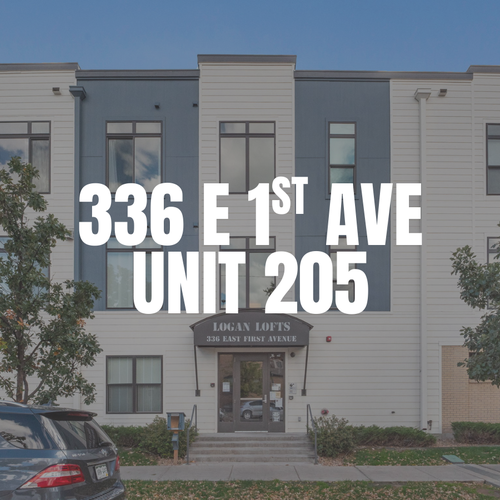


Denver Real Estate Market Update: Detached vs. Attached Homes in December 2025
The Denver Metro real estate market closed out 2025 in a noticeably more balanced state than the frenzy years of 2021 and 2022. However, looking at the market as a single story no longer provides an accurate picture. The most important shift happening right now is the widening performance gap between detached single-family homes and attached homes, including condos and townhomes.
Understanding this split is critical for buyers and sellers planning a move in 2026. The data shows that while overall pricing has stabilized, buyer behavior, inventory levels, and negotiating dynamics differ meaningfully depending on property type.

High-Level Market Overview
Across all residential property types, the Denver Metro area recorded a median close price of $575,000 in December 2025, down 0.86 percent month-over-month but still up year-over-year. Closed sales totaled 3,101 transactions, an increase of more than 9 percent compared to December 2024, indicating that buyer demand has not disappeared.
Inventory remains elevated compared to recent years, even after a seasonal pullback. Active listings dropped 27.59 percent from November to December, largely due to sellers pausing during the holidays, but inventory levels are expected to rise again in early 2026 as those homes return to the market.
While these macro numbers suggest stability, they mask the growing divergence between detached and attached homes.
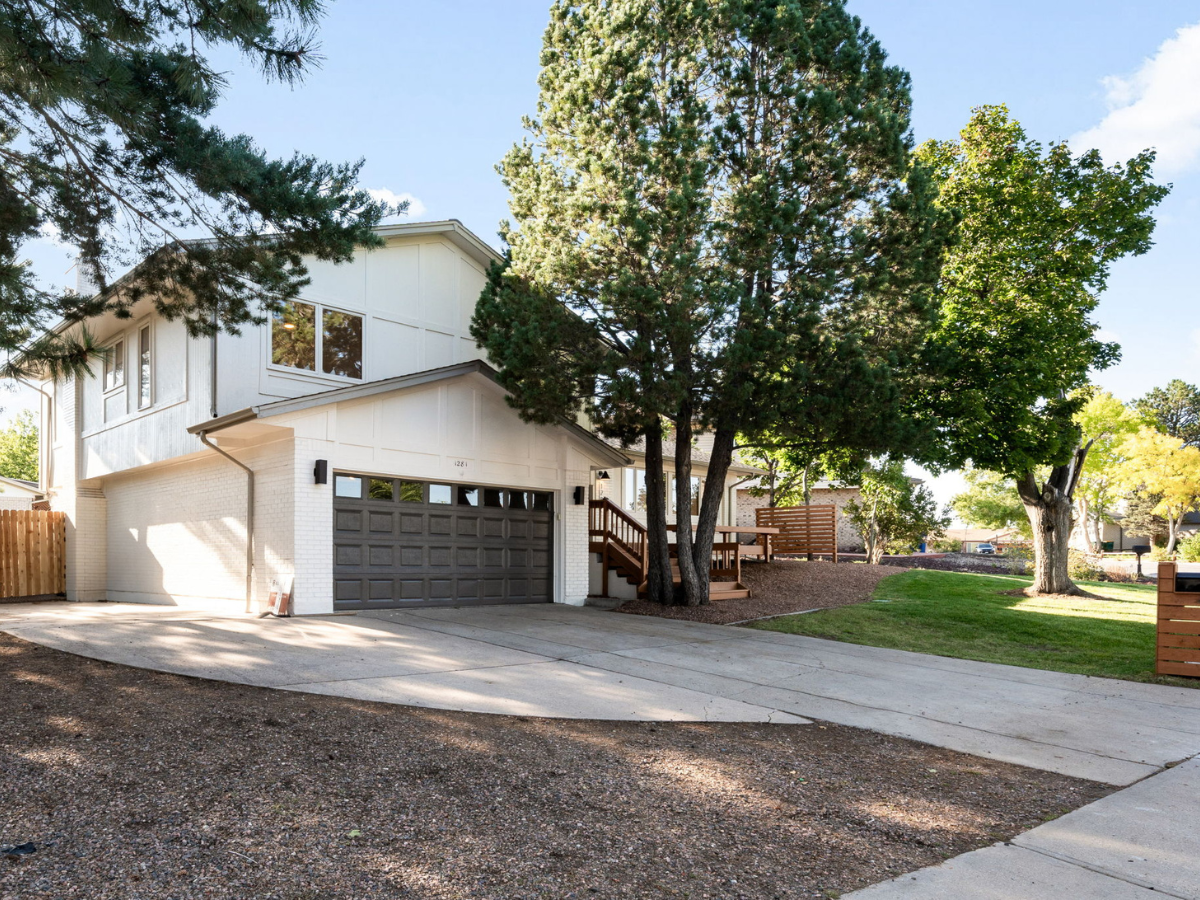
Detached Homes: Stability Despite Higher Inventory
Detached single-family homes continued to outperform the broader market in 2025.
At the end of December, 4,910 detached homes were actively listed, compared to 2,697 attached homes. Detached properties accounted for the majority of closed sales, with 2,408 detached homes closing in December, versus 693 attached homes.
Pricing and Appreciation
Detached home prices have remained relatively resilient. The average close price for detached homes in December was approximately $748,898, while the median close price landed near $625,000. On a year-over-year basis, detached home prices increased modestly, reflecting a market that has largely found price equilibrium.
This stability is notable given that days on market increased throughout 2025. Detached homes posted a median of 44 days on the MLS, up from 38 days one year earlier. Despite longer timelines, pricing has held because buyer demand remains consistent for well-located, properly priced single-family homes.
Buyer Behavior
Buyers continue to prioritize space, privacy, and long-term flexibility. Even in higher interest rate environments, detached homes remain attractive, especially for households planning to stay put longer and absorb financing costs over time.
The close-price-to-list-price ratio for detached homes sat at roughly 98.37 percent, signaling that while bidding wars are rare, sellers who price accurately are still achieving strong outcomes.
Attached Homes: Increased Pressure and Buyer Leverage
Attached homes are experiencing far more market friction.
Active listings for attached homes totaled 2,697 at month’s end, but buyer demand has not kept pace. Only 693 attached homes closed in December, reflecting a slower absorption rate and rising months of inventory.
Pricing Trends
The average close price for attached homes in December was approximately $434,863, with a median close price around $385,000. Unlike detached homes, attached properties saw more pronounced year-over-year softening, particularly at higher price points.
In 2025, attached home prices declined by nearly 3 percent year-over-year, while detached prices edged slightly higher. This divergence reflects affordability pressures and shifting buyer priorities rather than a collapse in demand.
Days on Market and Negotiation
Attached homes spent a median of 74 days on the MLS, compared to 44 days for detached homes. That 30-day difference is one of the clearest indicators of buyer leverage in this segment.
The close-price-to-list-price ratio for attached homes fell to approximately 97.97 percent, reinforcing that price reductions and concessions are increasingly common. HOA fees, insurance costs, and monthly carrying expenses are playing a larger role in buyer decision-making.
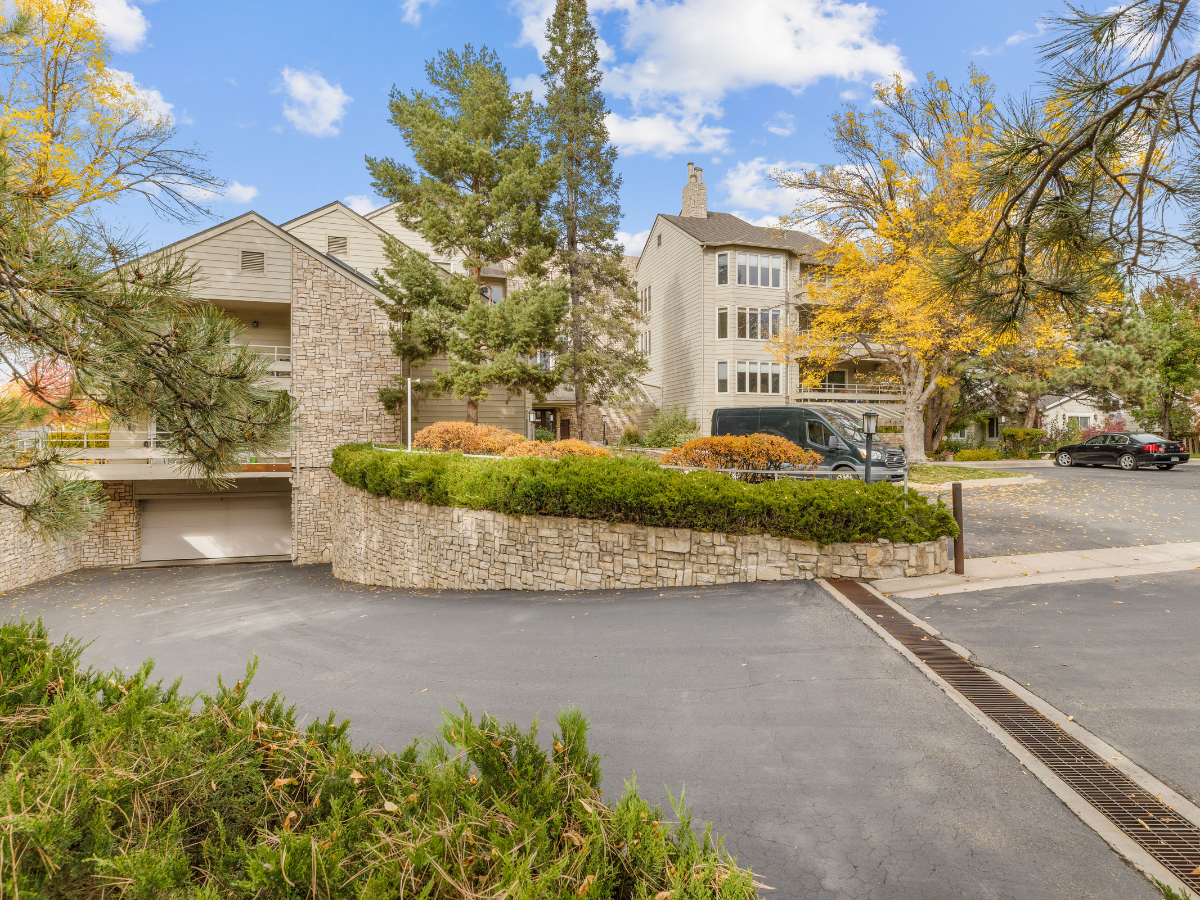
Inventory and Months of Supply
Months of inventory is one of the most telling metrics when comparing property types.
Detached homes are currently sitting near 3.7 months of inventory, which is still within a relatively balanced range. Attached homes, by contrast, are closer to 5 months of inventory, edging into buyer-market territory.
This gap explains why attached homes require more aggressive pricing and marketing strategies, while detached sellers still have some leverage if they enter the market thoughtfully.
What This Means for Sellers in 2026
For detached home sellers, the opportunity remains strong, but expectations must align with today’s reality. Overpricing leads to stagnation, while competitive pricing and strong presentation continue to produce results.
For attached home sellers, strategy is paramount. Homes that stand out through pricing, concessions, or clear value propositions will capture buyer attention. Sellers who resist the data may experience extended timelines and multiple price reductions.
Preparation matters more than timing. Presentation, pricing, and flexibility are now central to success.
What This Means for Buyers
Buyers have more options than they have seen in years, especially in the attached market. Negotiating seller-paid concessions, rate buydowns, and favorable contract terms is increasingly realistic.
Detached buyers should still be prepared to act decisively on well-priced homes, particularly in desirable neighborhoods. Attached buyers, however, have more room to negotiate and more time to make informed decisions.
Looking Ahead to 2026
The data suggests that 2026 will likely resemble 2025 rather than a return to rapid appreciation. Detached homes are projected to see modest price gains between 0.5 and 2 percent, while attached homes may experience additional softening of 2.5 to 3.5 percent if inventory remains elevated.
In this environment, success comes from understanding how your specific property type fits into the market and executing accordingly.
If you are considering buying or selling in Denver, Wheat Ridge, or Applewood in 2026, working with an advisor who understands these nuances can make a meaningful difference. Data-driven strategy, not guesswork, is what wins in today’s Denver real estate market.
Check out this article next