
Applewood April Market Update: Higher Prices, Steady Pace, and a More Selective Buyer Pool
Applewood’s April market data tells a different story than the broader Wheat Ridge numbers. Based on the uploaded Applewood single-family rolling 12-month data, April showed stronger pricing, slightly higher closed activity, steady days on market, and a buyer pool that remains active but selective.
The biggest headline is price. Applewood’s rolling 12-month median closed price reached $829,000 in April 2026, up from $820,000 in March and up from $785,000 in April 2025. That is a 1.1% increase month-over-month and a 5.61% increase year-over-year.
At the same time, closed listings also moved higher from March to April. Applewood recorded 378 closed listings on a rolling 12-month basis in April, compared to 374 in March. However, compared to April 2025, when the market recorded 400 closed listings, volume is still down 5.5% year-over-year.
This creates an important distinction. Applewood prices are rising, but sales volume has not fully recovered to last year’s level. That points to a market where demand remains strong for the right homes, but buyers are not necessarily moving on everything. The homes that are well-positioned are still commanding strong prices. The homes that miss on price, condition, or presentation may need more patience.
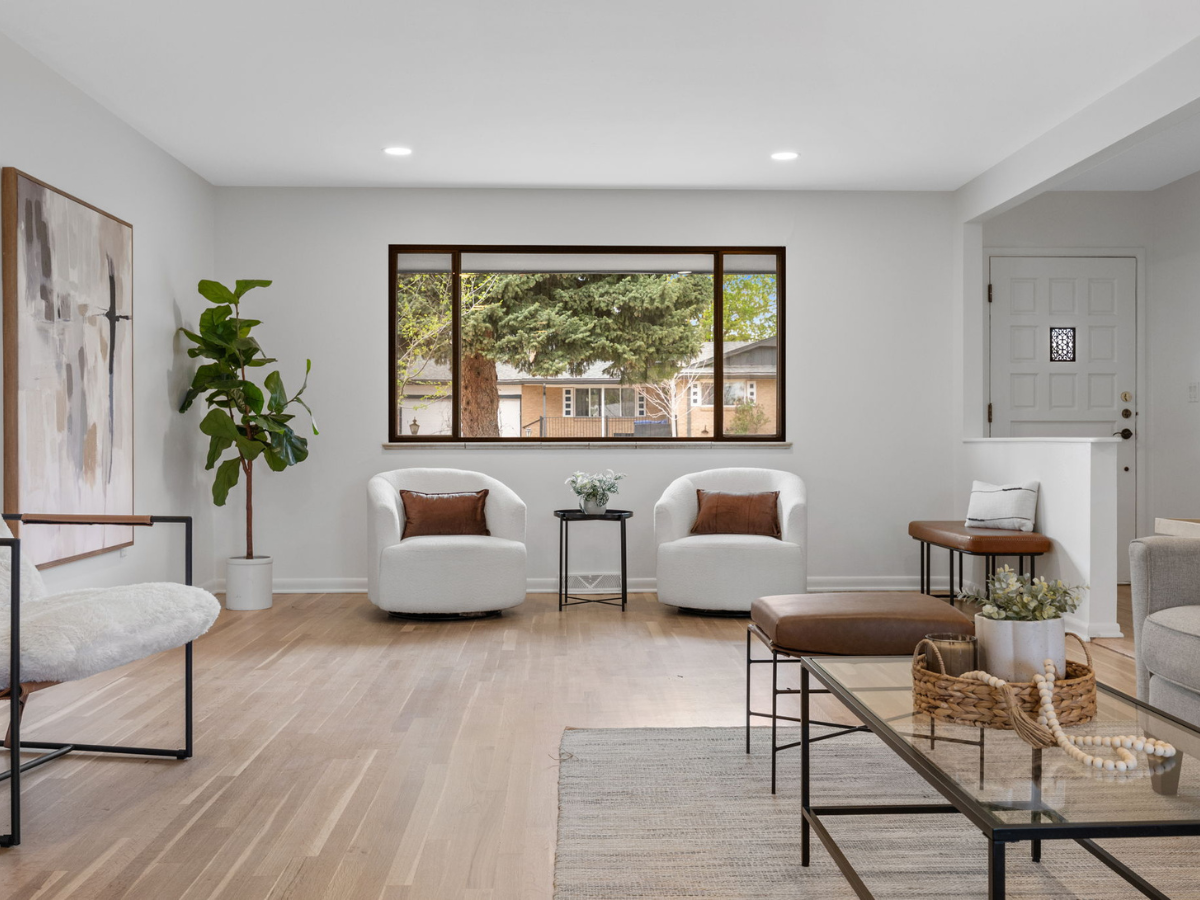
Applewood Home Prices Continued to Climb in April
The April median closed price for Applewood single-family homes was $829,000, the highest number in the uploaded data set. That is a meaningful signal.
In March 2026, the median closed price was $820,000. In April 2025, it was $785,000. So even though buyer demand has become more selective, the price trend in Applewood remains strong.
This is likely connected to Applewood’s lifestyle appeal. Buyers are still drawn to the neighborhood for its larger lots, mature trees, foothills access, proximity to Golden and downtown Denver, and the overall residential feel that is harder to replicate in many parts of the metro area.
As an Applewood resident, Jason Sirois tracks these shifts closely because the neighborhood does not always behave like the broader Denver or Wheat Ridge market. Applewood has a limited supply of homes, a strong owner-occupant base, and a buyer pool that often includes people specifically looking for west-side access, space, and a more established neighborhood feel.
The pricing data suggests that when buyers find the right Applewood home, they are still willing to pay for it.
Closed Listings Improved Month Over Month, But Remain Below Last Year
Applewood closed listings rose from 374 in March to 378 in April. That is a modest 1.07% month-over-month increase.
Compared to April 2025, however, closed listings are down from 400 to 378. That is a 5.5% year-over-year decline.
This is one of the more important April takeaways. Applewood is not seeing a lack of demand, but transaction volume is still below last year’s level. This can happen in a market where sellers are hesitant to list, buyers are payment-sensitive, or both sides are being more selective.
For sellers, lower transaction volume does not automatically mean a weak market. In Applewood’s case, the price data suggests the opposite. Fewer homes are closing compared to last year, but the homes that do close are reaching higher median prices.
For buyers, this means inventory may still feel tight, especially for updated homes in desirable pockets of Applewood. A buyer waiting for a perfect home may not see a large number of options at once. When a strong home comes online, it may still attract attention quickly.
Days in MLS Held Steady at 9 Days
Median days in the MLS stayed flat at 9 days in April. That is unchanged from March 2026 and slightly higher than April 2025, when the median was 8 days.
This is still a fast market. A 9-day median tells us that well-positioned homes are not sitting for long. However, the slight year-over-year increase from 8 to 9 days also supports the idea that buyers are taking a little more time than they did last year.
That one-day change may not sound significant, but in a market like Applewood, it matters. It suggests that buyers are active, but not frantic. They are still moving quickly when a home makes sense, but they are also comparing condition, price, interest rates, monthly payment, and long-term value.
For sellers, the first week still matters. Pricing, staging, photography, listing copy, and launch strategy all need to be dialed in before the home goes live. In a market where the median home is moving in just over a week, your best chance to create momentum is still early.
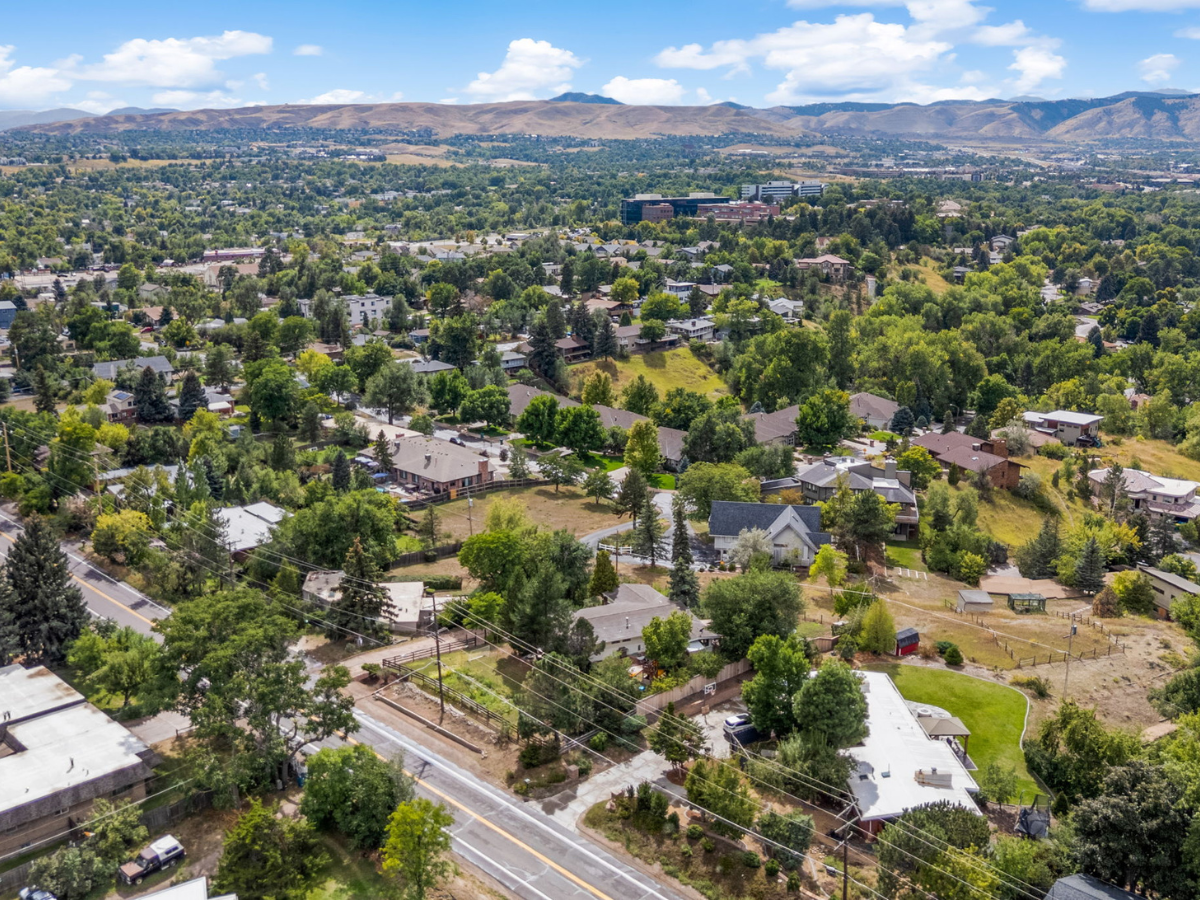
Showings to Pending Increased, Which Points to More Buyer Selectivity
Median showings to pending increased from 12 in March to 13 in April. It was also 13 in April 2025, so year-over-year this metric is unchanged.
The month-over-month increase is worth noting. Applewood homes needed slightly more showings to reach pending status in April than they did in March. This does not indicate weak demand. It indicates a more measured buyer pool.
In simple terms, buyers are looking, but they are not saying yes to every home.
This is one of the most important interpretations of the April data. Applewood pricing is up, days on market are steady, and showings to pending are only slightly higher. That combination suggests serious buyers are still in the market, but they are being selective about where they place offers.
A buyer may tour a home and love the neighborhood, but still hesitate if the home needs major updates, has a difficult layout, backs to a busy road, or is priced too aggressively. On the other hand, a home with strong preparation, clean presentation, and realistic pricing can still move efficiently.
Close-to-List Price Slipped Slightly
The average percent of closed price to list price was 99.0% in April. That is down from 99.1% in March and down from 99.3% in April 2025.
This is not a major decline, but it does tell us that negotiation has crept back into the conversation. Sellers are still closing very close to list price on average, but the market is not giving sellers unlimited leverage.
A 99.0% close-to-list ratio means the average Applewood seller is still achieving a strong result. But it also means pricing correctly from the beginning is critical. If a home is overpriced, buyers may wait, negotiate, or move on.
For buyers, this suggests that there may be room to negotiate in certain situations. Not every home will offer leverage, especially if it is updated, well-located, and priced appropriately. But if a listing has been sitting longer than the local median or has condition concerns, buyers may have an opportunity to ask for better terms.
What This Means for Applewood Sellers
For Applewood sellers, April’s data is encouraging. Prices are up both month-over-month and year-over-year, and homes are still moving quickly with a 9-day median in the MLS.
However, the lower close-to-list percentage and the increase in showings to pending show that strategy still matters. Buyers are not simply paying any price for any home. They are rewarding homes that feel aligned with the market.
If you are thinking about selling in Applewood, the best approach is not just to list and hope. The strongest outcomes will likely come from pricing with precision, preparing the home thoughtfully, and marketing the lifestyle of the neighborhood clearly.
Applewood buyers often care about more than square footage. They care about yard space, updates, natural light, proximity to Crown Hill, Applewood Golf Course, local trails, commuting routes, and access to both Denver and the foothills. The marketing should connect those dots.
What This Means for Applewood Buyers
For buyers, April’s Applewood data shows a market that still requires readiness. Median days in the MLS are only 9, so strong homes may not last long.
At the same time, this is not a market where buyers need to throw strategy out the window. The average close-to-list ratio dipped to 99.0%, and showings to pending moved up to 13. That means some listings may offer room for negotiation, particularly if they are not perfectly positioned.
The key is knowing when to move quickly and when to be patient. A well-priced, updated Applewood home in a strong location may require a decisive offer. A home with more days on market, needed improvements, or an ambitious list price may give buyers more room to structure a thoughtful deal.
My Read on the April Applewood Market
The April data points to a resilient Applewood market with a clear split between pricing strength and buyer selectivity.
Median price reached $829,000, which is a strong sign for homeowners. Closed listings improved from March, showing that market activity is building into spring. But volume remains below last year, and sellers are receiving slightly less of their list price on average than they were a year ago.
My interpretation is that Applewood remains a highly desirable market, but buyers are doing more homework. They will compete for the right home, but they are also more willing to pause when the value is not clear.
For anyone considering a sale in Applewood, or thinking about moving into the neighborhood, this is exactly why local data matters. Jason Sirois is an Applewood resident, Denver Realtor, and local market resource with FORM at Compass Denver. If you are trying to understand what your home may be worth, how Applewood compares to Wheat Ridge or Denver, or whether now is the right time to make a move, our team would be happy to help review the current housing market data with you.
FAQ: Applewood April Market Update
What was the median closed price in Applewood in April 2026?
Applewood’s rolling 12-month median closed price was $829,000 in April 2026. That was up from $820,000 in March and up from $785,000 in April 2025.
Are Applewood home prices up or down?
Based on the uploaded Applewood data, prices are up. The median closed price increased 1.1% month-over-month and 5.61% year-over-year.
Are homes still selling quickly in Applewood?
Yes. Median days in the MLS held steady at 9 days in April, which indicates that well-positioned homes are still moving quickly.
Is buyer demand still strong in Applewood?
Buyer demand appears steady, but selective. Median showings to pending increased from 12 in March to 13 in April, which suggests buyers are still active but taking a slightly more measured approach.
Are Applewood sellers still getting close to list price?
Yes. The average percent of closed price to list price was 99.0% in April. That means sellers are still closing close to asking price on average, though slightly below March and last year.
What is the biggest takeaway from the April Applewood market data?
The biggest takeaway is that Applewood prices are rising, but buyers remain selective. Homes are still moving quickly, but sellers need accurate pricing and strong presentation to capture the best results.
Check out this article next