


The Denver housing market continues to resist simple headlines.
For detached homes, August was relatively stable on pricing even as the pace of the market slowed. Inventory is actually lower than it was a year ago, buyers are taking more time to make decisions, and homes are spending longer on the market than they did earlier this summer.
At the same time, Denver’s attached market is experiencing noticeably different conditions, with more inventory, softer pricing, and longer market times.
That growing divide is one of the most important takeaways from the latest Denver Metro Association of Realtors Market Trends Report.
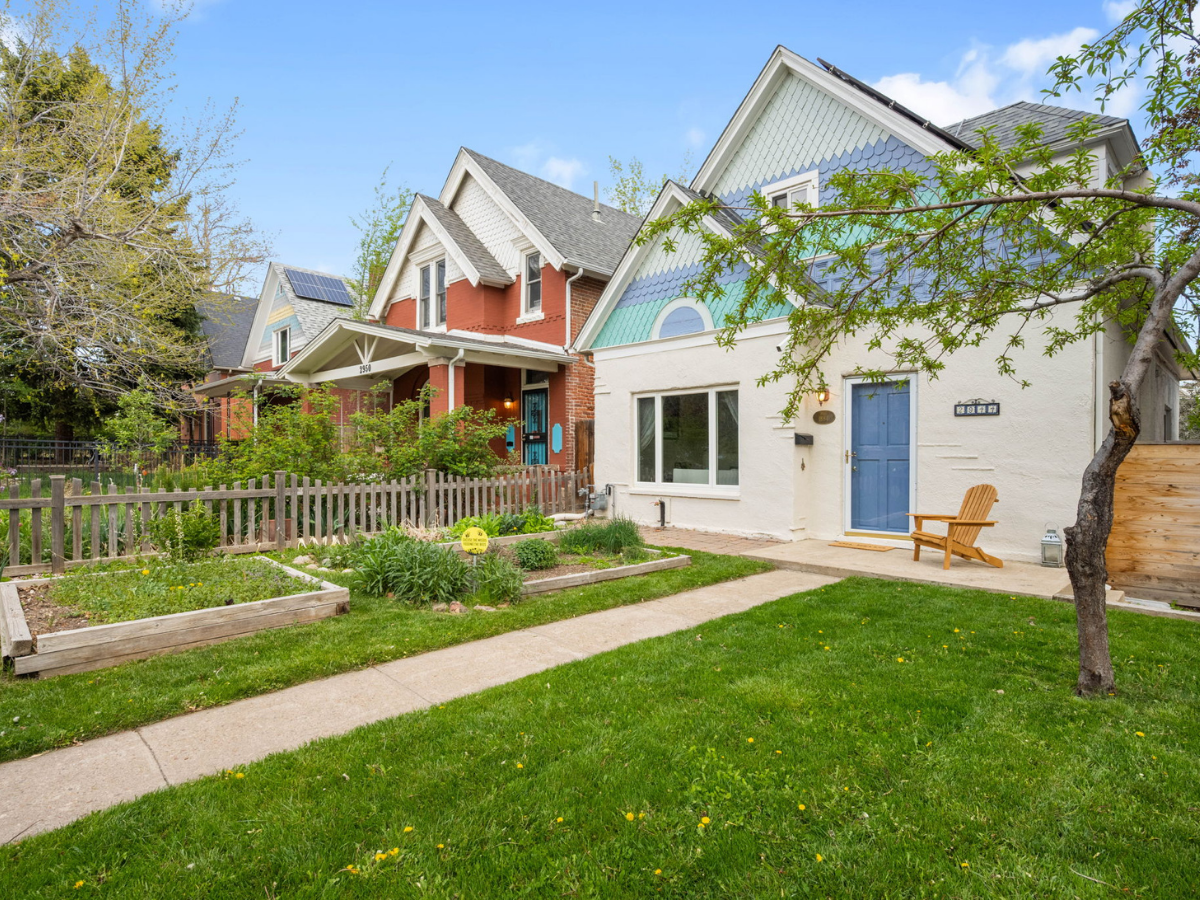
Detached Home Prices Remain Relatively Stable
The median closed price for a detached home in the Denver Metro was $649,500 in August, essentially unchanged from a year ago.
That price stability comes despite a slower pace of sales. Detached closed transactions declined from both July and August of last year, while the median time on market increased from 17 days in July to 24 days in August.
The takeaway is not that detached home values are suddenly falling. Instead, buyers have more time to evaluate their options, and sellers generally need to be more patient than they did in the fastest years of the market.
Detached Inventory Is Actually Lower Than Last Year
Another important part of the story is supply.
Active detached inventory was 4.21% lower than August 2025, even though buyers may feel like they have considerably more choice than they did a few years ago.
That combination helps explain why the market can feel slower without translating into broad price declines. Buyers are taking their time, but there has not been a dramatic year-over-year increase in the number of detached homes available for sale.
It also reinforces why individual listings can perform so differently. A well-positioned home with limited direct competition may still attract considerable attention, while another property at the same price point can sit if buyers perceive better value elsewhere.

Buyers Are Being Selective, Not Absent
August closed sales were slower, but that does not mean buyers have disappeared.
DMAR reported that appropriately priced homes were seeing increased showing activity and more offers. Pending activity also improved from July, suggesting there were still buyers willing to act when the property and price made sense.
That matches what we continue to see in the market: buyers are patient.
They have more information, more time to compare properties, and generally less urgency to compromise simply because a home is available. But when a detached home is well presented, appropriately priced, and stands out against its competition, buyers can still move quickly.
Condos and Townhomes Are a Different Market
Attached homes need to be viewed separately right now.
While detached inventory declined year over year, attached inventory increased 9.94%. Attached median pricing also fell nearly 4.87% from last year, and attached homes spent a median of 45 days on the market, compared with 24 days for detached homes.
That difference can materially change the experience for both buyers and sellers.
A condo owner may be competing against substantially more inventory and waiting longer for the right buyer than someone selling a detached home nearby. Buyers considering condos or townhomes may therefore find greater negotiating leverage, particularly when several comparable units are competing for attention.
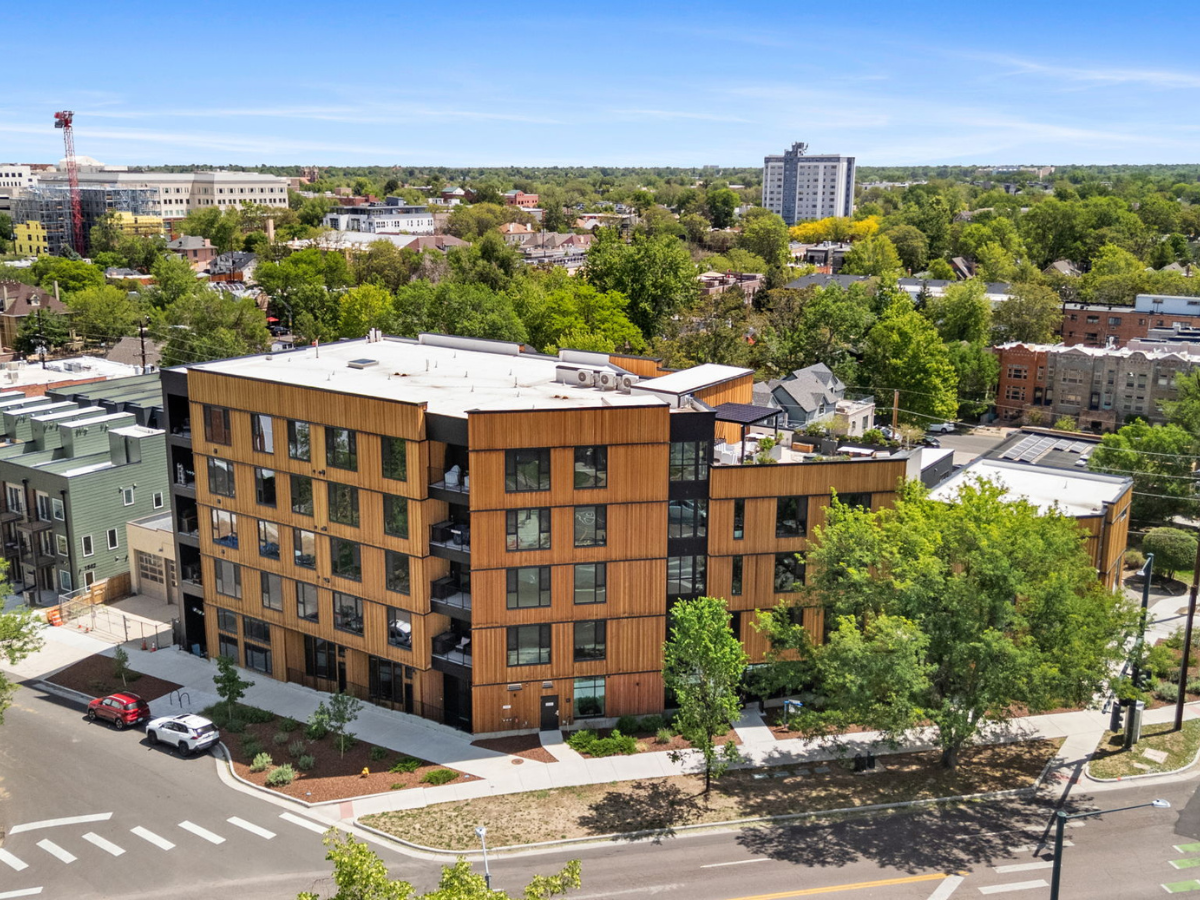
Some Price Points Offer Even More Buyer Leverage
The difference becomes even clearer when you look within individual price ranges.
For attached properties between $750,000 and $999,999, August brought 10 months of inventory, the highest supply of any price category tracked by DMAR. Attached closings in this segment declined 37.93% from both July and the previous August, while median days in MLS reached 51.
That is a very different market from a desirable detached home with limited competition.
It's also why we don't think a single Denver-wide median price tells homeowners or buyers enough about the market they're actually navigating.
What This Means for Denver Sellers
For detached-home sellers, stable pricing and lower year-over-year inventory are encouraging, but that does not mean every home will sell quickly.
Buyers are discerning, and the market is rewarding homes that are prepared and positioned correctly from the beginning.
Pricing, condition, presentation, photography, marketing, and understanding the competing inventory all matter. A slower first week also does not automatically mean something is wrong. Homes are simply taking longer to sell than they did during the most competitive periods.
The goal is not necessarily to create urgency where none exists. It's to make sure that when the right buyer appears, your home clearly stands out as one of their best options.
What This Means for Denver Buyers
For buyers, the current market offers more breathing room.
There is generally more time to evaluate a property, compare alternatives, conduct due diligence, and negotiate than there was during the most competitive years.
That leverage becomes even stronger in certain attached and higher-inventory segments.
But patience shouldn't automatically mean waiting on every property. DMAR continues to see increased activity around appropriately priced homes, which means the strongest detached listings can still generate competition.
The advantage today is having enough time to be selective while also knowing when you've found a property where the value makes sense.

What This Means in Applewood and Wheat Ridge
DMAR's report covers the broader 11-county Denver Metro, so these figures should not be treated as neighborhood-specific statistics for Applewood, Wheat Ridge, or any other individual community.
But the report does reinforce something we see constantly on the west side: the market is increasingly hyper-local.
Two detached homes with similar square footage and price points can perform very differently depending on the street, lot, updates, layout, architectural character, school considerations, and competing inventory available at that particular moment.
That's why broad Denver statistics are best used as context rather than as a pricing strategy.
The Bottom Line
For detached homes, Denver's August market was more stable than a broad slowdown headline might suggest. Prices remained relatively steady and year-over-year inventory was lower, even as homes took longer to sell and buyers became more selective.
Attached homes are facing a different environment, with rising inventory, softer pricing, and longer market times.
That's why we're increasingly hesitant to describe Denver as simply a “buyer's market” or “seller's market.”
The better question is: What's happening in the market for your specific type of home, price point, and neighborhood?
If you're thinking about buying or selling in Denver, Applewood, Wheat Ridge, or elsewhere in the Denver metro, we're always happy to dig into the numbers with you and help make sense of what they mean for your move.
Check out this article next