
San Francisco transplants cluster in Denver’s walkable pre-war neighborhoods: Sloan’s Lake, the Highlands, Berkeley and Tennyson Street, Washington Park and Platt Park. They trade density and transit for space, light and a yard, at roughly half San Francisco’s housing cost.
People moving from San Francisco to Denver almost never arrive with a blank map. They arrive with a list of things they liked about where they lived and a shorter, sharper list of things they were done paying for. The neighborhoods they end up choosing are remarkably predictable once you know which list is doing the work.
The instinct is to look for a Denver version of a San Francisco neighborhood, and there is some truth in that. But the better predictor is what someone is trading. A buyer leaving Noe Valley for more square footage lands somewhere different from a buyer leaving the Mission because they want to keep walking to dinner, and both land somewhere different from a family leaving the Sunset for a yard and a public school.
Jason Sirois is a Denver Realtor with FORM at Compass Denver who works with California relocation buyers regularly, and the conversation almost always starts the same way: what did you actually use every day in San Francisco, and what did you only think you used?
What San Francisco movers are usually optimizing for
The financial contrast is the backdrop, and it is large enough that it changes what people are willing to consider. Census figures for 2020 to 2024 put the median value of an owner-occupied home in the city of Denver at about $616,000, against roughly $1,394,500 in San Francisco County. Median gross rent runs near $1,831 against $2,476, and the homeownership rate is 48.8 percent in Denver against 38.2 percent in San Francisco. Median household income is higher in San Francisco, but not by nearly enough to close the housing gap.
What that means in practice is that a San Francisco household arrives with buying power that maps to an entirely different tier of home. The question stops being whether they can own and becomes what kind of ownership they want. We compared the two markets in more depth in our post on whether Denver is significantly more affordable than the Bay Area.
The second thing they optimize for is walkability, and this is where expectations need calibrating. Denver has genuinely walkable pockets, but they are pockets. A neighborhood here is usually walkable to a commercial street of ten to thirty businesses, not to a full retail district. Buyers who understand that up front are much happier than buyers who assume the whole city works that way.
The neighborhoods that come up most often
Five areas account for most San Francisco relocation searches, and each attracts a distinct profile:
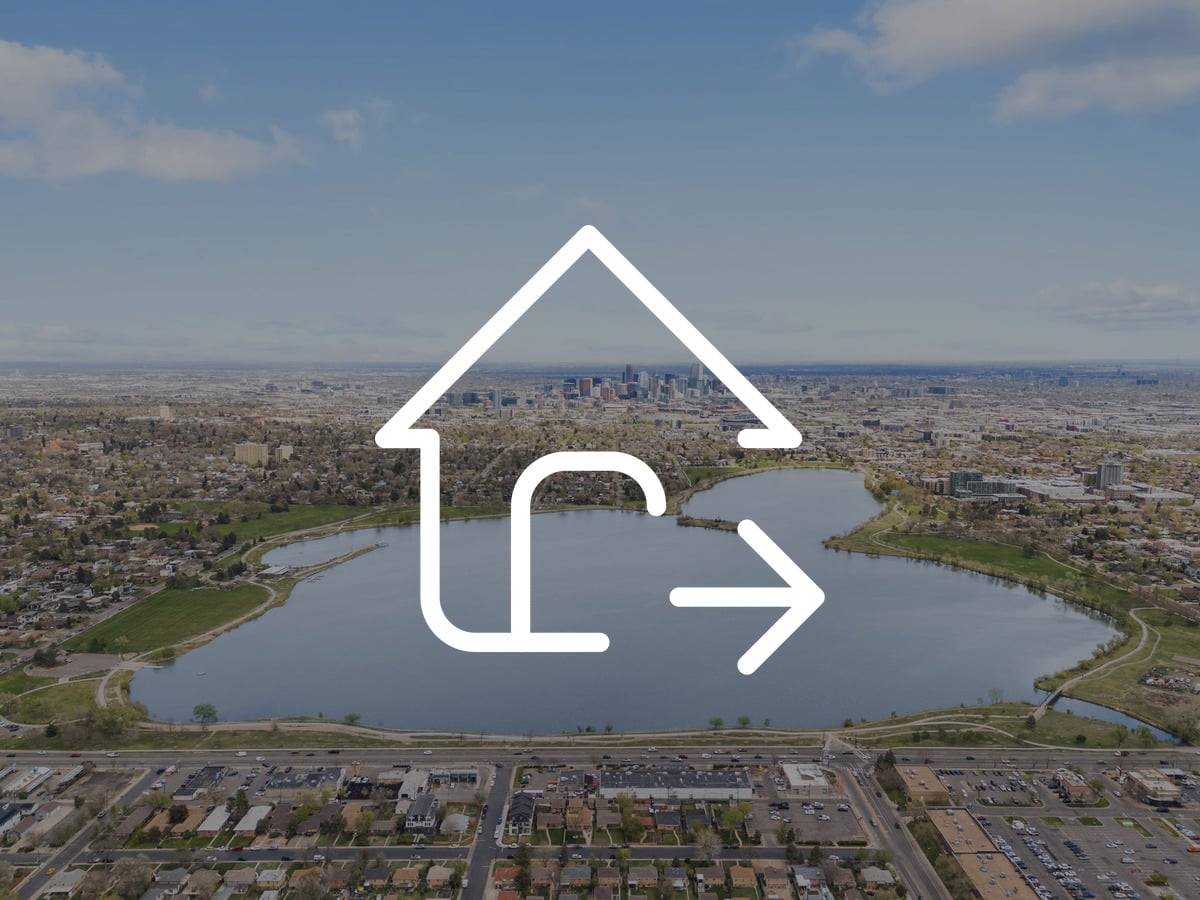
- Sloan’s Lake — the closest thing Denver has to a waterfront neighborhood, with a two-and-a-half-mile loop, mountain views west and downtown views east, and a mix of pre-war bungalows and new duplexes.
- The Highlands and West Highland — dense-by-Denver-standards blocks, three walkable commercial nodes, and the shortest reliable trip to downtown without living downtown.
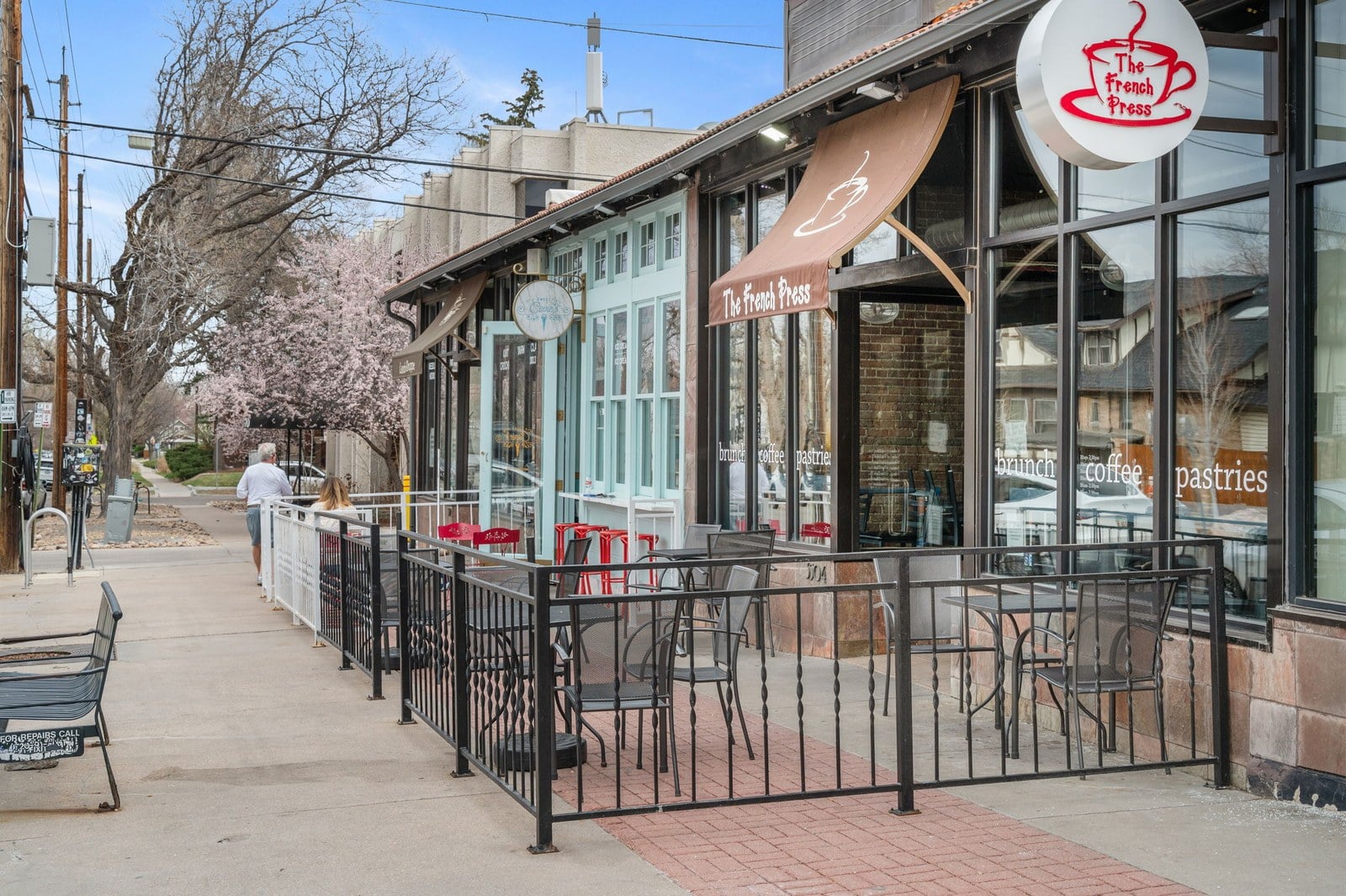
- Berkeley and Tennyson Street — a compact restaurant and shop corridor, bungalow stock, and the strongest small-business character on the north side.
- Washington Park and Platt Park — the classic answer for buyers who want a large park, older housing and a quieter feel, with Old South Pearl as the local main street.
- Congress Park and City Park West — museums, the botanic gardens and a genuinely mixed housing stock, popular with buyers who want to be east of downtown.
Our longer neighborhood-by-neighborhood breakdown for California buyers is in our guide to the best neighborhoods in Denver for San Francisco transplants.
Why the west side keeps winning
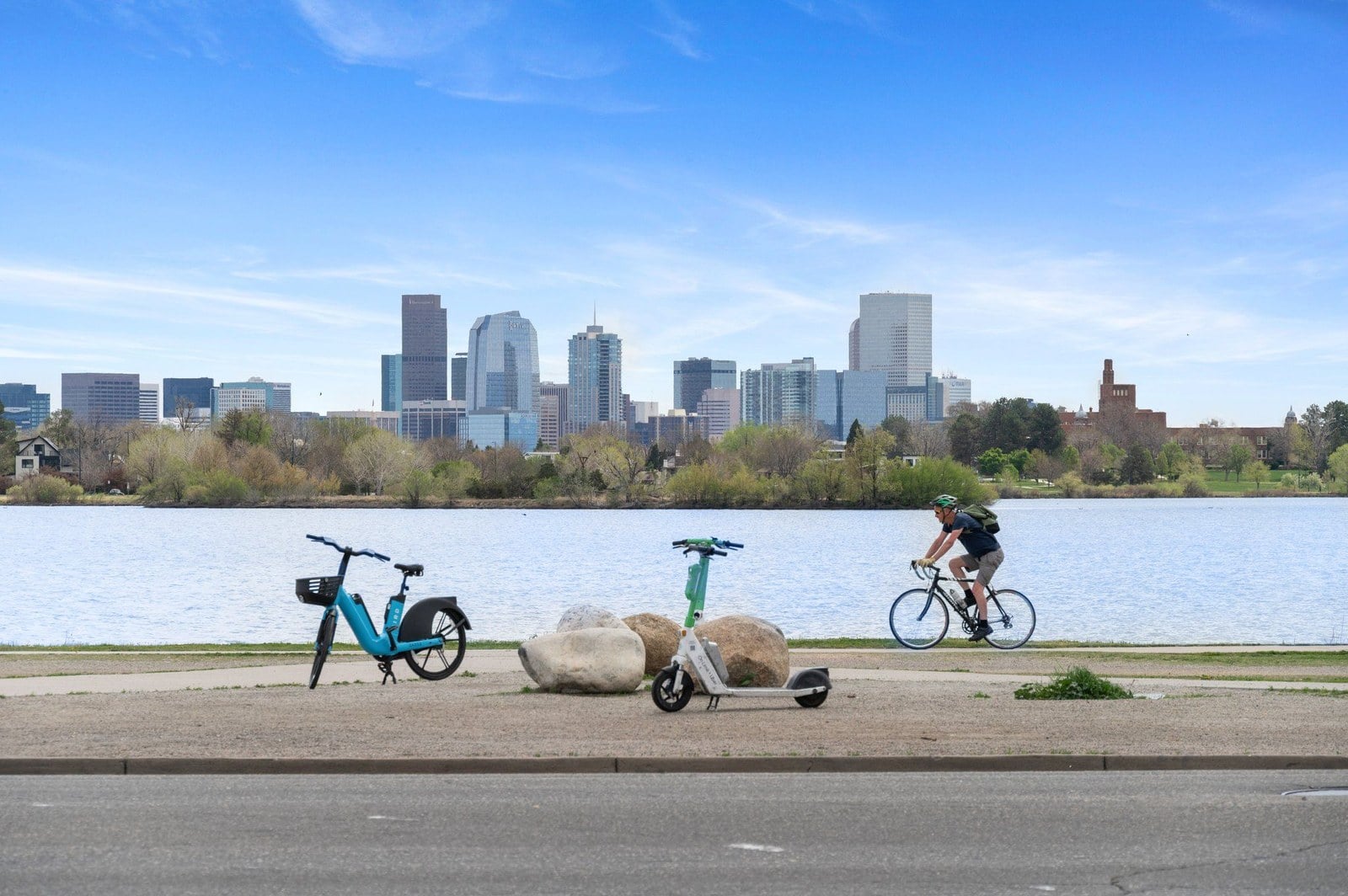
The single strongest pattern is a drift west. Buyers start their search downtown or in the central neighborhoods and end up somewhere between Sheridan Boulevard and the foothills.
The reason is geography. From Sloan’s Lake, Edgewater, Wheat Ridge and Applewood, the mountains are close enough that a Saturday in the foothills does not require an expedition, and the drive to I-70 westbound is short enough to make weekday evening trailheads realistic. For people who moved partly for outdoor access, that difference is decisive, and it is the closest analogue to the way San Franciscans use Marin.
The west side also delivers the trade that most San Francisco buyers actually want: older housing on real lots. Edgewater and Wheat Ridge offer bungalows and mid-century ranches with yards at prices that still feel unreal to someone coming from a San Francisco condo, and Applewood adds quarter-acre lots and a highly regarded school district a few minutes further out.
What surprises San Francisco buyers
Transit is the first adjustment. RTD runs light rail, commuter rail and an extensive bus network, and the A Line from Union Station to the airport is genuinely excellent, but frequency and coverage outside the core do not compare to BART plus Muni. Most relocating households that sold a car in San Francisco end up buying one here. It is worth checking specific routes on the RTD system map against the neighborhoods on your list before you commit.
Climate is the second. Denver is sunnier and far drier than San Francisco, with real seasons in both directions, and the altitude takes most people a few weeks. The compensation is that outdoor life is a year-round default rather than a summer activity.
Housing stock is the third. Denver’s pre-war homes are mostly bungalows and four-squares rather than Victorians and Edwardians, basements are standard and usable, and central air is not universal in older homes. Buyers who fall in love with a 1920s bungalow should budget for cooling, electrical and sewer work in the same way they would have budgeted for foundation work in San Francisco.
Matching the neighborhood to the move
If you are leaving for space and staying remote, the west side gives the most house and the best mountain access, and Wheat Ridge and Applewood consistently outperform expectations for buyers who thought they wanted to be central.
If you are leaving but want to keep walking to dinner, stay in the Highlands, Berkeley or Platt Park and accept a smaller house on a smaller lot. These are the neighborhoods where people who miss San Francisco miss it least.
If you are moving with school-age children, the decision usually resolves to district and commute rather than to neighborhood character, and the search widens to include Wheat Ridge, Applewood, Lakewood and parts of southeast Denver.
If you are not sure which of those you are, that is a normal place to start. It is also the strongest argument for renting for a few months before buying, which is a common and sensible first step for out-of-state buyers.
Frequently Asked Questions
Which Denver neighborhood feels most like San Francisco?
The Highlands and West Highland come closest on density, walkability and the age of the housing. Sloan’s Lake is the closer match on outlook and outdoor life. Neither replicates San Francisco, and buyers who go in looking for a copy are usually disappointed; buyers who go in looking for the parts they used are usually happy.
How much house does a San Francisco budget buy in Denver?
Substantially more, and the difference is closer to a factor than a discount. Census figures for 2020 to 2024 put the typical San Francisco owner-occupied home at more than twice the Denver figure, so a condo budget frequently becomes a single-family budget.
Can I live in Denver without a car?
It is possible in the downtown core, the Golden Triangle and parts of Capitol Hill and the Highlands, and difficult almost everywhere else. Most relocating households keep one car and use it less than they expected rather than going car-free.
Are Denver’s older homes comparable in quality to San Francisco’s?
They are built for a different climate. Denver’s pre-war stock is generally brick, on a full basement, with lower ceilings than a San Francisco Victorian and simpler detailing. The systems questions are also different: sewer lines, knob-and-tube wiring and the absence of central air matter more here than seismic retrofitting.
How long should I rent before buying?
Three to six months is enough for most people to learn which side of town they actually want, particularly if the move includes a new job or a first Colorado winter. Renting also removes the pressure to buy sight-unseen during a relocation.
Is Denver still attracting California buyers?
Yes, and California remains one of the largest sources of out-of-state buyers in the metro. The mix shifts with interest rates and remote-work policies, but the underlying driver, the difference in housing cost per dollar of income, has not changed.
This article is general information about the Denver housing market and is not tax, legal or financial advice. Census figures cited are American Community Survey five-year estimates for 2020 to 2024. Consult the appropriate professional about your own situation.