
Berkeley is one of the neighborhoods people ask about most on the northwest side of Denver, and for good reason. With Tennyson Street’s shops and restaurants, two lakes, walkable blocks of bungalows and newer builds, and quick access to downtown, it draws steady buyer interest. So when a Berkeley homeowner asks “how long will it take to sell?”, the honest answer starts with the wider market and then narrows to the block.
Across the Denver metro, homes are taking noticeably longer to sell than they did at the peak. The average time on market reached about 56 days in the first quarter of 2026, a world away from 2022 when some price ranges were moving in under a week. The market today is balanced-to-buyer-leaning, with around three months of supply — meaning pricing and presentation matter more than they have in years.
Here is how Jason Sirois, a Denver Realtor with FORM at Compass Denver, reads days-on-market for a specific, in-demand neighborhood like Berkeley.
Berkeley tends to move faster than the metro average — when priced right
Sought-after, walkable neighborhoods with limited inventory generally sell faster than the metro as a whole, and Berkeley fits that description. Proximity to Tennyson Street, the lakes at Berkeley and Rocky Mountain parks, and a housing stock that ranges from character bungalows to modern infill all keep demand consistent. That does not make it immune to the broader slowdown — it means a correctly priced, well-presented Berkeley home usually finds its buyer more quickly than a comparable home in a softer part of the metro. We are keeping the neighborhood-specific timing qualitative here rather than quoting a Berkeley-only day count, because a reliable figure requires a current MLS pull for the exact area and home type; if you would like that precise number for your block, we are glad to run it.
What actually drives time on market
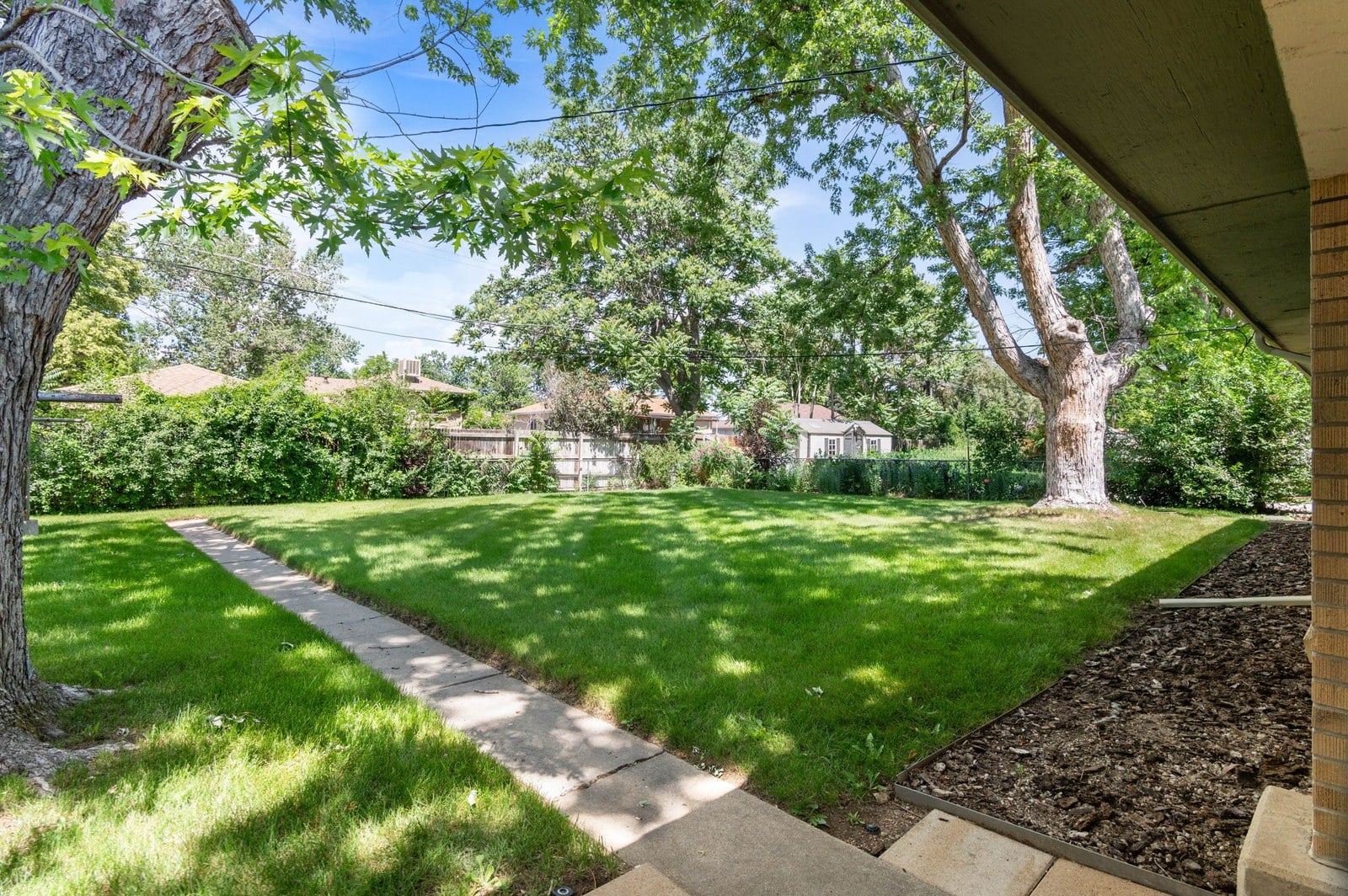
Two homes on the same Berkeley street can have very different timelines. The variables that matter most:
- Price: The single biggest lever. Homes priced to the current market draw offers; homes priced to last year’s market sit and then chase the market down.
- Condition and presentation: Clean, updated, well-photographed homes move faster. Deferred maintenance shows.
- Home type: Character bungalows, modern pop-tops, and new duplexes each attract different buyers on different timelines.
- Timing and competition: How many similar homes are listed nearby the week you go live.
What it means if you are selling in Berkeley
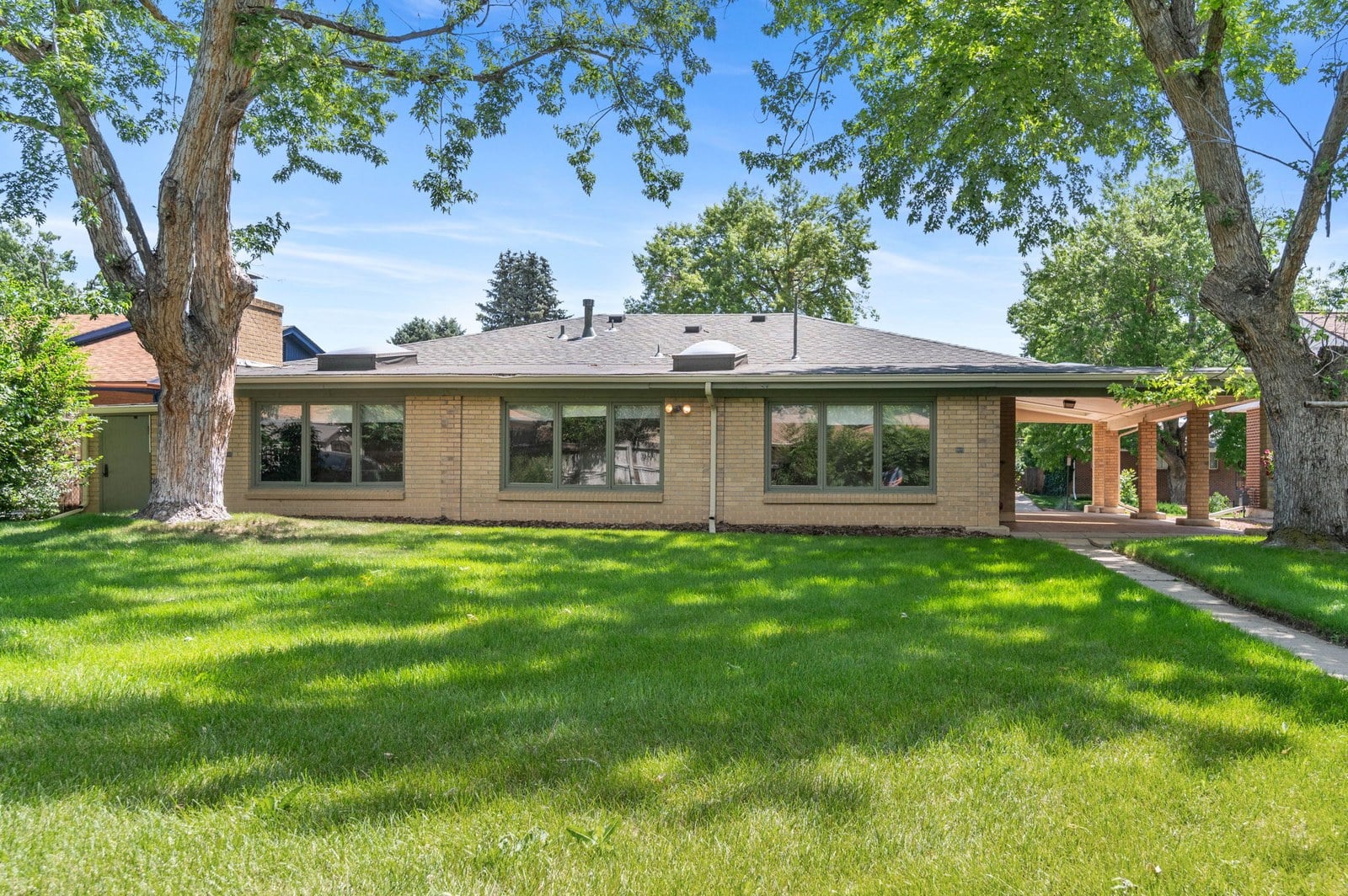
The takeaway is not that homes aren’t selling — well-priced Berkeley homes still are, and often faster than the metro average. It is that the days of listing high and letting a bidding war fix it are over. Getting the price right in the first two weeks, when a listing gets its most attention, is what keeps time on market short and the final number strong. If you want to understand where your home would land, our home sale calculator is a starting point, and a walkthrough with Jason can sharpen it with real comparable sales from your part of Berkeley.
Market conditions change month to month, and the figures here are general information rather than a guarantee for any specific home. For a timeline built around your address, a current neighborhood analysis is the right tool.
Frequently Asked Questions
How long are homes taking to sell in Berkeley, Denver?
Denver-metro homes averaged about 56 days on market in Q1 2026. Well-located, walkable neighborhoods like Berkeley generally sell faster than that average when homes are priced and presented well, though the exact figure for a given home type requires a current MLS pull for the area.
Why do some Berkeley homes sell faster than others?
Price is the biggest factor, followed by condition, presentation, and home type. A well-priced, move-in-ready home photographed well typically sells much faster than a comparable home priced above the market.
Is now a good time to sell in Berkeley?
Berkeley’s steady demand makes it one of the more resilient northwest Denver markets, but success depends on pricing to today’s balanced market rather than the peak. A current comparable-sales analysis for your block is the best way to decide.
How can I get a precise days-on-market number for my home?
Jason can run a current MLS analysis filtered to your specific part of Berkeley and your home type, which gives a far more accurate timeline than a metro-wide average. Learn how FORM approaches selling to start.
Curious what your Berkeley home would sell for and how quickly? Jason Sirois and FORM at Compass Denver can run the numbers for your exact block. Reach out anytime.