


Every year, plenty of Texans trade the flat, fast-growing sprawl of Dallas–Fort Worth for the mountains, four seasons, and outdoor lifestyle of Denver. If you’re weighing that move, the two cities actually have a lot in common — strong job markets, steady new construction, and easygoing people — but the day-to-day realities of cost, climate, and how neighborhoods are laid out feel different once you’re here.
The good news: a Dallas budget often stretches into some genuinely great Denver neighborhoods, especially on the west side of the metro. The trade-offs are worth understanding up front. Colorado has a state income tax where Texas doesn’t, winters bring real snow (alongside a lot of sunshine), and “the Mile High City” is more than a slogan when it comes to how your first week or two feels.
Jason Sirois, a Denver Realtor with FORM at Compass Denver and a longtime Applewood resident, works with relocating buyers every year and helps them line up their priorities — commute, schools, yard space, walkability — with the right part of town. Here’s what he tells people moving from Dallas to Denver before they start touring homes.
Cost of Living: Where Denver and Dallas Differ
Both metros have grown quickly, but Denver tends to run higher on housing cost per square foot, and lots are often smaller than what you’d find in a comparable DFW suburb. That doesn’t mean you lose ground — it means the math is different. Buyers relocating from Dallas frequently trade a larger lot for a shorter commute, walkable streets, or mountain access, and decide the swap is worth it. Because conditions shift month to month, it’s smart to look at current numbers before you set a budget; the Denver Metro Association of Realtors market trends reports are a reliable place to track pricing and inventory across the metro.
Taxes: The Trade-Off Texans Notice First
This is usually the first surprise for anyone moving from Texas. Texas has no state income tax; Colorado does — a flat rate that currently applies the same percentage to everyone, regardless of income level. On the other side of the ledger, Colorado’s effective property tax rate is among the lower ones in the country, which softens the picture for homeowners. You can review the state’s overall tax structure through the Tax Foundation’s Colorado summary. Everyone’s situation is different, so treat this as general information rather than tax advice, and check with a CPA on how a move would affect your specific return.
Climate, Altitude, and the Outdoors
Denver trades Dallas’s long, humid summers for a dry, sunny, high-desert climate with four distinct seasons. You’ll get real snow in winter, but it’s usually light, powdery, and quick to melt under a strong Colorado sun — and the region famously logs a lot of clear days. The bigger adjustment is elevation. Denver sits roughly a mile above sea level, so give yourself a few days to a couple of weeks to acclimate: drink more water than feels necessary, ease into workouts, and go easy on the first few happy hours. The payoff is the outdoors — the foothills and mountains are an easy drive west, and everyday life leans active.
Getting Around the Metro
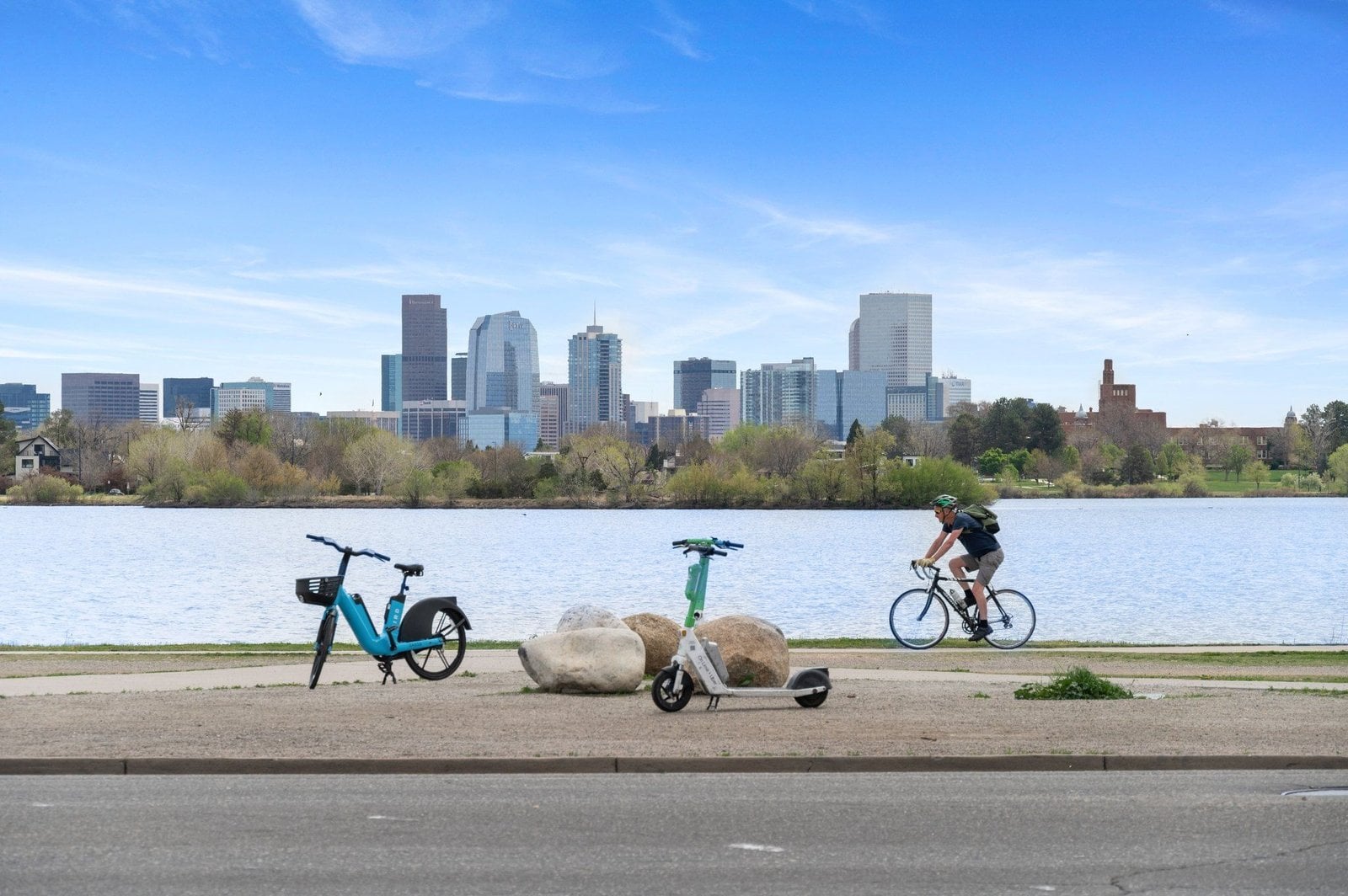
Like Dallas, Denver is car-friendly and spread out, so most transplants keep a vehicle. The difference is that several of Denver’s central neighborhoods are genuinely walkable and bikeable, with lakes, parks, and trails woven right into the street grid. RTD runs buses and light rail across the metro, including a train line that connects downtown straight to Denver International Airport, so depending on where you land, you may drive less than you did in DFW.

Neighborhoods Dallas Transplants Tend to Love
Where you’ll feel most at home depends on what you’re optimizing for — walkability, space, schools, or mountain access. A few areas come up again and again with relocating buyers:
- Sloan’s Lake — a big lake with skyline-and-mountain views, minutes from downtown, and walkable to restaurants and trails. A favorite for anyone who wants an urban feel with the outdoors at the doorstep.
- The Highlands (Berkeley, West Highland, LoHi) — historic bungalows, dense dining, and quick access to the city core.
- City Park & Congress Park — classic tree-lined blocks next to Denver’s largest park, the zoo, and the museum of nature and science.
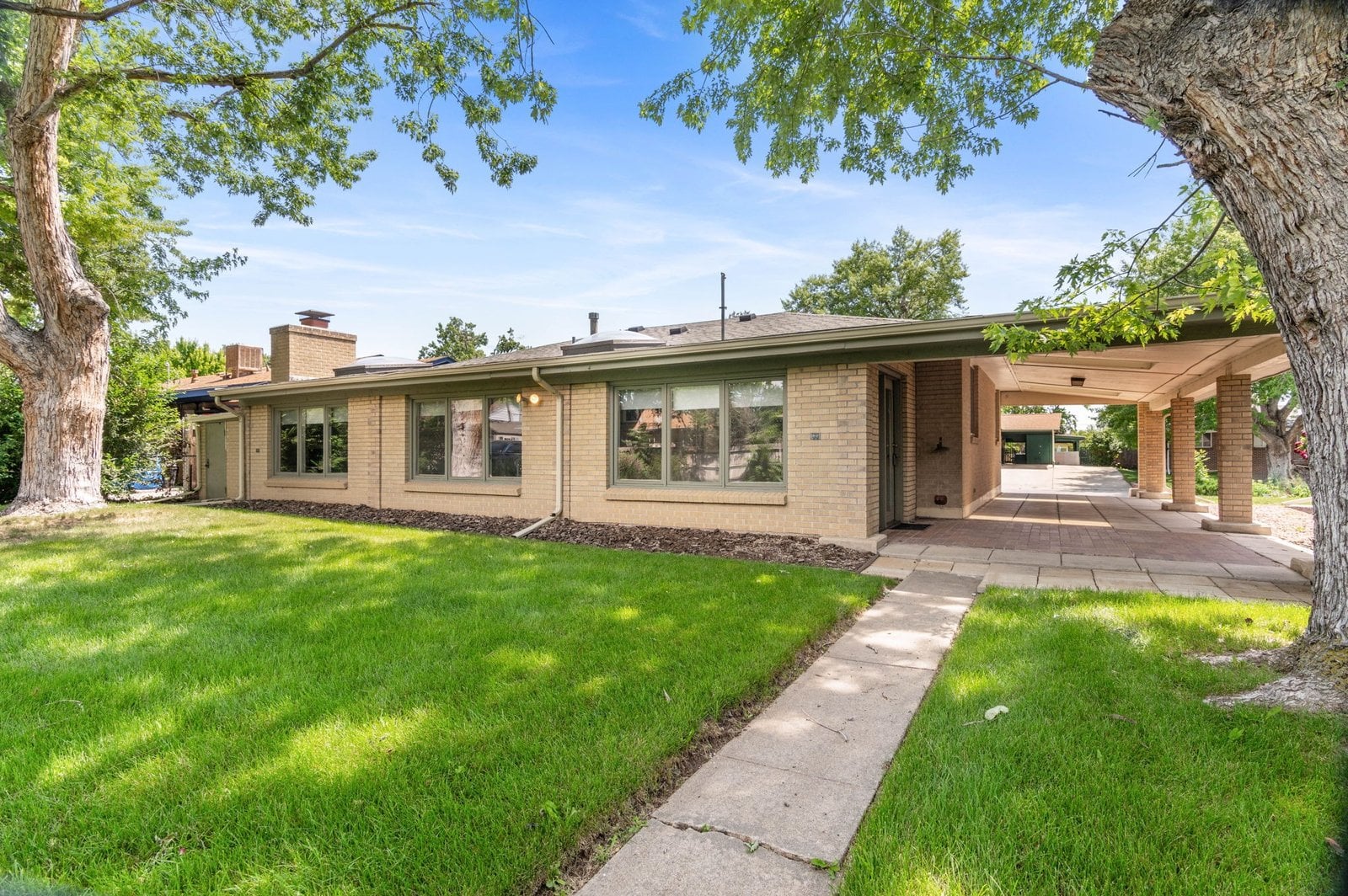
- West-side value: Applewood, Wheat Ridge, and Lakewood — bigger lots, quieter streets, and the fastest jump toward the foothills, which tends to appeal to families coming from roomier Dallas suburbs.
For a deeper look at how these areas stack up, our guide to the best Denver neighborhoods to live in breaks them down by lifestyle and budget. If you’re buying from out of state, the FORM Buyer’s Guide walks through the process step by step.
Before You Move: A Quick Checklist
- Get pre-approved with a lender licensed in Colorado.
- Decide car vs. transit based on your actual commute.
- Budget for a state income tax you didn’t pay in Texas.
- Pack layers — Denver weather can swing a lot in a single day.
- Give yourself one to two weeks to adjust to the altitude.
Frequently Asked Questions
Is Denver more expensive than Dallas?
In general, Denver runs higher on housing cost per square foot, and lots tend to be smaller. Overall cost of living depends on your neighborhood, commute, and lifestyle, so it’s best to compare current numbers for the specific areas you’re considering.
Does Colorado have a state income tax?
Yes. Unlike Texas, Colorado levies a flat state income tax that applies the same rate across income levels. Property taxes, on the other hand, are relatively low. This is general information, not tax advice — a CPA can tell you how the move affects your return.
How do Denver winters compare to Dallas?
Denver gets more snow, but it’s typically dry, light, and paired with plenty of sunshine, so it often melts within a day or two. Many transplants find the winters sunnier and more predictable than DFW’s occasional ice storms.
Do I need a car in Denver?
Most people keep one, since the metro is spread out. That said, several central neighborhoods are walkable and bikeable, and RTD light rail and buses — including a direct train to the airport — cover key corridors.
How long does it take to adjust to the altitude?
Usually a few days to a couple of weeks. Hydrate more than usual, ease into exercise, and listen to your body. If you have health concerns, check with a doctor — this is general information, not medical advice.
Thinking About a Move to Denver?
Relocating is a lot easier with someone local translating the market for you. Jason Sirois and the FORM Team at Compass Denver help buyers moving from Dallas and beyond weigh neighborhoods, budgets, and timing against what matters most to them. Start with our Perfect Home Finder to tell us what you’re looking for, and we’ll help you find the right fit on the Front Range.