
If you are trading the Bay Area for the Front Range, you are in good company. Denver has become one of the more common landing spots for people leaving San Francisco, drawn by lower housing costs, quick access to the mountains, and a slower pace that still feels like a real city. The move usually starts with one big question: which neighborhood will feel like home?
The honest answer is that it depends on what you valued in the Bay Area and what you are ready to leave behind. Someone who loved walkable Hayes Valley evenings will want a different part of Denver than a family that spent weekends driving to Tahoe. The good news is that the west and central Denver metro offers a range of options that map surprisingly well onto Bay Area lifestyles, often for a fraction of the price. Housing here can run well over one hundred percent cheaper than comparable San Francisco homes, according to the Forbes cost-of-living comparison, though your own numbers will depend on the specific home and timing (this is general information, not financial advice).
Below is a practical look at the Denver neighborhoods that tend to resonate most with San Francisco transplants, and the trade-offs to weigh with each. Jason Sirois, an Applewood resident and Denver Realtor with FORM at Compass Denver, works with relocating buyers regularly and can help you match your priorities to the right area.
If you loved walkable, dinner-out San Francisco: the Highlands
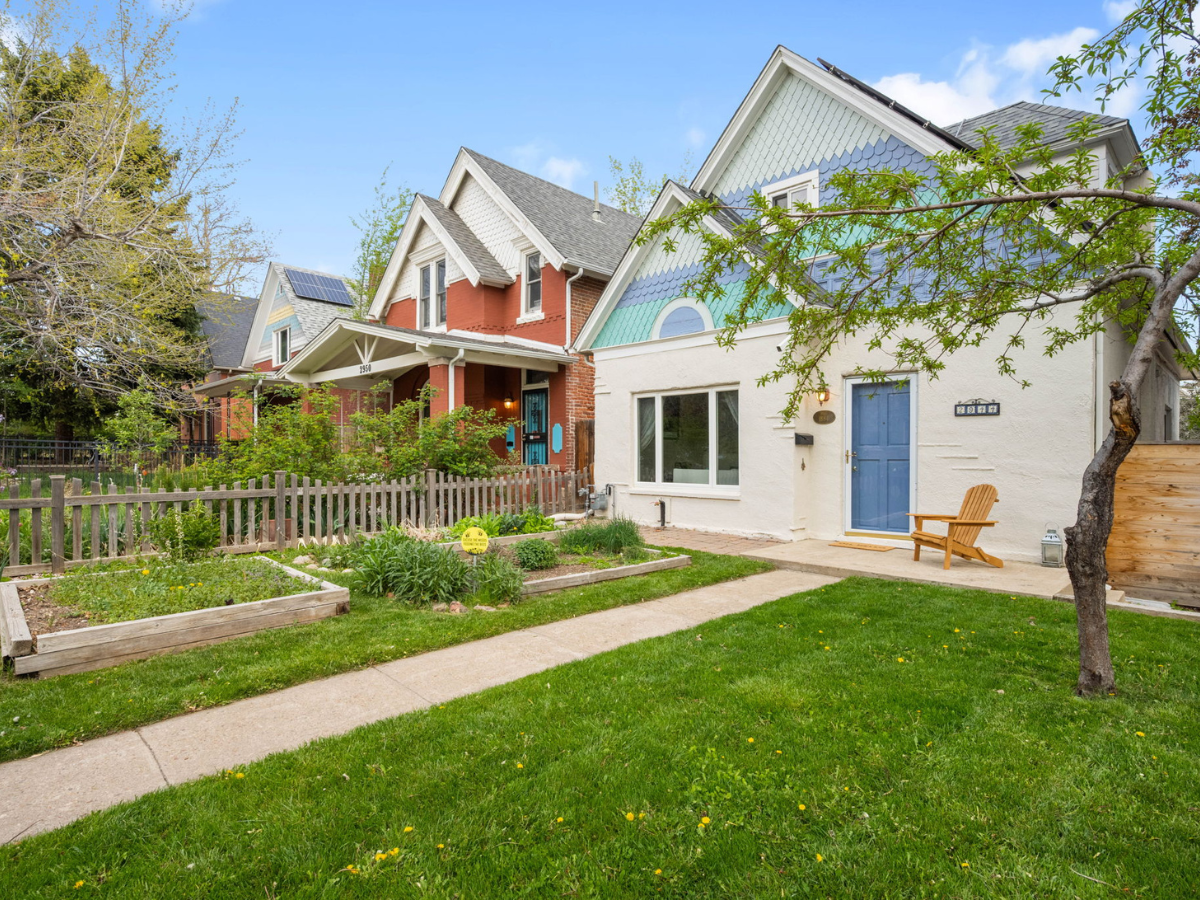
The cluster of neighborhoods northwest of downtown, known collectively as the Highlands, is where most people from dense, walkable parts of San Francisco feel at home fastest. Berkeley, West Highland, and LoHi give you tree-lined streets, coffee shops, and a genuine restaurant scene along Tennyson Street and Lower Highland. You can walk to dinner, bike downtown, and still park a car. It is the closest Denver comes to the neighborhood-as-village feeling that Bay Area urbanists tend to miss.
The trade-off is price. These are among Denver’s more sought-after areas, so you will pay a premium relative to the metro average, though still a dramatic discount to San Francisco. Expect a mix of updated bungalows, newer townhomes, and the occasional modern build.
If you want more space and a quieter west side: Applewood and Wheat Ridge
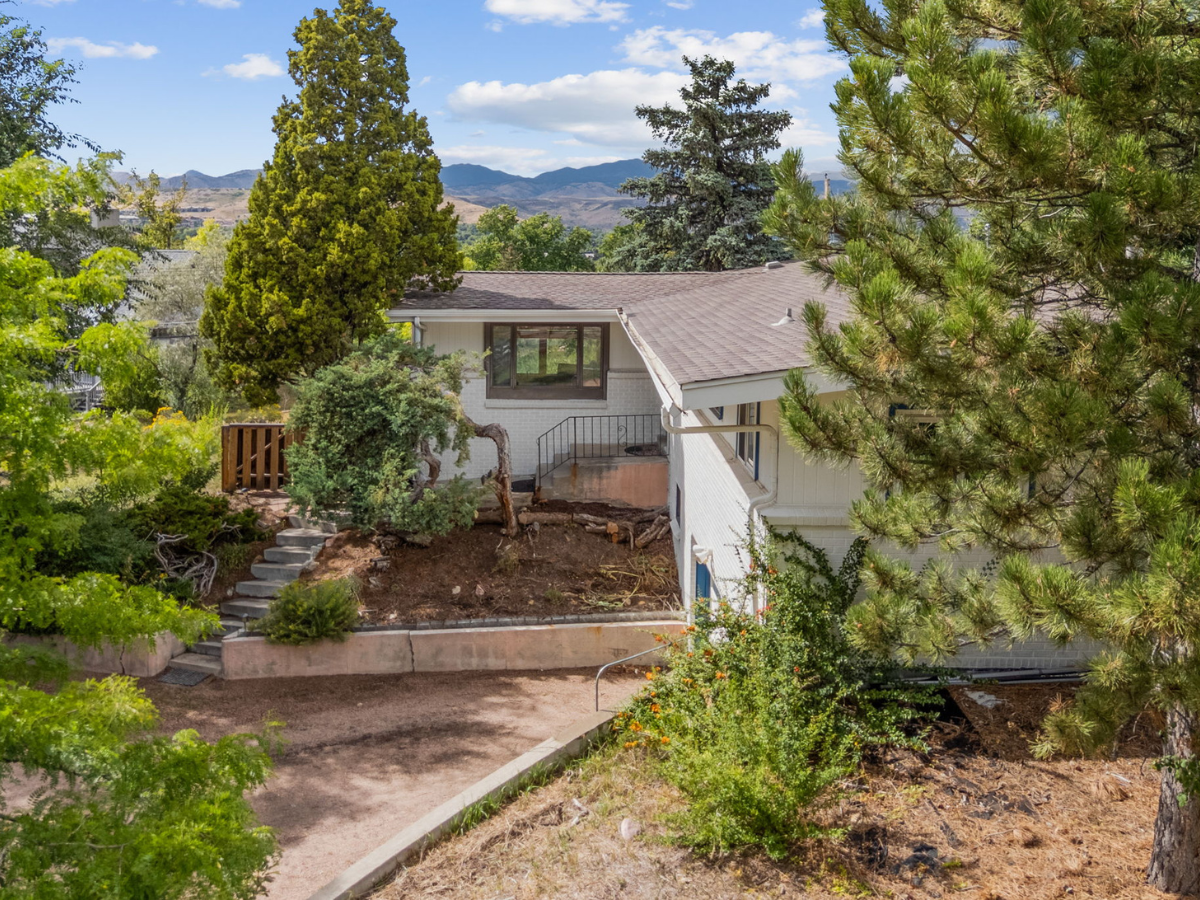
Buyers coming from the Peninsula or the East Bay suburbs often gravitate to the west side, where lots are larger and the pace is calmer. Applewood and neighboring Wheat Ridge offer bigger yards, mature trees, and easy access to the foothills, while still keeping you roughly fifteen to twenty minutes from downtown Denver. It is a strong fit for families or remote workers who want room for a home office, a garden, and a garage without giving up proximity to the city.
This part of the metro tends to feel more residential and less urban than the Highlands. If your Bay Area life revolved around walking to everything, it will be an adjustment; if it revolved around driving to trailheads and wanting a real backyard, it may feel like an upgrade.
If mountain access is the whole point: Lakewood and the foothills edge
Plenty of San Franciscans came for the outdoors as much as the job. If weekend access to the mountains is your priority, the western metro communities like Lakewood put you minutes from Red Rocks, Green Mountain trails, and the on-ramp to I-70 and the high country. You trade some walkability for a shorter drive to the trailhead, which is exactly the swap many transplants are happy to make.
If you are commuting or car-light: think about transit lines
San Francisco transplants used to BART often want to keep a car-light routine. Denver’s RTD light rail and bus network is not as extensive as Bay Area transit, but several neighborhoods sit near rail stations that connect to downtown, the airport, and the tech corridor. If minimizing driving matters to you, prioritize homes within a reasonable walk or bike of a station and factor that into your search.
A few things worth mapping to your own priorities before you tour:
- Commute or office location, and whether you need rail access
- How much walkability versus square footage you actually want
- Proximity to the foothills and your favorite outdoor activities
- School districts, if that applies to your household
- Your realistic budget once Colorado property taxes and insurance are factored in

Understanding the market before you buy
Denver’s market has shifted toward more inventory and more room to negotiate than it had a few years ago, which is a friendlier backdrop for a relocating buyer than the frenzied Bay Area norm. Still, well-priced homes in the Highlands and on the desirable west side can move quickly. Keeping an eye on current local data, such as the monthly DMAR Market Trends Report, helps you set expectations before you write an offer. Because you likely cannot tour every weekend from out of state, an agent can set up a search that surfaces matching listings as they hit the market.
Frequently Asked Questions
How much cheaper is Denver than San Francisco?
Most cost-of-living comparisons put Denver well below San Francisco overall, with the largest gap in housing. A home that would cost well into seven figures in the Bay Area often lands in a much lower range in a comparable Denver neighborhood. Your actual savings depend on the specific home, neighborhood, and current rates, so treat published comparisons as a starting point rather than a guarantee.
Which Denver neighborhood is most like San Francisco?
For walkability and dining, the Highlands neighborhoods, including Berkeley, West Highland, and LoHi, tend to feel the most like the dense, pedestrian-friendly parts of San Francisco. They offer a real neighborhood restaurant scene and easy access to downtown.
Do I need a car in Denver?
Most Denver residents keep a car, but you can lean car-light if you choose a home near an RTD rail station and a walkable commercial strip. Transit is less comprehensive than Bay Area systems, so a car remains useful for the mountains and errands.
Is it a good time to buy in Denver as a relocating buyer?
The current market generally offers relocating buyers more inventory and more negotiating room than the Bay Area is used to, though conditions vary by neighborhood and price point. Reviewing recent local data and working with an agent who knows the west and central metro will give you the clearest read.
Ready to explore your options?
Relocating from San Francisco is a big move, and the right neighborhood makes all the difference in how quickly Denver starts to feel like home. Whether you are drawn to the walkable Highlands, the roomy west side, or a foothills-adjacent base camp, Jason Sirois and the FORM Team at Compass Denver can help you weigh the trade-offs and find the right fit. Start with our Buyer’s Guide, then reach out to review your options.