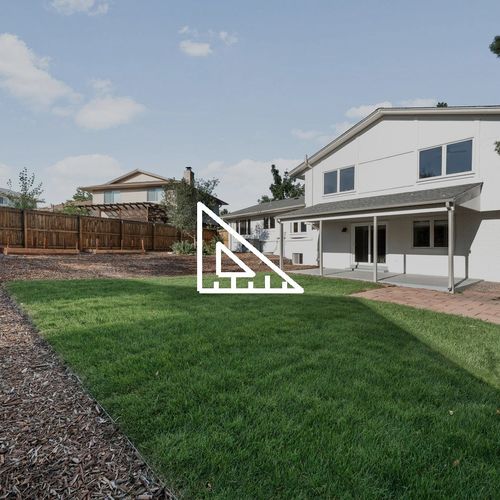

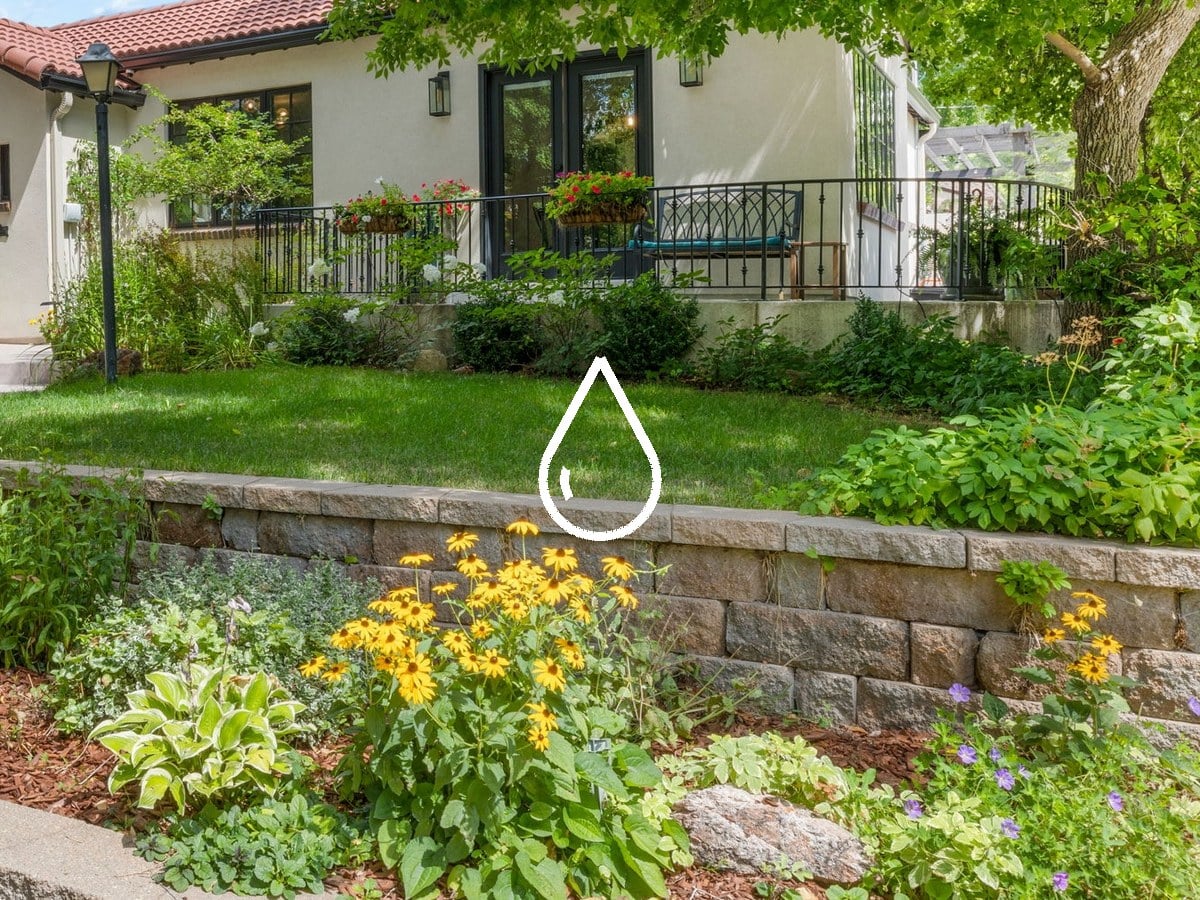
No sprinklers. Since October 1, 2026, Denver Water has banned all lawn watering and spray irrigation in West Highland and the rest of its service area, likely through spring 2027. Trees, shrubs and perennials can still be hand-watered or drip-watered, and a home can sell with a dormant lawn.
West Highland’s lawns, parkway strips and large shade trees are a big part of how its blocks look from the street. This fall they look different. Denver Water’s Board of Water Commissioners voted unanimously on August 26, 2026, to end lawn watering season on October 1, and the ban stays in place until the board acts again.
For owners, that raises practical questions: what can still be watered, how the fines work, and whether a brown lawn hurts a home that is going on the market in October or November. The rules are now published, so most of those questions have clear answers.
Jason Sirois is a Denver Realtor with FORM at Compass, whose office is at 1900 W 32nd Ave in Northwest Denver. Here is what the ban allows, what it costs to ignore it, and how it shapes a fall sale in West Highland, as of mid-October 2026.
What Denver Water’s lawn watering ban covers
The board amended its Stage 1 drought resolution to prohibit watering grass after September 30, 2026. The resolution takes effect October 1 and runs “until further action of the Board,” and it applies to everyone who receives Denver Water’s water, inside and outside the city. West Highland homes are Denver Water customers, so the rules apply to every lawn in the neighborhood.
Here is what is and is not allowed under the resolution and Denver Water’s August 26 announcement:
| Watering | Allowed after Sept. 30, 2026? |
|---|---|
| Lawns, by sprinkler or by hose | No |
| New sod or seed (grass establishment) | No, except under an approved variance |
| Trees, shrubs and perennials | Yes, any day, by hand-held hose with a shutoff nozzle or by drip or other low-volume, non-spray irrigation |
| Annuals and vegetables | Yes, same methods, until the first frost |
| Running a sprinkler system for repair or maintenance | Yes, if someone is attending it and no water is wasted |
| Spray irrigation of any plant | No |
The resolution also limits car washing at home to a bucket or a hose with an automatic shutoff nozzle, and bars power washing by individuals except for health or safety reasons.
How long the sprinkler ban lasts
There is no end date. Denver Water says sprinklers must stay off in spring 2027 unless the board passes a new resolution, and Denverite reported that the ban will last at least through spring 2027.
The reason is supply. Denver Water reported its reservoirs were 72% full on August 24, against a historic median of 94% for that time of year. Natural streamflow from April to July was 22% of normal, the lowest in the utility’s 110 years of records, and staff projected storage could fall to 60% before the 2027 runoff. Denver Water had declared a Stage 1 drought on March 25 with a goal of cutting use 20%, a target the utility said customers did not reach.
Whether lawns can be watered next spring will depend on this winter’s snowpack and what the board decides afterward. Anyone planning new sod or seed for spring 2027 should treat that plan as uncertain until the board acts.
Fines and enforcement
According to Denverite’s September 29 report on the fine schedule, single-family customers face $500 for a first violation and $1,000 for each one after that. Multifamily and nonresidential properties face $1,000 for a first violation and $2,000 for a second. New turf gets no exemption.
The resolution itself allows fines of up to $2,000, a flow restrictor on the property’s water line, suspension of service and revocation of the tap license. Denver7 reported that Denver Water enforces through field staff and photo reports submitted on its website, will not fine without photo evidence or an employee witness, and offers an appeals process.
What the ban means for selling a West Highland home this fall
Denver lawns go dormant over the winter in most years, so buyers touring in October and November are used to seeing brown grass. What is different this year is that no one can green a lawn up before listing, and every lawn in the neighborhood is under the same rule. A dormant lawn is a seasonal fact about the yard, not a sign of neglect.
The parts of a yard that still show care are the ones the rules allow you to tend:
- Trees and shrubs: hand-water or drip-water them on dry, warm days so they go into winter healthy. Large trees carry much of a West Highland lot’s curb appeal.
- Beds and edges: fresh mulch, trimmed shrubs, cut-back perennials and clean edges read well against a dormant lawn.
- Hardscape: swept walks, a clear porch and working exterior lighting matter more when the lawn is not adding color.
- Photos: listing photos should show the home as it is today. Talk with your agent about timing and angles that feature the house, porch and trees.
Buyers will not see a sprinkler system run until the board lifts the ban, so have the system’s details ready: zones, controller, age, last service and whether it has been winterized. Denver Water allows a system to run for attended repair or maintenance, so a fall blowout can still happen.
We have no sales data showing the ban has changed West Highland prices, and we would not guess at one. For current pricing context, see our post on whether now is a good time to sell in West Highland, and the West Highland community page. For the neighborhood’s other big water story, see how the Sloan’s Lake restoration affects West Highland.
Planning a yard for 2027 and beyond
The pause is also a natural time to rethink turf. Denver Water’s turfgrass removal discount, worth up to $750 through Resource Central, closed to new applications for 2026 on March 28, and the utility says it will post any 2027 program on its website. Its free do-it-yourself Landscape Transformation guide remains available.
For buyers, the takeaway is that a yard bought this fall may not be watered by sprinkler in spring 2027. A yard that already relies on trees, shrubs and drip-irrigated beds is less exposed to that uncertainty than one built around lawn.
If you are deciding whether to list this fall or wait for spring, Jason Sirois and the FORM Team at Compass Denver are glad to talk through the timing.
Frequently Asked Questions
Can I water my lawn by hand in Denver right now?
No. Denver Water’s resolution bans watering of all grass after September 30, 2026, by any method. Hand-watering is allowed only for trees, shrubs, perennials, and annuals and vegetables until the first frost.
Can I water my trees during the Denver Water ban?
Yes. Trees, shrubs and perennials can be watered any day with a hand-held hose with a shutoff nozzle, or with drip or other low-volume, non-spray irrigation. Sprinklers and spray heads are not allowed for any plant.
How much is the fine for using sprinklers in Denver?
Denverite reported $500 for a single-family home’s first violation and $1,000 for each one after. The board’s resolution allows fines up to $2,000, flow restrictors and service suspension.
When can I turn my sprinklers back on?
Not until Denver Water’s board passes a new resolution. Denver Water says sprinklers must stay off in spring 2027 unless the board acts, and the decision will depend on winter snowpack.
Can I lay new sod before I sell?
Not without an approved variance. Grass establishment is prohibited after September 30, 2026, and Denverite reported that new turf gets no exemption from the lawn watering ban.
Can I winterize or blow out my sprinkler system?
Yes. The resolution lets a system run for installation, repair or reasonable maintenance, as long as someone is attending it and no water is wasted.
This article is for general information only and reflects Denver Water’s published resolution and reporting as of October 19, 2026. It is not legal advice. Drought rules can change by board action; check Denver Water’s drought pages for current rules before watering or planning landscape work.