

When someone in Golden asks how long it takes to sell, they usually mean two different things at once: how many days will my house sit on the market, and how long until the money is actually in my account. Those are very different numbers, and the second one is roughly twice the first. There is also a wrinkle specific to Golden. No public data source breaks out days on market for the City of Golden by itself — the closest reliable figure is Jefferson County as a whole. And Golden is not one market. A brick bungalow four blocks off Washington Avenue and a foothills property on well and septic behave nothing alike, and the gap between them is measured in weeks. Here is what the current data supports, what it does not, and where the time actually goes in a Colorado transaction.
- Jefferson County, single-family, July 2026: 30 days on market until sale
- Jefferson County, townhome/condo: 59 days
- Contract to close, financed: commonly 30 to 45 days
- Realistic total from listing photos to funds: roughly two to three months
What the county data actually says
The Colorado Association of Realtors publishes free county-level market updates, and Jefferson County is included. For July 2026, single-family homes showed 30 days on market until sale, down about 3 percent from a year earlier, with a year-to-date figure of 36 days. The median sales price was $715,000, sellers received 99.3 percent of list price on average, and there were 2.9 months of supply. You can pull the county reports from the CAR market statistics page. Townhomes and condos are a materially slower market: 59 days on market in July, up nearly 23 percent year over year, with 5.5 months of supply and a median price of $380,750. If you own an attached property in Golden, plan on roughly double the timeline of a comparable detached home. For metro context, the Denver Metro Association of Realtors reported a July 2026 median of 17 days in the MLS for detached homes and 40 days for attached across the eleven-county region. Golden sits inside Jefferson County, so the county number is the better proxy — but neither is a Golden figure, and we would not present one as if it were.
Why Golden is not one market
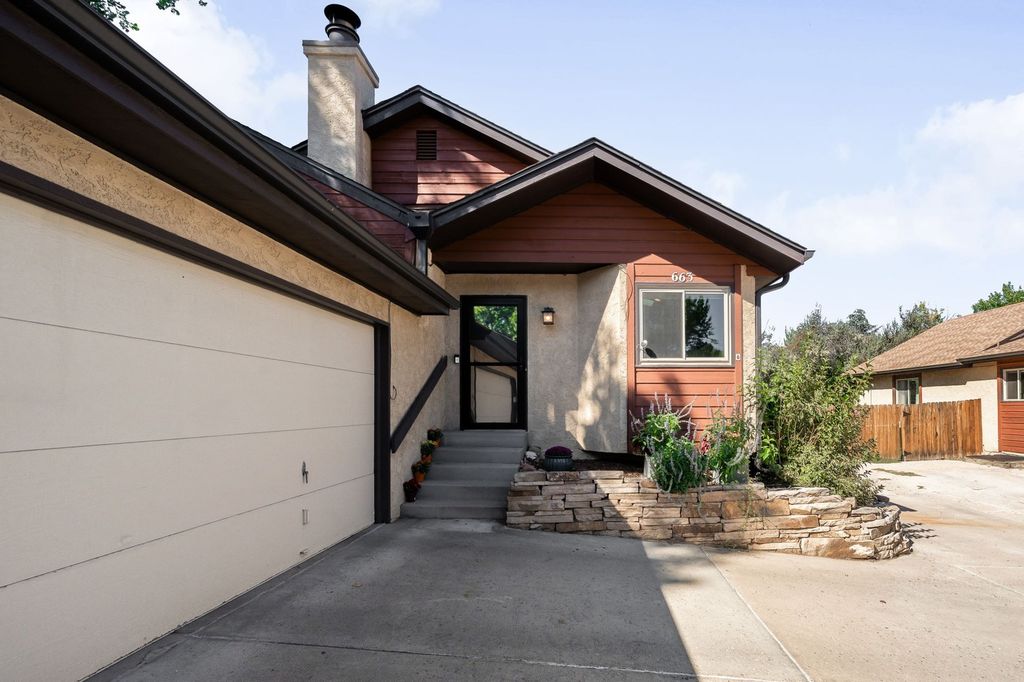
The county average flattens differences that matter enormously to an individual seller. Downtown and the historic districts. Golden has three locally designated historic districts — 8th and 9th Street, 12th Street and East Street — plus individually designated properties. Work on designated structures requires a certificate of appropriateness under the city’s municipal code. That does not slow a sale, but it can slow the pre-list improvements you were planning, so it belongs in the calendar well before the listing date. In-town neighborhoods. Homes on city water and sewer, within walking distance of Clear Creek and downtown, are the fastest-moving segment — and as we covered in what Golden buyers value most, proximity to trails and open space is a big part of why. The buyer pool is deep: Colorado School of Mines employs and attracts thousands, Molson Coors has brewed at 12th and Ford since 1873 and employs several hundred people, and the town has a genuine downtown rather than a strip. Foothills and unincorporated parcels. This is where timelines stretch, for reasons that are entirely procedural rather than mysterious. In Jefferson County, a property with an on-site wastewater treatment system installed more than five years before the sale requires an inspection and a Use Permit before transfer. In the Indian Hills and Parmalee Gulch area and on parcels created before 1966, a well water sample tested for total coliform and nitrates must accompany the permit application. On the well side, the Colorado Division of Water Resources notes that reviewing a complete new well permit application can take up to 49 days, and contact updates at sale take several weeks to process. Insurance in the wildland-urban interface. The Colorado State Forest Service estimates that just under half of all Coloradans live in the wildland-urban interface. In practice this now means that binding homeowners insurance on a foothills property can take longer, cost more, and occasionally fall through — which is why the state contract includes a Property Insurance Termination Deadline. Sellers of foothills property should expect insurance to be a live issue during the contract period, not a formality.
Where the time actually goes after you accept an offer
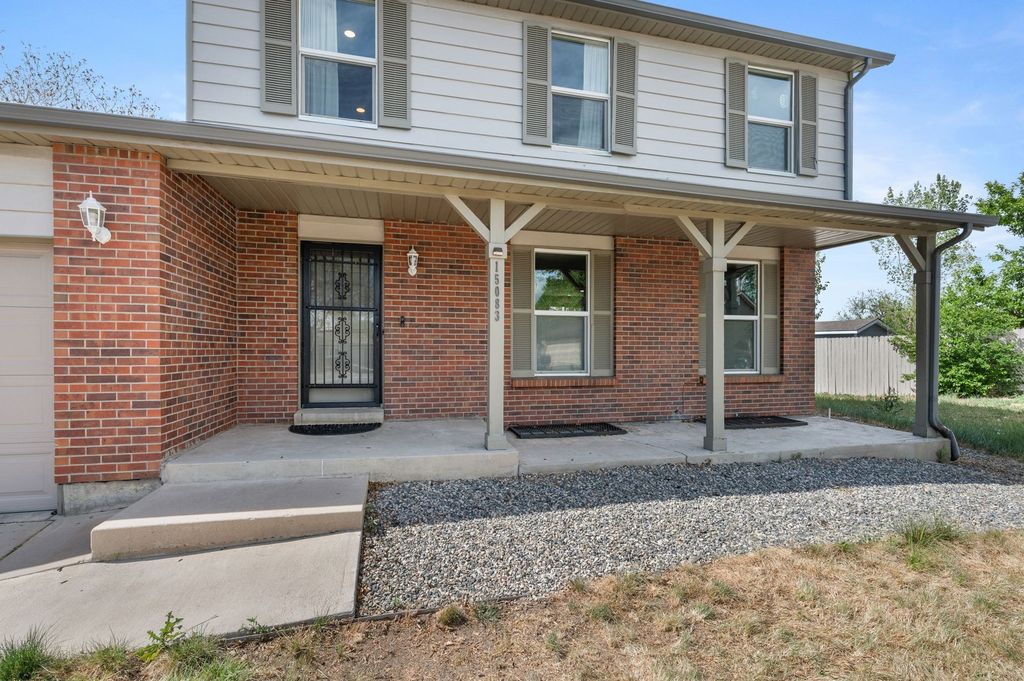
Colorado transactions run on the Real Estate Commission’s standard contract, which was adopted in August 2025 and required from January 2026. It contains 43 numbered dates and deadlines covering title, inspection, appraisal, loan, insurance and closing. An important point almost everyone gets wrong: none of those deadlines has a legally mandated length. There is no state-required ten-day inspection period. Every date is negotiated on each contract. What people call “standard” is local custom, and it is negotiable — which matters if you are trying to compress or extend a timeline around a move. On financing, the ICE Mortgage Monitor reported in May 2026 that the average purchase loan closed in 36.8 days, the fastest since tracking began in 2019, split roughly into eleven days from application to rate lock and twenty-six from lock to closing. There is also a hard floor: federal rules require the lender to deliver the Closing Disclosure at least three business days before closing, so a financed deal cannot close on a few days’ notice regardless of how motivated everyone is. A cash offer removes the loan and appraisal deadlines entirely, which is why cash closings can run two to three weeks. The binding constraint becomes title work rather than the lender.
What actually shortens your timeline
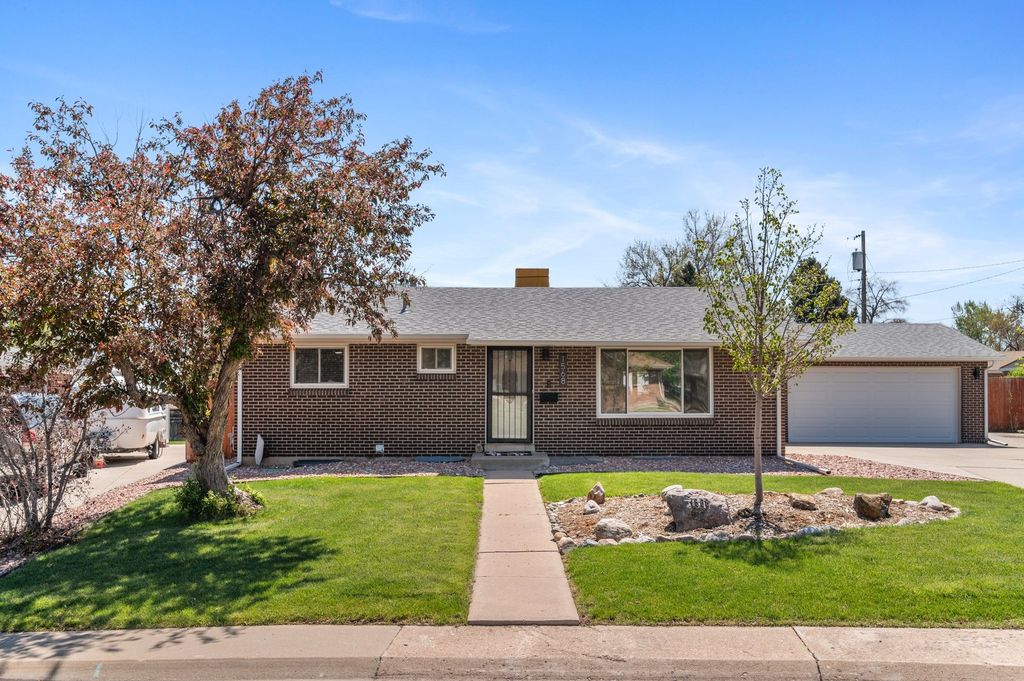
Pricing does most of the work, and there is data behind that. In the National Association of Realtors 2025 Profile of Home Buyers and Sellers, homes that sold within two weeks received close to 100 percent of asking price, while homes on the market seventeen weeks or longer averaged 91 percent. The median seller was on the market four weeks and got 99 percent of final list price. The penalty for a high initial price is not just time — it is the price itself, after the reductions. Beyond price, the levers that reliably matter here are getting the pre-list work and photography done before you go live rather than during, resolving inspection-predictable items in advance, and on a rural or foothills property, starting the septic Use Permit and any well testing early rather than waiting for a contract. We looked at the same question for an in-town Denver neighborhood in how long are homes taking to sell in Berkeley, and the pattern is consistent.
Frequently Asked Questions
So what is a realistic total timeline in Golden?
For a well-prepared, correctly priced in-town home: roughly four to six weeks of preparation, about a month on the market, and thirty to forty-five days to close. Call it two and a half to three months from decision to funds. A foothills property with septic and well can add several weeks to that.
Is 30 days on market good or bad?
It is a healthy, balanced-market number, and it is slightly faster than a year ago. It is not the two-day frenzy of 2021, and pricing accordingly matters more now than it did then.
Why is there no days-on-market figure just for Golden?
Public market reports are published at the county level; city-level detail sits inside the MLS. Jefferson County is the closest public proxy. A Golden-specific pull, segmented by neighborhood and price band, is something we can run for your address on request — it is a far more useful number than a county average.
Do foothills homes really take longer to sell?
In our experience yes, and the mechanics explain why: a smaller buyer pool, wildfire insurance underwriting, and the septic Use Permit and well testing that in-town homes never trigger. We are describing procedure, not a published statistic — no public data segments Golden by elevation.
Does the old growth cap still affect the Golden market?
Golden voters adopted a residential growth limit in 1995, and decades of constrained new construction still shape the housing stock. State legislation in 2023 preempted municipal growth caps, so the current effect is historical rather than active — but the scarcity it created is still visible in what is available to buy.
Should I sell before I buy, or the other way around?
It depends on your equity position and how much timing risk you can carry. With Jefferson County single-family homes near 30 days and 2.9 months of supply, this is a market where a well-priced home sells on a fairly predictable schedule, which makes sequencing easier to plan than it was two years ago. The home sale calculator is a decent place to start on the numbers. This article is general information, not legal, financial or insurance advice. Contract deadlines, permit requirements and insurance availability vary by property; consult a qualified attorney, lender or licensed insurance professional about your situation. Market figures cited come from the Colorado Association of Realtors, DMAR, the National Association of Realtors, ICE Mortgage Technology and Jefferson County. Jason Sirois is a Denver Realtor with FORM at Compass Denver and an Applewood resident, minutes from Golden.