

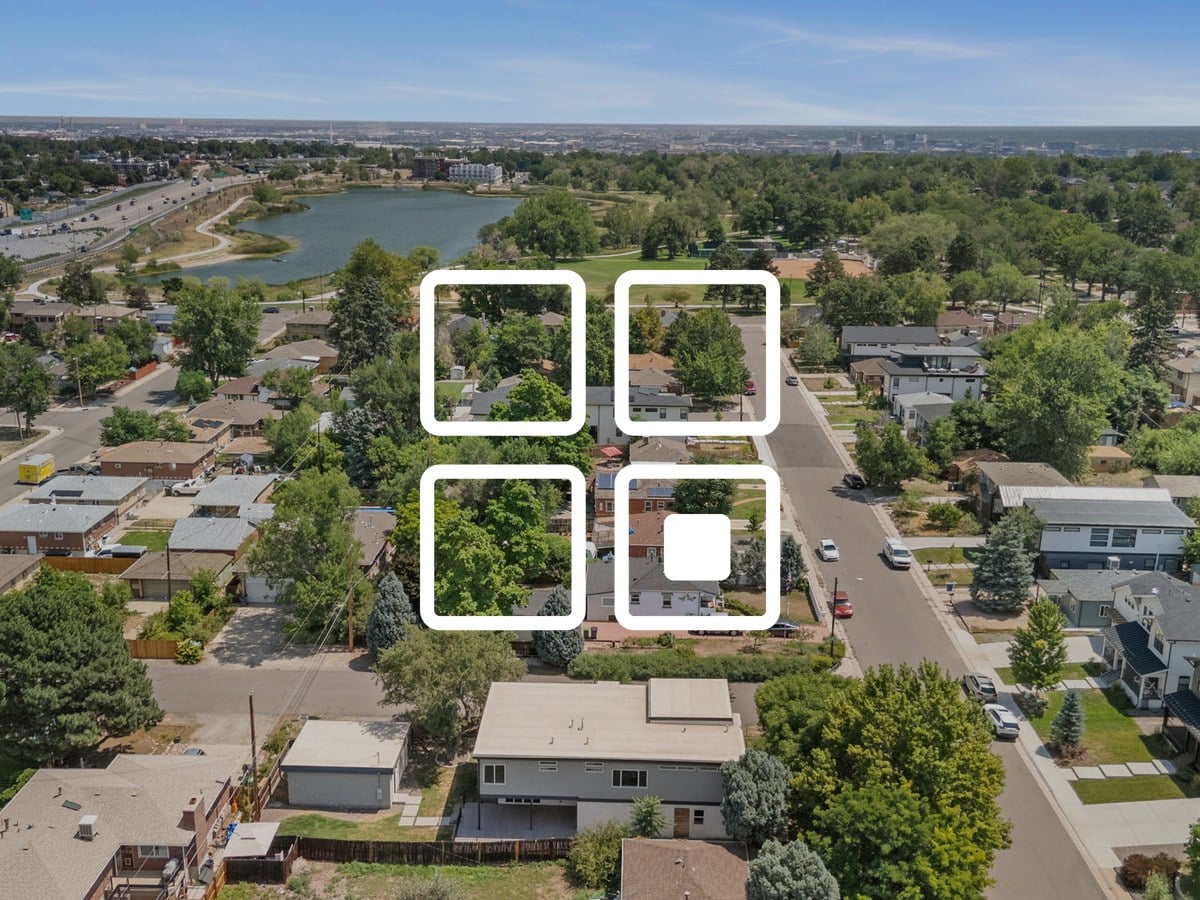
Under Denver’s revised Unlocking Housing Choices proposal, most Berkeley single-family lots would keep today’s zoning. Only lots within a quarter mile of a transit priority street or rail station could earn bonuses for up to four homes, and council will not vote before spring 2027.
If you own a single-family home in Berkeley, or in Sunnyside, West Highland or LoHi, you have probably heard some version of the headline: Denver wants to allow duplexes, triplexes and fourplexes on lots that only allow one house today. The proposal is called Unlocking Housing Choices, and it has changed a lot since the summer.
In July, city planners floated a draft that would have reached residential lots across the whole city. On September 28, 2026, they told City Council they were narrowing it. The bonuses that allow extra homes would now apply only near frequent transit, a rule that cuts the affected area by roughly half, and the vote has slipped to spring 2027 at the earliest.
Jason Sirois, a Denver Realtor with FORM at Compass, works out of our office at 1900 W 32nd Ave in Northwest Denver and gets this question from owners on both sides of Federal Boulevard. Here is what the proposal says today, what it would and would not change on a Berkeley lot, and what to watch before it reaches a vote.
What is Unlocking Housing Choices?
Unlocking Housing Choices is a city-led amendment to the Denver Zoning Code. According to the city’s project page, it covers the low- and medium-residential zone districts, from single-unit (SU) through rowhouse (RH), and aims to allow “middle housing” such as duplexes, fourplexes and townhomes in neighborhoods built mostly as detached houses.
The case the city makes is about the housing stock. Denverite reported that detached single-unit homes make up 42% of Denver’s housing, while buildings with two to nine units per lot make up about 10%. The city also found that over 15 years, about two-thirds of demolished homes were replaced with a larger single-family house rather than more homes.
The earlier draft leaned on three tools, as summarized by the Hilltop Neighborhood Association:
- Scale rules: a cap on the size of a new single house, with more room allowed when a lot holds several homes.
- A retention bonus: extra units allowed when the existing house stays rather than coming down.
- An affordability bonus: extra units allowed when some are deed-restricted as income-qualified housing.
What changed in the September 2026 revision?
The revision presented to council on September 28 kept the bonuses but shrank where they apply and set aside the size caps for now. Denverite’s report and the city presentation summarized by Congress Park Neighbors describe these changes:
| Element | July 2026 draft | September 2026 revision |
|---|---|---|
| Where extra homes are allowed | Residential lots citywide, if criteria are met | Within a quarter mile of a Blueprint Denver transit priority street or rail transit station |
| Most homes on a lot (primary units) | Up to four | Four in Urban and Urban Edge zones; two in Suburban zones |
| Size limits on new homes | Proposed | Postponed to a Phase 2 |
| House-scale form standards | Proposed | Apply to all new residential buildings citywide |
| Council vote | Expected by end of 2026 | Spring 2027 at the earliest |
Sources: Denverite, September 28, 2026; Congress Park Neighbors summary of the September 28, 2026 council presentation; Hilltop Neighborhood Association.
City planner Rob Elsasser told Denverite the charge is to bring forward something “that we can get adopted.” The original goal was about 2,000 new homes a year; the city has not published a revised estimate for the narrower version.
What would change on a single-family lot in Berkeley?
For most Berkeley lots, very little in the near term. Two questions decide whether the proposal would touch a specific property.
Is the lot within a quarter mile of a transit priority street or rail station? Transit priority streets are the corridors Blueprint Denver, the city’s 2019 land use plan, maps for transit investment, from high-capacity lines such as bus rapid transit to speed and reliability corridors. The city has not yet published a parcel-level map for this proposal. In northwest Denver, Federal Boulevard is the clearest candidate to check: CDOT and RTD plan an 18-mile Federal Boulevard bus rapid transit line with service targeted for 2030. Federal is Berkeley’s eastern edge and also runs between West Highland and Highland. For Sunnyside, which Federal borders on the west, RTD’s 41st & Fox rail station sits along its eastern edge by the rail line. Whether other corridors such as West 38th Avenue count will depend on the final map.
What zone district is the lot in? Denver zone names start with a letter for the neighborhood context. Many northwest Denver lots carry Urban (U-) districts such as U-SU-C or U-TU-C, which would fall under the four-unit cap if a bonus applies. You can look up any address on the city’s zoning map.
If a Berkeley lot is outside the transit buffer, the proposal as revised would not add bonus units. The new house-scale form standards would still apply to new construction, whether that is one house or several.
What about Sunnyside, West Highland and LoHi?
The same two tests apply across Northwest Denver, but the neighborhoods start from different places.
- Sunnyside already has a mix of older single homes, duplexes and homes with separate upper units, like the house-hacking properties we have written about. Lots near Federal or the 41st & Fox station are the ones to watch.
- West Highland lots near Federal Boulevard would be first in line for any bonus. Lots closer to Sheridan or Sloan’s Lake depend on how the final transit map is drawn.
- LoHi is already zoned largely for multi-unit and mixed-use buildings, so this amendment matters less there than the large projects already underway, such as the apartments going up at 2777 Zuni Street.
For a broader look at how these neighborhoods fit together, see our insider’s guide to Denver’s northwest neighborhoods and our Berkeley community page.
How does this fit with Denver’s ADU rules?
It is separate. In late 2024, Denver changed its rules so an accessory dwelling unit, such as a garage apartment or backyard cottage, is allowed in single-unit zones citywide, ahead of the June 30, 2025 deadline set by Colorado’s House Bill 24-1152. The owner-occupancy requirement now applies only when the permit is pulled. That means a Berkeley owner can already add one ADU today without waiting for Unlocking Housing Choices.
The new amendment is about primary homes, meaning a second, third or fourth house or unit on the lot that is not an accessory unit. If it passes, the details of how ADUs and bonus units combine on the same lot will be in the adopted code text, not in the summaries published so far.
What should Berkeley owners and buyers do now?
- Look up your zone district on Denver’s zoning map and note how far your lot is from Federal Boulevard or a rail station.
- Do not price a lot on a bonus that does not exist yet. Nothing has been adopted, and the area could change again before spring 2027.
- Follow the city’s project page for drafts, maps and public meeting dates, and send comments to your council office.
- Talk to an architect or land use attorney before buying a lot for its development potential.
If you are weighing a sale, a purchase or a project in Berkeley and want to talk through what the zoning means for a specific address, Jason Sirois and the FORM Team at Compass Denver are glad to help.
Frequently Asked Questions
Has Denver approved Unlocking Housing Choices?
No. As of October 2026, it is a proposal. Denverite reported that a City Council vote is delayed until spring 2027 at the earliest, and the details can still change before then.
Will my Berkeley single-family lot be rezoned for a fourplex?
Not automatically. Under the September 2026 revision, bonus units apply only within a quarter mile of a transit priority street or rail station, and the lot keeps its zone district. Most Berkeley lots outside that buffer would see no new unit allowance.
Which streets in northwest Denver count as transit priority streets?
The city has not published a final parcel map for this proposal. Federal Boulevard, planned for bus rapid transit by 2030, is the most obvious corridor to check. Watch the city’s project page for the official map.
How many homes could be built on one lot?
Where a bonus applies, the revision caps primary homes at four in Urban and Urban Edge zones and two in Suburban zones.
Did Denver drop the limits on house size?
For now. The revision postpones maximum floor area rules to a second phase so the city can watch what gets built first. House-scale form standards would still apply to all new homes.
Can I build an ADU in Berkeley now?
Yes. Denver’s 2024 changes allow an accessory dwelling unit in single-unit zones citywide, separate from this proposal. Permits, setbacks and design rules still apply.
This post is general information based on City and County of Denver materials and local news reports as of October 2026. The proposal has not been adopted and may change. It is not legal, tax or financial advice. Confirm zoning for any property with Denver Community Planning and Development.