

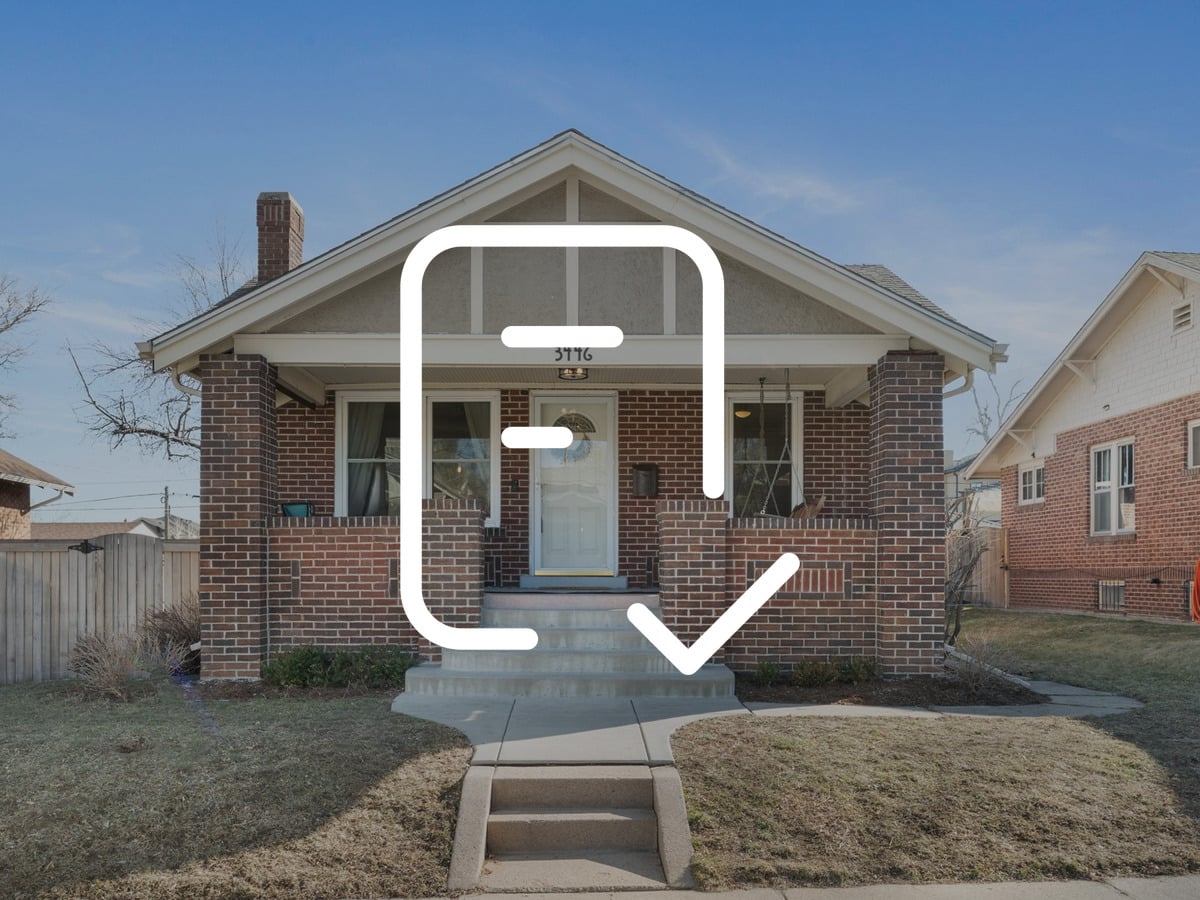
Buyers looking at Wash Park homes right now want move-in-ready condition, a second bathroom near the bedrooms, central air, a garage off the alley and a clean inspection, and they are pricing in anything a house is missing.
Washington Park has always had a clear identity: the park, the brick bungalows and Denver Squares around it, and a short walk to Old South Gaylord Street or South Pearl Street. That hasn’t changed. What has changed is how buyers are approaching it. After several years in which nearly anything near the park sold quickly, buyers now have more time to compare homes, and they are using it.
Across the Denver metro, the monthly DMAR market trends reports have shown prices broadly flat year over year, fewer closings, and homes taking a little longer to sell than they did in the spring. Wash Park doesn’t move in lockstep with the metro, but the same shift shows up here: well-prepared homes still sell, while homes that need work sit longer and negotiate harder.
Jason Sirois, a Denver Realtor with FORM at Compass Denver and an Applewood resident, sees the same short list come up again and again when buyers tour Washington Park. Here is what’s on it, why it matters, and what it means if you’re buying or selling in the neighborhood.
Move-In-Ready Condition Carries the Most Weight
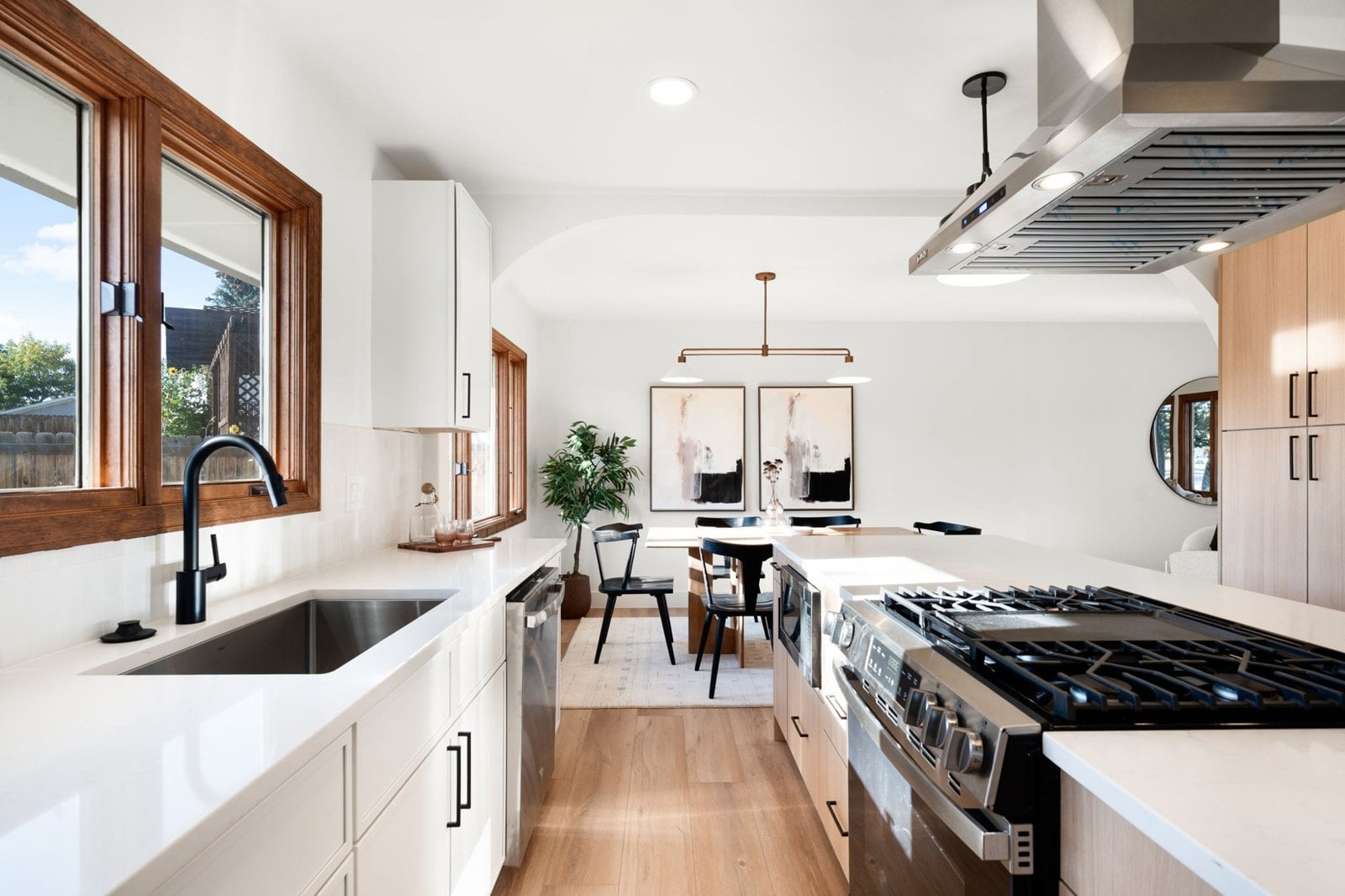
The single biggest factor in how a Wash Park home is received is condition. Buyers are comparing each house against the renovated homes and newer builds a few blocks away, and they are pricing the gap carefully. A home with an updated kitchen, refinished floors, fresh paint and working systems competes for attention. A home that needs a kitchen, bathrooms and a roof is being measured against the cost and time of doing that work, which has gone up considerably over the last several years.
This doesn’t mean original homes don’t sell. Plenty of buyers want a bungalow with original woodwork and a plan to update it over time. But those buyers are doing the math on contractor bids and permit timelines before they write an offer, and the offer reflects it. Cosmetic updates usually pay for themselves at sale. Deeper remodels completed just before listing often don’t, because buyers value their own design choices.
For sellers, the practical takeaway is to fix what an inspector will flag, handle the obvious cosmetic items, and present the home cleanly. For buyers, it means a home that needs work may be where the negotiating room is.
Layout: Bathrooms, Bedrooms and a Place to Work
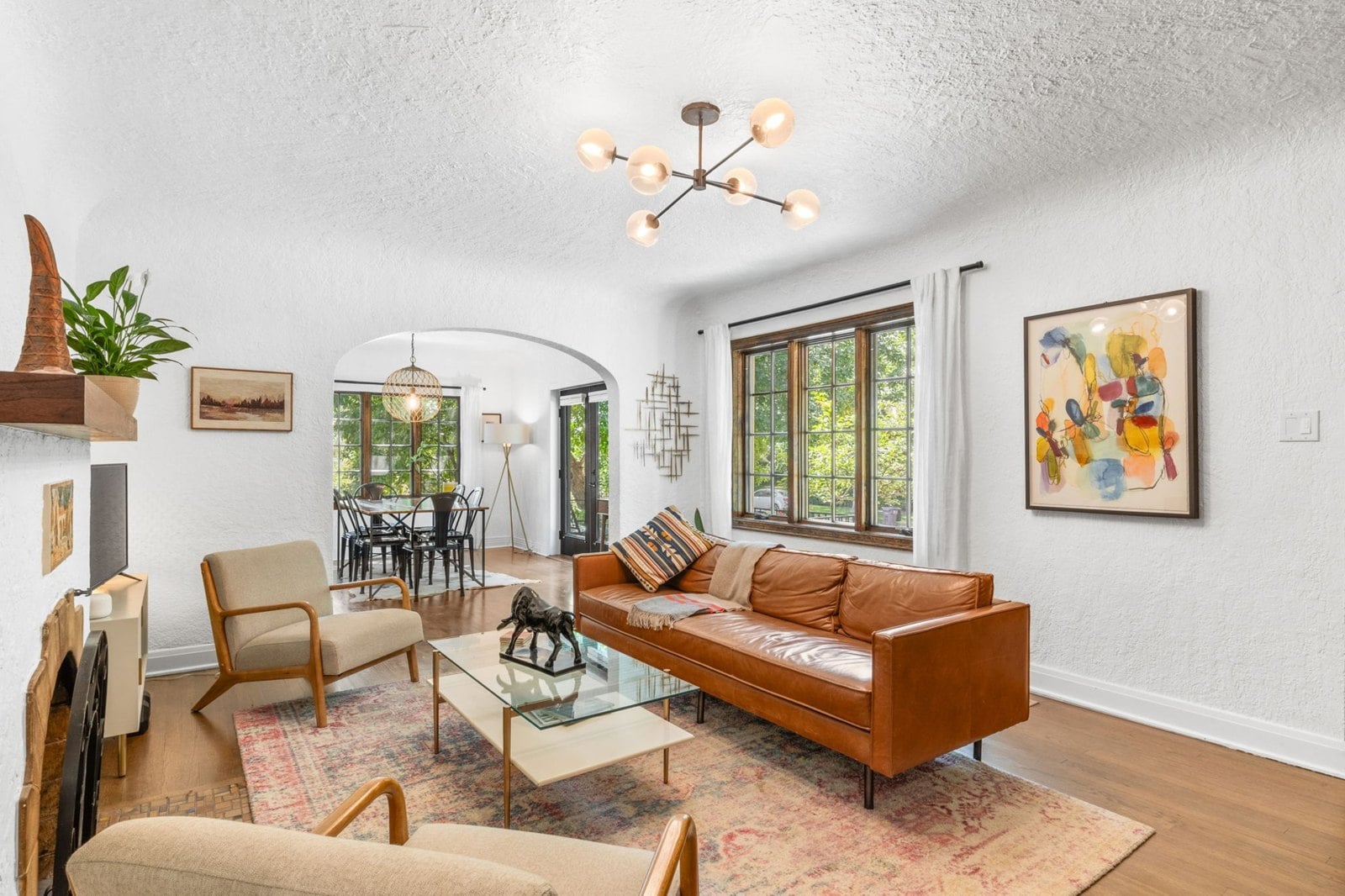
Many of Wash Park’s original bungalows and Denver Squares were built with a single bathroom, often on the main floor or up a flight of stairs from the bedrooms. That is one of the first things buyers notice. The layouts drawing the most interest usually have:
- At least two full bathrooms, with one on the same floor as the bedrooms
- A primary bedroom with its own bathroom and closet space
- A kitchen open to the main living or dining space
- A room with a door that works as a home office
- A finished basement with legal egress windows, so the lower-level rooms can be counted and used as bedrooms
Where a house lacks one of these, buyers look at what adding it would take. A basement bathroom needs plumbing that works with the existing sewer line. A basement bedroom needs an egress window, which usually means cutting the foundation and a building permit. A second-story addition or pop-top requires permits, zoning review and, on some blocks, design review. None of these are dealbreakers, but each one lowers what a buyer will pay today.
Central Air, Garages and the Systems Buyers Check
Older Denver homes were built before air conditioning was standard, and plenty of Wash Park houses still rely on window units or evaporative coolers. Central air has moved from a bonus to an expectation for many buyers, and a home without it gets marked down in their comparison. Adding it to a house with a boiler and radiators is possible, often with a ductless or high-velocity system, but it is a real project.
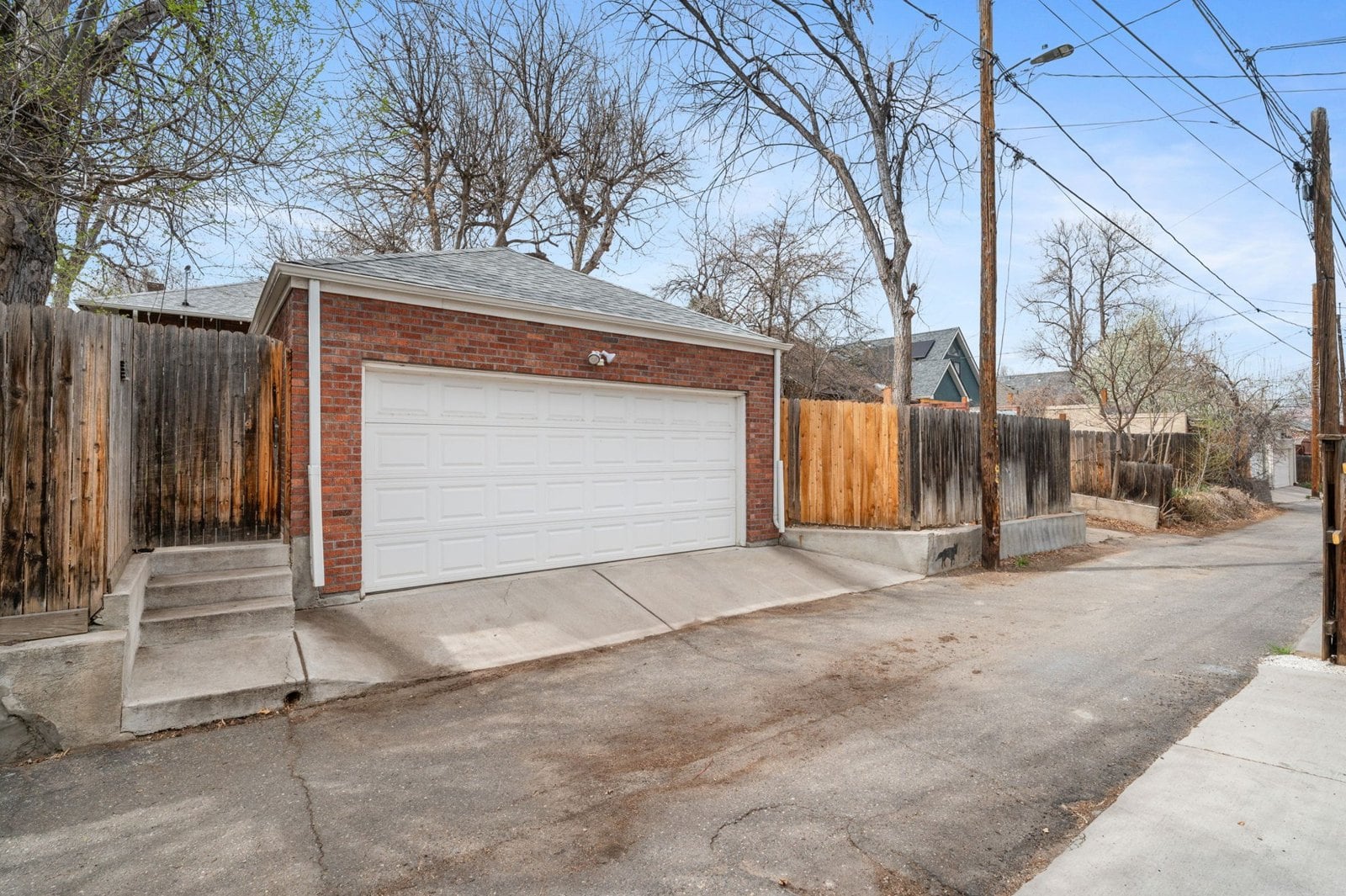
Garages are the other frequent question. Most of the neighborhood was platted with alleys, and a two-car detached garage off the alley is a strong selling point. A one-car garage, or none, is noticed. Beyond that, buyers and their inspectors are looking closely at:
The sewer line. Older clay lines can crack or collect roots, and a sewer scope is standard on Wash Park inspections. Replacement is a significant expense.
Electrical. Original wiring, older panels and ungrounded outlets show up in many older homes.
Foundation and drainage. Buyers watch for cracks, efflorescence and grading that sends water toward the house.
Radon. Testing is routine in Colorado, and mitigation systems are common.
Sellers who run a pre-listing inspection and a sewer scope can address these ahead of time or disclose them up front, which usually removes a round of renegotiation.
Location Within the Neighborhood Still Matters
Buyers draw distinctions block by block. Homes facing or within a short walk of the park, which covers about 165 acres with two large lakes according to the Friends and Neighbors of Washington Park, tend to draw the most attention. So do blocks within walking distance of Old South Gaylord Street and South Pearl Street, where the neighborhood’s restaurants, shops and a seasonal Sunday farmers market are.
Other location factors buyers weigh include traffic on Downing Street and on the busier cross streets like Alameda and Mississippi Avenues, how close a home is to Interstate 25 on the south end, and lot orientation for yard sun. We wrote in more detail about how much proximity to Wash Park adds to a home’s value if you want to go deeper on that question.
What This Means If You’re Selling in Wash Park
The neighborhood’s appeal hasn’t gone anywhere, but buyers have more choices and less urgency than they did a few years ago. That puts the emphasis on pricing and preparation. A home that is priced in line with recent comparable sales, presented well and backed by a clean inspection is still the one that draws the first and strongest offers.
Homes that go on the market high and wait for a buyer to come up tend to accumulate days on market and price reductions, which buyers read as a signal to offer less. It is usually more effective to price accurately at the start. Our home sale calculator can help you estimate net proceeds at different price points before you decide on a strategy.
If you’re buying, the same conditions work in your favor: more time for inspections, more room to negotiate repairs or credits, and a better chance of finding a home that needs updating at a price that reflects it.
Frequently Asked Questions
Are Wash Park homes still selling quickly?
Well-prepared, well-priced homes near the park still sell at a steady pace. Homes that need significant work or are priced above recent comparable sales are taking longer. Current metro-wide figures are published monthly by DMAR, and neighborhood-level numbers are best pulled from recent MLS sales.
Do buyers prefer renovated homes or original bungalows in Wash Park?
Both sell, but to different buyers at different prices. Renovated homes draw the widest pool. Original homes appeal to buyers who want to update on their own terms, and they price in the cost and time of that work.
How important is central air in a Wash Park home?
Increasingly important. Many older homes still use window units or evaporative coolers, and buyers compare that against homes with central air. Adding it is possible but depends on the heating system and ductwork.
Should I get a sewer scope when buying in Wash Park?
Yes. Many homes in the neighborhood have older sewer lines that can crack or collect roots. A scope is inexpensive compared with a line replacement, which can be a major expense.
Can I add a bathroom or bedroom to a Wash Park bungalow?
Often, yes. Basement bathrooms depend on plumbing layout, basement bedrooms need egress windows, and additions require permits and zoning review. Get contractor input before you write an offer so the price reflects the work.
Should I update my Wash Park home before selling?
Focus on repairs an inspector would flag and cosmetic updates like paint, flooring and lighting. Large remodels right before listing rarely return their full cost.
If you’re thinking about buying or selling in Washington Park, Jason Sirois and the team at FORM at Compass Denver are happy to walk through recent sales and what buyers are responding to on your block. This post is general information and is not legal, tax or financial advice; consult qualified professionals about your specific situation, and confirm permit and zoning requirements with the City and County of Denver.