

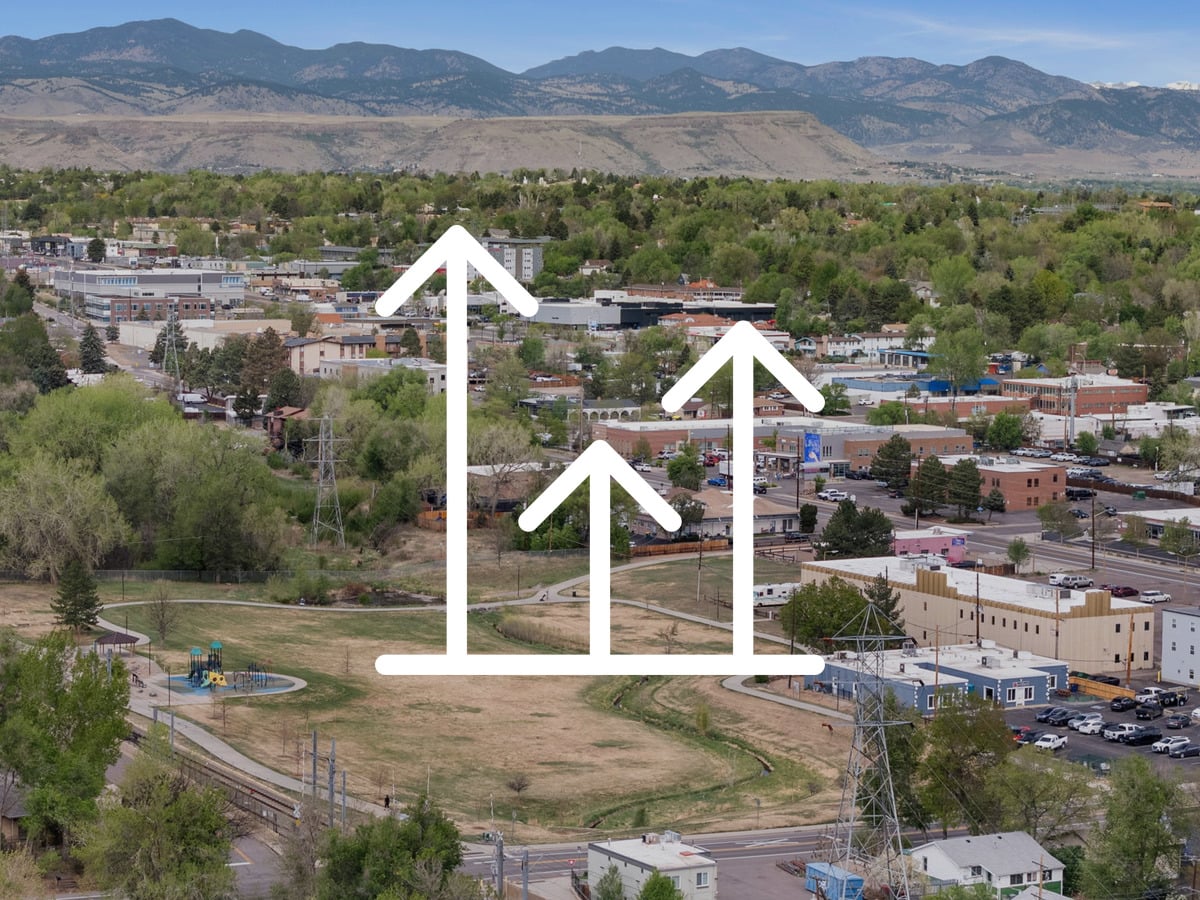
Yes. Homes within walking distance of Washington Avenue and Clear Creek consistently sell for more per square foot, and faster, than comparable homes elsewhere in Golden, because the walkable core is small, historically protected and effectively fixed in size.
Golden is one of the few Front Range towns where the phrase “walk to downtown” describes a genuine, finite piece of geography rather than a marketing line. Washington Avenue is roughly ten blocks of continuous storefronts, Clear Creek runs a block off it, and the trail, the farmers market, the library and the school district offices are all inside the same short walk. Either you are in that walkshed or you are not.
That is the whole basis of the premium. In a metro where most desirable amenities can be replicated a few miles away, Golden’s downtown cannot be. North and South Table Mountains sit to the east and north, Lookout Mountain rises to the west, and a substantial ring of open space and parks limits what can be built in between. The number of homes that will ever be a ten-minute walk from the Golden arch is essentially settled.
Jason Sirois is a Denver Realtor with FORM at Compass Denver who works throughout the west metro, and the Golden conversation is one of the most consistent in the market: buyers know what they want, they can name the streets, and they are willing to pay for a location that cannot be manufactured.
What “near downtown Golden” actually means
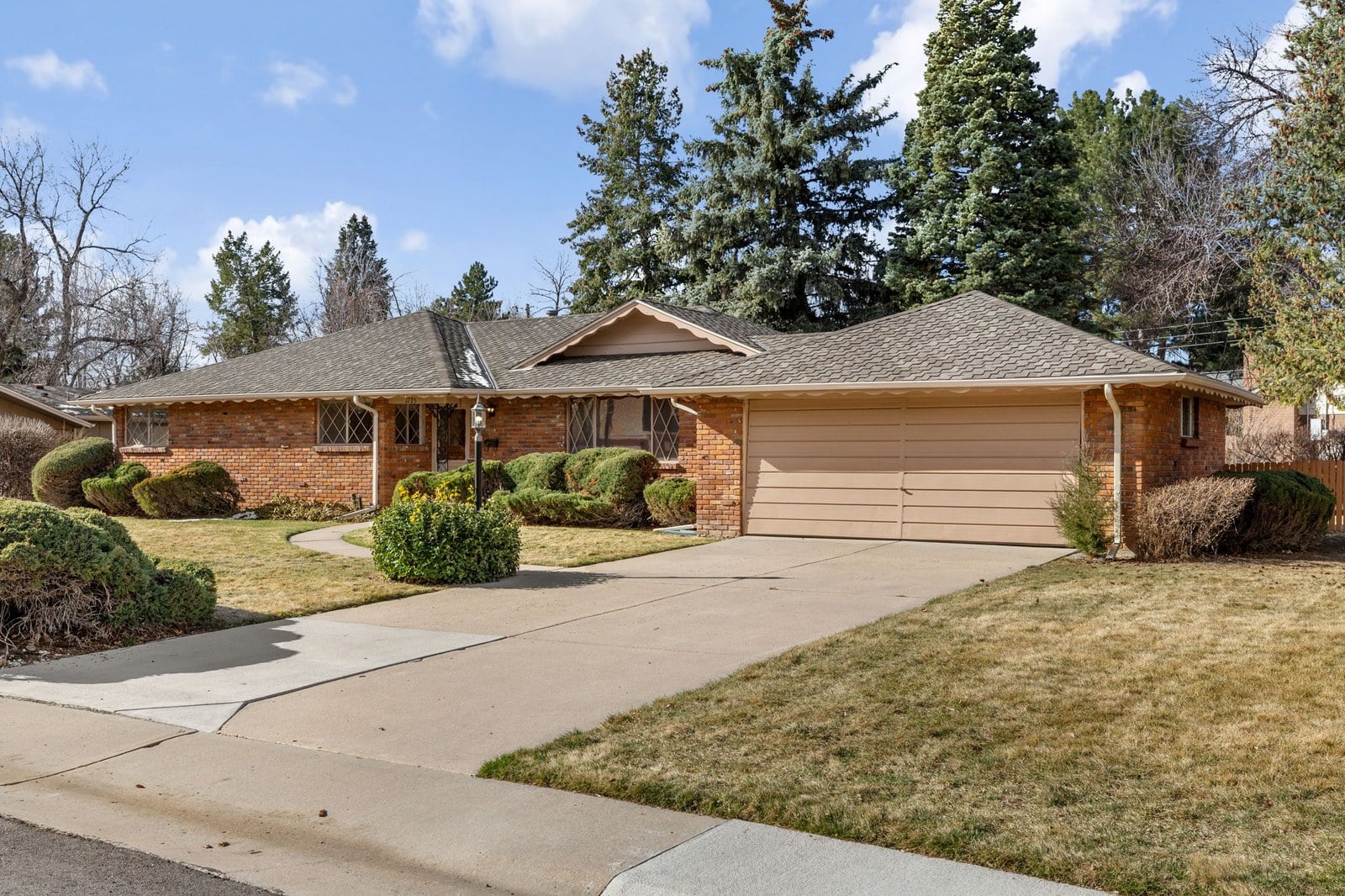
Buyers and agents use the phrase loosely, but in practice it resolves to a handful of areas. There is the historic core immediately around Washington Avenue, including the older residential blocks on Arapahoe, Cheyenne, Illinois and Ford. There is the stretch along Clear Creek toward the Clear Creek Trail and Lions Park. And there is the neighborhood climbing north and west toward the Colorado School of Mines campus, which functions as part of downtown in practice.
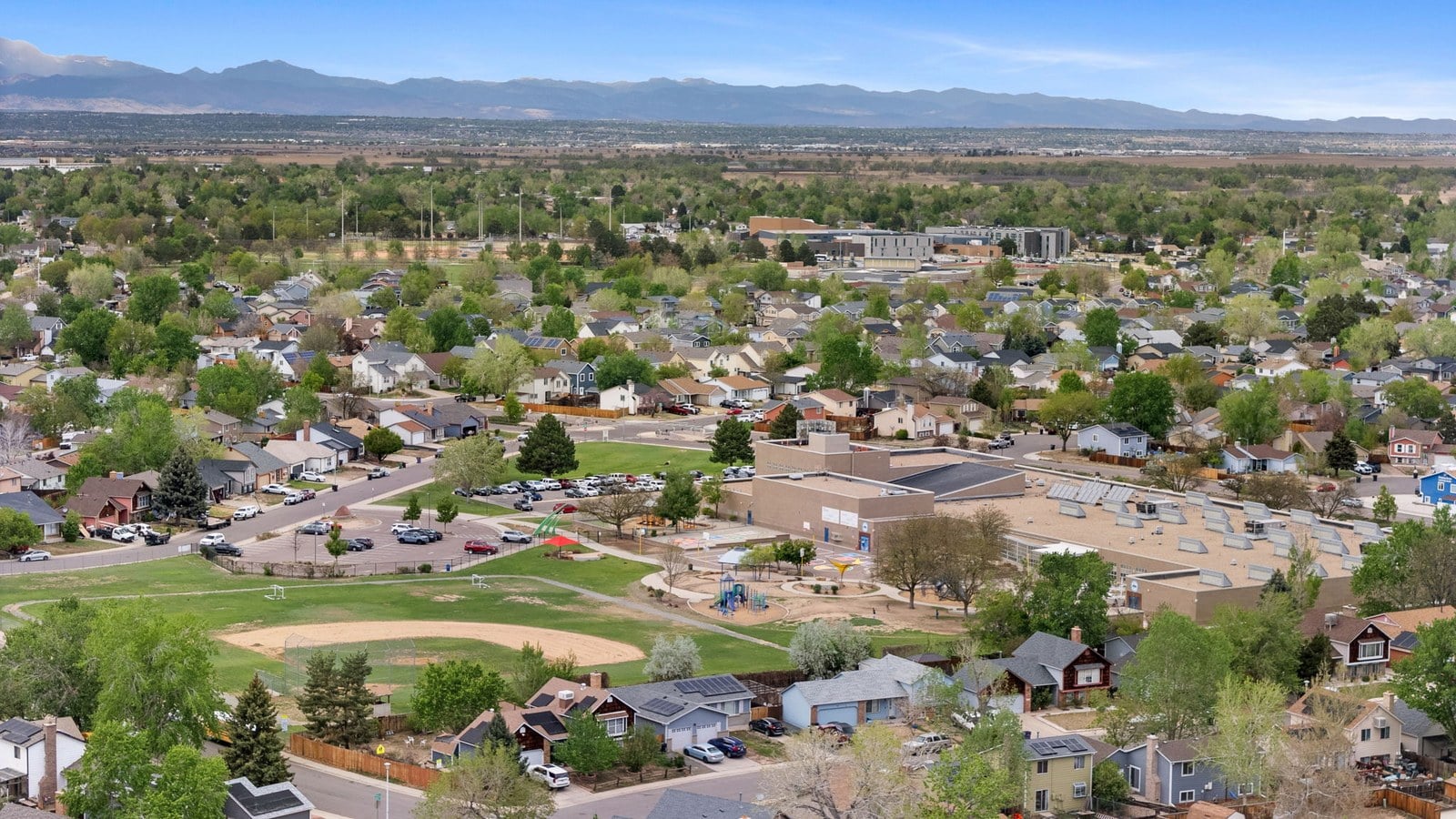
Past about a mile, the character changes quickly. You are into postwar subdivisions, then into the newer developments north and south of town, then into the unincorporated foothills. Those are all attractive in their own right, but they are a different product, and the market prices them that way.
The historic downtown district is the anchor for all of it, and it is worth walking before you decide how much the location is worth to you.
Why the premium exists
Four structural facts do most of the work, and none of them are going to change.
Supply is fixed. The walkable core is bounded by terrain and open space rather than by policy alone. New units near downtown come almost entirely from redevelopment of existing parcels, not from expansion.
Golden protects its old buildings. The city has designated local historic districts covering older residential blocks near downtown, and exterior alterations in them go through review. That constrains supply further, and it is also a large part of why the streets look the way they do. Buyers are paying for a preserved streetscape, not an accidental one.
Two large, stable institutions anchor the town. The Colorado School of Mines and the Coors brewery have both been in Golden since the nineteenth century. Combined with the Jefferson County seat, they give the local economy a floor that most small downtowns do not have.
The outdoor access is unusually good even by Colorado standards. Clear Creek runs through the middle of town, the Clear Creek Trail connects to the regional network, and North and South Table Mountains and Lookout Mountain are all trailheads you can reach without driving to the mountains. We covered how much this drives buyer behavior in our post on how important mountain views, trails and outdoor space are to Golden buyers.
How the premium shows up
It is worth being precise about the form the premium takes, because it is not only a higher list price. There is no published, address-level dataset for a walkshed this small, so the pattern below is drawn from how homes in the core behave relative to the rest of Golden and to Jefferson County generally, rather than from a single public statistic.
- Price per square foot, not total price. Downtown-adjacent homes are often smaller and older, so the total price can look ordinary while the per-foot figure runs well above the Golden average.
- Time on market. The core generally sells faster than the outlying subdivisions, and it holds up better when the wider market slows.
- Lot value. A large share of the price is the land and the location, which is why teardown and substantial-remodel activity concentrates in these blocks.
- Resilience. Fixed supply and a narrow, motivated buyer pool mean smaller price swings in both directions than the metro as a whole.
County-level context is published regularly by the Colorado Association of Realtors, whose Jefferson County local market updates are the closest public proxy available.
What you give up for it
The trade-offs are real, and buyers who ignore them tend to be the ones who resell within three years.
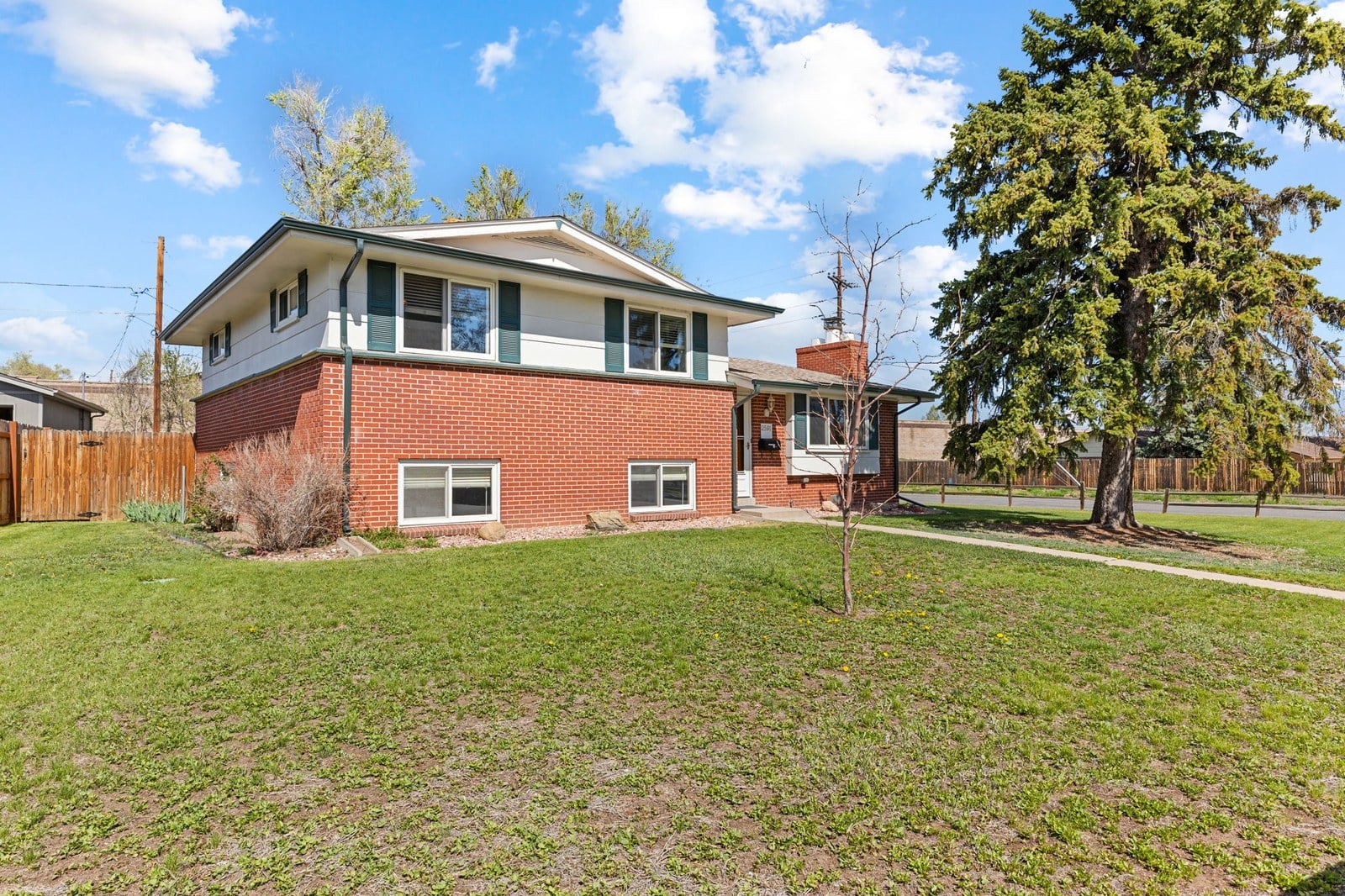
Lots near downtown Golden are small by west-metro standards, frequently well under a tenth of an acre, and garages are often detached, single-car or absent. Houses are old, which means the same sewer, electrical, insulation and foundation questions that come with any pre-war stock, plus the added constraint that exterior changes in a historic district need approval. Street parking gets tight, and downtown Golden hosts a heavy calendar of events, from the farmers market to Buffalo Bill Days to Mines home games, which is charming until it is your street.
There is also a rental dynamic worth understanding. Proximity to Mines supports a student and faculty rental market, which is good for investors and something owner-occupants should factor into the block they choose.
Who it is worth it for
It is worth it for buyers who will genuinely use the location every week. If you will walk to the creek, the trail, the market and dinner, you are buying something you cannot replicate in Arvada, Lakewood or Applewood at any price, and the premium is rational.
It is less obviously worth it for buyers who want space, a garage, a yard for kids and dogs, and a newer house. Those buyers are usually better served a mile or two out, or in the surrounding west-metro neighborhoods, where the same budget buys considerably more home and the mountain access is barely diminished.
And it is worth being clear-eyed if you are buying near downtown as an investment thesis rather than a lifestyle one. The supply constraint is real, but so is the entry price, and small older homes carry maintenance that newer product does not. Our buyer’s guide covers how to structure that comparison, and our post on how long it typically takes to sell a home in Golden is useful background on the exit side.
Frequently Asked Questions
How much of a premium do downtown Golden homes carry?
There is no published figure for a walkshed this small, and any number you see quoted for it is an estimate. What is observable is that the core runs above the Golden average on price per square foot and below it on days on market. A neighborhood-level analysis using MLS data is the only way to put a defensible number on it for a specific block.
Is Golden more expensive than the rest of Jefferson County?
Generally yes. Golden sits above the county as a whole on typical sale price, and the downtown core sits above the Golden average. Arvada, Lakewood and Wheat Ridge usually offer more square footage per dollar.
Does the historic district make a home harder to sell?
No, and for many buyers it is part of the appeal. It does mean exterior alterations require review, so the buyer pool skews toward people who want a preserved older home rather than people planning a modern rebuild.
Do Colorado School of Mines students affect the residential streets?
On the blocks nearest campus, yes. Expect a mix of owner-occupants and rentals, more activity during the academic year, and parking pressure on game and event weekends. A few streets out, the effect fades quickly.
Is flooding a consideration along Clear Creek?
It can be, and it is property-specific. Any home near the creek should be checked against current floodplain mapping before you write an offer, since the designation affects insurance cost and lending.
Would I be better off in Applewood or Wheat Ridge?
If your priority is house size, lot size and value per dollar while keeping quick foothills access, very possibly. If your priority is walking to a real downtown, nothing else in the west metro substitutes for Golden.
This article is general information about the Golden housing market and is not tax, legal or financial advice. Historic district rules, floodplain designations and permitting requirements change; confirm current requirements with the City of Golden and Jefferson County, and consult the appropriate professional before making a decision.