
Buyers in West Highland value original architecture, a walkable path to Highlands Square and Sloan’s Lake, updated systems behind the period details, and usable outdoor space, and they pay a clear premium when a home delivers all four without a renovation project attached.
West Highland is one of northwest Denver’s most consistent neighborhoods. Its streets carry a mix of Victorian cottages, Denver Squares, Craftsman bungalows, Tudors, and newer homes built where older ones were replaced. Buyers who tour here usually arrive with a clear sense of what they like about the area, and that shapes how they judge each house.
For sellers, understanding those priorities is the difference between a home that draws several showings in its first weekend and one that sits while buyers wait for the next listing. For buyers, it explains why two homes a block apart can be priced so differently. Location inside the neighborhood matters, but condition and layout usually matter more.
Jason Sirois, a Denver Realtor with FORM at Compass Denver and an Applewood resident, works across northwest Denver and sees the same patterns in West Highland showings, offers, and inspection negotiations. Here is what buyers focus on, what they discount, and what it means if you are preparing to sell or buy. For a starting point on value, see our guide to what a West Highland home is worth.
Original Character, Kept Intact
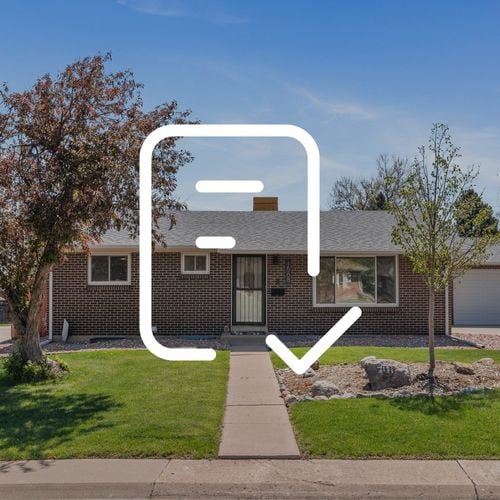
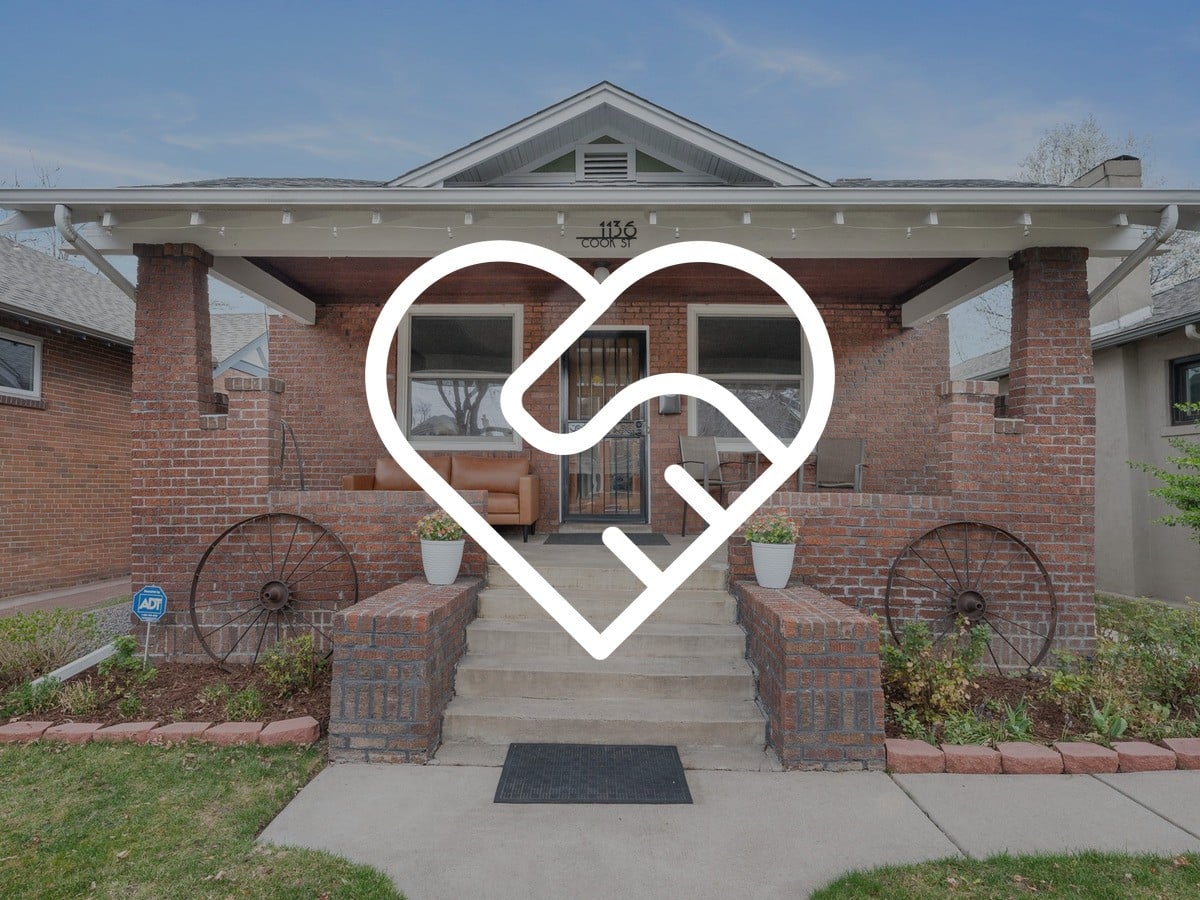
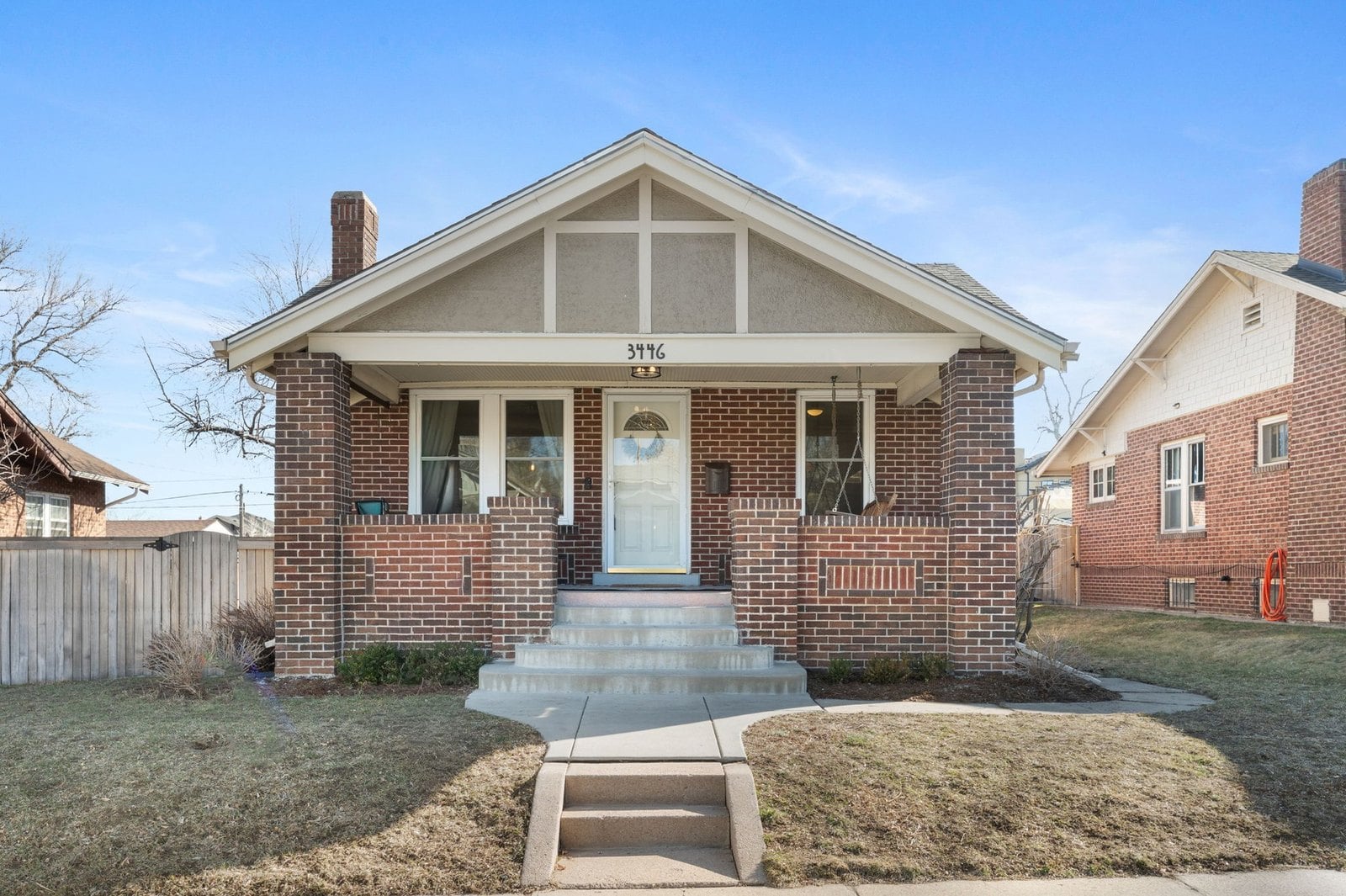
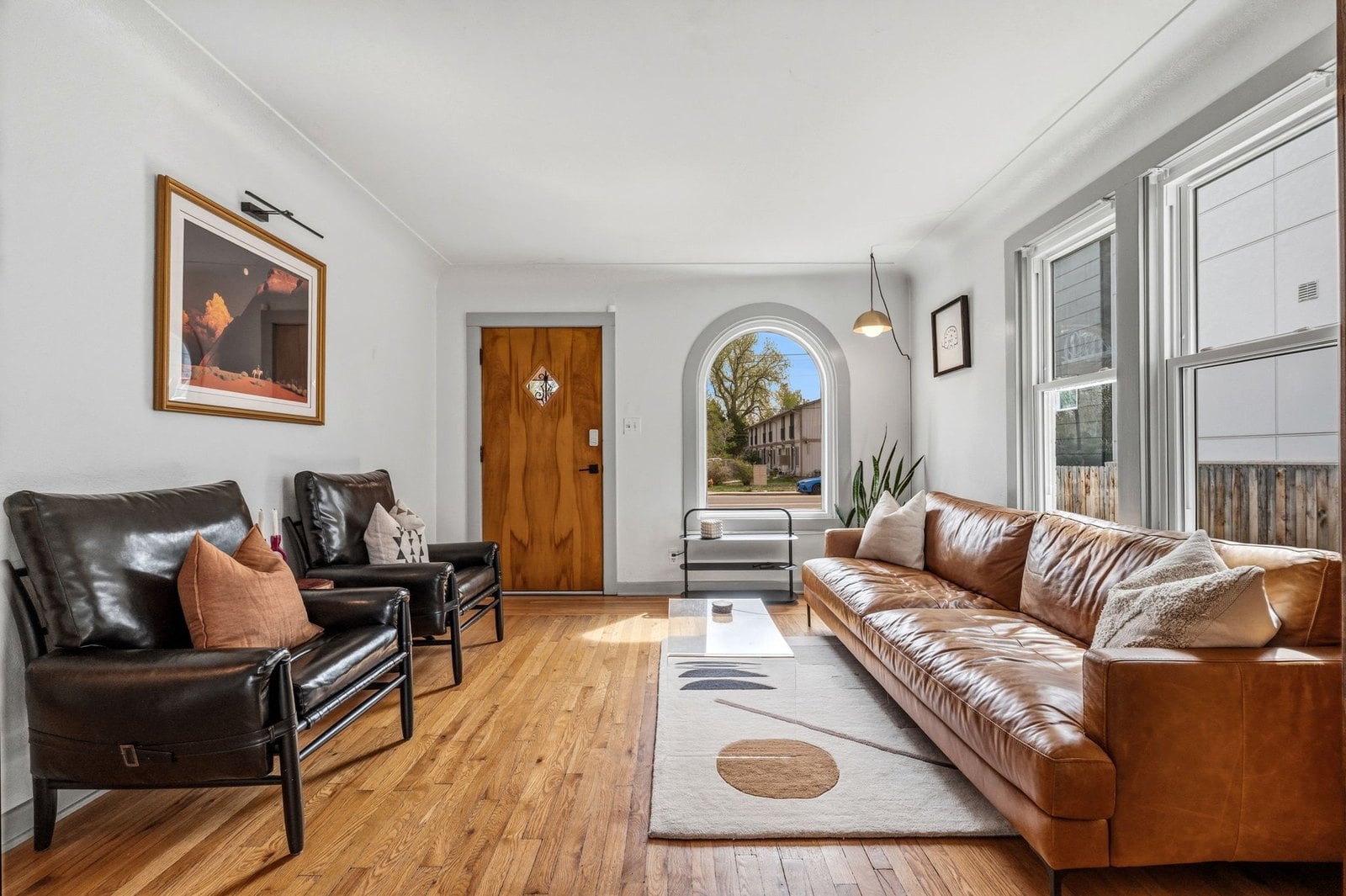
The first thing many buyers respond to is the house itself. West Highland developed largely in the late nineteenth and early twentieth centuries, and its best-loved homes still show it: red brick, deep front porches, original woodwork, leaded or beveled glass, built-in cabinetry, and hardwood floors. Homes that keep those details while updating everything behind the walls tend to draw the strongest response.
What buyers discount is character that has been stripped away. Painted-over trim, porch enclosures, replacement windows that do not match the original openings, and flipped interiors that erase the period detail can all narrow the pool of interested buyers. That does not mean a modern interior cannot sell well here. It means a buyer paying for a historic house expects to see the history somewhere in it.
Parts of northwest Denver fall within designated historic districts or landmark structures, where exterior changes go through city design review. If you plan to change a facade, porch, or roofline, confirm the property’s status with Denver Landmark Preservation before you budget the work.
Walkability to Highlands Square, Tennyson, and Sloan’s Lake
Location within West Highland matters to buyers in a specific way: how far is the walk? Highlands Square, centered on West 32nd Avenue and Lowell Boulevard, has restaurants, coffee shops, and boutiques. Tennyson Street, just to the northwest, adds another commercial strip with restaurants, galleries, and shops.
To the south, Sloan’s Lake Park is one of the largest parks in Denver, with a lake loop that sees steady walking, running, and cycling traffic year round. Homes within a few blocks of the park or of Highlands Square tend to draw more showings, though buyers weigh that against traffic and parking on the busier streets nearby.
When buyers compare two similar homes, the one with a shorter, more pleasant walk to coffee, dinner, or the lake usually wins. That makes it worth naming specific destinations and walking times in a listing rather than relying on the neighborhood name alone.
Updated Systems Behind the Period Details
Buyers love an old house until the inspection report arrives. In West Highland, the issues that shape negotiations most often are the same ones found in older homes across Denver: sewer lines, electrical panels and wiring, foundations, roofs, and heating systems. Clay or older sewer lines are common, and a scope inspection is standard. Original knob-and-tube wiring or undersized panels will draw requests or price reductions.
Central air conditioning also matters more than it once did. Many older homes in the neighborhood were built without ductwork, so cooling may rely on mini-splits, evaporative coolers, or window units. Buyers notice the difference in summer showings. Radon is common throughout Colorado as well, so mitigation systems and test results are routine items in the disclosure package.
- Sewer scope results and any repairs or liners already completed
- Age and type of the roof, furnace, water heater, and cooling system
- Electrical panel capacity and any remaining original wiring
- Foundation condition and any past structural repairs
- Radon test results and mitigation, if installed
Sellers who complete pre-listing inspections and handle the larger items in advance usually see fewer surprises once a contract is in place.
Layouts That Work: Bathrooms, Kitchens, and Basements
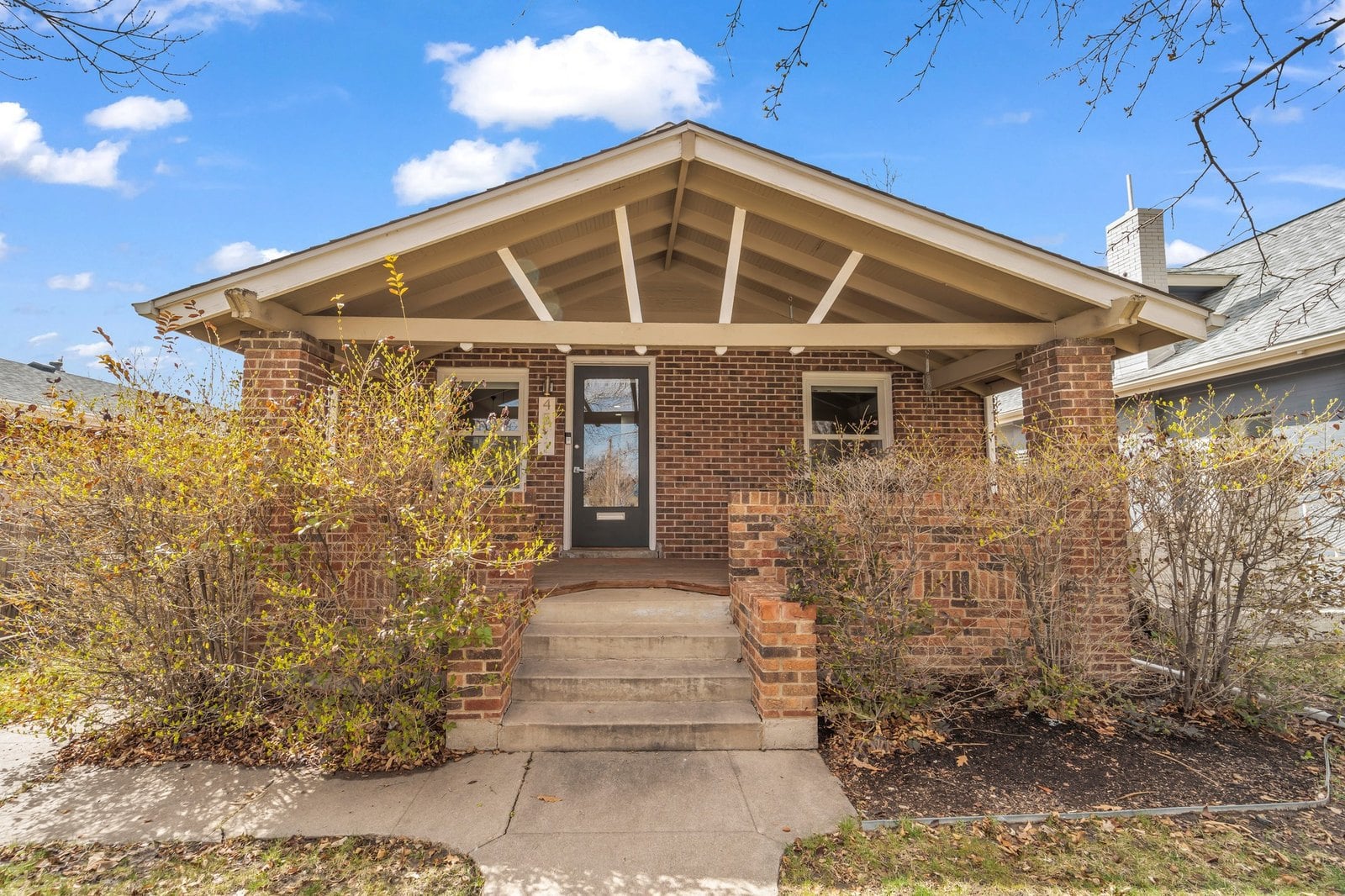
Many original West Highland homes were built with smaller kitchens, one bathroom, and an unfinished or partial basement. Buyers today look closely at how a home handles those limits. A second full bathroom, a kitchen opened to the dining area, and a finished basement with legal egress windows all change how a home is valued.
The details matter. A basement bedroom only counts as a bedroom with proper egress and ceiling height, and finishing work done without permits can create problems at appraisal or during the buyer’s due diligence. Additions and pop-tops are common in the area, and buyers want to see that the work was permitted and that the new space flows naturally from the original structure.
Primary suites with a private bathroom are a frequent request in newer or expanded homes. In smaller original homes, a well-designed main bathroom and a practical laundry location often matter more than square footage alone.
Outdoor Space, Garages, and Alley Access
West Highland’s lots are typically narrow and deep, with detached garages off the alley. Buyers value a usable backyard, whether that is a lawn, a patio, a deck, or a garden. A two-car garage is a real advantage on blocks where street parking is tight, and a garage with space for storage or a workshop draws attention.
Denver’s 2024 zoning change expanded where accessory dwelling units can be built across the city, and that has made some buyers look at the back of a lot differently. A garage that could support an ADU, or an existing permitted ADU, can broaden appeal, though permitting, cost, and design requirements vary by property.
What This Means If You Are Selling or Buying
For sellers, the priorities above point to a clear plan: protect the original character, address the major systems before listing, present the outdoor space well, and price based on condition rather than on the best sale on the block. DMAR’s monthly market reports show the citywide trend, but a West Highland price depends on the specific home’s condition, layout, and walk to the neighborhood’s anchors.
For buyers, the same list works as a filter. Decide in advance how much renovation you are willing to take on, which systems you need updated, and which walking destinations matter most. That makes it easier to move quickly on the right house and to pass on the wrong one.
Frequently Asked Questions
What style of homes are in West Highland?
West Highland includes Victorian cottages and larger Queen Anne homes, Denver Squares, Craftsman bungalows, Tudors, and mid-century homes, along with newer construction on lots where older homes were replaced. Many streets mix several of these styles within a single block.
Do updated homes in West Highland sell faster?
Homes with updated systems, a second bathroom, and preserved character usually draw more showings and stronger offers. Homes that need major work tend to sell to a smaller pool of buyers who price in renovation costs, which can mean longer time on market.
Is central air important to West Highland buyers?
Increasingly, yes. Many older homes lack ductwork, so cooling options vary. Mini-split systems are a common solution that avoids opening walls. Buyers compare cooling options closely during summer showings.
How far is West Highland from Sloan’s Lake?
The southern edge of West Highland sits just a few blocks north of Sloan’s Lake Park, and many homes are within a short walk or bike ride of the lake loop. Highlands Square is centrally located within the neighborhood.
Should I finish my basement before selling?
It depends on cost, ceiling height, and egress. A permitted basement finish with a bedroom and bathroom can add meaningful value, but unpermitted work can create problems during the sale. Jason can help you weigh the likely return before you start.
Can I build an ADU on my West Highland lot?
Denver’s 2024 zoning update allowed ADUs across far more residential areas than before. Whether a specific lot qualifies depends on zoning, size, design standards, and any historic district rules. Confirm with the city before planning.
If you are thinking about buying or selling in West Highland, explore our West Highland neighborhood page or reach out to Jason Sirois and FORM at Compass Denver for a walkthrough of how your home or target home compares.
This article is for general information only and is not legal, tax, or financial advice. Zoning, permitting, and historic district rules change over time, so verify details with the City and County of Denver and qualified professionals before making decisions.