
Highlands Ranch, Castle Rock and Parker have the most in common with master-planned Dallas suburbs like Frisco and Plano, while Applewood, Wheat Ridge and Lakewood line up with older, ranch-heavy suburbs like Richardson. The biggest differences are basements, lot sizes and metro district taxes.
Most people moving from the Dallas area already know what kind of suburb they live in: a newer master-planned community off a tollway, an established postwar neighborhood near an older downtown, or a larger lot on the edge of the metro. The fastest way to get oriented in Denver is to find the areas built the same way, in the same era, for the same kind of commute.
That comparison works better than you might expect. Denver’s suburbs grew in the same waves as Dallas’s did, from postwar ranch subdivisions in the 1950s and 1960s to large master-planned communities from the 1980s on. The differences come from geography, construction practice and how Colorado finances new infrastructure, and those are worth understanding before you start touring.
Jason Sirois, a Denver Realtor with FORM at Compass Denver and an Applewood resident, helps buyers relocating from Texas sort the metro every year. This guide pairs Denver suburbs with their closest Dallas-area counterparts and covers what changes wherever you land. For the city-neighborhood version, see our guide to Denver neighborhoods that feel most like Dallas neighborhoods.
Frisco, Plano and Prosper: Highlands Ranch, Castle Rock and Parker
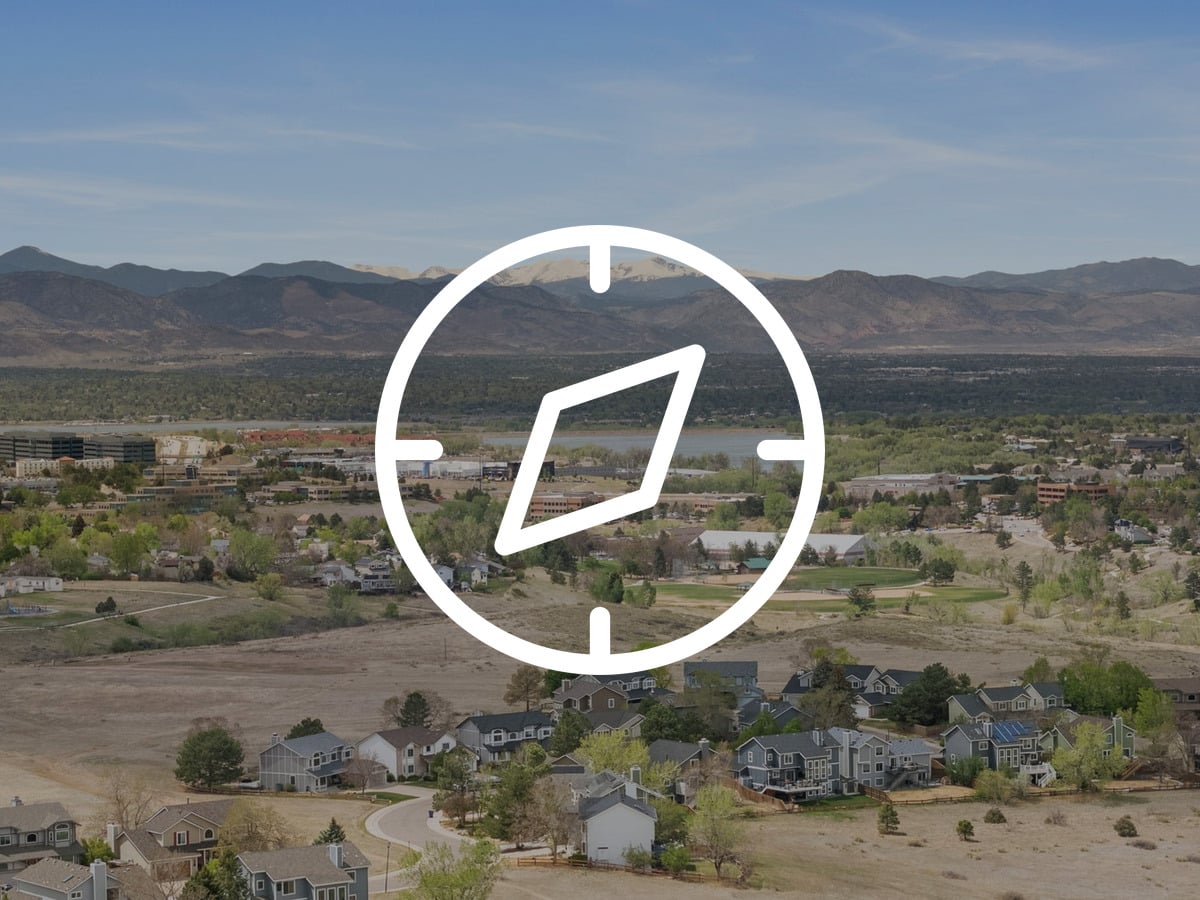
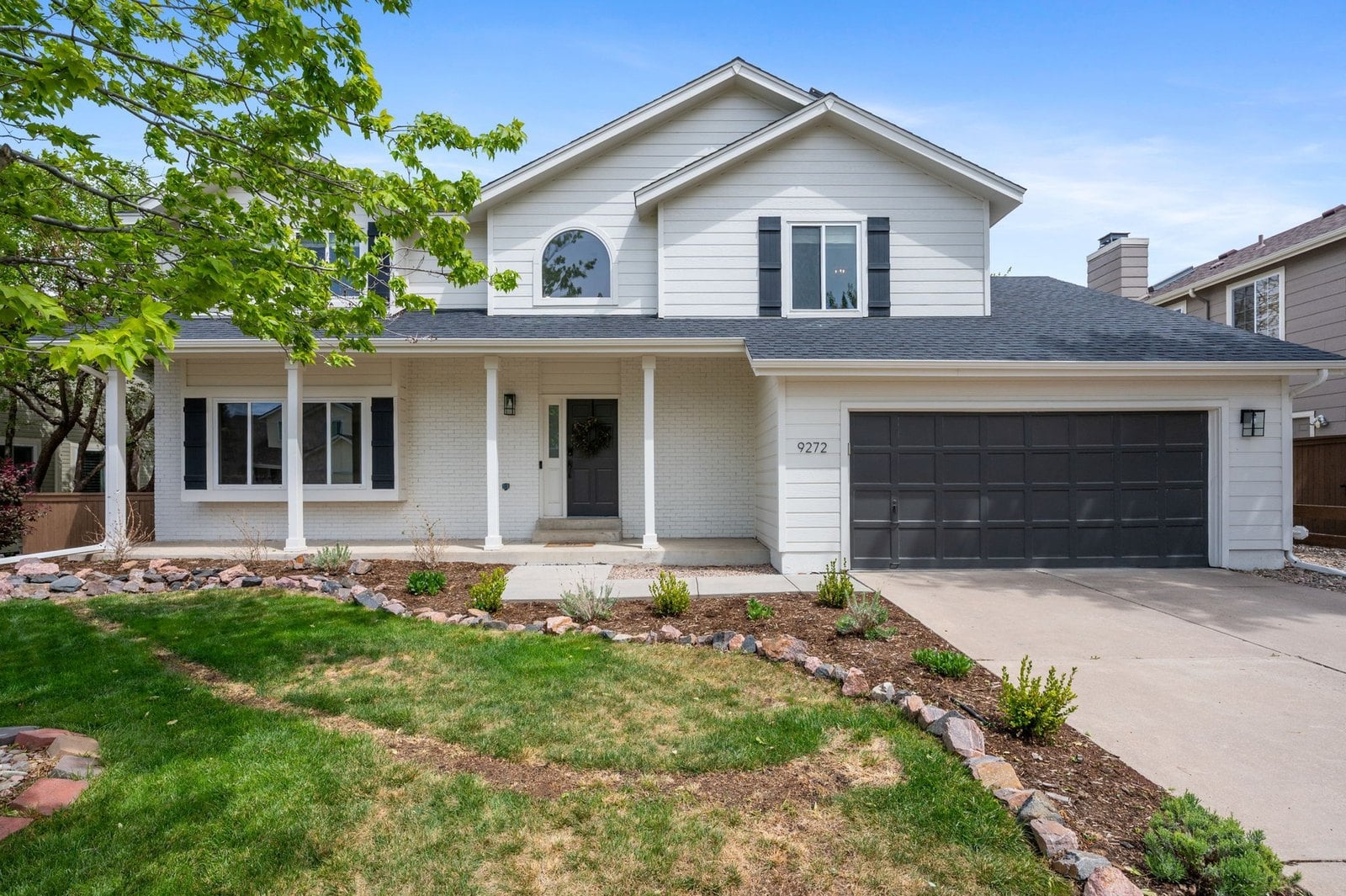
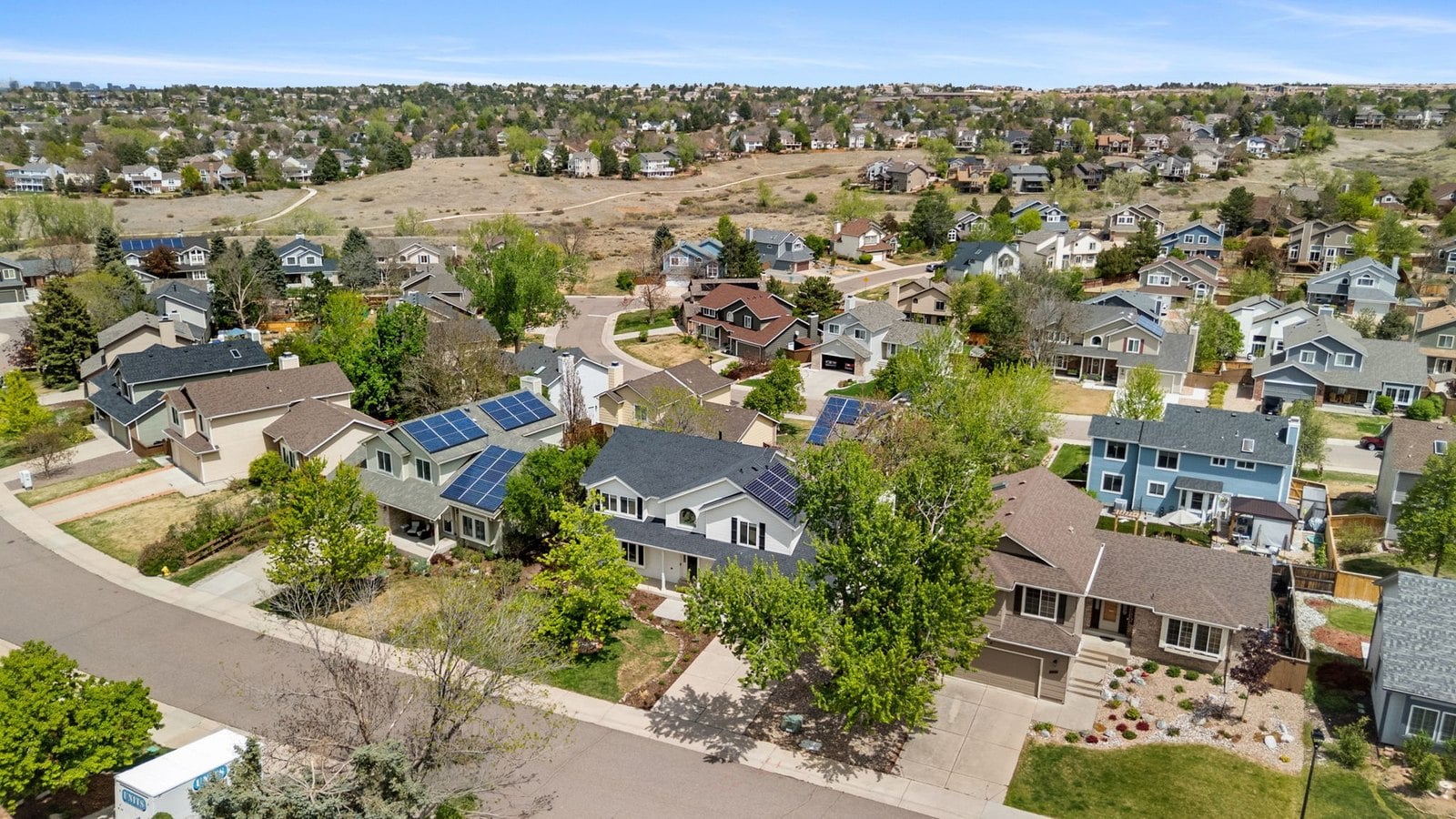
If you live in a master-planned community in Collin or Denton County, Highlands Ranch is the closest structural match in the Denver area. The Mission Viejo Company bought the land in 1978 and the first homes went up in 1981. It is unincorporated and governed by Douglas County, with parks, open space and many local services run by the Highlands Ranch Metropolitan District and a community association. Streets curve through planned filings, retail clusters sit at the arterials, and trails connect the neighborhoods.
South of it along I-25, Castle Rock and Parker are incorporated towns that have added large planned communities over the past few decades, with newer construction at the edges and an older downtown at the center of each. Public schools across all three are part of the Douglas County School District.
The commute pattern will feel familiar. C-470 and the E-470 toll road ring the southern and eastern suburbs the way the Sam Rayburn Tollway and President George Bush Turnpike do in North Texas, and I-25 plays the role of the Dallas North Tollway as the main north-south spine into the job centers.
On the northwest side, Arvada’s newer communities such as Candelas offer the same master-planned layout with a foothills backdrop, and they sit much closer to the mountains than anything in Douglas County.
Colorado’s Metro Districts Work Like Texas MUDs
If you have owned in a newer Dallas-area subdivision, you probably paid a municipal utility district or public improvement district tax. Colorado has a close equivalent: the metropolitan district. Developers form these special districts to build roads, water and sewer lines, parks and other infrastructure, then repay the bonds through a separate mill levy on the homes inside the district.
The Colorado Division of Local Government’s guide for residents and prospective homeowners explains how they work and what to check. Colorado purchase contracts carry a required warning that owners in special districts may face higher mill levies, and newer districts must disclose their debt and tax information. The practical questions are the same ones you would ask about a MUD: how much debt is outstanding, how much more is authorized, and how close the community is to build-out.
Two homes at the same price in neighboring subdivisions can carry noticeably different tax bills because of this. Compare the full property tax history on every home, not the list price alone. Our post on how Denver’s cost of living compares with Dallas covers the broader tax trade, including Colorado’s flat state income tax against Texas property tax rates.
Richardson and the Postwar Suburbs: Applewood, Wheat Ridge and Lakewood
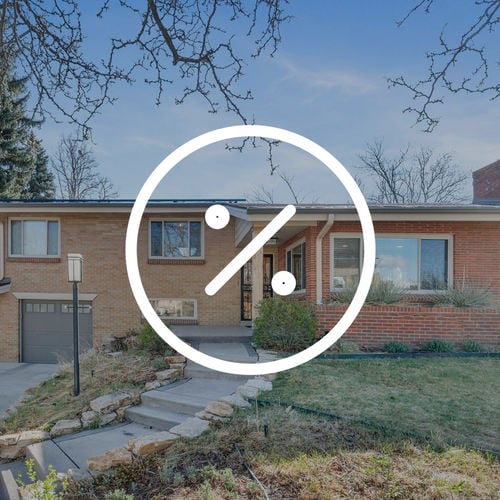
Richardson and the older suburbs along US-75 are defined by 1950s and 1960s ranch houses on established lots with mature trees. The Denver equivalent is the west side: Applewood, Wheat Ridge and much of Lakewood.
Applewood is unincorporated Jefferson County between Wheat Ridge and Golden, with mid-century brick ranches, split-levels and some of the larger lots close to the city. Wheat Ridge and Lakewood share the same era of housing, with more variety in lot size and more updated inventory. All three are served by Jeffco Public Schools, and all three put the foothills within a short drive.
One naming note: Dallas’s Lakewood neighborhood, near White Rock Lake, and the City of Lakewood, Colorado, are unrelated. The Colorado city is one of the state’s largest, stretching from the Denver line to the foothills.
McKinney’s Square: Olde Town Arvada, Littleton and Golden
Historic downtown McKinney is one of the most recognizable features of the North Texas suburbs, and several Denver suburbs have the same kind of preserved main street with newer neighborhoods around it. Olde Town Arvada has a walkable historic core with a G Line commuter rail station. Downtown Littleton’s Main Street sits near a light rail stop on the D Line, and Golden’s Washington Avenue runs along Clear Creek at the base of the foothills.
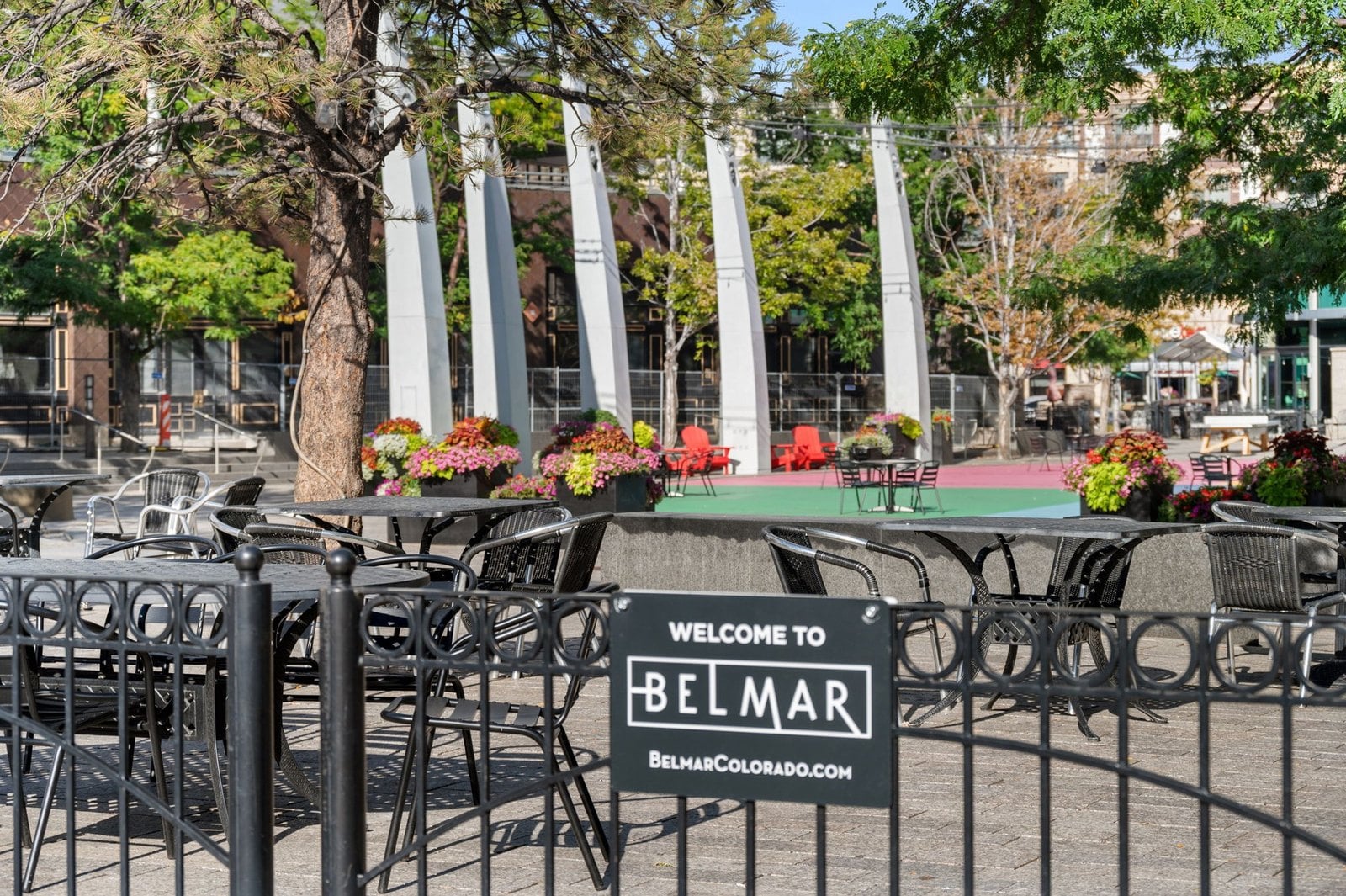
Castle Rock has its own historic downtown along Wilcox and Perry Streets, and Lakewood’s Belmar district is a newer, planned downtown built on the site of a former mall, closer in concept to a mixed-use center like Legacy West than to a historic square.
Las Colinas and Legacy West: the Denver Tech Center and Interlocken
If your Dallas routine is built around a suburban job center, the Denver Tech Center is the closest match. It spans parts of Greenwood Village and Centennial along I-25 in the southeast metro, with office towers, hotels and several light rail stations on the E Line. Interlocken in Broomfield, along US-36 between Denver and Boulder, is the other large suburban office campus.
Like DART, Denver’s rail system radiates from downtown, and RTD’s rail network reaches Lakewood and Golden on the W Line, Arvada and Wheat Ridge on the G Line, and the southeast suburbs on the E, R and H Lines. Driving remains the default in most of the suburbs, as it is in Collin County.
What Changes Wherever You Land
Whichever suburb you choose, a few things work differently from North Texas:
- Basements. Most North Texas homes sit on a slab. Many Denver-area homes have a full or partial basement, which changes how square footage is listed and priced.
- Lot sizes. Census construction data puts the median lot for new homes in the Mountain region well below the national median. Older west-side suburbs are where larger lots are most common.
- Air conditioning. Central air is standard in Texas but not universal in older Denver-area homes. Check it on every listing.
- Property tax. Colorado property tax rates are generally lower than in Texas, while Colorado adds a flat state income tax. Metro district levies can narrow the gap in newer suburbs.
- Weather and roofs. Hail is a major factor in Front Range insurance premiums, so roof age and material deserve a close look.
Frequently Asked Questions
Which Denver suburb is most like Frisco or Plano?
Highlands Ranch is the closest structural match: a large master-planned community built from the 1980s on, with planned filings, trails, recreation facilities and arterial retail. Castle Rock, Parker and Arvada’s newer northwest communities follow a similar model.
Do Denver suburbs have anything like Texas MUD taxes?
Yes. Colorado metropolitan districts finance infrastructure in newer subdivisions and repay the debt through a separate mill levy, much like MUDs and PIDs in Texas. Check each home’s tax bill and the district’s debt disclosures before you write an offer.
Which Denver suburbs have larger lots?
Established west-side areas such as Applewood and parts of Wheat Ridge and Lakewood have some of the larger lots close to the city. Newer master-planned suburbs tend to have smaller lots, which matches Census data showing smaller median new-home lots in the Mountain region.
Are there toll roads in Denver like the Dallas tollways?
Yes. E-470 is a toll road around the eastern side of the metro, and the Northwest Parkway continues it toward Broomfield. Some I-25, I-70 and US-36 corridors also have express toll lanes. C-470 is free in its general lanes.
Can you commute by train from Denver’s suburbs?
In many of them, yes. RTD light rail and commuter rail reach Lakewood, Golden, Arvada, Wheat Ridge, Littleton, the Denver Tech Center and Lone Tree. Coverage is thinner in Castle Rock and Parker, where driving is the norm.
Is Lakewood, Colorado, related to Lakewood in Dallas?
No. Dallas’s Lakewood is a historic neighborhood near White Rock Lake. Lakewood, Colorado, is a separate city on Denver’s west side that runs from the Denver line to the foothills.
If you are planning a move from Dallas and want help narrowing the suburbs, get in touch with Jason Sirois and the FORM team for a side-by-side tour plan.
This post is general information, not legal, tax or financial advice. Tax rates, special district levies and toll policies change; confirm current figures with the county assessor, the district and a tax professional before you buy.